Pumpkin Shipping for Halloween
As the weather cools and the leaves shift colors, that time of the year creeps its way out of the crevices of our minds: Halloween, that wonderfully spooky day full of colorful costumes, delicious treats, and terrifying horror movies.
While Halloween has become increasingly commercialized, the holiday has its roots in ancient European harvest celebrations, specifically in the festival of Samhain, where the boundary between the living and the dead is said to be thinned. Bonfires would be lit to make animal and crop sacrifices, and costumes of animal skins and heads were worn to ward off evil spirits.
One unique tradition that emerged during this time was turnip carving. It originated in an old Irish legend about a trickster character named Stingy Jack, who continually outwitted the Devil in various ways, until he died and was denied entry into both Heaven and Hell. The Devil then forced Jack to wander into the night with only a burning coal to light the way for the rest of time, which Jack put into a carved-out turnip.
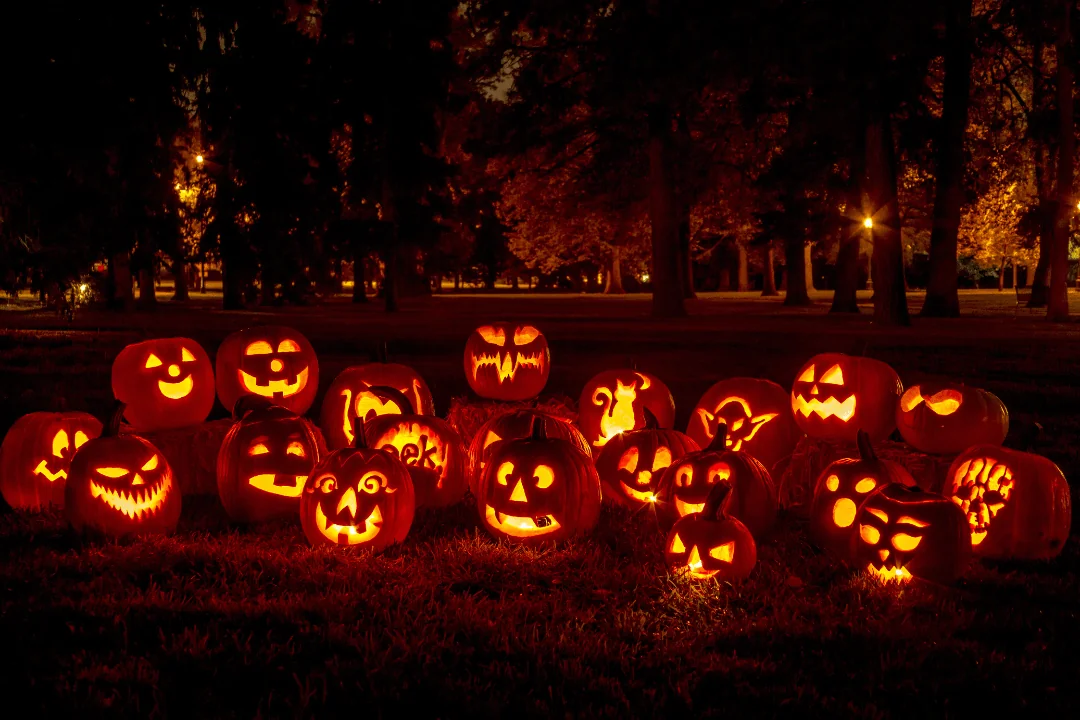
To celebrate the myth, the Irish would carve scary faces into turnips and place them at windows or near their doors to ward off Stingy Jack. When many Irish immigrants arrived in the United States, they found that carving pumpkins was much easier than carving turnips. And thus, the tradition of carving Jack-o’-lanterns on Halloween was born.
This tradition has continued into the present day. According to the USDA, Americans purchase over 1.3 billion pounds of pumpkins each year for Halloween. Pumpkins are also popular during Thanksgiving, making them one of the most significant crops harvested in the fall.
However, transporting them from the pumpkin farm to the store involves several unique processes and specialized equipment, including temperature-monitoring tools. Let’s explore the ins and outs of pumpkin shipping for Halloween and discover the importance of the pumpkin industry to the holiday.
What Pumpkins Are Transported for Halloween?
Understanding the freight shipping of pumpkins for Halloween begins with identifying the types of pumpkins typically shipped for the holiday. There are many varieties available; however, pumpkins can generally be categorized into two main types: edible and carving pumpkins.
Edible pumpkins are a type of squash that is commonly used in cooking and baking. Varieties such as Sugar Pie, Cinderella, and Kabocha fall into this category. These pumpkins are typically small and dense in size, and have a sweet flavor when eaten or used in baking. Although they can be carved into jack-o’-lanterns, their walls are more delicate and may decay faster once cut.
Carving pumpkins are larger and more hollow than regular pumpkins, featuring sturdy and hard walls when harvested. Although they are technically edible, the flesh of these pumpkins tends to be watery and lacks flavor (though their seeds can be roasted into a delicious snack after Halloween). Popular varieties for creating jack-o’-lanterns and autumn decorations include Howden, Connecticut Field, and Jack of All Trades.
Carving pumpkins are popular for Halloween because they can safely hold a burning flame inside and last longer than edible pumpkins. While the harvesting and transportation processes are similar for both types, the size and weight of carving pumpkins require extra care in packaging and transportation compared to those of edible pumpkins.
How Pumpkins are Harvested
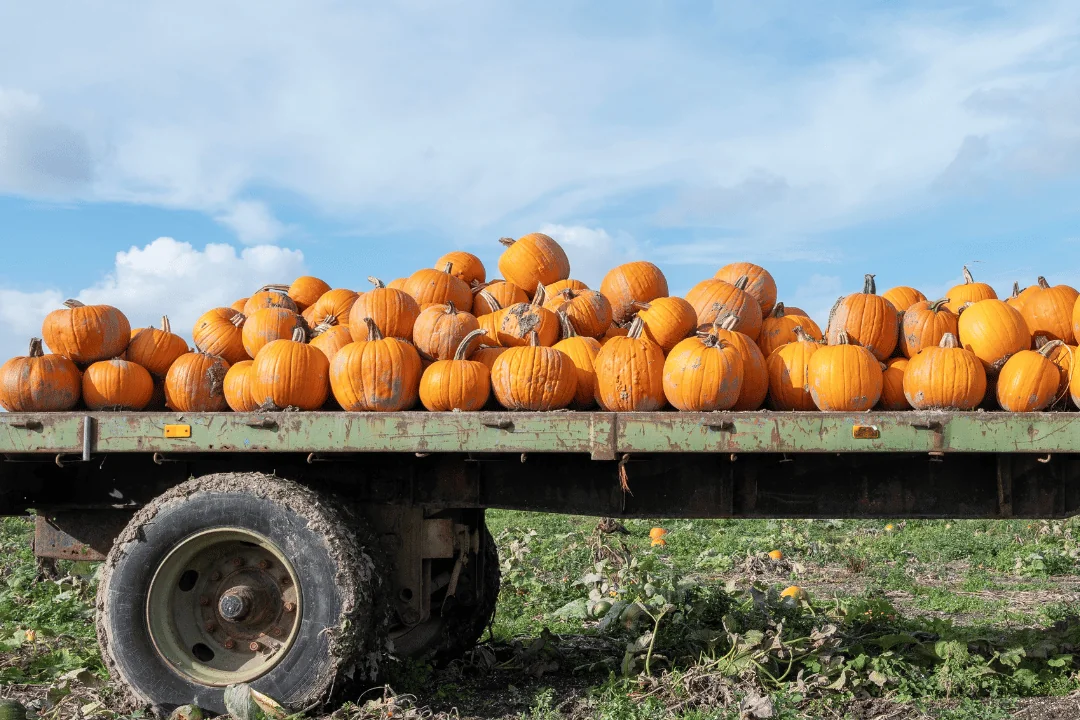
Pumpkins are grown throughout the US, but are most prominently produced in Illinois, Michigan, Indiana, Pennsylvania, California, and Washington State. They are planted during late spring and early summer, and are harvested between September and early November.
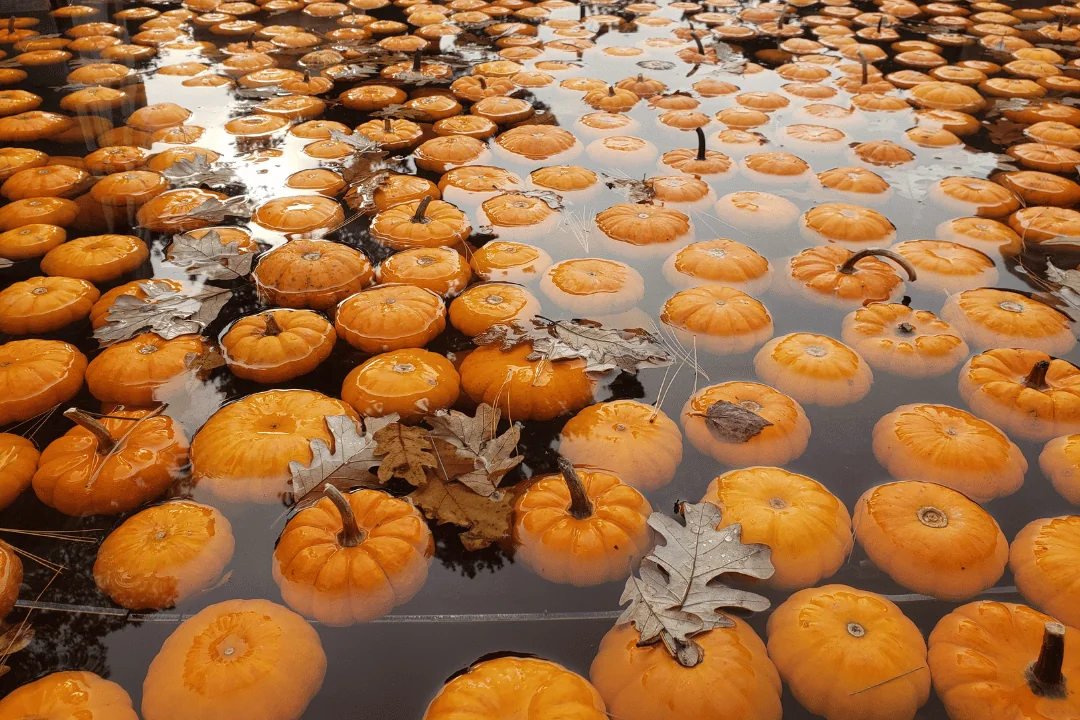
Preparing pumpkins for transport takes several steps. After harvesting the crop, pumpkins must be pre-cooled. There are several pre-cooling methods, including storing pumpkins in a cool room, forced air cooling (where cool air is forcibly blown onto the pumpkins), and hydrocooling (where pumpkins are submerged in cold water for a short period). Precooling must be done immediately after harvesting; otherwise, the crop will prematurely rot and decay.
After a while, the pumpkins are checked for quality. Aside from checking for rotted or soft spots, the pumpkins are analyzed for sturdiness and hollowness. Is the skin hard? Do you hear a hollow sound when slapping a pumpkin? If a pumpkin meets the requirements, then it is ready for the next step: curing.
Curing is the process of storing pumpkins at a higher temperature for several days to enhance their development and maturity. During curing, pumpkins are kept at temperatures between 80°F and 85°F for 10 to 14 days. This process hardens the rinds while preserving the flesh inside, ultimately prolonging the pumpkins’ shelf life.
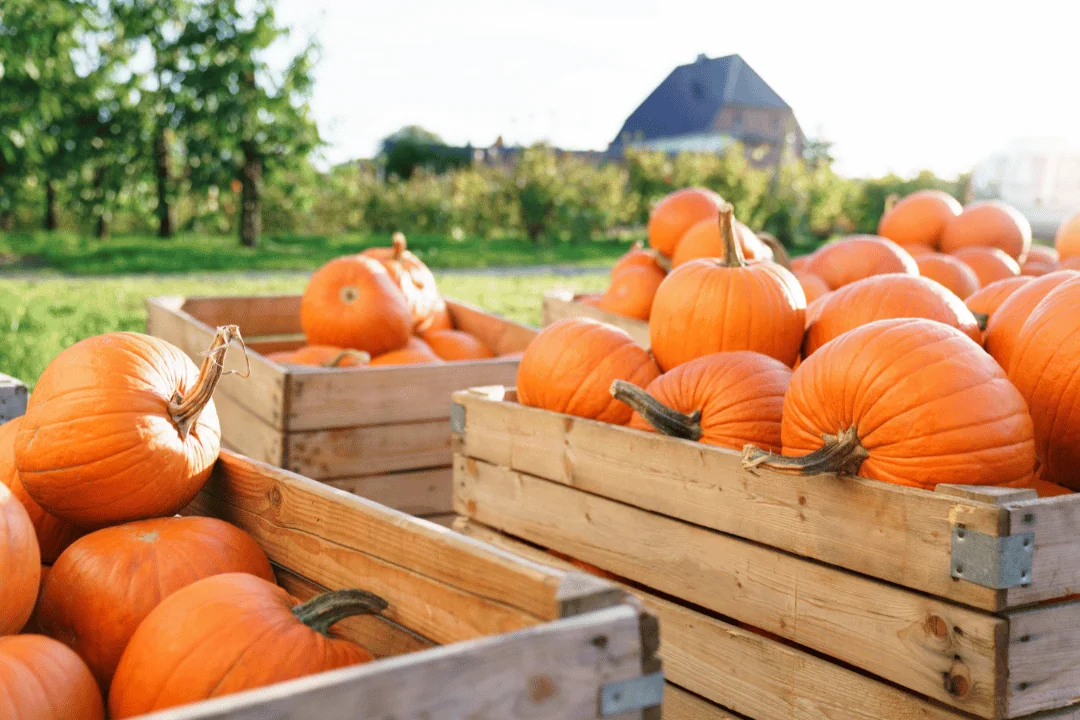
After two weeks of curing, the pumpkins are stored at a cooler temperature of 50 to 55°F for the remainder of their storage period. They are also sorted by size and weight. The ideal carving pumpkin should weigh between 12 and 17 lbs, which represents the largest size category. Smaller pumpkins, weighing between 3 and 6 lbs, and medium-sized pumpkins, weighing between 7 and 12 lbs, are kept separate from the larger ones in preparation for packaging and transportation.
Freight Shipping Pumpkins
When producers are ready to ship pumpkins by freight, they must keep in mind that, although these crops are hardier than other produce, they are still vulnerable to damage, loss, and decay if not properly packaged and delivered. Carving pumpkins, in particular, are susceptible to damage from falling due to their hollow insides. Maintaining a constant temperature and insulating the pumpkins to prevent movement during transit is essential to successful pumpkin shipping.
Pumpkins must be packed into heavy-duty cardboard cartons. While cardboard cartons may seem more fragile than crates or boxes, the cardboard actually acts as a cushion that protects the crop during transit. The cartons must also be well-ventilated so that toxic gas doesn’t build up within the pumpkins’ packaging and cause decay. Each carton should contain about 40 lbs of pumpkins.
Freight shipping pumpkins requires the use of temperature-controlled transport, such as dry van or temperature-controlled reefer trucks. The pumpkins must maintain a temperature of 50 to 55°F throughout the journey. Both LTL and FTL shipping can be used for pumpkins; however, for the former, the pumpkins must be well-cushioned and adequately ventilated.
Your carrier must understand the importance of maintaining the temperature of your pumpkins during transit. The packaging for the pumpkins should clearly indicate the contents of the cartons and specify the requirement to maintain a constant temperature level. This prevents miscommunication from jeopardizing the integrity and freshness of your pumpkins.

The Importance of Freight Shipping Pumpkins for Halloween
Halloween wouldn’t feel complete without pumpkins. Transporting pumpkins from the field to the front porch, however, is no small task. From careful harvesting and curing to temperature-controlled shipping, every step is crucial in preserving this beloved fall crop. While these logistics may take place behind the scenes, they ensure that carving pumpkins, baking pumpkins, and decorative gourds arrive fresh and ready for the season’s festivities.
Pumpkins are more than just a type of produce; they symbolize the glowing faces that adorn doorsteps, the warm flavors of seasonal pies, and serve as a clear sign that Halloween has arrived. Behind every jack-o’-lantern and pumpkin spice treat lies a complex supply chain that makes it all possible. Thanks to the logistics operating behind the scenes, these bright orange icons are delivered safely, season after season, ensuring that traditions continue and spirits remain high.