

The United States relies heavily on semi-trailer trucks for goods delivery; trucks carry about 72.7% of the nation’s freight by weight, with domestic truck tonnage estimated at 11.27 billion tons. But while freight trucks are crucial to supply chains and logistics, they have one problem: they are destroying the global climate.
It’s no secret that trucks run exclusively on diesel fuel, a traditional fuel source that emits carbon dioxide (CO₂) and other carbon emissions when burned. In 2022, long-haul freight trucks accounted for more than 3% of all CO₂ emissions in the US, according to Environmental Protection Agency estimates.
Despite being the world’s primary fuel source, diesel harms the environment and contributes to climate change, which drives global natural disasters. However, replacing diesel fuel remains a major challenge for the freight industry. Alternative fuel sources exist, but our industry lacks infrastructure and funding to make them the primary fuel source for trucks.
So how do we reduce emissions from freight transportation without relying on alternative fuels? To do that, we’ll need to rely on our current freight infrastructure, along with advanced technology and operational efficiency methods. But first, we must address why diesel fuel is so prevalent.

Why is Replacing Diesel Difficult?
CO₂ emissions are a major factor in global climate change. The Earth does require a natural amount of CO₂ in the atmosphere to keep the world warm enough to support life. Excess human-generated CO₂ traps heat, raising global temperatures and driving severe weather events.
Diesel fuel is a major source of carbon emissions; however, it also powers most freight transportation, especially long-haul trucking. Global freight demand is expected to double by 2050, leading to more trucks on the road and increased carbon emissions, something environmentalists and logistics professionals alike want to avoid.
Environmentalists are working diligently to reduce and replace diesel as the main fuel source for trucks, but as mentioned earlier, this task is quite challenging. There are three main reasons why:
1. Diesel is readily available at gas stations. Infrastructure for alternative fuels is not widespread yet, including alternative-fuel engines; drivers may not be ready for the high investment required for alternative-fuel trucks.
2. Diesel is a liquid, and a very workable liquid at that, making it easy to distribute and pump into trucks. Other fuel sources aren’t as versatile as diesel, often requiring specialized equipment to make them usable for trucks.
3. Diesel has high energy density, meaning that it doesn’t weigh that much since it burns off so easily. Trucks can carry more loads and stay within legal weight limit requirements, which isn’t guaranteed for other fuel sources.
The freight industry’s reluctance to abandon diesel as its primary fuel source is understandable; it’s reliable, familiar to truck drivers, and doesn’t require major changes. However, some support replacing diesel because of its drawbacks.
– Diesel doesn’t just release high levels of CO₂ emissions; diesel exhaust also releases high levels of nitrogen oxides (NOₓ) and particulate matter (soot), contributing to rising global temperatures.
– Diesel fuel is typically more expensive than regular gasoline and can be affected by inflation during global events, such as the US-Iran conflict over the Strait of Hormuz. Diesel equipment, particularly fuel injection systems and engines, is also expensive to maintain and repair.
– Diesel fuel is vulnerable to cold weather; paraffin wax, an important component of diesel fuel, can gel in freezing temperatures and block the fuel filter. Additionally, diesel fuel tanks tend to condense, which can damage high-pressure fuel injectors.
The primary concern regarding diesel fuel, however, is its environmental impact. Carbon emissions from burning diesel are increasingly becoming a life-or-death issue for our planet. So, what actions are being taken in response?
Alternative Fuel Sources Being Considered for Diesel Replacement
Truck manufacturers, carriers, and drivers are increasingly open to using alternative fuel sources. These fuels help reduce carbon emissions from freight trucks by replacing or blending diesel with renewable options that emit fewer or no carbon emissions.
However, each has flaws or restrictions that prevent widespread adoption today. Advancing technology and government initiatives are helping close availability and cost gaps, but these options remain scarcer and less profitable than petroleum diesel fuel.
Many alternative fuel options exist, but here are a few and why they haven’t yet replaced diesel fuel.
Battery-Powered Electric Vehicles
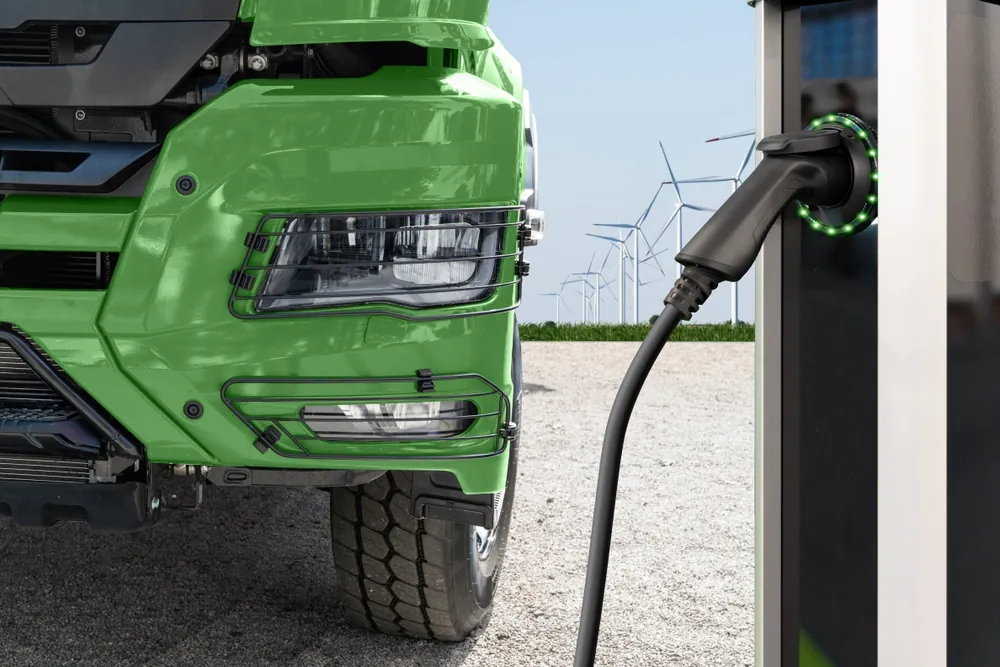
Passenger electric vehicles (EVs) are growing in popularity, so it’s no wonder that manufacturers like Volvo and Tesla are experimenting with electric battery-powered semi-trailers.
These trailers have high expectations: they produce zero tailpipe emissions, offer smoother acceleration and high torque, and require less maintenance than standard diesel trucks. However, electric semi-trailers are currently limited to private fleets. Infrastructure still lags, including heavy-duty charging stations. High upfront costs, heavy battery weight, and range limitations also limit BEV expansion.
Renewable Diesel
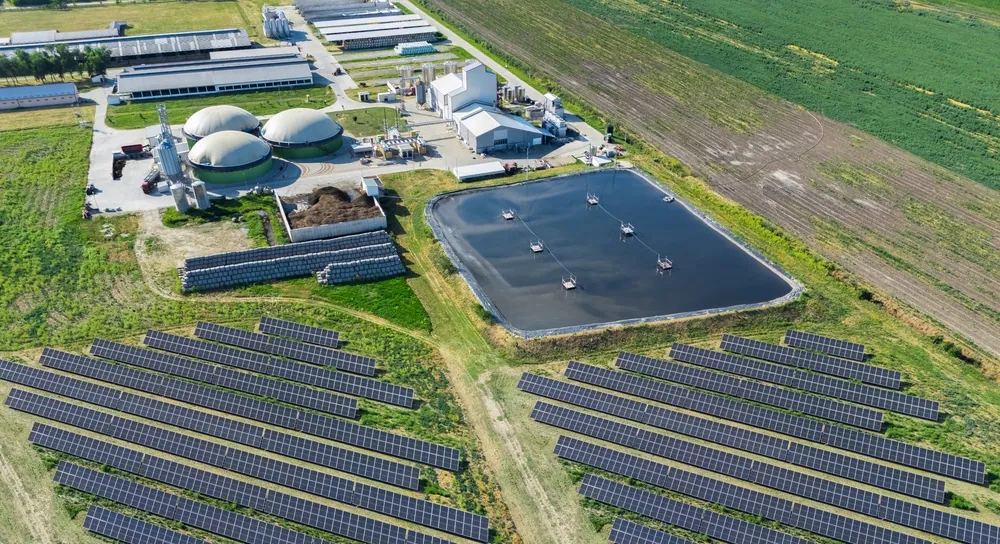
Petroleum diesel comes from crude oil, while renewable diesel is made from biomass such as used vegetable oils and animal fats. Chemically identical to petroleum diesel, it can replace it directly without engine modifications, reducing greenhouse gas emissions by 65% to 95% and offering better performance.
However, its adoption is limited by high production costs, requiring high-quality feedstock and specialized manufacturing equipment. States like California are implementing incentives such as the Low Carbon Fuel Standard to make alternative fuels more affordable and encourage their use.

Biodiesel
Biodiesel, made from animal fats and vegetable oils, is similar to renewable diesel in composition, but differs in production, engine compatibility, weather resistance, and emissions reduction. It is produced through transesterification, in which fats and oils react with methanol to form fatty acid methyl esters (FAME).
Biodiesel is typically blended with regular diesel in lower amounts, such as B5 (5% biodiesel) or B20 (20% biodiesel), making it a more affordable and accessible eco-friendly fuel option. However, it shares weaknesses with standard diesel fuel: it absorbs water too easily and gels in cold weather, which can harm engines. While it reduces carbon emissions, biodiesel increases NOₓ emissions by roughly 10% compared to standard diesel fuel.
Hydrogen
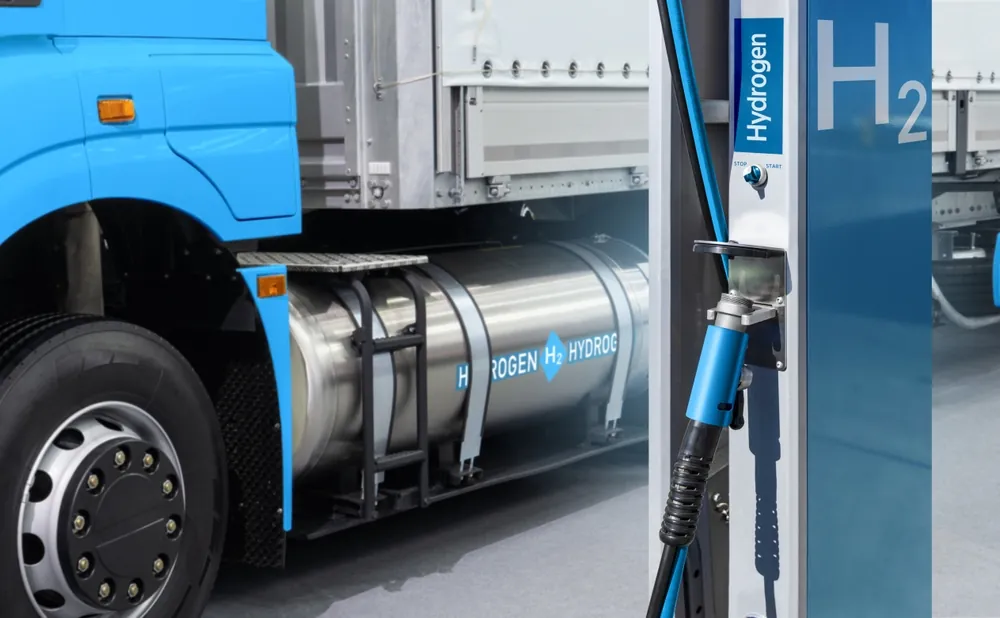
Hydrogen-fueled trucks use fuel cells to combine hydrogen gas with oxygen, generating electricity through an electrochemical reaction. This electricity powers an electric motor, producing only water vapor as emissions, making them extremely eco-friendly.
Additionally, hydrogen has a higher energy-to-mass ratio than standard diesel fuel, so hydrogen-fueled trucks are lighter and can carry larger loads. Refueling hydrogen trucks is also quick, taking only about 5 to 15 minutes to fill up.
High hydrogen production costs and limited infrastructure hinder its ability to replace diesel. However, industries like aerospace and manufacturing already use hydrogen fuel, and rising demand may encourage the freight transportation industry to invest in it and expand hydrogen fueling stations for freight trucks.
Natural Gas
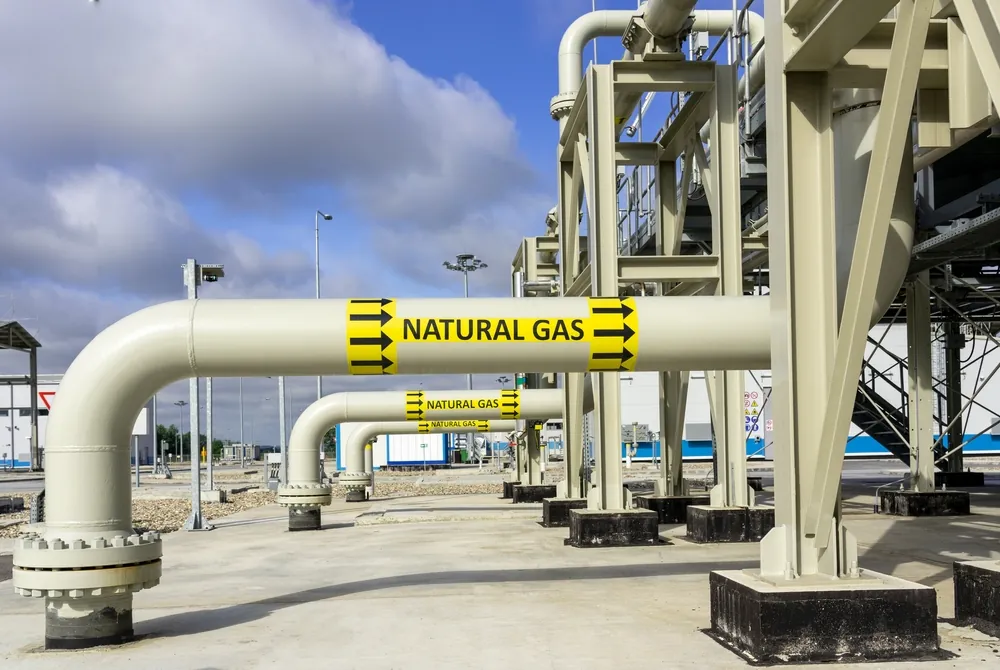
The current most commonly used alternative fuel source is natural gas. That’s because it is a versatile fuel that comes in several varieties:
– Renewable natural gas (RNG) is produced from landfills, animal waste, and organic matter. It captures methane that would otherwise be released into the atmosphere, making the fuel carbon-negative.
– Compressed natural gas (CNG) is sourced from fossil fuels and stored under high pressure for vehicles; it has been used for decades and has a stable, low price, but does release some emissions, though less than diesel.
– Liquefied natural gas (LNG) is almost exclusively methane-formed gas that is purified and chilled to a liquid state. The liquid is kept at approximately -260°F (-162°C) until it is needed, at which point it is warmed back to its gaseous form.
RNG and LNG can replace the more common CNG fuel without engine modifications and offer stable pricing. However, limited investment in natural gas engines and infrastructure prevents further expansion. Additionally, a larger tank volume than traditional diesel is required, increasing trailer weight and fuel consumption.

How to Reduce Emissions from Freight Transportation Right Now
Alternative fuel sources are key to freight transportation’s future. However, these fuels cannot adequately address the current emissions issue because of several factors, mainly infrastructure limitations and high upfront costs. If that option isn’t available, how can we reduce carbon emissions from freight transportation?
The answer lies in what we have now. If we can’t change the infrastructure, funding, or other assets we have now, we must get creative with what we do have. Here are a few strategies currently being used to cut carbon emissions from freight transportation.
Focus on operational efficiency: Optimizing logistics operations is an effective way to reduce carbon emissions in freight transportation, since minimizing freight movement is key. GPS, real-time traffic data, and route optimization software can identify the shortest, least congested routes, reducing unnecessary fuel consumption. Additionally, consolidating partial loads can maximize capacity utilization and prevent fuel waste caused by empty trucks.
Teach drivers: Drivers’ actions on the road significantly affect carbon emissions. Therefore, training for prospective drivers should focus on optimal driving techniques. This includes reducing idling, limiting speeding, and smoothing out acceleration and braking. By adopting these practices, drivers can avoid increased fuel consumption from reckless driving and become more aware of environmental regulations.
Maintain trucks regularly: Trucks that are not consistently maintained tend to consume more diesel fuel. Issues such as underinflated tires, misaligned wheels, and dirty air filters can increase wear on key components, making the engine work harder and raising fuel consumption. Schedule regular maintenance checks for all semi-trailers and promptly address any necessary repairs so trucks perform at peak efficiency.
Invest in vehicle upgrades: Vehicle upgrades can significantly improve truck fuel efficiency. Additional equipment and tools, such as roof fairings, side skirts, gap reducers, and low-resistance tires, play a crucial role in reducing fuel consumption. These upgrades reduce wind resistance and road friction, creating a smoother ride and lowering the fuel needed to overcome them.
Integrate intermodal transportation: Long-haul trucking accounts for a significant share of carbon emissions. Instead of relying exclusively on trucks, consider using alternative freight methods. Ocean vessels and trains are generally more fuel-efficient than trucks and can complement trucks for short-distance delivery (drayage). This approach can reduce travel time across all modes and lower emissions.

The Road to Cleaner Freight Starts Now
Reducing carbon emissions from freight transportation will not happen by simply eliminating diesel. The infrastructure, technology, and economics needed to fully replace it aren’t in place yet.
But that does not mean the freight industry has to wait for the perfect alternative. Cleaner freight can start with today’s available resources. Better route planning, fuller truckloads, smarter driving habits, regular vehicle maintenance, efficiency upgrades, and greater use of intermodal transportation can all reduce fuel consumption and emissions. At the same time, continued investment in electric, renewable, hydrogen, and natural gas technologies can help build the foundation for a cleaner future.
The transition will take time, but progress does not have to. Every gallon of fuel saved and every unnecessary mile avoided moves freight transportation closer to a more efficient, sustainable future.