

Whether by road, air, track, or sea, you can adopt steps to achieve a greener supply chain. The U.S. logistics industry is a tremendously important part of the economy. Consistent consumer demand means freight is always moving, leading to more energy demand and fuel consumption. Small business owners, supply chain managers, and almost everyone has started taking initiatives to reduce their carbon footprints and use environmentally friendly freight shipping.
Freight Shipping and Environmental Quick Facts
Becoming environmentally friendly in the freight shipping world can seem impossible. It’s especially daunting when we are faced with facts and figures:
- Out of the total global greenhouse gas emissions, transport accounts for a fifth of CO2 emissions.
- Freight transportation accounts for 11% of all global greenhouse gas emissions.
- Growing economies are expected to triple, and if nothing is done, freight will become the biggest emitting sector by 2050.
These trends and numbers are scary from a carbon footprint and environmentalism perspective, but there are plenty of methods to adopt that can counteract the above information for the future. Measuring your carbon footprint, warehousing sustainably, understanding which shipping options will work best for you, and getting some extra help from a shipping partner will put you well on your way to making your supply chain greener. Here’s how to get started.
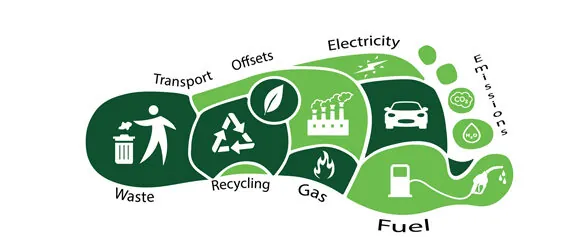
Measure Your Carbon Footprint
One of the most important things to do to make your supply chain greener is to measure your energy usage on your shipments. There are several factors to consider when you want to measure carbon emissions, which are something that both you and many freight carriers can consider. These carbon emissions measurements include:
Route efficiency—Be proactive when planning lanes. See which options take fewer miles and fewer moving parts logistically so you can get what you need moving while being eco-friendly. The less a shipment needs to travel and the less it needs to move between different trucks, the less fuel consumption.
Safe driving—Many truckers and carriers nowadays are taking initiatives to drive smarter, limiting the amount of carbon emissions they release. Mindful driving habits, like never exceeding the speed limit or idling, frequently reduce fuel usage. Using less fuel helps the environment and keeps costs down for carriers and shippers alike. Sustainable freight practices for the trucking industry are the future.
Technology—With the help of a powerful transportation management system (TMS), measuring energy usage is easier than ever. This allows you to plan for better route efficiency, save time, and reduce carbon emissions.
Achieve a Greener Supply Chain with Sustainable Warehousing
Packaging is a deal breaker when it comes to making your supply chain 20 times greener. There are unavoidable excess packaging materials, but in some cases, you can reuse and recycle more than you think. Here are some sustainable packaging tips:
Consolidate Your Shipments—Sending multiple half-empty trucks is bad for the environment and bad for your budget. Instead of shipping partial loads frequently, try to consolidate your freight. Less-Than-Truckload (LTL) shipping is an excellent green strategy. LTL combines your freight with shipments from other companies heading in the same direction. Fewer trucks on the road means lower overall carbon emissions.
Use less packaging—We want to ensure your freight arrives at its final destination in one piece, but all shippers tend to overpack cargo. Pack smarter by using the best type of materials for your shipment. Alternatively, seek out biodegradable, eco-friendly materials to pack with since some typical packing materials may not be recyclable.
Sustainable packaging—Speaking of eco-friendly packing materials, consider sustainable outer packaging materials. Shipping empty air hurts the environment and your shipping budget. Freight carriers base rates on freight class, weight, and dimensions. If you use oversized boxes and heavy pallets for small items, you take up valuable truck space. Shrink your packaging to fit the product. Use eco-friendly, lightweight packing materials. This simple step allows carriers to pack trucks tighter, reducing the total number of trips needed to move goods.
It’s better for the earth and your bottom line when reusables are utilized. Efficiency increases as well because these materials are made to be lightweight and easy to use, making them a perfect fit for fast-paced processing systems.
Smaller packaging and Proper waste management—By smaller, we mean properly measured packaging. When shippers pack, they use boxes or crates 40% larger than needed. Proper packaging eliminates wasted space, increases efficiency, and avoids wasting materials. There’s also a lot of cardboard waste in warehouse management. Instead of having only a large, front-load dumpster, take on recycling bins to properly dispose of recyclables.
Check out our free Guide to Freight Packaging for more expert tips on best freight packaging practices.
Eco-Friendly Best Practices
Understanding the basics of shipping, such as which shipping method to utilize or how to schedule pickups and deliveries, makes a huge difference in making your supply chain greener.
Ship TL when you can–Truckload shipping has many green advantages, such as consolidating your shipment and securing a truck dedicated to only your shipment. This means fewer stops between your shipment’s point A and point B. It’s a cost-effective measure, and minimizing freight space will also cut down on the emissions your shipment is putting out.
Look Into Intermodal Shipping–If your shipping timeline is flexible, intermodal shipping is a powerful way to reduce your carbon footprint. Moving freight by rail uses significantly less fuel than long-haul trucking over the same distance. Trains are highly efficient for moving heavy or large shipments across the country. Once the train reaches the rail yard, a truck handles the final local delivery. FreightCenter can help you coordinate intermodal freight options through our network of carriers.
Consider alternatives to air freight–Of all the modes of freight transportation, air freight has the most carbon emissions output, up to fifty times higher than ocean transport. If you’re going green, it’s best to stay on the ground if you can. Ocean freight shipping can also help if you’re shipping internationally, as it is a greener alternative to air freight.
Bonus: Using a Third-Party Logistics (3PL) Provider to Achieve a Greener Supply Chain
Route planning plays a massive role in supply chain sustainability. When you partner with a 3PL like FreightCenter, you get access to advanced logistics tools. Our platform helps find cost-effective options based on available carrier routes. By choosing carriers that already operate efficiently in your shipping lanes, you help reduce empty miles and unnecessary fuel burn.
As a third-party logistics company that knows how to make supply chains greener. Our powerful TMS and our extensive network of carriers and freight experts are working together to make freight shipping more sustainable for the planet. We are a member of the EPA’s SmartWay program dedicated to helping companies and their supply chains be more environmentally conscious and sustainable, and our award-winning history proves we are the go-to partner for green supply chains.
Go green today by getting a free online quote, or call us at 800.716.7608.