
Compare and Book Conestoga Freight Services
Get covered truckload protection without giving up side, rear, or overhead loading access.
FreightCenter helps you compare Conestoga options, book your shipment, and get expert help choosing the right trailer.
Compare Related Trailer and Truckload Services
Flatbed Freight Shipping Services Truckload Freight Services Step Deck Trailer Services Heavy Haul Shipping


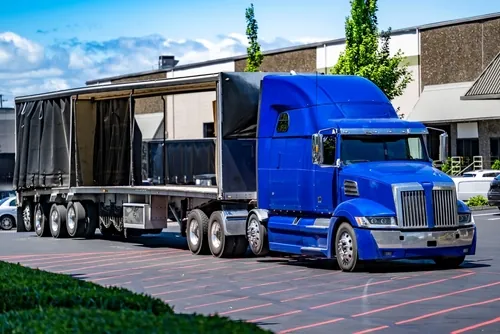
FreightCenter’s Conestoga Freight Services help you compare rates and book covered truckload transportation for freight that needs flexible loading access. A retractable tarp system helps protect the shipment from weather and road debris while allowing loading from the side, rear, or overhead.
FreightCenter can support one current load or help your team manage recurring Conestoga shipments through the same platform.





Thousands of businesses trust FreightCenter to move their freight faster, smarter, and cheaper! From unbeatable rates to top-notch service, our customers are raving about their shipping success.
See why they keep coming back!
Award-Winning Service, Trusted by Shippers Everywhere!
- 2021, 2017 & 2016 Food Logistics’ Top Green Providers
- 2021 & 2018 Supply & Demand Chain Executives’ Pros to Know: Matthew Brosious
- 2020 & 2019 Top Food Logistics’ 3PL & Cold Storage Provider Award
- 2020 & 2019 Business Observer’s Top 500 Companies on the Gulf Coast
- 2020 & 2017 SmartWay® Transport Partner
- 2020 & 2017 Food Logistics’ Champions: Rock Stars of the Supply Chain
- 2020 Best of Palm Harbor Awards for Local Businesses
- 2017 Green Supply Chain Award from Supply & Demand Chain Executive
- 2017 Tampa Bay Business Journal Heroes at Work
- 2016, 2015, & 2012 Food Logistics Top 100 Software and Technology Providers
- 2013 Tampa Bay Business 100 by Tampa Bay Business Journal
- 2013 Top 100 Great Supply Chain Partners by SupplyChainBrain
- 2012 TIA Samaritan Award Honorable Mention
- 2012, 2011 & 2010 TBBJ Fast 50 Recipient
- 2013, 2011, & 2010 Diversity Business Top Businesses
Why Repeat Shippers Choose FreightCenter for Conestoga Freight Services
Choosing a Conestoga trailer requires more than selecting covered equipment. Your freight dimensions, loading method, facility access, lane, and timing all affect which option makes sense.
FreightCenter helps you compare those details before you book, reducing the chance of requesting equipment that does not match the load.
Benefits:
- Compare available rate options: Review Conestoga transportation choices based on your shipment details instead of contacting providers one at a time.
- Confirm the right loading access: Identify whether your freight needs side, rear, forklift, crane, or overhead loading before pickup is scheduled.
- Protect weather-sensitive freight: Use a retractable cover when an open flatbed does not provide enough protection for machinery, metal products, building materials, or crated equipment.
- Get help with unusual loads: Work with a freight expert when dimensions, loading conditions, or delivery requirements make trailer selection less certain.
- Simplify recurring bookings: Keep your shipment details organized through FreightCenter when you regularly move similar products, lanes, or load types.
How Conestoga Trailer Shipping Works
A Conestoga trailer uses a flatbed-style deck with a retractable tarp system mounted on tracks. The cover slides away during loading, giving forklifts, cranes, and loading crews access from multiple directions.
After the freight is positioned and secured, the cover closes over the trailer. Proper blocking, bracing, and tie-downs must still follow applicable FMCSA load securement requirements. The retractable cover helps shield the shipment from rain, snow, dirt, sunlight, and road debris, but it does not replace proper securement. This helps shield the shipment from rain, snow, dirt, sun, and road debris without requiring crews to manually place and remove traditional flatbed tarps.
What You Need Before Requesting a Quote
Accurate shipment details help determine equipment availability and prevent avoidable changes after booking.
Have the following information ready:
- Pickup and delivery ZIP codes
- Requested pickup date
- Freight description
- Total shipment weight
- Length, width, and height
- Number of pieces, pallets, or crates
- Loading method
- Unloading method
- Pickup and delivery facility requirements
- Appointment or scheduling needs
- Any unusual handling instructions
Tell FreightCenter when a crane, forklift, loading dock, or ground-level loading area will be used. These details can affect trailer selection, scheduling, and the final rate.
Conestoga Trailer vs. Standard Flatbed
Choose a Conestoga trailer when your freight needs open-deck loading access and additional protection during transportation.
Choose a standard flatbed when:
- The freight can remain exposed during transportation
- Full access to every side must remain available
- The shipment exceeds the usable covered dimensions of a Conestoga
- Manual tarping is acceptable when protection is required
A Conestoga provides many of the loading advantages of a flatbed, but its retractable cover can reduce the work involved in applying and removing traditional tarps.
Conestoga Trailer vs. Dry Van
A dry van is often a better fit for freight that can be loaded through rear doors and fits within the trailer’s enclosed interior.
A Conestoga may make more sense when the freight:
- Cannot pass through standard rear trailer doors
- Requires side loading
- Requires overhead crane loading
- Has an irregular shape
- Needs covered transportation
- Would be difficult to tarp on a traditional flatbed
The best choice depends on the full dimensions of the freight, not only its total weight.
Freight Commonly Moved on Conestoga Trailers
Conestoga equipment is commonly considered for commercial products that need both protection and flexible loading access.
Examples include:
- Industrial machinery
- Manufacturing equipment
- Steel coils
- Fabricated metal
- Lumber and building materials
- Pipes and structural materials
- Crated equipment
- Palletized products
- Agricultural equipment
- Large commercial products
Carrier acceptance still depends on the shipment’s dimensions, weight, securement needs, and loading conditions.
Common Repeat-Shipping Situations
Conestoga Freight Services can support recurring business shipments when the product and loading process remain consistent.
Common situations include:
- Manufacturers moving finished machinery to customers
- Metal fabricators shipping coils, frames, or fabricated components
- Building suppliers serving contractors and distribution centers
- Equipment companies moving units between facilities
- Agricultural businesses shipping machinery or structural materials
- Industrial distributors replenishing customer locations
Repeat shippers should keep confirmed dimensions, loading instructions, facility notes, and contact information organized. This reduces repetitive data entry and makes future quote requests more accurate.
How FreightCenter Supports the Equipment Decision
FreightCenter helps evaluate the shipment details before transportation is arranged. Your team can compare Conestoga options, review complementary trailer types, and ask for help when the proper equipment is unclear.
That support is particularly useful when a load could move on more than one trailer type. A freight expert can help you compare covered access, loading requirements, available equipment, and cost factors before you book. Shipping Handled.
The right trailer depends on how your freight is built, loaded, protected, and delivered. Compare these complementary services before finalizing your equipment request.
Compare open-deck transportation for machinery, building materials, steel, and irregularly shaped freight.
Review enclosed trailer service for freight that fits through rear doors and does not require side or overhead loading.
Find open-deck equipment for taller freight that needs additional vertical clearance.
Plan transportation for oversized or overweight equipment that may require specialized trailers and additional coordination.
 Guaranteed competitive pricing every time you ship.
What Affects Conestoga Freight Shipping Rates?
Conestoga shipping rates depend on the shipment, lane, loading process, and available trailer capacity. There is no single standard rate for every Conestoga load.
Relevant pricing factors include:
- Shipment dimensions: Length, width, and height determine whether the freight fits beneath the retractable cover and within the usable deck space.
- Shipment weight: Heavier loads can affect trailer selection, carrier acceptance, fuel use, and securement requirements.
- Origin and destination: Total mileage, regional capacity, route conditions, and the balance of available equipment can influence the quote.
- Trailer availability: Conestoga trailers are specialized equipment, so availability can vary by market, lane, and requested pickup date.
- Loading method: Side loading, overhead crane loading, forklift loading, and other requirements may affect scheduling and equipment selection.
- Pickup requirements: Appointments, short receiving windows, jobsite access, and facilities without standard docks may affect the rate.
- Delivery requirements: Restricted access, appointment delivery, waiting time, and special unloading instructions should be included in the quote request.
- Timing: A narrow pickup window or short notice may limit the number of available options.
- Additional services: Extra stops, driver assistance, specialized securement, or other requested services may change the total cost.
- Shipping frequency: Recurring volume can help your FreightCenter representative understand your lanes, equipment needs, and booking process, but each load is still quoted according to current shipment conditions.
Frequently Asked Questions About Conestoga Trailer Shipping
Q. How do I get a quote for Conestoga Freight Services?
You can request a Conestoga quote through FreightCenter’s online quote form. Provide your pickup and delivery locations, dimensions, weight, freight description, loading method, and requested date so the available options can be evaluated.
Q. What information do I need to compare Conestoga rates?
You need accurate packaged dimensions, total weight, origin, destination, and loading requirements. Facility access, appointments, crane use, forklift availability, and special unloading instructions should also be included because they can affect equipment selection and pricing.
Q. Can I compare more than one Conestoga shipping option?
Yes, FreightCenter can help you compare available transportation options for your shipment. The number of options will depend on your lane, requested date, freight details, and available Conestoga capacity.
Q. Can I book a Conestoga shipment online?
Yes, you can begin the booking process through FreightCenter after reviewing your quote options. Confirm that the selected service reflects the correct dimensions, weight, loading method, addresses, and requested dates before booking.
Q. Is a Conestoga trailer better than a flatbed?
A Conestoga is better when the freight needs open-deck loading access and additional protection from weather or road debris. A standard flatbed may be more suitable when full exterior access is required, or the freight can remain exposed.
Q. Is a Conestoga trailer the same as a curtain-side trailer?
No, a Conestoga and a curtain-side trailer use different cover structures. A Conestoga’s tarp system retracts along the trailer, while a curtain-side trailer generally retains a fixed structural frame around movable side curtains.
Q. What freight can be shipped on a Conestoga trailer?
Conestoga trailers can move many types of commercial freight that need covered transportation and flexible loading. Examples include machinery, fabricated metal, steel products, building materials, pipes, crated equipment, and large palletized products.
Q. Can FreightCenter help with recurring Conestoga shipments?
Yes, FreightCenter can help businesses arrange recurring Conestoga shipments. Keeping consistent product dimensions, facility notes, contacts, and loading instructions can make future quote requests and bookings easier to prepare.
Q. Should I create a FreightCenter account for repeat shipments?
A FreightCenter account is useful for teams that ship repeatedly. The account can help you save quotes, store account information, access prior details, and book shipments online.
Q. Can I speak with someone before choosing a trailer?
Yes, you can ask FreightCenter for help evaluating the equipment requirements. Expert support is useful when you are comparing a Conestoga with a flatbed, dry van, step deck, or heavy haul trailer.
Q. Why does Conestoga trailer availability affect the rate?
Availability affects the rate because Conestoga trailers are specialized equipment. The number of suitable trailers near the pickup location can vary based on the lane, timing, region, and current demand.
Q. What is the next step after receiving a Conestoga quote?
The next step is to review the proposed equipment, rate, shipment details, and service requirements. Once you select an option, confirm the pickup and delivery information and complete the booking process with FreightCenter.
3 Things You Probably Didn’t Know About Conestoga Freight Services

Loading Access Can Matter More Than Total Weight
A shipment may be within a trailer’s weight range but still need Conestoga equipment because it cannot pass through dry van doors. Confirming how the freight will be loaded can narrow the equipment choice before rates are compared.

The Retractable Cover Reduces Manual Tarp Work
A Conestoga cover opens and closes along a track, removing the need to place a traditional flatbed tarp over the freight by hand. This can make loading and unloading more practical for facilities that ship covered open-deck freight regularly.
One Consistent Load Profile Can Simplify Repeat Quotes
Businesses that repeatedly ship the same product can reuse confirmed dimensions, loading instructions, and facility notes when preparing future quote requests. Only the lane, date, quantity, weight, and changing service conditions may need to be updated.