
Should Animals Be Freight Shipped?
When we typically think of freight shipping, images of trucks carrying pallets and containers of goods may come to mind. But what happens when the freight has a heartbeat? You may not think about it, but every day, livestock is transported across borders while exotic animals are moved for conservation research.
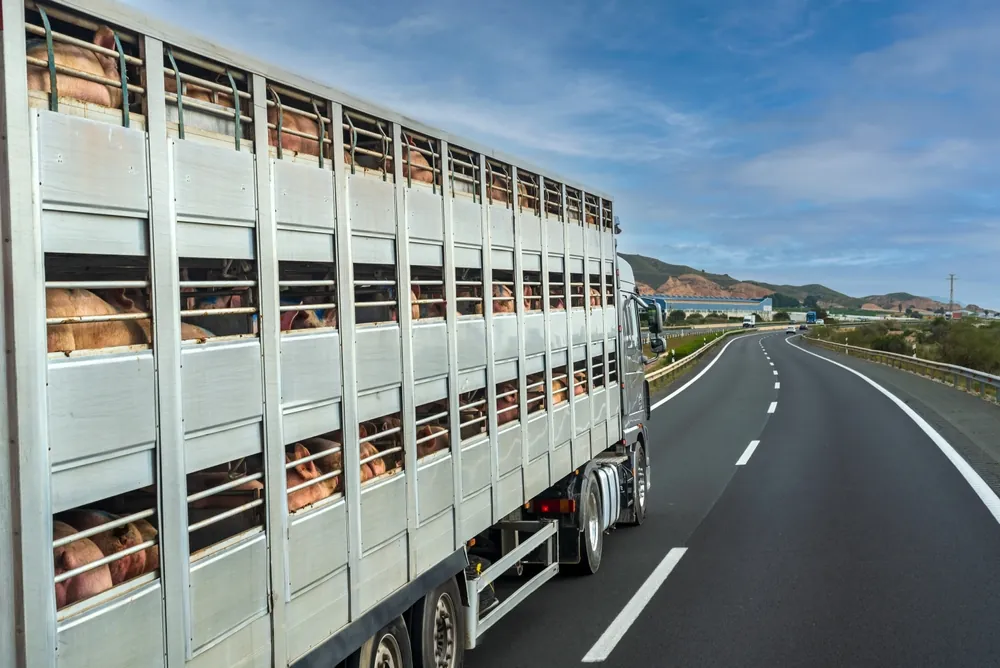
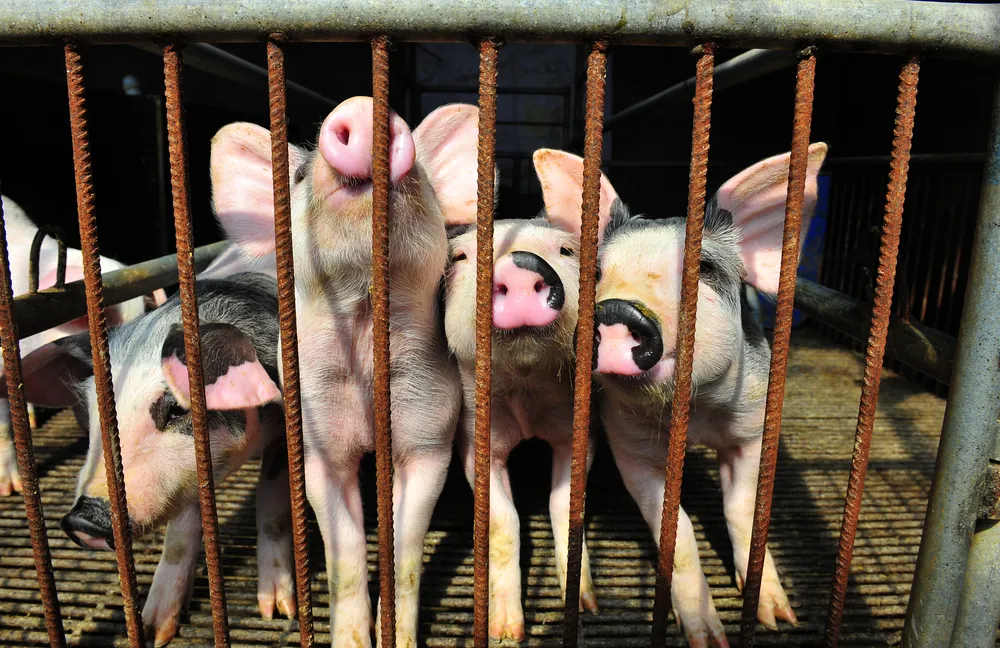
Animals are transported via air, land, and sea using specialized methods and precautions to ensure their safety, comfort, and well-being during transport. Even with strict protocols in place, some ethical concerns persist regarding animal welfare, including food and water deprivation, overcrowding, and extreme temperatures.
The question remains: Is it ethical to transport animals like freight? Are animals truly safe when being shipped, or are the issues with transporting animals via freight large enough to consider a full ban? Let’s examine the reasons behind animal freight shipping and how it works to draw our conclusions.
Why Do We Need To Transport Animals?
For hundreds, even thousands of years, animals have been transported across countries and continents for a multitude of reasons. What once began as humans using pack animals to carry supplies for military and trade use eventually evolved into shipping animals across seas for colonization.
Today, we ship animals for a multitude of reasons with some of them being vital to various industries. For example, cows, pigs, and chickens are transported between farms, markets, and slaughterhouses as part of the food production process. Without the transportation of these animals, the shelves that hold meat and eggs in grocery stores would be empty.
The same goes for conservation and research efforts. Zoos, aquariums, and wildlife reserves often rely on the transportation of animals for rehabilitation purposes, maintaining genetic diversity, and even reintroducing animals into the wild. Animals are also transported for ecological research and medical studies that can lead to breakthroughs in both human and animal health.
Although there are different viewpoints regarding animal transportation, it’s an essential step in global supply chains and innovative research.

Ethics and Regulations Surrounding Freight Shipping Animals
When it comes to transporting animals, whether it be smaller animals like birds or larger ones like horses, there are strict regulations in place for both domestic and international shipping.
First and foremost, a health certificate from a USDA-accredited veterinarian is required to confirm that the animal or animals are healthy enough to travel. This includes receiving vaccinations for certain diseases, such as rabies. Being up-to-date on vaccinations is a significant credential, not only because it protects the animal from harm, but also prevents the spread of diseases to other animals or humans.
Along with a health certificate, additional documents and permits are required, especially if shipping internationally. These include import permits, test results, an international health certificate (if applicable), and a paid shipping label.
Not only must shippers have the required paperwork, but they also must follow strict container requirements. The container must:
– Be sturdy
– Be escape-proof
– Have proper ventilation
– Be large enough for the animal to stand, sit, lie down, and turn around.
Some standard containers include pet carriers for smaller animals and crates for larger ones. For animals being transported for research purposes, also known as Specific Pathogen Free (SPF) animals, they are commonly shipped in specialized laboratory containers equipped with air filters and viewing panels.
Airlines and shipping companies have strict temperature policies when it comes to shipping live animals. Warm-blooded animals generally cannot be shipped if temperatures are above 85 degrees Fahrenheit or below 45 degrees Fahrenheit, with exceptions for acclimated animals under specific conditions.
Having adequate space, ventilation, and temperature control in these containers is crucial to the animals’ welfare throughout the journey.
If shipping within the U.S., the Animal and Plant Health Inspection Service (APHIS) regulates the transportation of animals in commerce under the Animal Welfare Act (AWA). The Centers for Disease Control and Prevention (CDC) also has rules for certain animals imported into the U.S. that can transmit diseases to humans.
Government officials have also passed federal laws to protect animals during transit. For example, the 1873 Twenty-Eight-Hour Law, later amended, requires livestock to be offloaded for at least five consecutive hours to get feed, water, and rest that is being transported for longer than 28 hours.
However, for long-distance journeys, animals are commonly shipped via air because it’s quicker and less stressful for the animals.
While there is always room for improvement, laws and regulations, are in place to ensure safe and ethical animal transport, and efforts by organizations and government officials continue to promote humane standards.
Are There Alternative Solutions?
When it comes to animal transportation, are there alternative solutions for those who don’t fully support it? Surprisingly, the industry has developed alternative methods to achieve specific goals that typically require animal transportation. While these approaches aren’t yet mainstream, they offer viable options for those seeking to avoid the transport of animals.
Localizing the sourcing of livestock and other animal products can reduce the need for long-distance transport. Not only does it minimize the journey, but it is also more sustainable.
For breeding purposes, scientists turn to artificial insemination/embryo transfer, which allows for breeding without having to move any animals. This alternative reduces stress on the animals and lowers the risk of disease transmission.
When it comes to conservation efforts, experts also recommend focusing on habitat restoration instead of relocation.
These alternative represent the future of creating more sustainable and efficient systems that reduce reliance on traditional animal shipping methods.
Conclusion
While animal shipping remains an integral part of global industries such as agriculture, research, and conservation, it also presents ethical and logistical challenges and concerns.
There is no straightforward answer, but as technology advances and awareness of animal well-being grows, there is a clear opportunity to enhance existing transportation practices and explore alternative, more sustainable options. Whether transporting animals locally or internationally, one thing is clear: animal-related industries must prioritize both animal welfare and efficiency.