

Introduction
Summer means an increase in shipping. Whether it’s retail, e-commerce, produce, tourism, or back-to-school freight theres going to be shipping increases. Higher demand can tighten capacity and increase costs. Temperature-sensitive freight faces additional risks from being exposed to extreme heat. 2026 brought heavy e-commerce and freight-rate pressure. For example, the June 23-26 Prime Day generated more than $26.4 billion in U.S. online spending, and that’s up 9.3% year over year.
How Does Summer Affect Freight Shipping
Summer shipping demand can increase freight volumes, tighten available truck capacity, raise transportation costs, and create more pressure on warehouses and final-mile networks. Summer drives demand for many retail and e-commerce products. This is because consumers are taking a lot of vacations, there is more tourism, holidays like the 4th of July are being celebrated, and there is also the preparation for back-to-school. In 2026 U.S. retail sales have continued growing during June and July. June retail sales were up 9.41% year over year in the National Retail Federations (NRF) retail monitor. Also, July marked the 10th consecutive month of retail-sales growth. Prime day generated $26.4 billion in four days.

Summer Events Added More Demand in 2026
This year there were quite a few events that contributed to an even higher demand for freight. First, the 2026 FIFA World Cup added more demand as well as the 4th of July being America’s 250th anniversary. Also, summer travel and tourism increased the demand for freight. Major retail promotions like Amazon Prime Day also contributed to higher freight demand in 2026. Last but not least, back-to-school shopping was also a summer event that added more demand for freight in 2026. As mentioned previously, the National Retail Federations (NRF) retail monitor noted that the World Cup and America’s 250th anniversary created additional reasons for consumers to spend during summer 2026.
Produce Season Tightens Refrigerated Freight Capacity
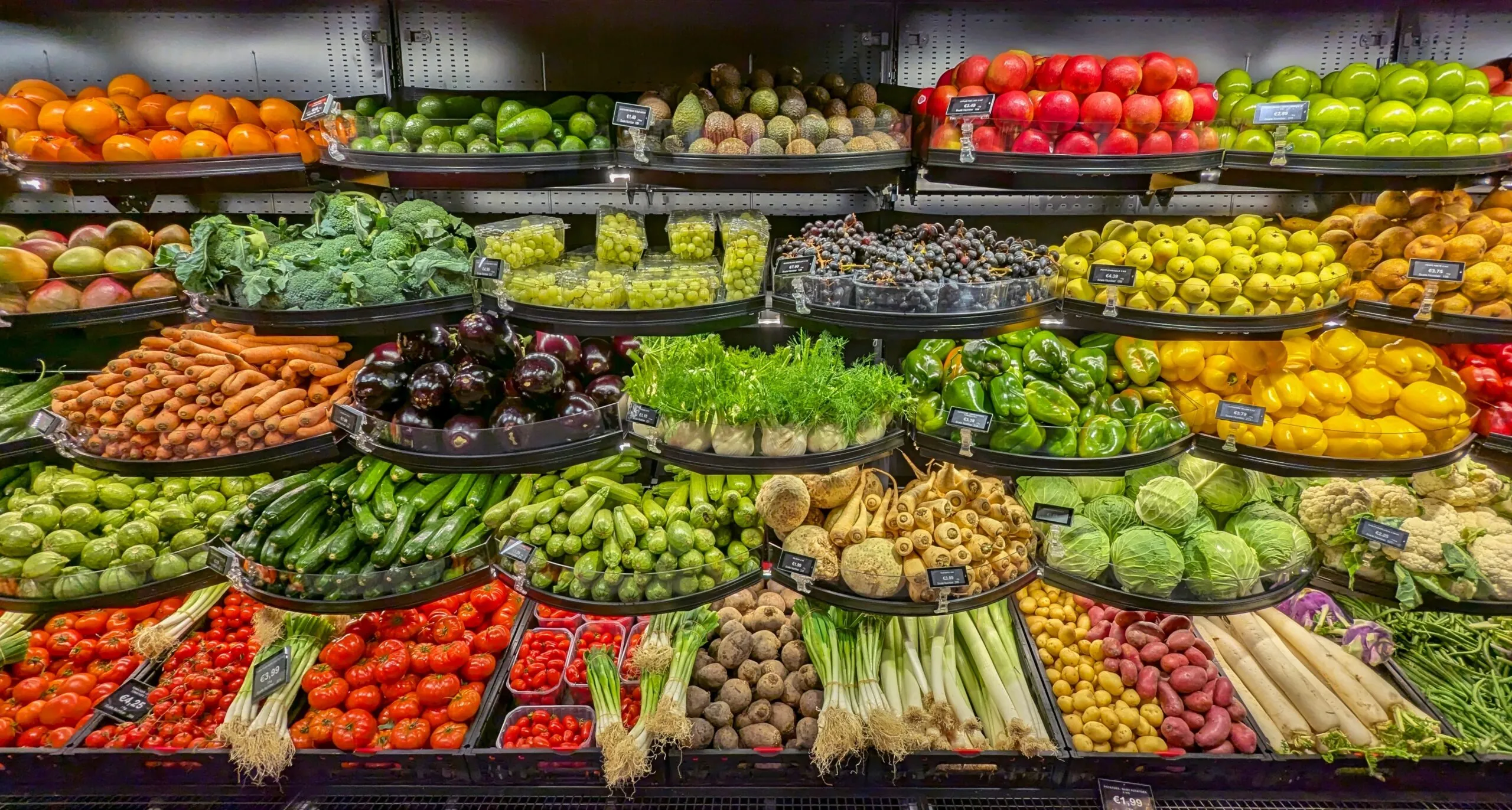
It’s important to note that summer doesn’t just bring about an increase in demand for retail products. It’s also a time of increased demand for produce freight. From late spring to summer, produce season kicks into high gear. And while each region in the U.S. sees a surge in demand, states like California, Florida, and Texas experience particularly heavy outbound freight as fruits and vegetables hit the market. The need to ship produce across the country drives up the demand for reefer trucks, which can not only limit truck availability but also inflate shipping rates in those produce-heavy regions. While the summer months bring the warmest weather, high heat can make certain goods like produce, pharmaceuticals, or other perishable goods more vulnerable to spoilage or damage than in the colder months. Regional freight capacity changes quickly during the summer because fresh produce harvests move geographically across the country on strict, time-sensitive schedules.
What Happened to Reefer Rates in Summer 2026?
In August 2026, reefer rates went up for most of the summer because produce season and tight truck capacity kept pressure on refrigerated freight. In August 2026, the reefer spot linehaul, or the charge for moving the freight from origin to destination, averaged around $2.63-$2.65 per mile excluding fuel. Rates also stayed about the same, at about 32%-38% above 2025 levels at different times in August. They were also roughly 25% above the nine-year seasonal average. Produce-related capacity also shifted geographically. For example, in June, Georgia entered its produce season with trucks reported in shortage conditions as Florida volumes declined.

How Summer Heat Affects Temperature-Sensitive Freight
Summer heat affects temperature-sensitive freight in many different ways. Produce can spoil, and food and beverages can degrade. Also, temperature-sensitive items like pharmaceuticals could certainly succumb to high temperatures, considering these types of products need to be kept at a controlled temperature. Also, a delay at loading docks can lead to freight being affected by high temperatures and spoiling. This is why it’s important to partner with a company that offers refrigerated freight and temperature-controlled shipping.
In order to try and prevent this from happening, shippers should confirm a few things. First, they should express their product temperature requirements and confirm that the freight company has the capacity to adhere to those temperature requirements. They should also confirm the refrigerated equipment availability. Packaging and insulation are important, as is transit time. Make it clear what pickup and delivery appointments are needed, as well as contingency plans for shipment delays.
Fuel Costs Added Pressure to Summer Shipping
Rising fuel costs added pressure to summer shipping. Energy Information Administration data (EIA) shows that U.S. on-highway diesel averaged about $4.96 per gallon in July 2026. The average increased to about $5.46 in August. Also, it should be noted that higher diesel costs can influence fuel surcharges, carrier operating costs, truckload rates, and long-distance freight budgets.
Summer Imports Put Pressure on Ports and Inland Freight
Retailers have brought merchandise into the country earlier in 2026. This is because Importers were responding to tariff and supply-chain uncertainty. July was initially expected to set a container-import record. These imports include those involving drayage, warehousing, truck capacity near ports, and inland freight movement.
Severe Weather Can Still Disrupt Summer Freight
2026 Hurricane Outlook
National Oceanic and Atmospheric Administration (NOAA) ‘s August update gave the 2026 Atlantic hurricane season a 75% chance of below-normal activity. It also forecasts 7 to 13 named storms, 2 to 6 hurricanes, and 0 to 2 major hurricanes. A quieter overall season does not mean zero freight risk. One storm can still close a port, disrupt highways, delay warehouse operations, or force carriers onto alternate routes.
Summer Freight Shipping Checklist
 Book transportation early
Confirm equipment availability
Verify packaged weight and dimensions
Check temperature requirements
Confirm appointments
Monitor weather
Track freight
Prepare alternative routes or carriers
Communicate delays quickly
What Affects Summer Freight Rates?
| Factor | Why It Matters |
|---|---|
| Seasonal Demand | More freight can tighten available carrier capacity. |
| Produce Season | Higher produce volumes can increase demand for refrigerated trailers. |
| Fuel Prices | Higher fuel costs can increase carrier expenses and fuel surcharges. |
| Equipment Type | Reefer and specialized equipment may cost more when availability is limited. |
| Shipping Lane | High-demand regions may experience tighter capacity and rate pressure. |
| Weather | Storms and extreme weather can disrupt routes and reduce available capacity. |
| Delivery Timing | Urgent or time-sensitive freight may require expedited service. |
| Port Activity | Import surges can increase regional demand for drayage, trucking, and warehouse capacity. |

How FreightCenter Helps With Summer Shipping
FreightCenter helps businesses manage summer shipping by comparing carrier options and arranging the right service for each shipment, including LTL, truckload, refrigerated, expedited, and other time-sensitive freight. Shippers can also track shipments throughout transit, making it easier to stay informed and adjust when seasonal demand, weather, or capacity disruptions affect delivery plans. Seasonal demand, tight capacity, high temperatures, and changing market conditions can make summer freight more complicated. Compare carrier options and find the right shipping solution with FreightCenter.