
New Year, Greener Freight: Sustainability Goals for 2026
New year, new fuel! As we ring in 2026, let’s talk about our goals. For logistics, they are different from everyone else; we aren’t trying to start a new hobby, but we are still making goals – specifically, for greener freight.
What does “greener freight” mean? Green freight transport refers to the adoption of sustainable practices and technologies within the logistics and transport industry to enhance the environmental impact of moving goods. We focus more on subjects of sustainability, such as fuel efficiency, EV fleet updates, and carbon tracking.
As we enter 2026, the previous greenhouse movements are continuing forward! These continuations are technology integrations (including the shift to AI logistics coordination), the shift to sustainable fuels and fleets, along with Carbon Tracking. What are they currently doing, and how are they impacting our 2026 goals?
From goals to action, let’s see how we did in 2025!

Artificial Intelligence
In 2025, we had monumental growth in the use and ability of artificial intelligence across many industries, such as medical, educational, and artistic. With that progress, AI meets Freight, a match made to last. With AI innovations, we are continuing this growth, used for Route Optimization, Freight Demand Forecasting, AI-Driven Pricing and rates, along with many other new AI Freight Skills. The skills will be developed further in the goal of automation, which had been a goal of 2025- automated warehouses and distribution, but that is still in development.
In 2026, the industry goal is to quit talking about going automated and to do so. To create major infrastructure using AI as an everyday tool and system rather than a single-use pilot. To embed the tool into the daily freight infrastructure, allowing the AI to run continuously and develop and monitor dispatching, pricing, and planning with real‑time intelligence, optimization, and execution across the full freight lifecycle. From there, other uses are for logistical purposes, such as management processes and distributions.
Sustainable Fuels
Last year, we focused on shifting away from fossil fuels and on introducing Biofuels. This was followed by the movement to have companies adopt these biofuels on a widespread basis. When it comes to freight transport emissions, the type of vehicle, fuel, and load make a considerable difference to the estimated carbon footprint for that journey.
Based on fuel alone, we see changes in emissions produced when compared to Electricity based on a coal grid, Conventional Diesel, and Liquefied natural gas averaged a range of 74 gCO2e/tonne-km to 84 gCO2e/tonne-km above that of Electric Usage from a renewable source and Biodiesel being an average of 3 gCO2e/tonne-km and 100 gCO2e/tonne-km, respectively, electricity from a renewable source is the better alternative.
Other 2025 sustainable goals were expanding those renewable energy sources and supporting fleet transition strategies. What was achieved was that biofuels emerged as the strongest near-term decarbonization options, outperforming hydrogen and even some battery‑electric pathways in life‑cycle emissions for 2025–2080, leading to long-haul trucking making significant progress in the adoption of these fuels.
This year, plans to continue with the momentum from the long-haulers and push for further adoption of biofuels throughout the industry. This is to be done with fleet transitioning and decarbonization efforts expanded.
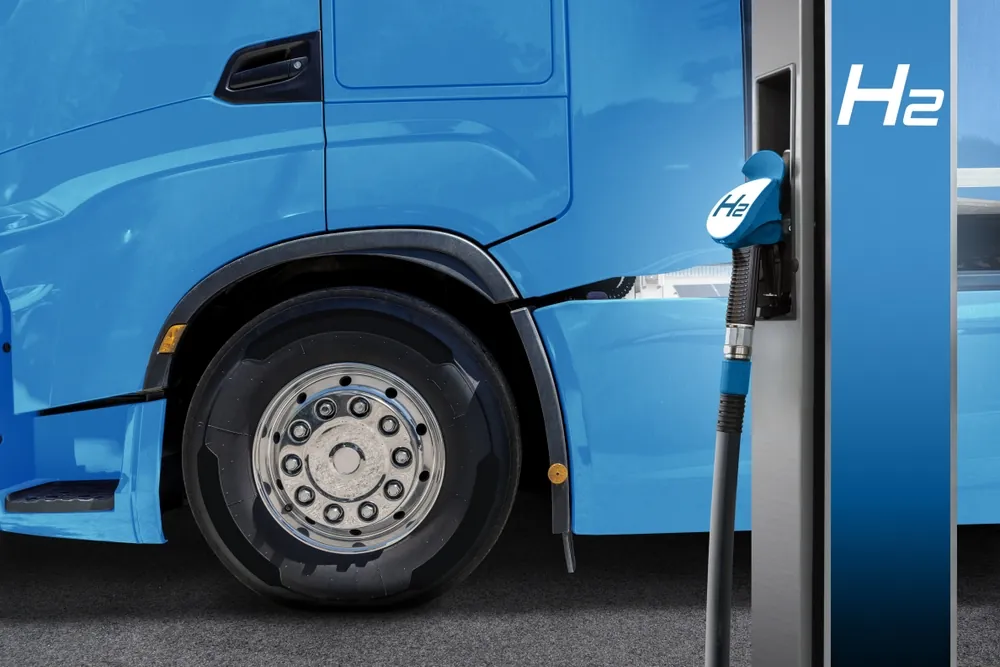
Through customer influence and a call for environmental reform, this has led to industries across the board to set goals to lower emissions produced by fuel. Other upcoming goals include supporting zero‑emission freight corridor planning, which includes fueling infrastructure for low‑carbon fuels alongside EV charging and hydrogen stations.
EV Fleets
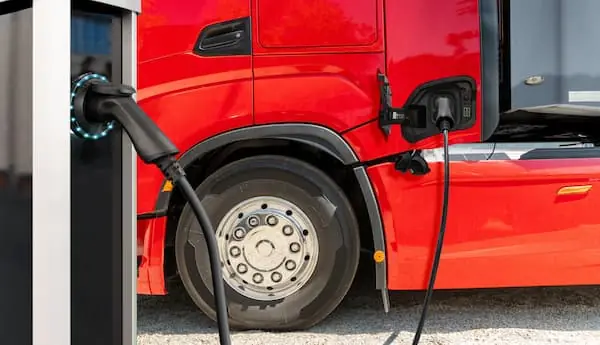
As part of logistics sustainability goals, we are seeing more carriers transition to Electric Fleets, using electric cars, vans, or trucks to do deliveries and pickups. In 2025, we saw an increase in the use of electric vehicles. This has made a turn due to its convenience; compared to traditional fuels, electric vehicles are more expensive to maintain and produce toxic emissions.
To many, the upfront costs may be a deterrent, but with Total Cost of Ownership (TCO), they often prove more economical over time. EVs have lower maintenance costs since they don’t require oil changes and have fewer moving parts, resulting in reduced repair and upkeep expenses. The financial stability of not having to consider the frequent fluctuation of gas prices is another perk that traditional fuels do not offer. In 2025, as we see some EV fleets being released, we are beginning to see the pros and cons of integrating those vehicles in daily usage.
In 2026, the movement continues forward, taking EV fleets from an idea, an experiment, and making them a reality. Electric vehicles lessen emissions and have an overall lower rate of operational costs. Even with higher upfront costs, EVs often reach ROI in 18 months due to fuel and maintenance savings. As the new year unfolds, EV fleets are no longer just a sustainability ambition—they’re becoming a practical, scalable solution reshaping how freight moves every day, as well as scaling low‑emission fuel technologies such as Bio‑CNG, Bio‑LNG, and HVO as part of a diversified fuel mix for 2026 and beyond.
Carbon Tracking
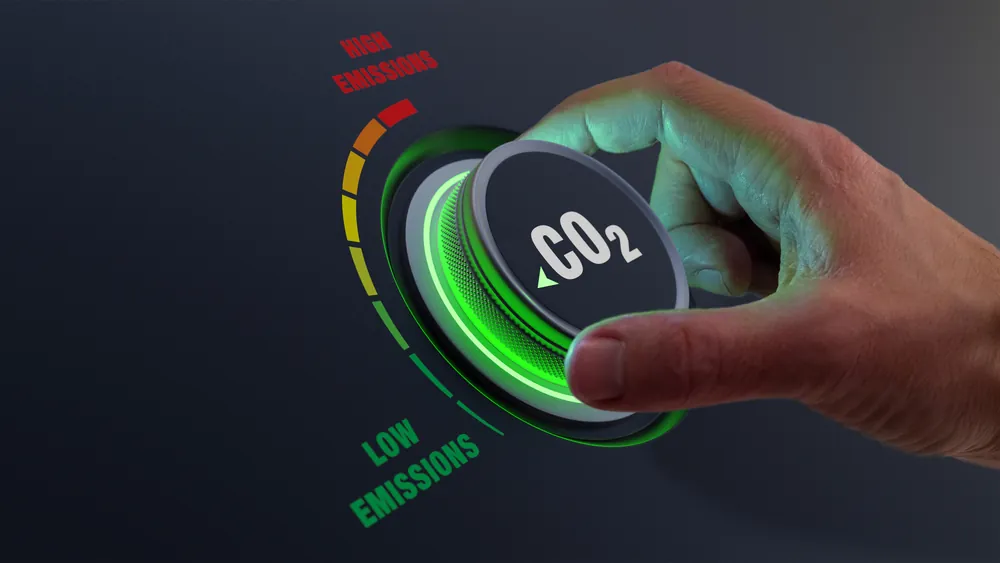
It was a big year for carbon tracking. We entered 2025 with goals of establishing decarbonization targets, standardizing carbon measurements across fleets, and building a foundation for Zero-Emissions. How did we do? Well, let’s see. More carriers adopted CO₂ tracking tools and began reporting emissions to shippers — a key Smart Freight Centre milestone. This allowed officials to base regulations on actual emissions rather than estimates, making them more effective. Working hand in hand with the EPA, they implemented vehicle standards to limit the emissions produced by newly produced trucks. They established goals for national and state levels for what logistics carriers must follow. To ensure this takes place, they have also implemented compliance requirements.
In 2026, our goals get even bigger! With real-time shipment-level monitoring, the goal is to track CO₂ per shipment, per lane, per mode—not annual averages. This aligns with Smart Freight Centre’s push for granular emissions data using innovative technology such as real-time shipment-level carbon tracking. We now face the challenges of integrating carbon tracking into TMS and Fleet systems and using Carbon data to guide operational decisions to help prepare the industry for Zero-emission trucking at a larger scale.
Real-time Carbon Tracking implementation would allow us to see which trips and routes are causing the most emissions and identify ways to reduce them. Leading into integrating the carbon tracking into TMS and fleet management systems. Automating the way we track our emissions through data collection and system integrations.
Zero‑emission trucking in 2026 focuses on scaling early progress from 2025 by identifying ZET‑ready corridors, tracking real‑world emissions reductions from the initial start of the movement, and evaluating the infrastructure’s ability to handle these integrations. These steps help fleets transition from small pilots to practical, scalable zero‑emission operations.

Conclusion:
While 2025 did all the heavy lifting for our 2026 sustainability goal, we still have much growth to do. The freight industry is entering a new era in which sustainability is no longer a future goal but an active, measurable objective. With more innovative fuel-efficiency strategies, the rapid adoption of EV fleets, and more accurate carbon tracking than ever before, logistics is becoming cleaner, more efficient, and more accountable. This year is all about turning progress into practice, building systems, adopting technologies, and making choices that move freight forward while reducing its environmental impact.
Greener freight in 2026? Sounds like the only thing we won’t be hauling this year is unnecessary emissions.