

How to Make Salt Shipping Easier and More Affordable
Salt may seem simple, but shipping it takes planning. Whether you are moving road salt, bagged salt, water softener salt, food-grade salt, pool salt, or industrial salt, the shipment needs to be protected from moisture, packed correctly, and matched with the right transportation method.
Salt is heavy. It can absorb moisture. Some types must stay clean and dry. Bulk salt may require different equipment than bagged salt. Because of that, the best way to save money is to prepare the shipment correctly before it is picked up.
Here is how to make salt shipping easier, safer, and more cost-effective.
Why Salt Shipping Takes Planning
The biggest challenges with salt shipping are weight and moisture. Even a small salt order can become heavy quickly, and moisture can cause clumping, product damage, packaging issues, and handling problems.
Salt shipments may include:
- Bagged road salt
- Bulk road salt
- Food-grade salt
- Water softener salt
- Pool salt
- Industrial salt
- Agricultural salt
- Deicing products
Each type may have different packaging and handling needs. Bagged salt is often shipped on pallets, while bulk salt may need larger equipment, bins, hoppers, or containers. Food-grade salt may also need cleaner handling and stronger contamination protection.
How to Prepare Bagged Salt for Shipping
Preparing salt for shipment is one of the most crucial ways to keep costs down.
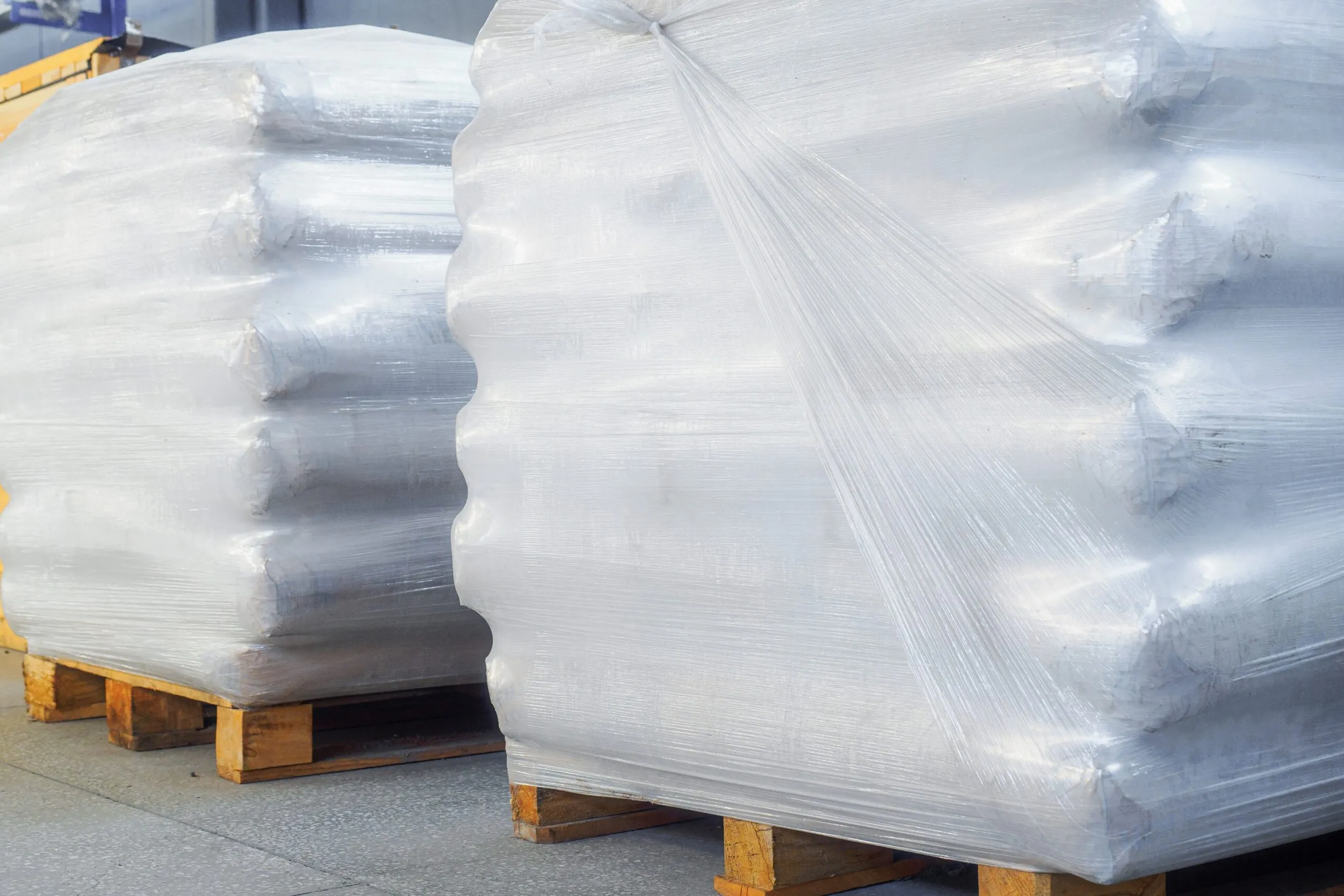
If shipping a few pallets of bagged salt, make sure the salt is packaged in woven polypropylene bags or vacuum-sealed plastic bags. The bags should also be waterproof and UV-resistant. Place the bags onto the pallet evenly, then place plastic sheets overtop as extra protection. Finally, wrap the bags and pallet with shrink wrap tightly to keep out humidity.
If shipping salt in bulk, bagging isn’t needed. The salt will be dumped into containers or vessels large enough to hold it. It’s best to make sure these containers have been thoroughly cleaned and dried and have plastic or waterproof liners to protect against corrosion and contamination.
Properly preparing the shipment helps lower any chances of damage occurring to the salt. Preventing damage is a wise money-saving option, investing in your goods without worrying about having to spend any more money on an extra shipment.
| Preparation Step | Why It Matters |
|---|---|
| Use strong bags | Woven polypropylene or durable plastic bags help protect salt from tearing and moisture. |
| Stack pallets evenly | Even stacking keeps the load stable and easier to move by forklift or pallet jack. |
| Protect against moisture | Plastic covers, liners, or moisture-resistant wrap help prevent clumping and product damage. |
| Wrap the pallet tightly | Shrink wrap helps keep bags from shifting, sliding, or falling during handling. |
| Measure after packing | Freight rates are based on the final packed size and weight. |
How to Prepare Bulk Salt for Shipping
Bulk salt is handled differently than bagged salt. Instead of individual bags, the salt may move in bins, containers, hoppers, or other bulk equipment depending on the shipment size and route.
The main goal is to keep the salt dry and prevent contamination. Containers should be clean, dry, and ready before loading. If the salt is sensitive to moisture or product purity, liners or covered equipment may be needed.
Bulk salt shipping works best when you confirm:
- Total shipment weight
- Loading method
- Unloading method
- Equipment needed
- Moisture protection
- Pickup and delivery access
- Whether the site can handle bulk delivery
- Any product-specific handling needs
This is especially important for road salt, industrial salt, and high-volume seasonal shipments.

Choosing the Right Salt Shipping Method
With so many options on how to ship salt, it can get tricky figuring out what transportation method works best and is most cost-effective.
| Shipping Method | Best For | Why It Works |
|---|---|---|
| LTL Freight | A few pallets of bagged salt | You only pay for the trailer space your shipment uses. |
| Partial Truckload | Mid-sized salt shipments | Useful when the shipment is too large for standard LTL but does not need a full truck. |
| Full Truckload | Large bagged salt orders or bulk shipments | A dedicated trailer can move larger quantities with fewer handling points. |
| Rail or Intermodal | High-volume, long-distance salt shipments | Can be cost-effective for large, heavy shipments when timing and lane access work. |
Shipping salt in bulk narrows your options, but there are several ways you can save money. Rail transportation is the most cost-effective option, especially for longer trips. Hopper bottom rail cars can hold between 97 and 100 tons of salt. If transporting salt short distances, dump trucks or hopper bottoms are best. They can hold between 22 and 26 tons of salt. If your operations are on the coast, barges can easily bring and pick up salt.
For smaller and bagged salt shipping methods, you have more flexibility. Depending on how many pallets you’re transporting, you can choose between Less-Than-Truckload (LTL) and Full Truckload (TL). A standard truckload of salt is around 18 pallets. If your operations don’t require that, LTL is your best bet. With LTL, you save money by paying for the space only you utilize, not the entire truck.

Simple Ways to Lower Salt Shipping Costs
Preparing salt for shipment and choosing the right transportation method are only a small fraction of cost-saving tips.
– Choose Bulk Shipping: Instead of shipping several small orders, combine orders to save money. If unable to do so, LTL shipping is the best option.
– Choose Rail Transport for Longer Distances: you can ship more salt at further distances for less money.
– Buy and Ship During the Off-Season: buying rock salt months in advance allows you to save money through buy-early discounts. You should also buy salt for food during times when commodity prices are stabilized and low.
– Monitor Weight Limits: if your shipment is over the weight limit, you may be subject to fines. Make sure you are within the parameters.
How FreightCenter Helps With Salt Shipping
You do not need to compare freight options on your own. FreightCenter helps shippers review salt shipping options based on shipment size, weight, route, packaging, and delivery needs.
FreightCenter can help with bagged salt, palletized salt, bulk salt, road salt, water softener salt, pool salt, food-grade salt, and industrial salt shipments. Depending on the load, we can help compare LTL, partial truckload, full truckload, intermodal, and other freight options.
Before getting a quote, have these details ready:
- Pickup ZIP code
- Delivery ZIP code
- Total shipment weight
- Packed dimensions
- Number of pallets or containers
- Salt type
- Packaging type
- Pickup and delivery location type
- Loading and unloading needs
- Required delivery date
With the right information, FreightCenter can help you compare options and choose a freight service that fits your shipment.
Final Thoughts: Make Salt Shipping Easier
Salt shipping is easier when the shipment is dry, secure, accurately measured, and matched with the right freight method. Bagged salt needs stable pallets and moisture protection. Bulk salt needs clean, dry equipment and clear loading and unloading plans.
If you are shipping salt for a business, retail store, municipality, farm, pool supply company, or landscaping operation, FreightCenter can help compare freight options and get your shipment moving.
Call (800) 716-7608 or get a free online quote today.