
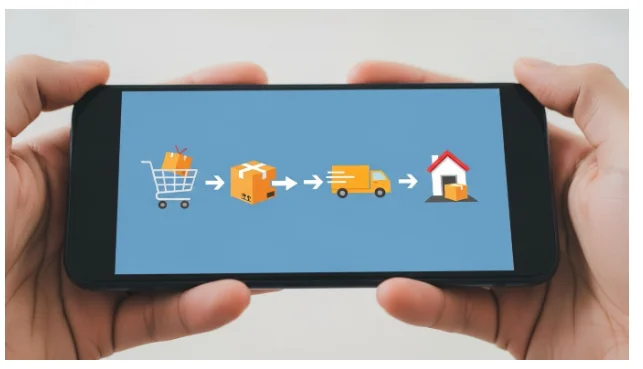
We all like to know everything: the weather, current events, the latest hot drama. Why would that stop at your shipment? As long as humans have been mailing, the age-old question has been “Where is my package?” It’s important to know where your shipments are, no matter if you’re sending or receiving, from record-keeping to sensors, let’s track where this goes.
Feathers, Footsteps, Foundations…
It all started in Egypt, where using carriers or birds with small letters or pouches, would be transported to other officials (often nobles). As they did not have modern technology or modes of transportation, they relied on manpower to transport, but how did they track? Well, by hand, of course! Early carriers may not have scanned packages; they just flew with them.
The early people would use feathers from certain foul and birds to indicate the importance of where they came from and the importance of the parcel; this, in a way, became the first stamp and the original tracking method. As they did not have modern technology, they could not rely on recorded tracking. In earlier days, it was done through physical carriers who would be assigned to the task of delivering the item or parcel. Remember, though, this was often done in cities, not across great distances- it’s easy to track one person across town, not a caravan across planes and deserts.
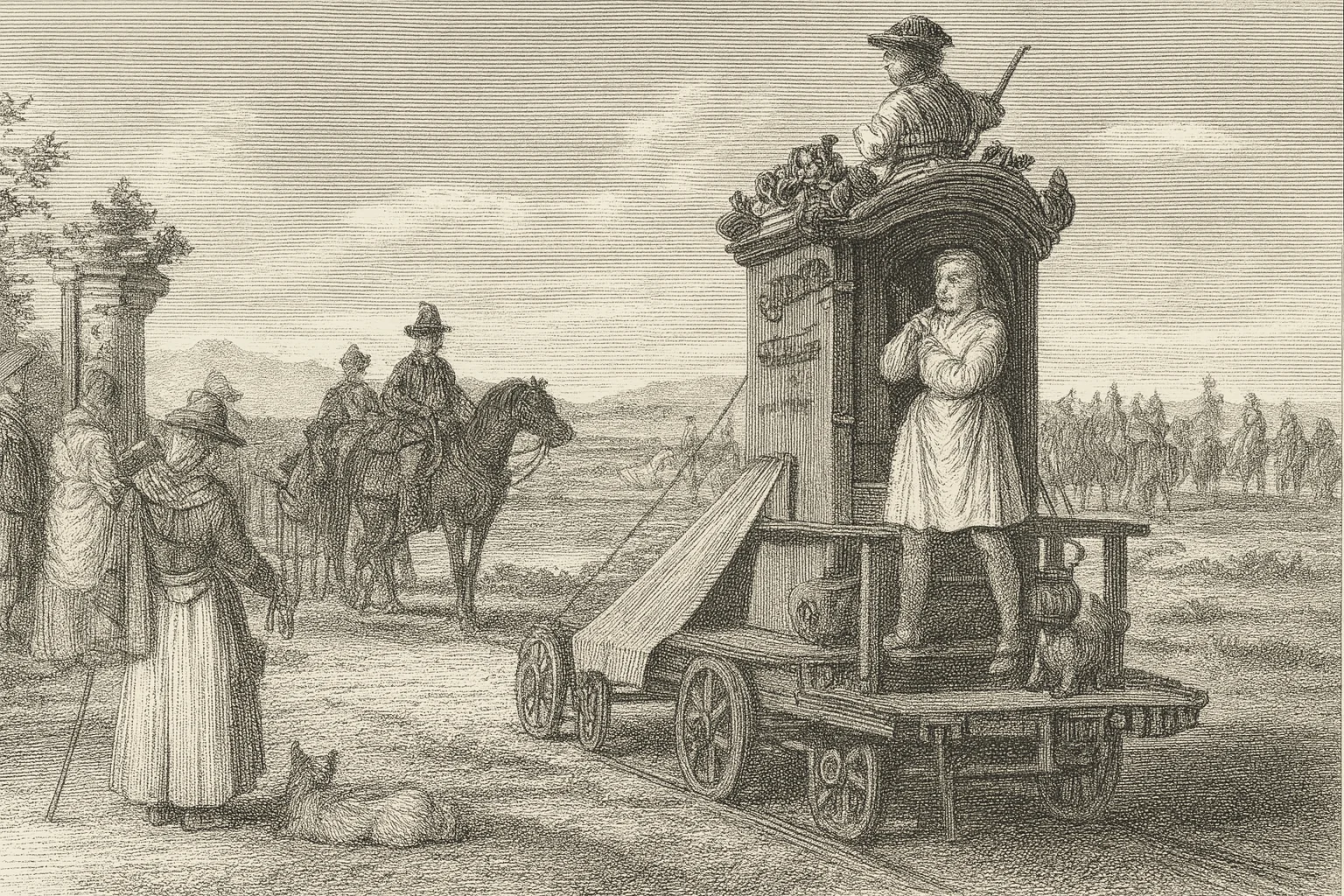
In 1464, the French Monarchy established the first postal offices for royal mail. Those initial post offices were typically 10-13 miles apart, with couriers on horseback carrying mail down the lines. They were also only for royal use, not the general public, and it was actually illegal to carry private mail, becoming legal in 1627.
In early America, we see the first carrier lines that worked on a set schedule and followed strict paths, only going a few times a week.
In 1913, private postal offices and service stations became more accessible as fathers needed something closer and more convenient to get to cities promptly. From here, we see how farmers and the Rural Free Delivery developed into today’s home mail box delivery and pickup. During the first six months of operation, approximately 300 million parcels were handled, and the introduction of collect-on-delivery service on July 1, 1913, only added to the popularity.
In the 19th century, we see more of a resurgence of the postal service as it becomes a needed service for businesses and the general public. Up until this point, delivery services would usually only deliver letters or small parcels. In 1913, the US Postal Service officially offered package shipping. The first ‘packages’ mailed were cups sent by a postmaster who wanted to be the first to do so (Midnight the day the service opened).

Trains, Telegraphs, Transition…
The world of tracking stayed stagnant until the invention of telecommunications around 1844, which allowed logistics workers to notify other locations or individuals that a shipment would be sent out. As telegraphs were innovated alongside trains, they were often used together with coordinating train paths and station arrivals. It also allowed for the first direct line for logistics, as telegraphs allowed for stations to communicate with each other. So if a shipment was being sent from one line to another, they would be able to notify the receiver, who could then prepare for the incoming train with relative ease, as trains relied on a set schedule. This allowedfor nearly instantaneous communication, revolutionizing the way we handle shipments from here out.
That continued throughout the 1800s to the early 1900s, where they would use the telecommunications alongside manual recordkeeping. Later in the century, we see more innovation with computers. The advent of rudimentary barcode technology in the 1970s marked a significant turning point. Although they did not have the ease and convenience of today, they were a step forward. These early barcodes allowed for more efficient information management and identification.
Barcodes were the first time packages got their own identity crisis solved. While we slide into the 80s and 90s with the advent of the internet, companies began to explore online solutions that offered real-time information. Combined with the accessibility of at-home computers, businesses and individuals can now access shipment information wherever they have access to the internet, whenever they would like.
Today, Tomorrow, Thereafter…
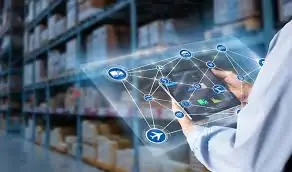
This innovation led to further updates available to those at home. We can know the exact location of our package, at what time it was where, and even provide an estimated time of arrival. What else is there? Well, what if you could know nearly everything going on with your shipment? If it fell or if the temperature changed? What if you had access to know?
Well, you can, with the development of real-time tracking from the 90s, we have grown its capabilities to do so much more. In today’s day and age, we now have the ability to track temperature, humidity, shock/vibration, and additional live data. The start of smart freight is just the beginning, as we see the use of sensors grow. These sensors can now communicate with devices and apps, supplying a full real-time experience.
What’s next? When we discuss the future, you might not consider tracking as one of those things that will be innovated, but like any other technology, it’s changing every day. What is the future of tracking? To some, it may be better location tracking, or to others, it could be just having a quicker delivery. The future, to many, is following the AI pathway.
AI, Automation, Advancement…
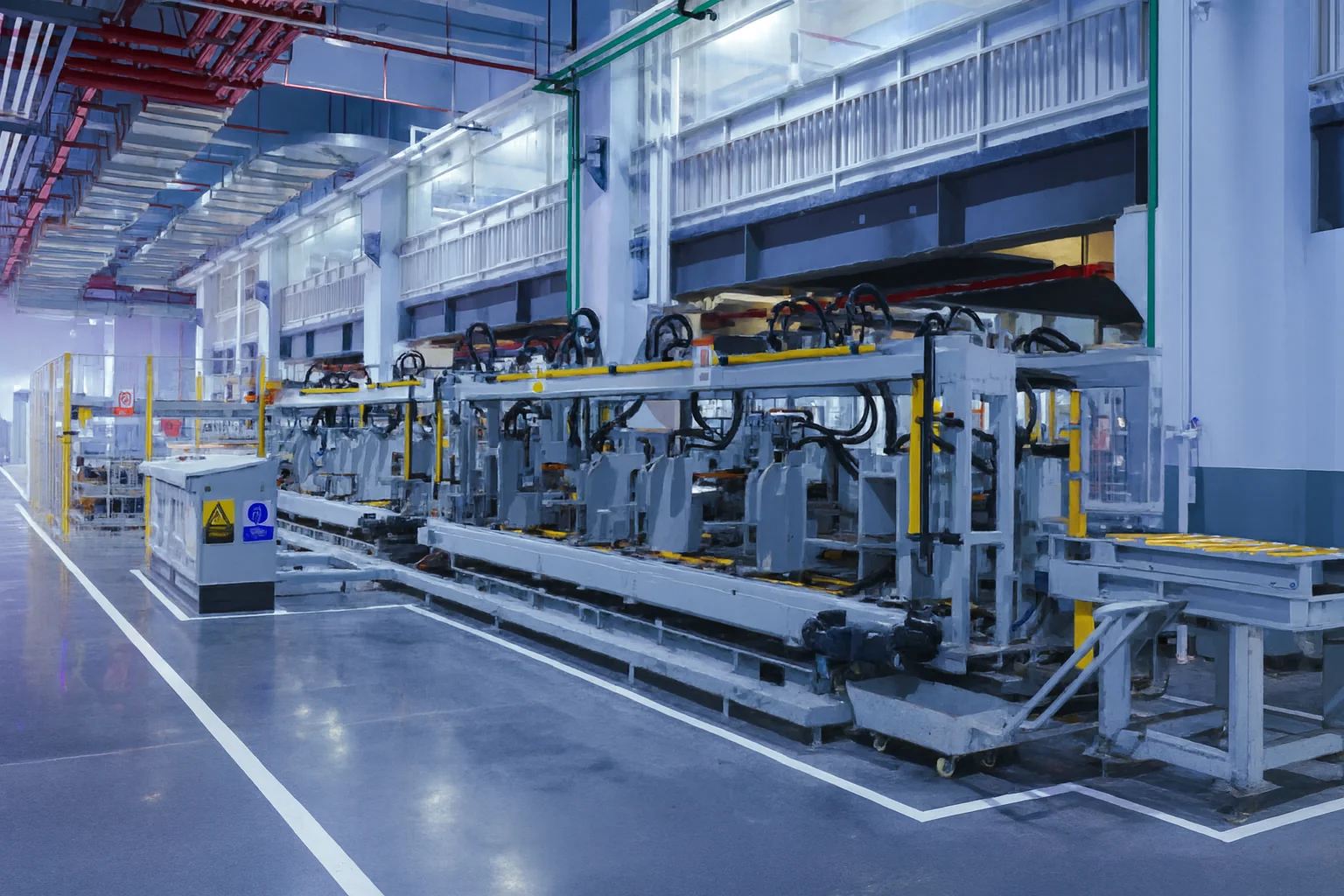
Artificial intelligence has paved its own way into the tracking world. The use of technology in logistics is a lifeline that we need; with the rise of AI and its abilities, we seem to be depending on it more and more. We are creating a future of Smart Fleets of self-driving cars and automation, taking the work from man to machine. These new technologies can provide live vehicle location, predictive maintenance alerts, and require little human intervention.
Other innovations that are foreseen to revolutionize the future are Blockchain Technologies, with the idea of tamper-proof tracking and the idea of predictive tracking– it doesn’t just see the future… it delivers it. Others are predictive incident delivery/tracking, which would allow carriers to predict any issues that would cause an unsuccessful delivery (along with AI-controlled towers, GPS, and predictive maintenance alerts).
Current holdups are how to properly incorporate with legacy systems. Other factors include the upfront cost of automating and training. For many companies, the final decision is based on ROI (return on investment); the time that it takes to start seeing ROI is often a barrier. Even when the long‑term benefits are clear, the short‑term financial strain can delay or even derail adaptation to the new systems. Until integration becomes simpler and the cost curve comes down, many businesses will continue to take a cautious, wait‑and‑see approach.
Technical transition and technical capacity also play a role as AI Automation depends on large amounts of data, and if there is not enough or if there are any technical issues, the system is down. Not every company can account for this and has limited flexibility. It heavily depends on in-place infrastructure that many companies are either unable or unwilling to adapt to, often due to unstable bandwidth, IT maturity, and/or the company’s infrastructure being lacking.
With technology advancing faster than ever, there’s a noticeable gap in skills between different generations in the workforce. Many companies are having a tough time finding and hiring people who have the right skills for today’s innovative environment. This gap makes it hard for businesses to grow as they struggle to find individuals who can keep up with new tools and ways of doing things. It’s becoming clear that companies will need to step up and/or offer training programs to help bridge this gap and develop the skills needed for future success.
Conclusion
Freight tracking has come a long way, from feathers and handwritten notes to telegraphs, barcodes, the internet, and now real‑time sensors. Each innovation has pushed us closer to complete visibility, giving shippers and customers more confidence than ever before. As AI, automation, and predictive technologies continue to evolve, tracking will shift from simply reporting where a shipment is to anticipating what it needs. The future of freight isn’t just about location, it’s about elevating the intel‑ligistics with insight and a smarter, more connected supply chain.
In other words, the next era of logistics is ready to ship‑shape the world.