
New York City is notorious for its bumper-to-bumper traffic and tight streets. If NYC’s streets are difficult for commuters and cabs to navigate, imagine being a delivery truck or semi-trailer. In a city with so many businesses and residential areas, handling last-mile deliveries can be extremely challenging.
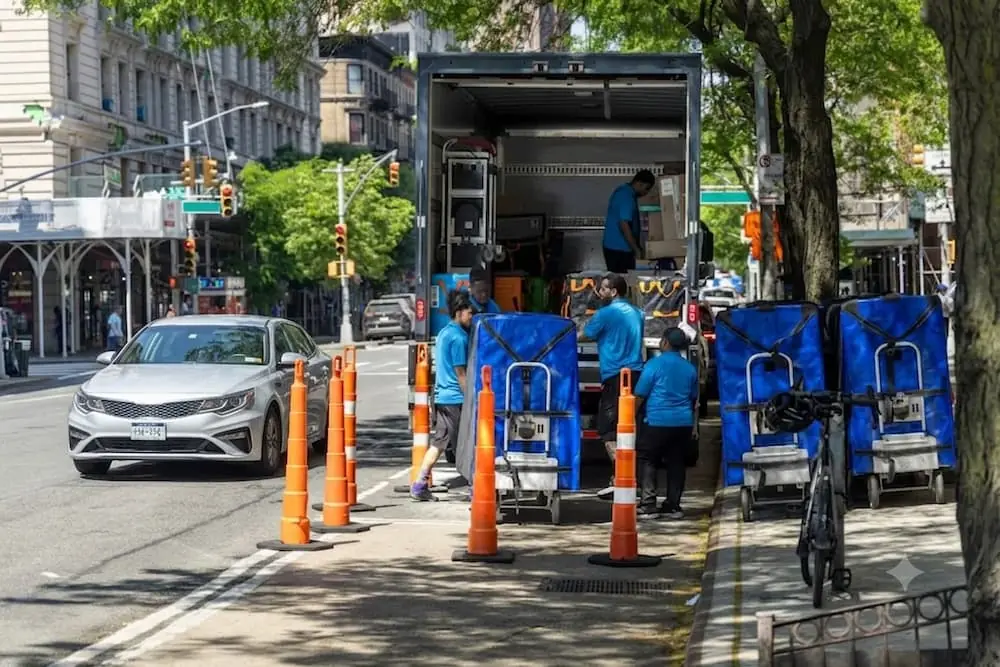
However, a new initiative has changed the urban logistics game. The Microhubs Pilot Program was designed to reduce the number of delivery trucks on NYC’s streets by establishing microhubs throughout the city. Eco-friendly options such as e-cargo bikes and handcarts deliver packages from these hubs to customers within a few miles.
The Microhubs Pilot Program was launched in April 2025 in various locations throughout Manhattan. In its 1st year alone, the program has replaced over 3,000 delivery trucks with alternative transportation methods, significantly reducing greenhouse gas emissions and alleviating traffic congestion.
New York City is one of the cities embracing the rise of freight microhubs. These mini distribution centers benefit businesses and customers while bolstering sustainability efforts in metropolitan areas.
But what are microhubs? What benefits do they offer, and how can you get your hands on one of these little delivery hubs? Dive into the world of microhubs and see how they are the key to the future of freight transportation, distribution, and last-mile delivery.
What are Freight Microhubs?
The concept of “microhubs” has existed for years, since the rise of eCommerce retailers like Amazon and eBay. During the holidays, for example, companies set up temporary “pop-up” distribution sites to make holiday parcel shipping and pickup easier.
The COVID-19 pandemic made the idea of a more permanent miniature distribution center a reality. With everyone staying home and having nothing to do but buy products online, same-day/next-day delivery became even more important to customers. As a result, companies created microhubs to meet that need.
Businesses strategically set up microhubs in urban areas near final destinations. Inconspicuous locations, such as unused parking lots, areas within existing stores, and offices in business parks, are key microhub sites.
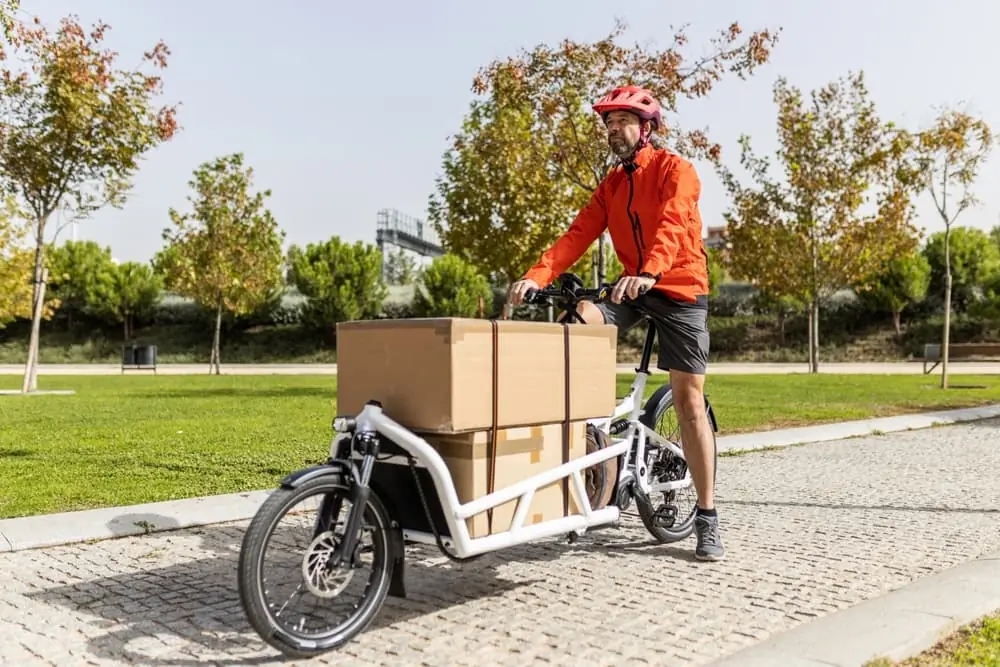
Microhubs utilize smaller transportation methods, including e-cargo bikes, handcarts, and small electric commercial vans. This makes them efficient and sustainable for navigating narrow urban streets. They can also avoid traffic congestion by using sidewalks, reducing freight delays.

Why Use a Freight Microhub?
Microhubs have gained recognition from city officials and logistics professionals worldwide, but why are these mini distribution centers taking off? Here are some of the benefits of using microhubs:
Strategic Delivery Point: Microhubs are typically established a few miles from final delivery locations. This setup improves flexibility and speed while lowering transportation and fuel costs because the distance between the microhub and delivery points is shorter.
Less Wasted Product: Microhubs allow only temporary storage; inventory is constantly moved in and out. This means microhubs need a robust, precise inventory management system that automatically reduces extra, unneeded stock.
Small Business Advantage: Small businesses often struggle to use warehouses and larger distribution centers because of their high costs. Microhubs can boost turnover and help small businesses compete with larger retailers.
Next/Same Day Delivery Advantage: Customers want fast deliveries, but businesses often struggle due to overworked delivery networks and long distances. Microhubs can help avoid traffic issues and meet customer expectations for fast last-mile delivery.
Sustainable Movement: Greenhouse gas emissions and noise pollution are major issues in metropolitan areas, largely driven by delivery trucks. Transitioning from trucks to e-bikes and handcarts can significantly reduce these harmful emissions.
Traffic Reduction: New York City began implementing microhubs primarily to reduce traffic. By reducing trucks on urban streets, congestion decreases and transportation costs fall.

Should Your Business Invest in Freight Microhubs?
If microhubs have piqued your interest, it may be worth integrating them into your distribution network. However, while microhubs can offer valuable solutions, it’s important to be aware of potential challenges that could hinder your operation.
– Due to the increasing popularity of microhubs, finding space in the city can be challenging. Competition for these microhubs is intensifying as businesses seek the best locations.
– The ongoing investment in microhubs will be worthwhile once it takes off. But before then, the initial investment will be quite high. Purchasing real estate, tracking and management technology, and eco-friendly transportation can be expensive.
– Cities like New York City are offering genuine support for businesses that want to invest in microhubs. However, the regulations surrounding microhubs can be overwhelming for businesses. Zoning laws and transportation regulations can challenge the feasibility of microhubs.
– A business cannot establish and manage a microhub autonomously. It requires a collaborative effort among businesses, logistics providers, and local governments to get started effectively.
Not all businesses need a microhub to thrive, even if this trend appears popular and successful. Deciding whether to invest in a microhub depends on your customers’ needs and the advantages you expect to gain from operating one.
Ultimately, microhubs are ideal for businesses of any size (though small businesses are benefiting most) targeting urban audiences that want fast, efficient delivery throughout the city. If this sounds like you, it may be worth looking into your metropolitan area’s stance on them.
Microhubs Are the Future of Last-Mile Deliveries
Microhubs are not just a temporary solution to crowded streets and rising delivery demand; they signal a significant shift in how freight moves through densely populated cities.
By placing goods closer to customers and using smaller, cleaner vehicles for the final mile, microhubs effectively address congestion and rising delivery demands. This strategy helps to reduce delays, lower costs, and meet the growing need for quicker delivery services.
Microhubs require careful planning, reliable technology, suitable urban space, and collaboration among businesses, logistics providers, property owners, and local governments. Companies should weigh their initial investment against potential long-term benefits, such as delivery volume and customer base, to evaluate microhub feasibility.
As cities aim to reduce congestion and emissions, microhubs are set to become crucial in urban freight networks, featuring smarter inventory systems, automated equipment, and electric vehicles. Initially designed for last-mile delivery, they could become a standard way to reach customers in major cities.
For businesses serving urban markets, now is the time to pay attention. Investing in a microhub may not be the right move for every company today, but understanding how these facilities work can help businesses prepare for a freight network that is becoming faster, more localized, and more sustainable.