
The Warehouse Tour: What’s Inside?
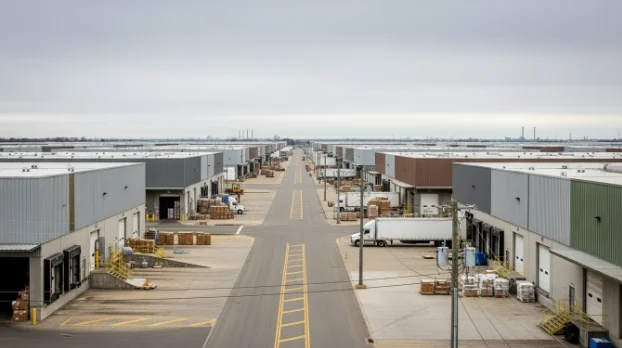
Why-house, who-houses, when-house, and what are warehouses? We often see large standalone buildings, usually built of steel and/or concrete, surrounded by fields and factories. This is their natural habitat, as warehouses are large facilities that are used for storage, typically items such as raw materials before production or finished goods post-production, on standby like a silent protector of unshipped goods. But what is the point? Just an oversized closet? More like a store‑age of possibilities.
History of Warehouses
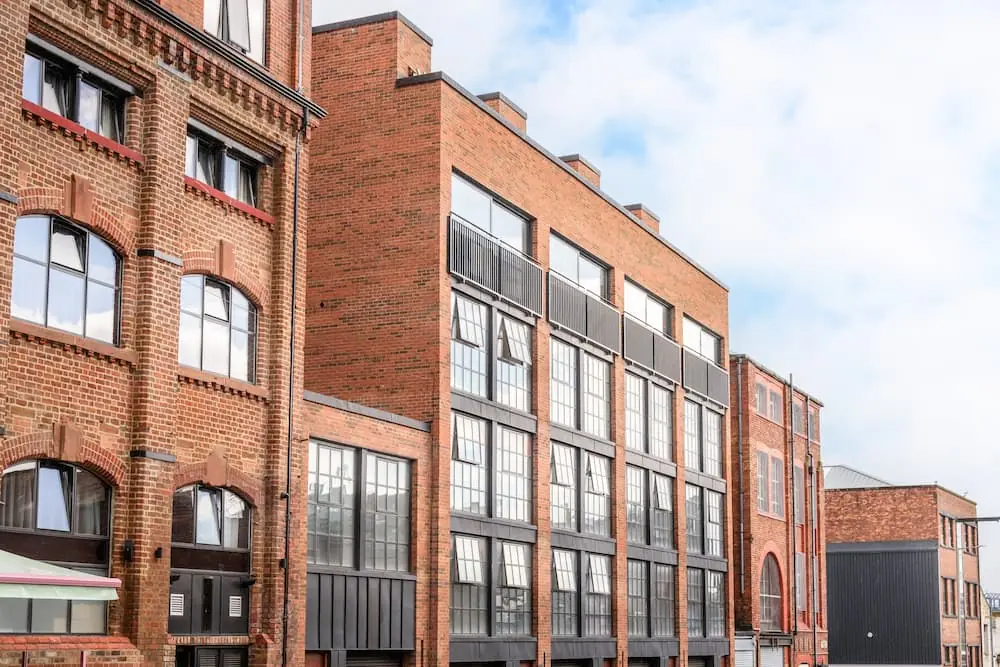
First, let’s discuss their history. You would not believe that a simple building has such a rich history. In the early ages of civilization, while we grew from our roots as hunter-gatherers, we began the age of surplus. The need to survive harsh winters and scorching summers led our early ancestors to rely heavily on warehouses or silos to hold grain and other goods away from the weather and limit outside pests that cause illness, such as insects and rodents. These facilities were often made from mud, brick, or stone.
In later years, such as the Roman Empire, they would use large structures for storage of commodities such as grain, but later would transition to building them at ports for trade storage for olive oil and wine before it could be sold. During Medieval times, merchants would use warehouses for storage, market, and commerce.
Following the industrial revolution, the transition of warehouses today began. The need for secure storage of raw and finished goods pushed for further innovations with the late 19th-century introduction of electricity and logistic innovations, allowing for a warehouse to become the grand facility it is known for today. Although early warehouses lacked the same dry and secure storage we have today, they have long served their purpose as a hub for storage and trade.
What Makes Them So Special?
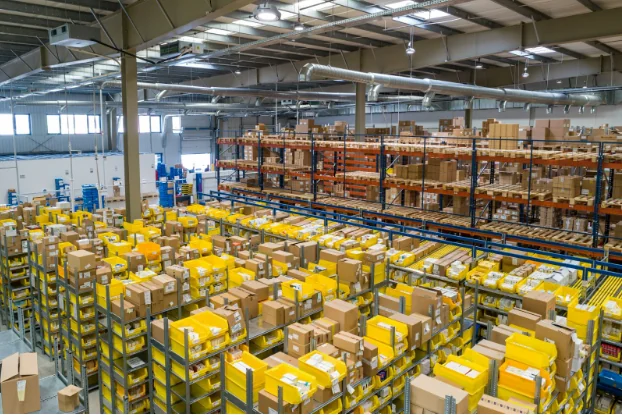
Today, warehouses have a variety of uses beyond their intended use of storage; they can serve as barns, equipment shops, or even tiny homes in recent years. You are able to modify the building to fit your needs, which allows owners to add any additional details or accessories to create the best warehouse for their needs; it is important to take into consideration what you will be using the building for to ensure efficient warehouse layouts- this maximizes space and increases efficiency. All of which adds to the appeal and simplicity of a well-designed warehouse.
Asking questions such as: what the warehouse’s main function is? Will you need storage/shelfing? How much square footage will you designate to each section of the warehouse for a particular purpose? Where are your goods to be stored? Will you need special equipment added or customized workstations? What will you need to ensure space efficiency to get the most out of your space? The ability of in-depth customisation is what makes them so useful, as it allows them to serve as major hubs in logistic processing.
As you consider those questions, keep in mind that it’s not just the layout to consider; it’s also its purpose. What are some additional accessories you should include to make the space functional for its purpose? Some common accessories used are racking systems, docking equipment, safety features, climate control, etc. As an example, in factories, they may need to add automatic weights, distribution systems, or automated workers.
Rent or Own?
For warehouses, there are several ways to get into the “warehouse club,” depending on your budget, long‑term plans, and operational needs.
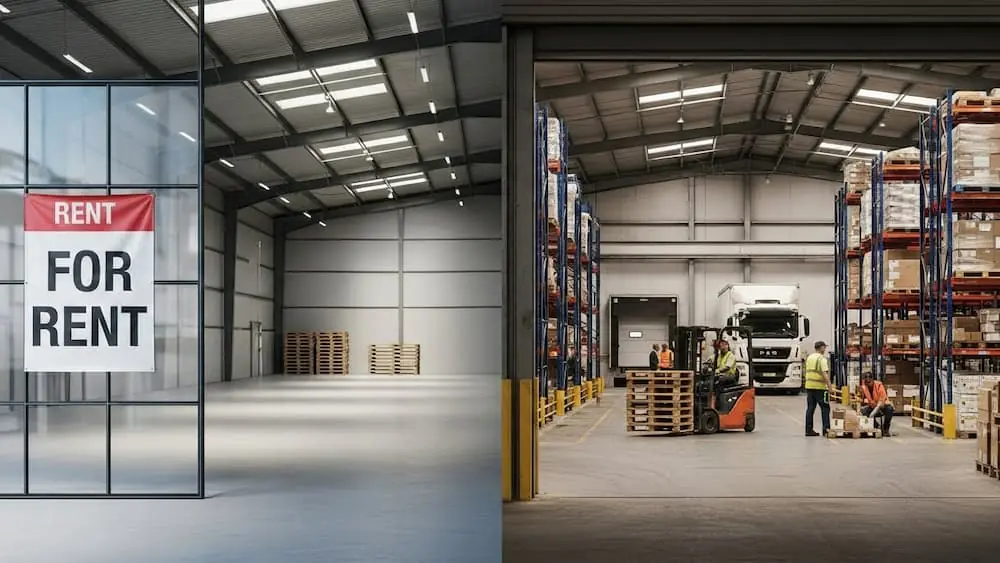
Some businesses or individuals choose to purchase a warehouse outright through a commercial real estate agent, giving them full control over the space and the ability to have it grow with them. Others prefer to build a private warehouse, allowing them to design a facility tailored to their exact needs despite the high upfront costs.
For entities that don’t need a permanent location, leasing is an alternative. You can rent an entire warehouse or simply lease the amount of space you need, whether that’s a few pallets or a full building. This range of options makes warehousing accessible to businesses of all sizes, from startups to large-scale operations.
Warehouses and Freight
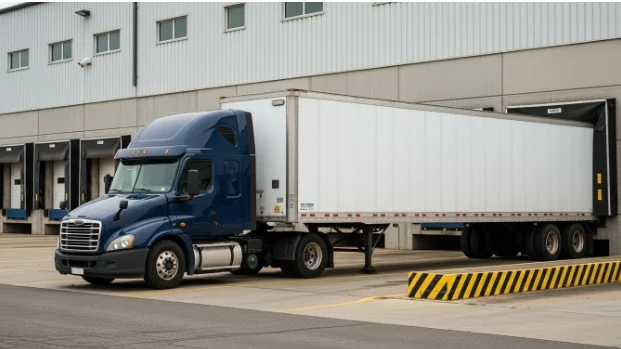
While warehousing and freight form the backbone of the supply chain, their roles are deeply interconnected. Many shippers and business owners rely on warehousing because it adds flexibility to their operations. By storing products closer to their businesses and markets, they can better manage stock levels and respond to seasonal demand. Warehousing also supports logistics by offering product protection, reducing costs, and helping mitigate risk—key advantages that strengthen overall supply chain performance.
This is where freight and warehousing meet. Once items are produced, they move into storage, and from there they’re distributed to their next destination. Warehouse workers and drivers work together to keep products moving efficiently. Shipments may travel from fulfillment centers to distribution centers or through cross‑docking facilities, where they’re unloaded, inspected, reloaded, and sent on their way for further processing.
Challenges of Operating a Warehouse
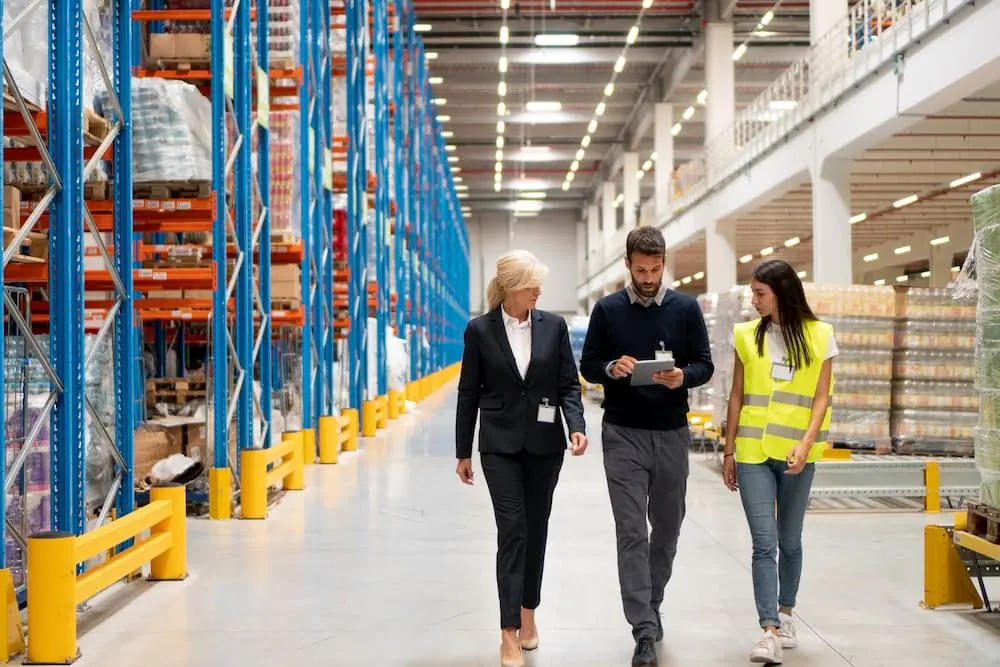
While operations of a warehouse have everyday processes that take place like a well-oiled machine, there are still wrenches to be thrown. In the warehousing industry, there are several issues, among them the most common inventory management and accuracy issues, labor and workforce stability, along with several operational and processing challenges. Issues with inventory management are that it’s hard to keep track, with inventory accuracy averaging just 85-90% across the industry, and shrinkage costing warehouses 1.4% of annual revenue, which is due to a mix of technical and human error.
As for labor, as many deliveries and hours can be odd and the work is laborious, there are employment retention challenges from drivers to warehouse workers, as we see that more than 70% of logistics operations are dealing with employment hardships. The remaining issues are part of the pains of owning a warehouse, working through innovation processes, and keeping up with the ever-changing industry.
Conclusion of The Warehouse Tour
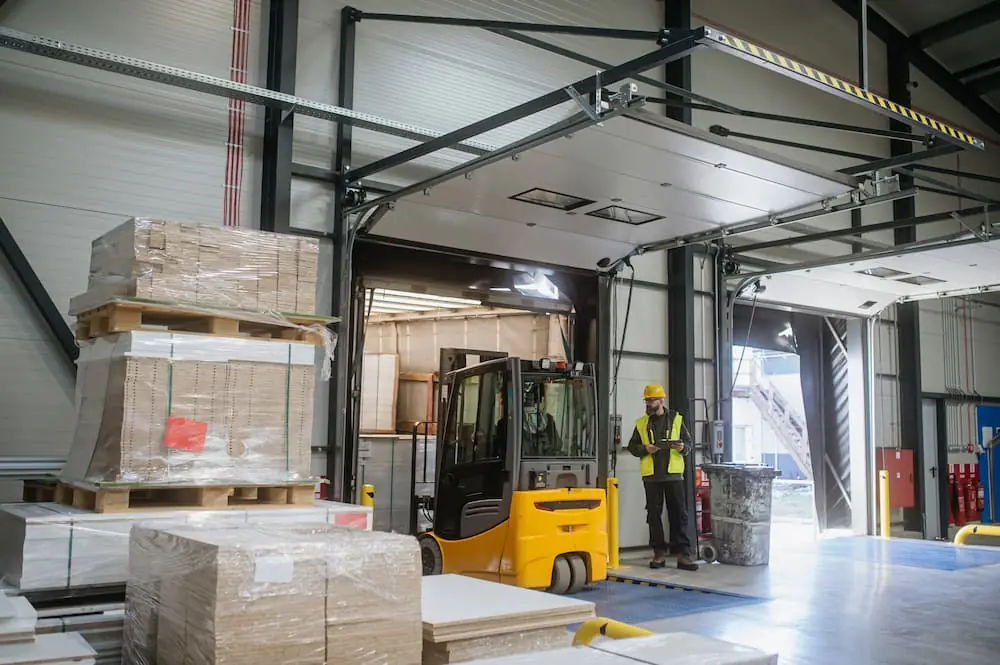
Though they may look simple, warehouses play an essential role in how products and business operations are handled. Serving as the silent frame for supply chains and quiet houses for raw materials, finished goods, equipment storage, or fully customised operations.
From past to present, they are a gift that keeps on giving- one of the most adaptable assets that a company can own. From layout to interior customization, every detail is there to provide efficiency and productivity. Whether built, bought, or rented, warehouses offer solutions that fit operations on any scale. Once freight enters the picture, the importance of a well-designed warehouse becomes even clearer. Working hand in hand with warehousing and logistics lessens stress, reducing cost and ensuring that shipments reach their destination without delay!