

Freight shipping is a year-round roller coaster. Shipping experiences peak with high volumes and tight capacity, while other times are marked by low volumes and open capacity.
This ebb and flow is a natural part of the freight shipping process. But sometimes, it can be challenging for shippers to keep track of what’s going on in the freight market.
Luckily, freight shipping is heavily tied to the calendar. Changing seasons, upcoming holidays, and unpredictable weather influence freight shipping activity and can affect your next shipment when you least expect it.
Today, we are examining the top 10 seasonal freight trends that affect logistics and freight shipping overall. We’ll also recommend planning strategies to help shippers optimize their approach to the freight market throughout the year.
Top 10 Seasonal Freight Trends Shippers Should Plan For
Number 10: The Quiet Season
The start of the New Year doesn’t start with a bang in the freight world. In fact, it’s one of the slowest times of the year for freight.
January and February are called “the Quiet Season” because freight shipping, spot rates, and capacity reach their lowest levels. After the holidays, consumers pull back on spending, leaving inventory and warehouse levels high. While Valentine’s Day does lead to a small rise in activity, it’s not significant enough to raise freight rates.
With business slow, carriers and drivers often take time off during these two months to focus on fleet maintenance, reflect on the previous year’s activities, and prepare for the rest of the year. Retailers may also offer sales and discounts, helping reduce inventory.
What Shippers Should Plan For: Make the most of your quiet season. Review last year’s progress and setbacks, and identify areas for improvement. Use this analysis to plan your shipping schedules and bookings for the year ahead, while leaving room for sudden changes or setbacks.

Number 9: Construction Season
As the weather thaws around March, construction companies in the North emerge from hibernation. Crews begin work on new or ongoing projects, meaning materials like lumber, steel, pipes, and rebar are in high demand. Cranes, excavators, and bulldozers also need to move to and from construction sites.
Because construction materials and equipment are heavy and bulky, demand for heavy haul and specialized freight services is high, especially as construction activity peaks in early summer. Flatbed capacity tightens, as do stepdecks and open-decks, and freight rates for these trailers rise quickly.
The construction season in the North is brief but intense, so flatbed availability is only guaranteed until the weather cools. In contrast, the South enjoys warm weather almost year-round, leading to consistent construction shipping and more reliable flatbed availability.
What Shippers Should Plan For: Be flexible with your trailer-type requirements; capacity is limited, and options may vary depending on when you schedule your construction shipments. Give your transportation provider 24 to 72 hours’ notice and ask for advice on which trailer types best meet your needs and budget.
Number 8: Spring Produce Harvest
Produce is shipped year-round, both domestically and internationally. Seasonal peaks vary by region, weather, crop type, and time of year. However, spring and fall are considered the primary produce shipping seasons.
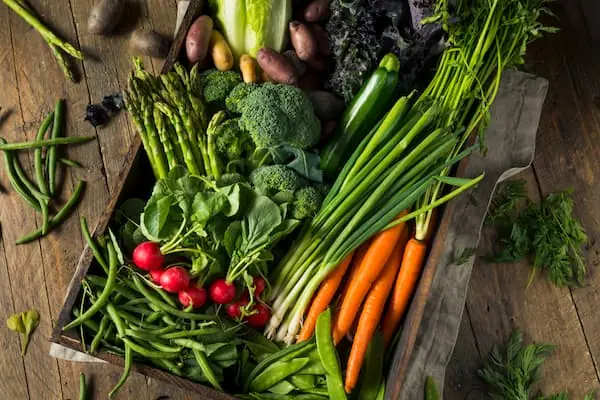
Spring produce shipping runs from around March to around June or July and centers on warmer areas of the US, such as Florida, Texas, and California. Spring harvests include cold weather crops and root vegetables like:
– Asparagus
– Potatoes
– Strawberries
– Apricots
– Carrots
– Artichokes
Spring produce must move quickly; any mistake in temperature monitoring or scheduling can cause spoilage. This tight reefer capacity and delivery schedule drives high spot rates.
What Shippers Should Plan For: Shippers must be adaptable and flexible with change during this time. Plan ahead by scheduling reefer trucks early to avoid disruptions and spot market risks. Auditing routes and carrier performance before the season also helps identify coverage gaps and risks in advance.
Number 7: Hurricane Season
Shippers shouldn’t just prepare for the traditional seasonal events; they should also prepare for the unexpected. One unexpected event to expect is severe weather.
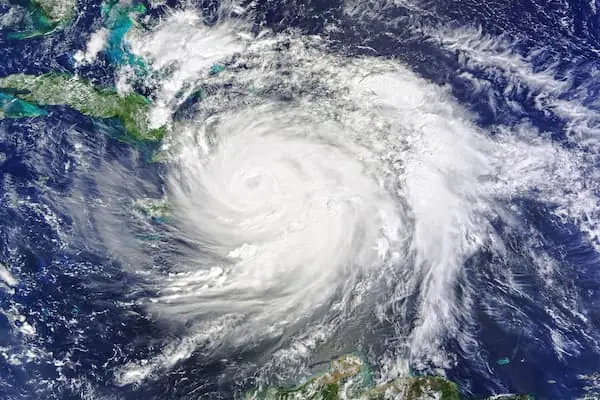
Among the many weather phenomena that plague the US, hurricanes are among the most significant. Hurricane season typically runs from early June to the end of November in the Atlantic, Gulf of Mexico, and Pacific regions. These storms can disrupt manufacturing production and the operations of terminals, ports, and roadways.
While hurricanes can disrupt freight shipping, they also drive demand for expedited and guaranteed shipping. They receive plenty of bookings for emergency items like medicine, food, and clothing, and work quickly to get these supplies to shelter and rescue teams before and after hurricanes.
What Shippers Should Plan For: Create a Hurricane Response Plan with your team before hurricane season. Identify alternate carriers, ports, and terminals in case of shutdowns. Coordinate with carriers and manufacturers on alternative communication methods to stay in touch during storms.
Number 6: Peak Season
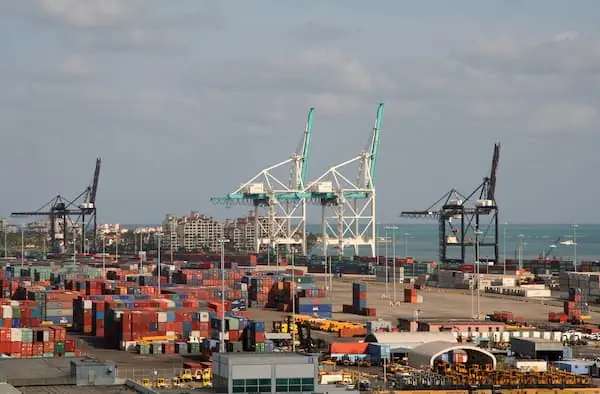
If the quiet season is the slowest time of the year, then peak season is the busiest. Usually from early August to around October, freight shipping demand exceeds available carrier capacity. As a result, freight rates rise, and trailer space becomes tighter for nearly all businesses and manufacturers.
Why all the fuss? These are the last few months before back-to-school shopping season and the holidays (we’ll get to those soon). Retailers, both eCommerce and physical stores, are clearing out summer inventory and restocking for the final stretch of the year, when customer demand will be at its highest.
Peak season presents several challenges for shippers. Ports and warehouses often become overcrowded, leading to inevitable delays. Finding drivers and trailers can also be difficult, as demand is high and availability can run out quickly. During this busy time, shippers may also face higher fees for mistakes.
What Shippers Should Plan For: Although the current freight shipping period may feel chaotic, it is expected. To navigate this successfully, proactively communicate with customers and suppliers about shipping deadlines and potential delays. Also, monitor the freight market closely, as peak shipping seasons can start earlier or later each year because of economic and political factors.

Number 5: Amazon Prime Day
No other retailer has dominated the retail world quite like Amazon. The ecommerce pioneer ships 23 million shipments a day globally, but that’s just for everyday shipping. Their busiest shipping times of the year coincide with their biggest sales events: Prime Day.
Originally an annual event in mid-July, Amazon now hosts two Prime Days: one in late June during peak season and another, called “Prime Big Deal Days,” in early October to kick off holiday shopping. Both events last 48 hours and offer exclusive sales and discounts to Amazon Prime members.
This is a significant event for ecommerce and truckload shipping. Demand for truckload services tends to surge pre-and-post sales, particularly for trailers near Amazon fulfillment centers and middle-mile hubs. Additionally, other retailers such as Walmart and Target run competing sales, tightening overall trailer capacity.
What Shippers Should Plan For: Prime Day is a key opportunity for manufacturers and wholesalers to attract customers, but shippers must be prepared. Review Amazon’s loading practices and load within your 2-hour window. Ensure your BOL is accurate, and update your Amazon Freight account up to 2 hours before pickup or 12 hours before drop-off.

Number 4: Fall Produce Harvest
The second spike in produce shipping occurs in the fall, from late August through the end of November. Northern states are the main produce drivers here, shipping hardy produce like:
– Apples
– Pears
– Pumpkins
– Squash
– Sweet potatoes
There’s a higher demand for dry vans this season, as they are insulated with vented air circulation to keep autumn crops dry. Unlike reefers, dry vans lower fuel costs by eliminating the need for refrigeration or temperature-monitoring technology.
Unlike the spring season, when produce shipments increase significantly from spring into summer, the fall produce season begins to decline around the same time that overall freight shipping slows down as winter approaches. As a result, regional capacity must adjust to this decrease in shipping activity.
What Shippers Should Plan For: Fall weather can be unpredictable, so it’s important to monitor the forecast and have backup plans in place to ensure the safety of your freight. Additionally, consider major holidays like Halloween and Thanksgiving, as produce plays a significant role during these times. Adjusting harvest shipping schedules around these holidays can help avoid capacity issues.

Number 3: Back-to-School Retail Rush
Schools and colleges typically resume sessions between August and September, marking an important time not only for students, teachers, and families, but also for the retail industry.
In 2025, Americans spent $128.2 billion on back-to-school shopping. School supplies such as backpacks, laptops, notebooks, and more are in high demand, so retailers must stock shelves and maintain inventory well before the back-to-school shopping rush begins.
Although schools typically start between August and September, the back-to-school shipping window begins as early as May. High import volumes and early merchandise flow limit truck and dry van availability, intensify competition for trailer capacity, and drive up spot rates.
What Shippers Should Plan For: Shippers should book back-to-school inventory early and position it in the warehouse so it’s ready to be picked and shipped when demand spikes. Also consider consolidating orders to maximize trailer space and reduce fuel spending.

Number 2: Winter Weather
As the weather grows colder, freight shipping becomes more hazardous. Snow, sleet, ice, and blizzards are obstacles for shippers and carriers starting in November and may not let up until at least March, and in some places even April and May.
Certain freight, including chemicals, medicines, and perishable foods, is vulnerable to freezing temperatures; exposure to below 36°F leads to spoilage. Blizzards further complicate transportation, causing delays as drivers can get stuck. They may also relocate to warmer areas, creating driver shortages in the north.
Winter weather might seem like a concern only for northern regions, but warmer areas should not underestimate its impact. Winter storms up north can delay manufacturing and disrupt transportation plans in the south. Additionally, an influx of drivers from the north may reduce regional driver availability.
What Shippers Should Plan For: Partner with carriers that offer freeze protection services, including insulated blankets, temperature-monitoring technology, and route-rerouting software. Northern shippers should also consider establishing long-term contracts with multiple carriers to ensure that shipments can still be transported in the event of delays.

Number 1: Holiday Surge
The final push of the year for retailers, carriers, and shippers alike: the holidays, specifically Thanksgiving, Christmas, and New Year’s. This period is crucial for retail, food and beverage, and hospitality, which see significant increases in consumer demand and annual revenue.
The holidays also matter for logistics, as parcel and warehousing services handle record shipping volumes. Truck capacity is stretched, with carriers vying for loads, creating a divide where larger carriers benefit from corporate contracts while smaller ones rely on the spot market. Freight rates, naturally, also jump incredibly high.
Interestingly, this push doesn’t last until New Year’s. After the peak shipping season, the last-minute holiday surge only lasts until early December. Activity slows in the last two weeks as parcel shipping decreases; drivers complete their loads and logistics companies shut down for the holidays, reducing demand and rates.
What Shippers Should Plan For: Plan at least 3 months ahead or earlier by keeping schedules flexible, locking in carrier contracts, and pre-positioning inventory. Cargo theft risk is also higher this time of year; use real-time tracking tools and a vetted carrier pool to avoid loss.

Stay Ahead of the Freight Calendar
Freight shipping always comes with surprises, but many of its biggest shifts happen for a reason and on a schedule.
From winter to produce season, hurricane disruptions, peak season, back-to-school demand, and the holiday surge, each part of the year brings its own challenges. The shippers who prepare before those changes arrive are better positioned to protect their freight, control costs, secure capacity, and keep their supply chains moving.
The key is not predicting every disruption. It’s building enough flexibility into your shipping strategy to respond when conditions change, protect costs, and keep freight moving.
So plan ahead, stay flexible, communicate often, watch the market, keep options open, and be ready. Because when the next seasonal freight trend arrives, the question shouldn’t be “What do we do now?” It should be “What’s our plan?”