
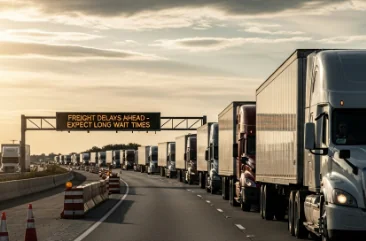
The Top 5 Causes of Freight Delays in the Fall and How to Avoid Them
The Fall is a crucial time for the freight industry – not only are seasonal produce and items being shipped quickly to stores for consumers, but it’s also when the peak shipping season begins to ramp up in anticipation of the holiday season ahead.
During this time, supply chains can encounter unique challenges that lead to costly delays and disruptions. From weather to labor shortages, shippers must prepare for anything. However, by staying ahead of the curve and planning proactively, shippers can keep their freight moving smoothly during the busy months ahead.
Five Causes of Freight Delays
1. Port Congestion
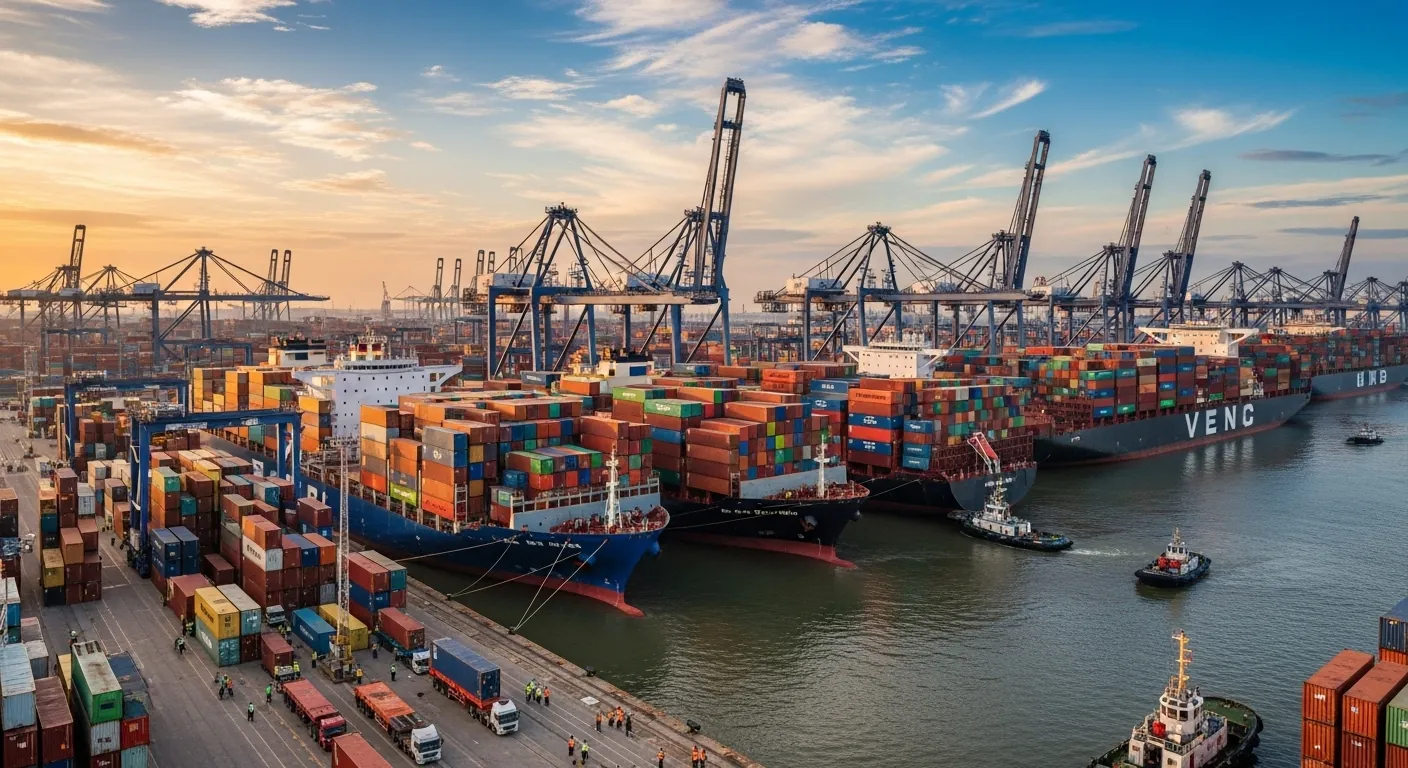
Port congestion remains the number one cause of freight delays globally in 2025. Just 25 key ports worldwide are responsible for almost 90% of container-related delays. With millions of cargo packages shipped daily, 25 ports are a minimal number to have such an outsized impact on global supply chains.
A disruption at even one of these critical hubs can ripple through international trade networks, causing delays and disruptions. Some of these disruptions include insufficient truck chassis, overflowing yards, or container-handling bottlenecks, which cause ships to wait days offshore.
In the past, tariffs have caused port congestion and other disruptions; however, tariffs are actually causing a decline in import volumes. This decline is reducing, not increasing, port congestion this fall season. Import levels have fallen overall due to the impact of tariffs on various countries.
What Can Shippers Do About Port Congestion?
While port congestion is beyond a shipper’s control, there are proactive measures that can help minimize its impact – such as using real-time port congestion monitoring tools, such as FourKites, Portcast, and Traffic Vision, which can track potential delays before they occur.
These tools provide data such as the average wait times, the number of vessels waiting, and live vessel locations. Additionally, shippers need to build flexibility into their shipping schedules to reroute cargo seamlessly if required.
2. Labor Shortages & Disruptions
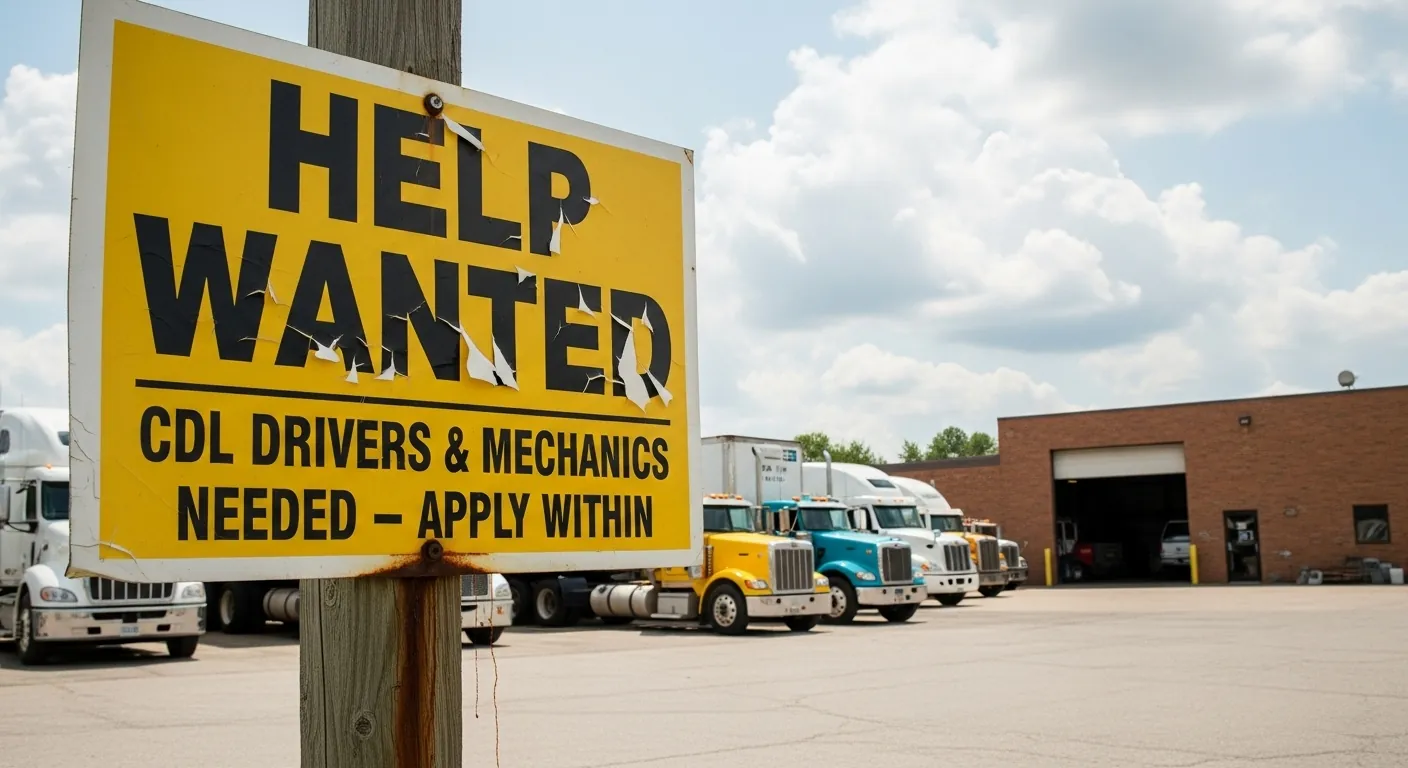
2025 has seen many labor shortages and disruptions throughout the industry – specifically in trucking, port operations, and warehousing. Trucking, especially, is seeing the impact of labor shortages, with many drivers retiring and fewer youth entering the field. While efforts to change this – such as incentive programs, recruitment initiatives, and technological developments aimed at attracting young individuals – persist, the lack of drivers remains.
What Can Shippers Do About Labor Shortages & Disruptions?
Labor shortages and disruptions can be unavoidable; however, shippers who engage with carriers that invest in workforce stability and training are less likely to experience disruptions due to labor shortages. It’s also recommended to rely on multimodal solutions to mitigate the effects of these challenges when they occur so that freight can still be moved and delivered seamlessly.
3. Unpredictable Weather
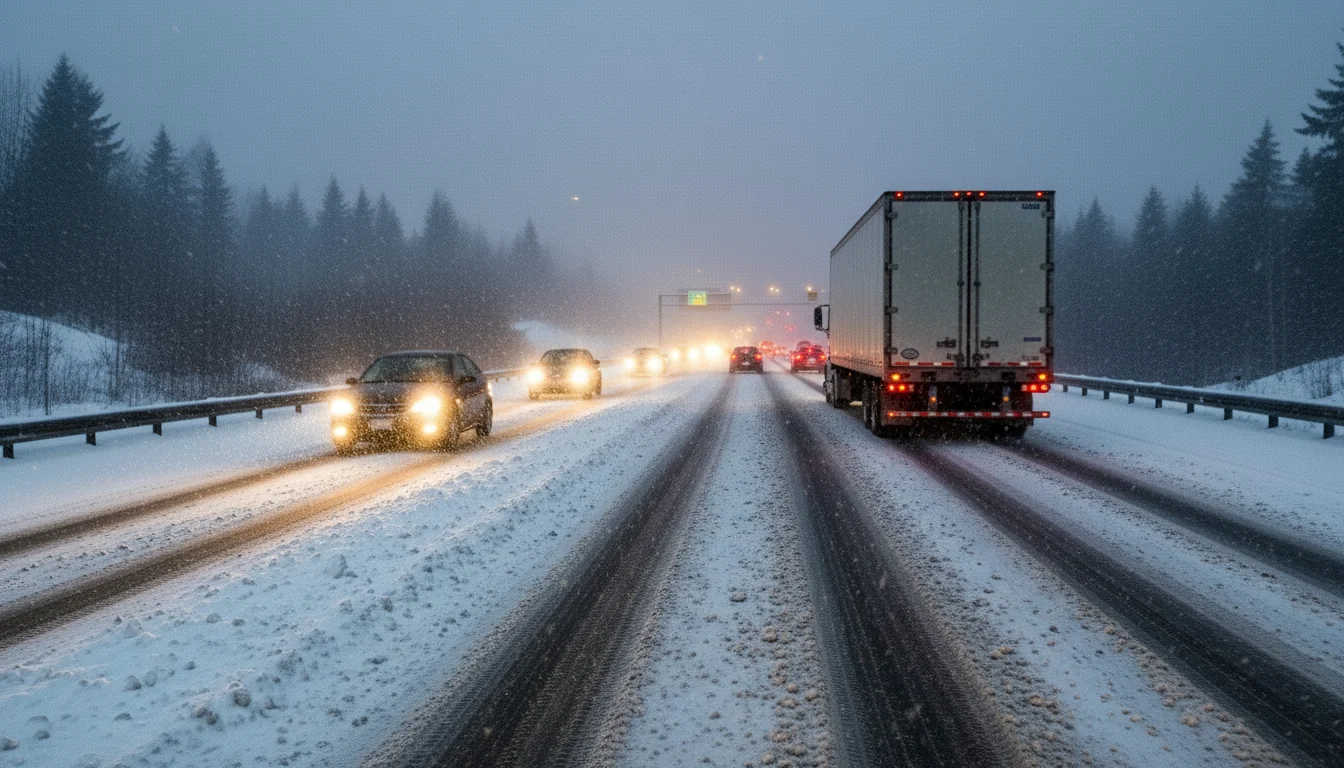
Weather is a significant challenge for shippers, especially during the fall season, when conditions become increasingly unpredictable across regions. In the U.S., the Northeast, Midwest, and Western areas can be hit with early-season snowstorms, while the South faces the peak of hurricane season. Between freezing temperatures, snow, and the risk of tropical storms, shippers must stay vigilant and prepared.
Major storms can lead to port and road closures and delay rail operations, disrupting the movement of goods across multiple modes of transportation. These weather disruptions can slow deliveries and create other issues, such as equipment shortages and increased freight rates.
What Can Shippers Do About Unpredictable Weather?
While no one can control the weather, staying up to date on the forecast can help shippers plan days or even weeks ahead. Shippers should also establish comprehensive contingency plans that include securing access to temporary storage facilities and identifying alternative routes. Having backup transportation options, such as secondary ports, rail lines, roads, or distribution centers, can help keep shipments moving even when primary routes are delayed or blocked.
In addition, factoring in potential slowdowns ahead of time helps maintain delivery commitments and prevents costly supply chain bottlenecks. These measures create a more resilient strategy that can withstand extreme weather conditions.
4. Equipment & Capacity Imbalances
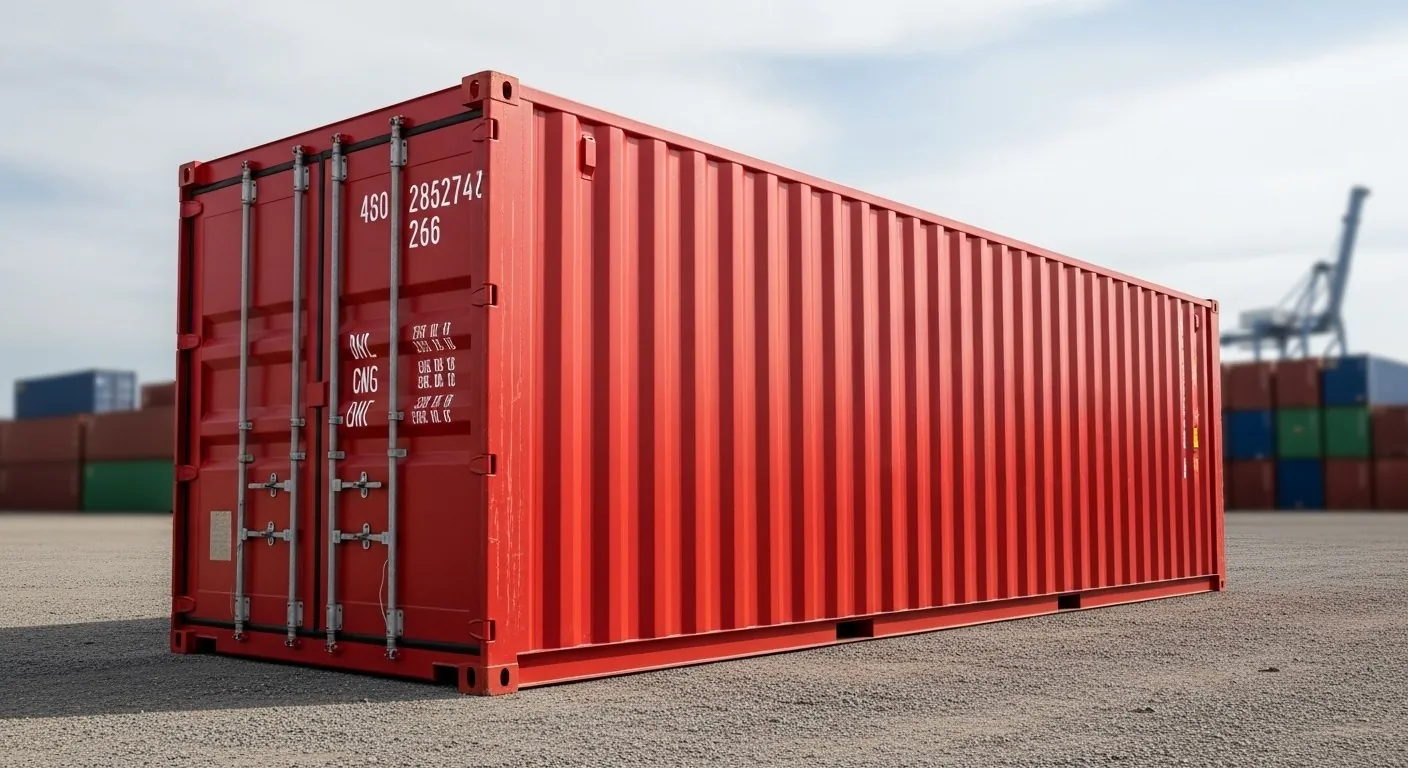
Another challenge that shippers can face during the fall season is equipment and capacity imbalances. Empty containers can pile up in some regions, while others face shortages. Similarly, chassis and trucking capacity mismatch causes delays inland. These imbalances result from uneven trade flows and inadequate repositioning strategies by carriers.
What Can Shippers Do About Equipment & Capacity Imbalances?
Shippers can take a proactive approach to securing equipment and capacity by continuously monitoring availability and maintaining close relationships with multiple logistics partners. Collaborating with freight forwarders that manage equipment repositioning – such as optimizing fleet utilization or relocating empty containers – helps mitigate or even eliminate the risk of equipment shortages and capacity imbalances.
5. Geopolitical & Regulatory Impacts
The past year has been a prime example of the effects that geopolitical and regulatory impacts have on the freight industry and global supply chains. Tariffs imposed by the U.S. have caused significant global supply chain effects such as increased costs for both businesses and consumers, production delays and product shortages, and a change to manufacturing locations to different countries.
While suppliers and businesses have done their best to adjust to the ongoing tariffs, trade tensions, sanctions, and evolving customs requirements, they force cargo to reroute and delay shipments.

What Should Shippers Do About Geopolitical & Regulatory Impacts?
While geopolitical and regulatory factors in shipping are completely outside of the shipper’s control, there are several steps to take to prepare for when they occur. Staying up-to-date on regulatory changes through industry alerts and customs brokers.
Additionally, working with partners experienced in navigating a complex trade environment while also diversifying sourcing and distribution reduces the dependence on a single route or market.
No one can eliminate freight delays entirely, but understanding the top causes of them equips shippers to mitigate risks proactively – embracing technology, planning ahead, flexibility, and collaborating closely across the supply chain turns potential disruptios into manageable challenges.
Fall represents an opportunity to companies that prepare wisely – ensuring goods arrive on time despite the season’s unique hurdles.