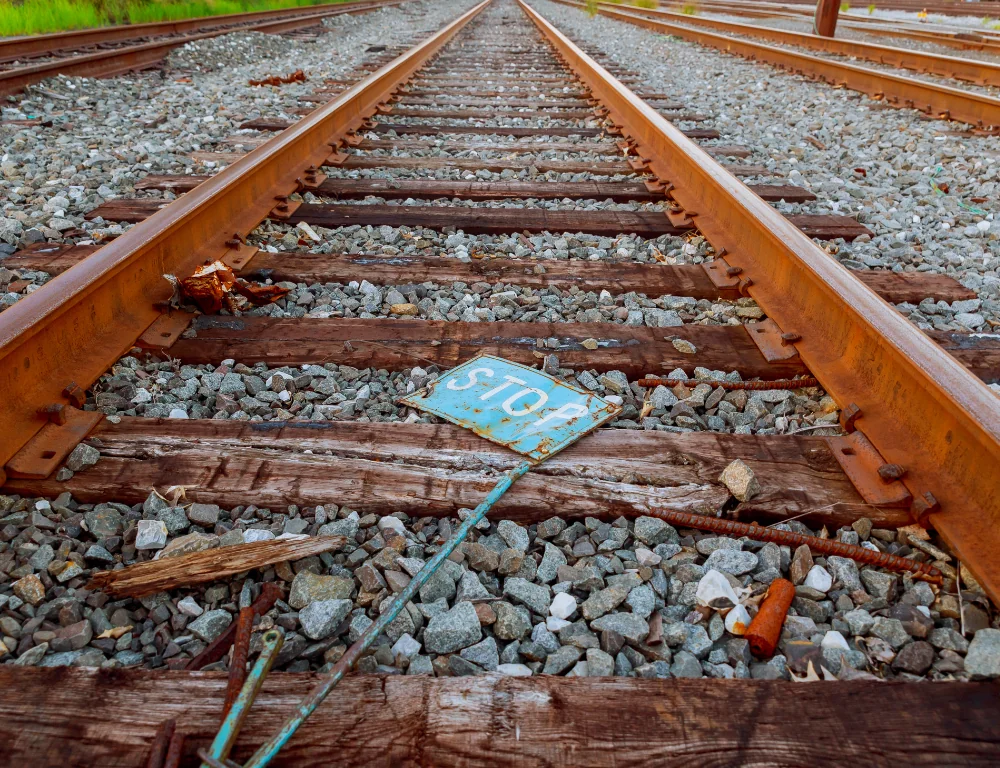
Train Robberies: How Are They Still Happening in the 21st Century?
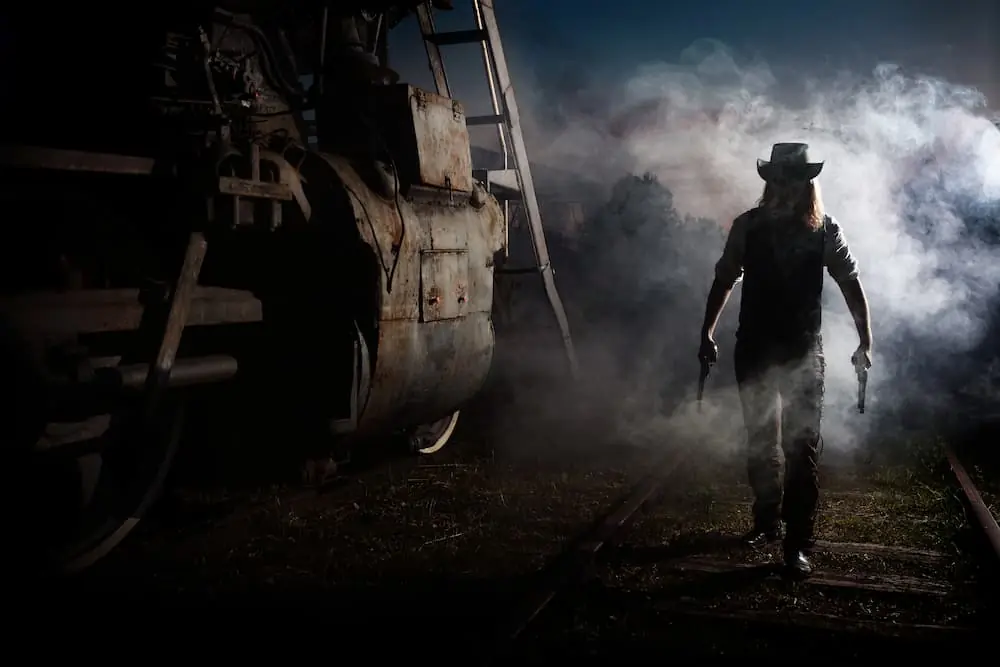
Many Westerns of the early 20th century set their biggest action scenes on trains during a heist. Bandits riding on horseback, jumping onto speeding trains, stealing cargo right off the cars, and escaping just before the authorities can catch them.
While movies may exaggerate, real robberies like these did occur throughout the 19th and early 20th century in the area known as the American Old West. Today, however, trucking dominates freight transport as rail usage declines. Security has improved with cameras, electronic locks, and monitoring systems. Surely, trains are much safer than before, right?
Wrong! Trains continue to be a target for high-stakes robberies, with over 65,000 thefts occurring each year. These organized thefts on intercontinental railways cost major railroad companies more than $100 million in 2024, and this figure is anticipated to increase in the coming years.
Ironically, advancements in technology that have helped with securing freight have enabled criminals to execute more sophisticated heists than ever before. However, local and federal authorities are actively pursuing these criminals by coordinating their efforts and utilizing advanced technology to prevent further thefts.
Train robberies are no longer just a thing of the past. To address the questions of “how are they still happening in the 21st century?” and “what are authorities doing about them?”, however, we first need to understand how things have changed since the golden age of the Old West.
Train Robberies of the Past
During the days of the Old West, trains were often targeted by individuals and gangs composed of American Civil War veterans. Having fallen on hard times after the war, many turned to theft to survive. Robbing from a train, you see, required little specialized skills; as long as you had the manpower and good timing, you could easily rob a train in broad daylight.
In the past, trains transported highly valuable cargo, including gold, food, and payroll shipments. Many believed that trains were impenetrable, leading to their being lightly guarded, or even not guarded at all. Typically, only an “expressman” was present to oversee special cargo stored in the “express car.” This made it very easy to loot the train cars while they were stopped and get away unseen.
The robbers gained notoriety for their escapades, mainly because they were rarely caught and because newspapers and popular fiction sensationalized their crimes. Jesse James, Wild Bill Carlisle, the DeAutremont Brothers, and Butch Cassidy and the Sundance Kid are among the best-known train robbers of the time and remain folk legends to this day.
What Do Modern Train Robberies Look Like?
The train robbers of today are not as well-known as those from the past. Train robberies fell out of popularity during the 1930s, eventually giving way to the more common bank robberies. In the 21st century, we still see train thefts committed by gangs; however, these gangs often do not originate in the United States.
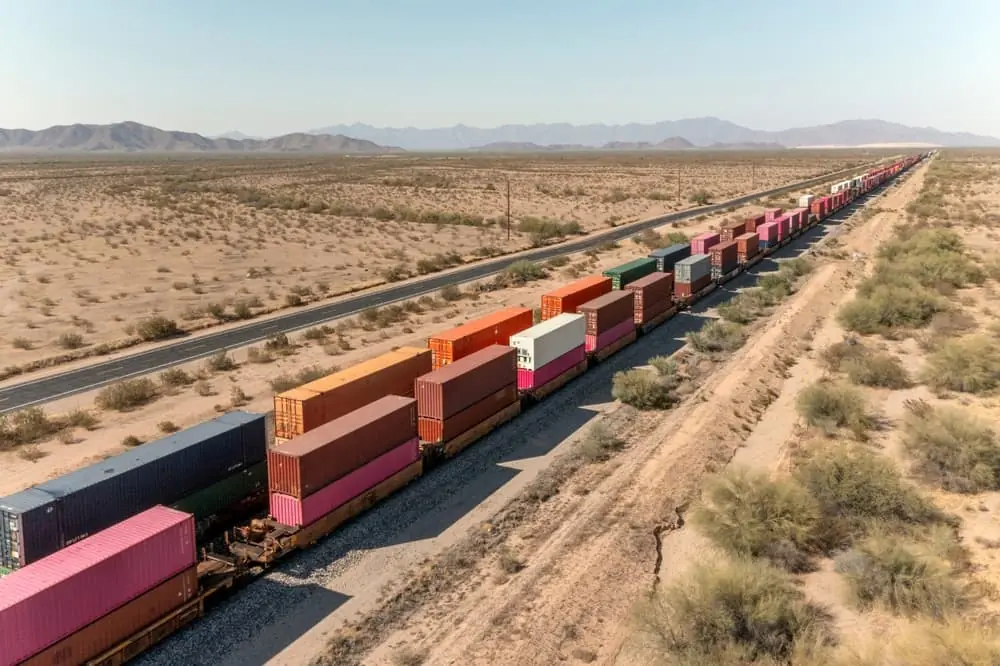
Many of the thieves involved in these thefts are Mexican nationals who leverage their U.S. connections. They operate in remote areas of California, Arizona, New Mexico, and Texas near the U.S.-Mexico border, targeting high-value cargo on trains, including expensive shoes, electronics, and medicine.
There are several ways train heists are conducted in the modern day. The most extreme incident occurred in January 2025, when a BNSF (Burlington Northern Santa Fe) train transporting Nike products was involved in a major theft. Here’s how it was done:
– Thieves waited until a train was moving slowly or was stopped for another train to pass or for fuel.
– The air-compression brake hoses, which connect the train cars and assist braking, were cut, forcing an emergency automatic stop.
– The thieves broke the locks on the train doors holding the cargo.
– The loot (thousands of unreleased Nike Air Jordan shoes) was collected and hidden in nearby bushes until it could be retrieved by separate vehicles.
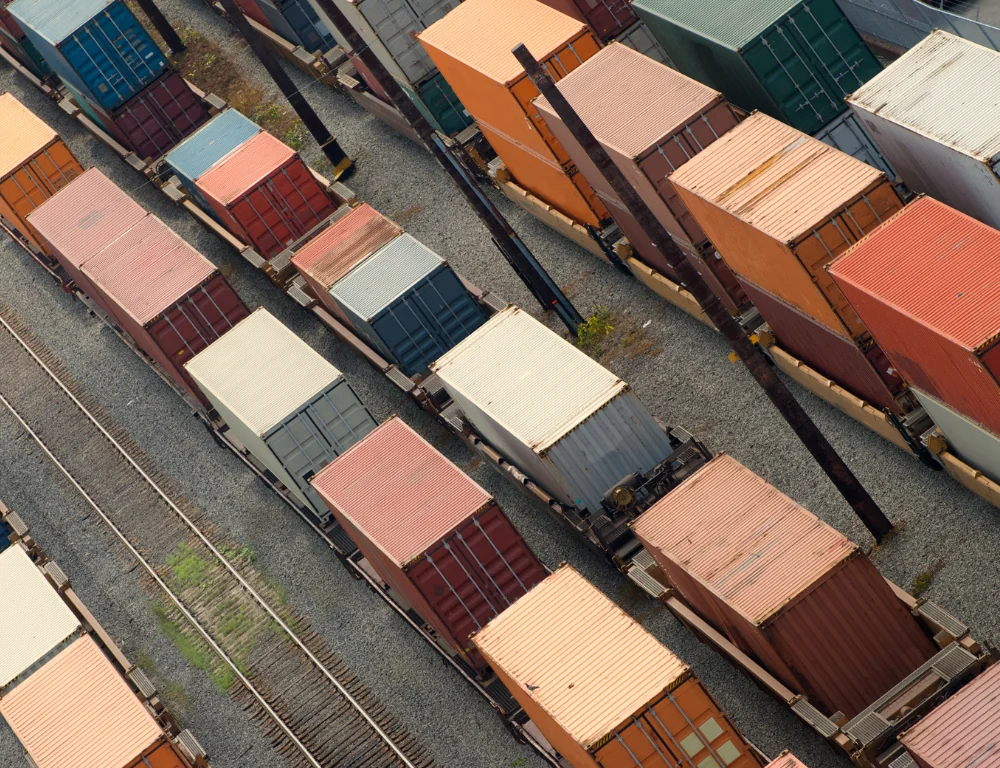
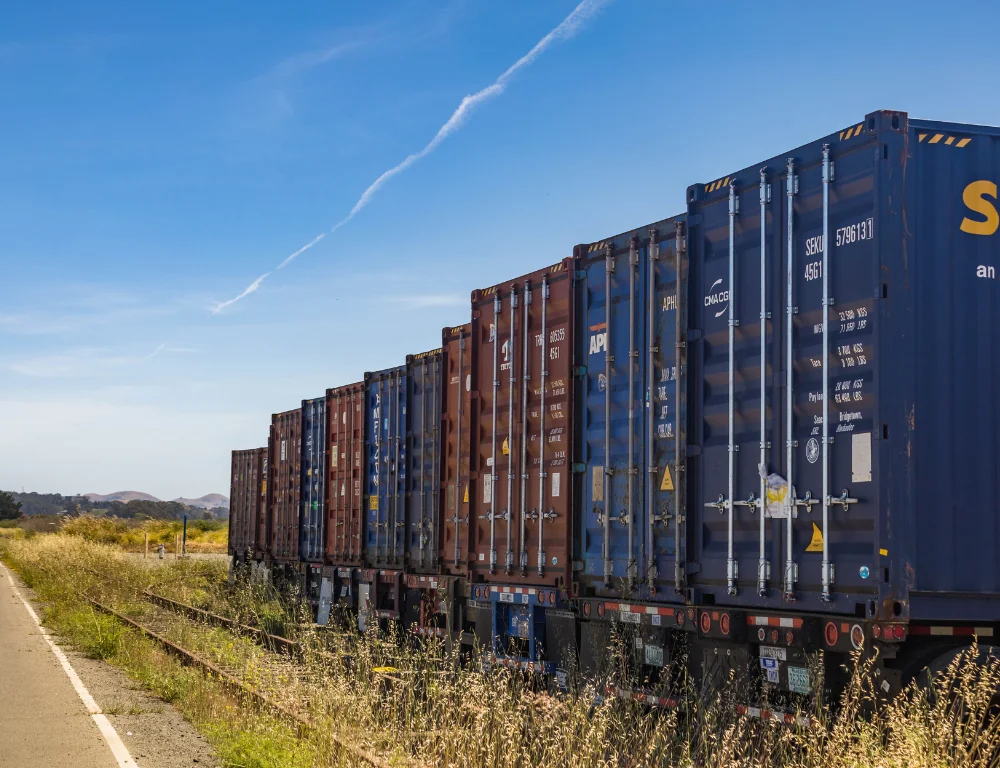
The thieves were able to use such an extreme method (almost) successfully for two main reasons. First, modern trains are often very long, sometimes several miles long. While train companies may implement surveillance and monitoring systems in many train cars, the cost of installing them in every car can be prohibitive. Conductors and engineers may overlook a heist on their train, especially when it stops to let other trains pass or refuel. Thieves wait for moments when crews let their guard down, taking advantage of the inability to monitor every car without detection.
However, this isn’t the only method thieves have at their disposal. Thieves may impersonate the consignee to take shipments and escape before anyone notices, leaving the theft undetected. They can also fake a booking, receive the shipment, and use fraudulent payments to avoid paying the shipper.
Even with more extreme methods of theft, modern technology has proven a valuable tool for thieves. They can infiltrate a company’s servers to access booking documents and shipment schedules. Thieves can then use tracking software to monitor train shipments in real time, allowing them to plan their thefts more effectively.
What’s Being Done To Prevent Train Robberies?
The response to significant train heists differs by location and the companies involved. Major corporations like Nike may have private loss-prevention teams that investigate alongside law enforcement. At the same time, smaller companies often rely on local sheriff’s departments, which may lack the resources to conduct thorough investigations and recoveries.
Train companies are cutting staff while lengthening trains to address economic challenges. While this has improved finances, it has compromised security, increasing vulnerability to theft. Additionally, with BNSF and Union Pacific as the only major freight rail companies, shippers have limited options for safer shipping alternatives.
So what are the authorities and train companies doing to protect precious cargo from train theft? Right now, one in ten train thefts results in an arrest, and often those thieves try again. To break the cycle, railroads have invested millions of dollars in crime prevention, working with other supply chain partners to improve their response to potential threats.
Some of the initiatives put forth include:
– Provide funding for prosecutors dedicated solely to cargo theft cases, ensuring they have the resources they need to litigate these cases effectively.
– Increase penalties for train theft offenders, including higher fines and longer prison sentences.
– Move forward with the Combating Organized Retail Crime Act (CORC), which aims to coordinate across federal agencies to address sophisticated cargo theft and supply chain attacks.
Of the three initiatives, the last one is making the most progress. The American Trucking Association urged Congress to pass the CORC Act during a Senate hearing on Capitol Hill in December 2025. While the primary focus of the hearing was on truck cargo theft, the act will also affect train theft.
However, state and federal intervention alone cannot completely stop rail theft for companies and shippers who cannot afford their own asset recovery teams. This raises an important question: What can smaller businesses and individuals shipping via rail do to protect themselves and their cargo from theft?
How Can Shippers Protect Their Freight From Train Robberies?
The key to preventing train robberies is early detection and immediate action when a theft occurs. Being prepared in advance ensures that your assets are returned to the shipper without further loss. Here are some ways shippers can protect their freight:
1. Create contingency plans. If you know that your freight is valuable to criminals, it’s crucial to develop a response plan in case your goods are targeted. Collaborate with your team to brainstorm potential theft scenarios and document important information. This should include contact details for reporting a theft, inventory lists, and any other necessary resources.
2. Invest in tracking technology. Returning to the Nike train robbery in January 2025, the case was solved thanks to Nike installing tracking devices on some of their containers. Thanks to this technology, law enforcement caught the thieves in two separate vehicles loaded with hundreds of stolen goods. Tracking technology can greatly benefit both shippers and law enforcement by enabling goods to be located quickly and efficiently.
3. Get freight insurance. The theft of your freight results in financial losses for both you and your customers. While it can be challenging to compensate your customers for these losses, you can take steps to protect your business from losing money due to train theft. Insuring your more fragile freight shipments will safeguard your assets against loss from damage or theft. Take the time to research the various types of freight insurance available for rail transportation to determine the best protection for you and your assets.
Train robberies may seem like a thing of the past, reminiscent of the Old West, but modern thefts demonstrate that they remain a risk. While methods have evolved, from horses to hacking, the motivation remains consistent: transporting high-value freight through hard-to-monitor networks.
This is why prevention is crucial. By planning ahead, utilizing tracking technology, and securing adequate cargo insurance, shippers can reduce losses and recover more quickly when theft occurs. Although rail security is improving, safeguarding freight ultimately requires a collective effort. Preparation is just as vital as the response to theft.