
The Traditional Shopping Experience
Do you like shopping? Yes? No? Maybe? No matter the answer to that, we all eventually have to make a trip to the store or look online for merchandise; it could be for anything – mechanics, crafts, food; it all had to be purchased, and then it would be sent, brought, or taken home.
Unlike clothing, most of these items you couldn’t try until you took them home, taking the risk of whether they would be for you or not. If not, you would need to return it to the store. We have all been frustrated by this process.
Making a simple return involves going back to the store and proving it’s yours, praying you didn’t toss the receipt. Today, however, businesses understand consumers’ apprehension in making purchases, especially in a saturated market. Prior, returns were rare. Now, it is often expected.
This puts a strain on logistics, which were designed for forward movement, not for backward movement. What was once a small part of the process is now becoming its own industry: the “try before you buy” (TBYB) strategy. Reverse logistics can handle simple returns, recalls, and restockings, but the process was not designed to handle a strategy as strong as TBYB, and it’s showing up across the retail and logistics industries. How is the “try before you buy” strategy reshaping reverse logistics in the first place?

The Rise of TBYB
As convenient as it is, what does this mean for logistics? Nothing good unfortunately, as nearly all the upsides are in the customer’s corner.
Once a trend hits, 50 stores sell some version of the item, and the quality varies. To combat this, we have since rising ‘try before you buy’ business markets. Instead of only being able to try clothing, this now extends to home good, electronics, and other merchandise.
For customers, this is such a great option. You do not have to commit to a purchase until you’re certain that it’s for you- if not you simply return it! This has led to the expectation that it will be offered and that customers will have a ‘risk-free’ shopping experience, especially for more expensive items.
In 2024, it was found that goods purchased online were returned at rates higher than in store shopping by 21%! The idea behind this is that offering the TBYB option will reduce online cart abandonment and increase conversions from TBYB to purchases. However, as you will see, for TBYB it’s more than just a return; it’s an entire new chain of operations!

The Operational Strain on Logistics
We know that with every great service there are several stages of trial and error, and as TBYB becomes more popular, we are seeing where the industry lacks. Companies must now integrate new systems for reverse tracking, verification, and reporting to ensure that the shipment is not only returned safely but also includes the proper items.
Package fraud has now made its way full circle. As a customer when ordering online, there is always that little thought in the back of your mind, “What if they send trash instead of my goods?” Well, in reverse logistics the shoe is on the other foot; companies are dealing with this in return. Customers will purchase their item, initiate a refund with a return and the original packaging with another item that is not what was purchased, or they will send back a fraudulent version of the item.
Beyond the items, operations will see an increase in cost as needed for additional labor increases. Reverse logistics requires more warehouse labor to do additional inspections and sorting. From there they will need to have staff or facilities that are able to repackage or refurbish the items before transporting them again for consignment or storage. In 2023 alone, the total U.S. retail returns reached $743 billion.
Many business owners are having to determine if the customer’s convenience is worth it. Companies face higher return volumes with increased intentional/fraudulent returners, strain carrier networks, and higher operational costs. Reverse logistics is feeling a heavy effect of this as it becomes more common.
The Need for Better Return Visibility
The industries across the board are having to find solutions to fix several underlying issues such as greater need for return visibility. When sending it is pretty simple, you contact your carrier, package the item, and get ready for it to go. It is starting from your business going to your customers, whether it be a home, business or P.O box, this happens every day and most of the time without a hitch.
Now let’s do it backward! Customers received the item, and it doesn’t fit their needs; they initiate a return. Now what? Customers must now package and label (some companies may supply the return label), and it’s off.
Now here is where visibility is lacking: often, retailers struggle to track the returns across multiple carriers and channels. If a customer purchases or does their own return due to the company not offering a label or the customer wishing to do it themselves, there is a chance that the shipping speed, tracking type, and verification offered may not be enough to ensure that the product does not get lost.
Issues like these led to delayed refunds, lost/unprocessed returns, and additional operational costs/losses. These consequences are often seen as the company offering a poor customer experience, but that’s not the case. The lack of return visibility is becoming a major pain point in the industry as the service grows in popularity.
The Pressure on Smaller Retailers
There is also a strain on smaller retailers to follow suit. Smaller brands feel the financial and operational strain of TBYB more intensely, as they lack the infrastructure to absorb high return rates. These businesses have a smaller capital and are now competing with large retailers, which becomes financially risky for these small businesses.
What makes it difficult for the retailers is that they often lack a dedicated team to process returns and handle getting them to their next stage in life. Larger business which offers the Try before you buy service, usually a dedicated team, automated systems and negotiated carrier rates for there to be less of a financial burden.

The Environmental Impact of TBYB
Every TBYB order creates two shipments: outbound and potential returns. Reverse‑logistics transportation significantly increases carbon output. The requirement for a single order/item is now being sent on double trips. The carbon footprint of reverse logistics is significantly higher because return routes are less efficient and harder to consolidate in the long run.
Double shipping increases fuel consumption and adds more trucks to already congested delivery routes. These routes become less efficient because return pickups are scattered and unpredictable, unlike outbound routes that can be optimized and planned in advance.
Adding more vehicles on the road also increases operational costs, as carriers must drive extra miles to accommodate return pickups, increasing fuel consumption even when trucks aren’t full. Increased fuel use directly raises carbon emissions, making TBYB one of the more environmentally costly retail trends.
Beyond emissions and congestion, returned items must either be repackaged (taking additional resources), or be disregarded and thrown away. Many returned goods cannot be resold as new, and demand for reused goods drops. Also, any items that are held to be resold often will often move through liquidation channels, which still require transportation and handling. The products that end up in landfills contribute to long-term environmental strain, especially electronics and mixed-material goods.
Customer Expectations Vs. Retailer Reality
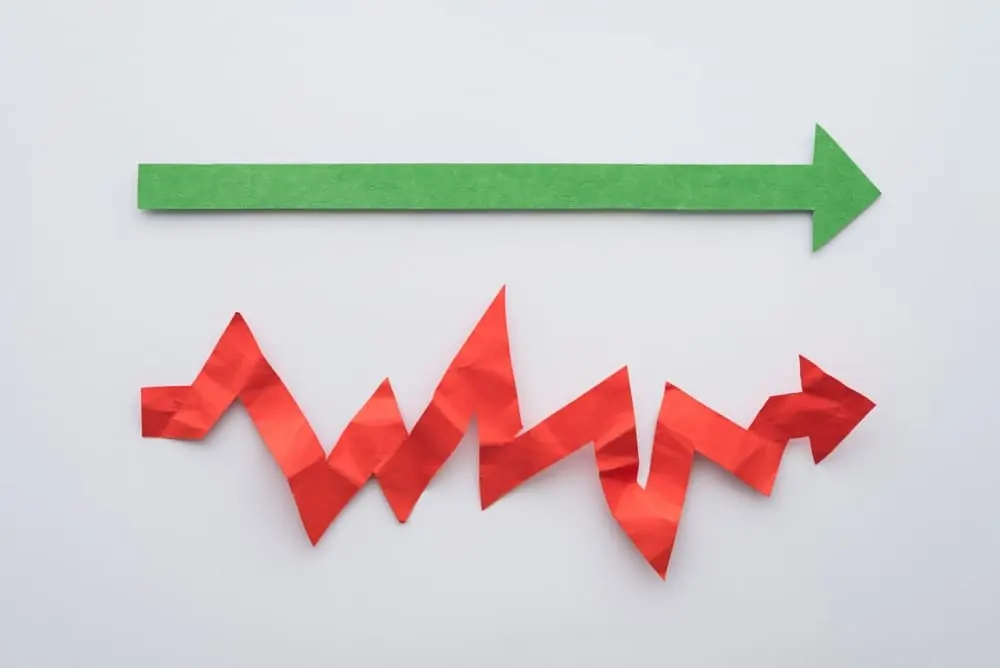
Customers love TBYB for convenience, but retailers absorb the cost, labor, and environmental burden. Customers expect fast shipping and free returns no longer as additional services but free with their purchase. Although these do improve customer experience, they also impact operational efficacy.
Shoppers think that the return process is simple. But behind the scenes, it requires labor, processing, and transportation, and even though consumers do not see the environmental impact of double shipping, suppliers must account for it.
These retailers must absorb the cost of repackaging, restocking, refurbishing, or liquidating returned items all to keep the customer expectations for “no‑risk shopping” to push retailers to offer TBYB even when margins are already thin.
Conclusion
The convenience customers enjoy often results in slower warehouse operations and increased strain on carrier networks, and that tension sits at the heart of the TBYB challenge. What feels seamless to the shopper creates a far more demanding process behind the scenes, adding labor, transportation, and environmental pressure that retailers must absorb.
Smaller businesses feel this shift even more intensely, lacking the teams, systems, and negotiated rates that larger retailers rely on. As return volumes grow and expectations for “no‑risk shopping” continue to rise, the industry is left balancing customer convenience with operational reality.
TBYB may offer an effortless experience at the front end, but its impact on reverse logistics is anything but simple.