What Is Reverse Logistics?
Compare freight options and coordinate product returns, repairs, recalls, and recurring reverse shipments with expert support.
FreightCenter helps businesses quote, compare, and book freight transportation for products moving back through the supply chain.
Reverse Logistics Shipping Services and Resources
LTL Freight Shipping Truckload Freight Services Expedited Freight Services Retail Supply Chain Logistics


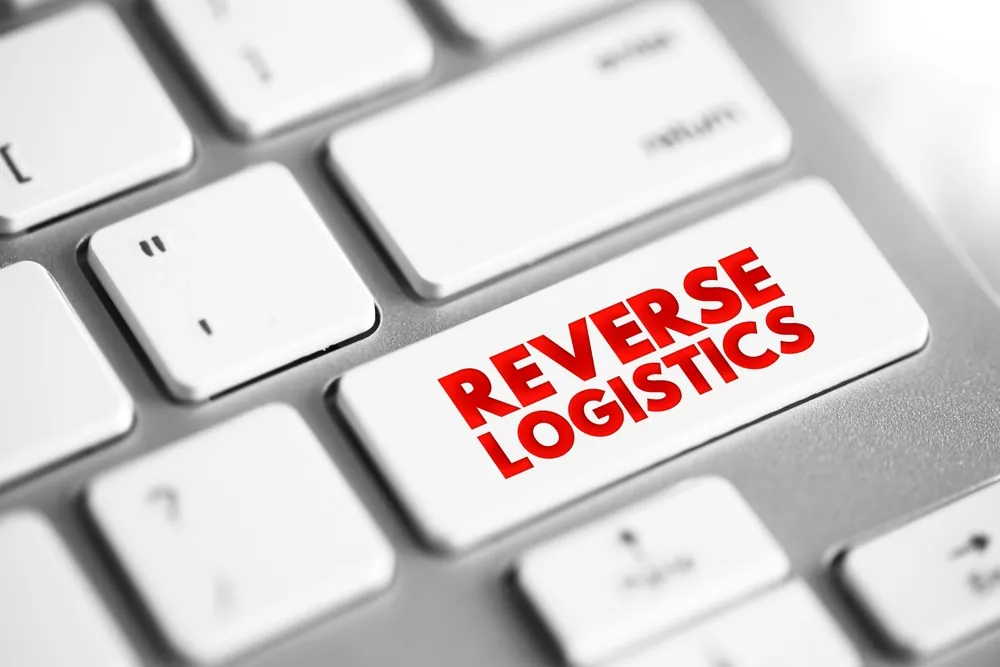
What Is Reverse Logistics?
Reverse logistics is the process of moving products back through the supply chain after they have reached a customer, retailer, distributor, or another destination.
Products may move backward for returns, repairs, recalls, refurbishment, recycling, redistribution, or inventory recovery.
For businesses moving pallets, equipment, machinery, or large quantities of returned products, one of the biggest challenges is figuring out how to move those items efficiently from where they are now to where they need to go next.
That is where FreightCenter helps.
Instead of treating every return as a completely separate shipping problem, businesses can use FreightCenter to compare freight options, book transportation, and build a more repeatable process for recurring reverse shipments.




Thousands of businesses trust FreightCenter to move their freight faster, smarter, and cheaper! From unbeatable rates to top-notch service, our customers are raving about their shipping success.
See why they keep coming back!
Award-Winning Service, Trusted by Shippers Everywhere!
- 2021, 2017 & 2016 Food Logistics’ Top Green Providers
- 2021 & 2018 Supply & Demand Chain Executives’ Pros to Know: Matthew Brosious
- 2020 & 2019 Top Food Logistics’ 3PL & Cold Storage Provider Award
- 2020 & 2019 Business Observer’s Top 500 Companies on the Gulf Coast
- 2020 & 2017 SmartWay® Transport Partner
- 2020 & 2017 Food Logistics’ Champions: Rock Stars of the Supply Chain
- 2020 Best of Palm Harbor Awards for Local Businesses
- 2017 Green Supply Chain Award from Supply & Demand Chain Executive
- 2017 Tampa Bay Business Journal Heroes at Work
- 2016, 2015, & 2012 Food Logistics Top 100 Software and Technology Providers
- 2013 Tampa Bay Business 100 by Tampa Bay Business Journal
- 2013 Top 100 Great Supply Chain Partners by SupplyChainBrain
- 2012 TIA Samaritan Award Honorable Mention
- 2012, 2011 & 2010 TBBJ Fast 50 Recipient
- 2013, 2011, & 2010 Diversity Business Top Businesses
Why Businesses Choose FreightCenter for Reverse Logistics Shipping
Reverse logistics becomes harder when returns come from different locations, require different transportation services, or happen repeatedly throughout the year. FreightCenter helps businesses simplify those shipping decisions by bringing freight comparison, booking, and expert assistance into one place.
- Compare freight rates and service options: Evaluate available transportation choices based on shipment size, route, timing, and delivery requirements.
- Match each return to the right shipping method: Compare LTL, truckload, expedited, specialized, intermodal, and other options instead of forcing every return into the same process.
- Get help with complex return freight: Work with freight experts when returned equipment, oversized items, unusual pickup locations, or urgent timelines require additional planning.
- Make recurring returns easier to manage: Create a free FreightCenter account to save shipping information and simplify repeat quoting and booking.
- Get more value from regular shipping: Frequent shippers can explore FreightCenter Shipping Rewards while continuing to manage their freight needs through the platform.
Reverse Logistics vs. Reverse Shipping
Reverse logistics covers the broader process of managing a product after it begins moving backward through the supply chain. This may include returns, repair, refurbishment, redistribution, recycling, or final disposition.
Reverse shipping is the transportation portion of that process that physically moves the product to its next destination.
For example, a manufacturer may authorize a warranty return and determine that a piece of equipment needs to go to a regional repair facility. The entire return process is reverse logistics, while the freight movement that gets the equipment to the repair facility is reverse shipping.
Why Reverse Logistics Matters for Businesses
A well-planned reverse logistics process helps businesses move returned products to the right destination without creating unnecessary transportation steps. This becomes especially important for companies managing recurring returns, repairs, warranty programs, inventory redistribution, product recalls, or equipment recovery.
How Does Reverse Logistics Work?
A reverse logistics shipment usually starts by determining why the product is moving, where it needs to go next, and how it should be transported.
- Identify Why the Product Is Moving
Determine whether the product is being returned for repair, recall, refurbishment, redistribution, recycling, warranty evaluation, or another business need. - Determine the Correct Destination
The product may need to go to a repair facility, warehouse, manufacturer, supplier, distribution center, refurbishment facility, or another processing location. - Prepare the Shipment
Confirm the current packaging, dimensions, weight, loading requirements, and pickup conditions before requesting a freight quote. - Compare Freight Options
Evaluate transportation options based on shipment size, urgency, distance, destination, and handling requirements. - Book the Return Shipment
Select the appropriate freight option and arrange transportation to the correct destination.
Important: A returned product does not always need to go back to its original shipping location. It may need to move directly to a repair center, supplier, warehouse, manufacturer, or processing facility. Confirming the correct destination first can help prevent an unnecessary second freight move.
Choosing a Freight Service for Reverse Logistics
There is no single freight service that works best for every return. The right option depends on how much is moving, how quickly it needs to arrive, where it is being picked up, and whether the shipment has special handling requirements.
One or a Few Pallets: Compare LTL Freight
Less-than-truckload shipping may work well for palletized or crated returns that do not require an entire trailer.
Common examples include retail returns, warranty equipment, replacement parts, excess inventory, commercial products, and smaller batches of returned goods moving back to a warehouse, manufacturer, or distribution facility.
Several Pallets or Larger Return Volumes: Compare Larger Freight Options
When several pallets or larger quantities are moving together, businesses may want to compare LTL with partial truckload or full truckload options.
This can be especially useful for consolidated store returns, seasonal inventory, manufacturing returns, inventory recovery programs, and multiple pallets moving to the same destination.
The goal is not to automatically choose the largest transportation service. It is to compare available options based on the actual shipment.
Time-Sensitive Returns: Compare Expedited Freight
Some reverse shipments are routine. Others may affect business operations if they do not arrive quickly.
Failed equipment, critical replacement components, urgent repairs, and time-sensitive product recalls may require faster transportation.
Ask yourself: What happens if this shipment arrives a day or two later?
If the delay could affect production, repairs, customers, or business operations, expedited freight may be worth comparing.
Large, Delicate, or Difficult Freight: Explore Specialized Shipping
Returned equipment can sometimes be more difficult to ship than when it originally arrived. The original crate may be gone, equipment may now be assembled, the pickup facility may not have a loading dock, or the item may have unusual dimensions.
Specialized freight may be appropriate for machinery, oversized products, delicate equipment, unusual configurations, or shipments that require additional loading or transportation planning.
Compare reverse logistics freight options based on your shipment’s actual requirements.
How to Prepare a Reverse Freight Shipment
Returned products may not be in the same condition or packaging they were in when originally shipped. Before requesting a freight quote, confirm these five important details.
1. Check the Current Packaging
Determine whether the original packaging can still be used or whether the product needs to be repalletized, crated, boxed, or otherwise protected before transportation.
2. Measure the Final Packaged Shipment
Measure the shipment after it has been fully prepared for transportation. Record the complete length, width, and height, including pallets, crates, protective packaging, or anything extending beyond the product itself.
3. Confirm the Total Weight
Use the final packaged shipment weight, including pallets, crates, and protective materials.
4. Check the Pickup Conditions
Confirm whether the pickup location has a loading dock, forklift, loading equipment, adequate truck access, appointment requirements, or other restrictions that could affect pickup.
5. Verify the Correct Destination
Determine whether the product should go to a repair center, manufacturer, supplier, warehouse, distribution center, refurbishment facility, or another designated location.
Quick takeaway: Quote the return shipment as it exists today, not solely based on how it was originally shipped.
Why Pickup Conditions Matter More With Reverse Freight
Outbound freight often starts at a warehouse or facility designed to ship products. Reverse freight may leave from a retail store, customer facility, job site, service center, or another location with limited loading equipment.
Warehouse pickup: A loading dock, forklift, and trained shipping staff may make loading relatively straightforward.
Retail or customer pickup: Limited equipment, restricted truck access, appointment requirements, or no loading dock may require additional planning.
Machinery or equipment return: Missing original packaging, assembled equipment, unusual dimensions, or difficult loading conditions may require additional preparation or specialized transportation.
Before booking, ask one simple question: How will this shipment physically get onto the truck?
Should You Consolidate Multiple Returns?
Multiple compatible returns moving toward the same destination may be candidates for consolidation, but the right choice depends on timing, storage, shipment volume, and transportation cost.
Ship Returns Individually When:
- The shipment needs to move quickly
- Storage space is limited
- Returns become available at different times
- Products are moving to different destinations
- Waiting could delay repairs, replacements, or operations
Consider Consolidating Returns When:
- Several shipments share the same destination
- Products can safely wait before shipping
- Return volume accumulates quickly
- Several pallets can move together
- A larger freight movement can be compared against multiple smaller shipments
The decision usually comes down to four factors: speed, storage, volume, and transportation cost.
There is no universal best option. Businesses should compare the transportation strategy based on how their returns actually move.
Reverse logistics often connects with broader supply chain, transportation, and inventory decisions. Explore these FreightCenter resources to compare additional ways to manage return and recurring business freight.
Explore freight solutions for retailers managing inventory movement, distribution, replenishment, and product returns.
Enter shipment details, compare available freight pricing, and evaluate transportation options before booking.
Explore whether rail and truck transportation may fit qualifying long-distance or recurring freight lanes.
Explore transportation options for freight moving across international borders by available ground, air, and ocean services.
 Guaranteed competitive pricing every time you ship.
Key Factors That Affect Reverse Logistics
The efficiency and cost of reverse logistics depend on the type of product being returned, shipping distance, transportation method, and handling requirements. Planning these factors early helps businesses improve return operations and control transportation costs.
Key factors include:
- Product Type: Size, weight, and condition determine the appropriate freight service.
- Return Volume: Large return programs may benefit from consolidated freight shipments.
- Transportation Method: LTL, truckload, expedited, and specialized freight each serve different return needs.
- Pickup and Delivery Locations: Warehouse, retail, and commercial locations may have different shipping requirements.
- Packaging: Proper packaging helps protect returned products during transportation.
- Processing Timeline: Urgent repairs, warranty replacements, or recalls may require expedited shipping.
Reverse logistics plays a broader role in inventory recovery, returns management, repair programs, refurbishment, and the movement of products back through the supply chain. For additional industry perspective, the Association for Supply Chain Management’s guide to reverse logistics explains how reverse flows fit into broader supply chain operations.
Simplify your reverse logistics process with customized freight solutions. Request a reverse logistics quote from FreightCenter today.
Frequently Asked Questions About Reverse Logistics
Q. What is reverse logistics?
Reverse logistics is the process of moving products from the customer back through the supply chain for returns, repairs, recycling, refurbishment, or disposal. It helps businesses recover value, improve inventory management, and support customer satisfaction.
Q. What does reverse logistics mean?
The reverse logistics meaning refers to managing the movement of products after they have reached the customer. Instead of shipping products to consumers, reverse logistics focuses on returning items for inspection, repair, resale, recycling, or proper disposal.
Q. What is reverse shipping?
Reverse shipping is the transportation of products from the customer or end user back to a retailer, manufacturer, warehouse, or distribution center. It is one part of the overall reverse logistics process.
Q. Why is reverse logistics important in supply chain management?
Reverse logistics supports supply chain management by helping businesses recover products, reduce waste, and improve inventory control. An effective reverse logistics strategy can also enhance customer satisfaction and operational efficiency.
Q. What products can be shipped through reverse logistics?
Nearly any commercial product can be managed through reverse logistics. Common examples include retail merchandise, electronics, medical equipment, industrial machinery, automotive parts, furniture, and manufacturing equipment.
Q. What freight services are available for reverse logistics?
FreightCenter offers multiple transportation solutions for reverse logistics shipments. Businesses can compare LTL, full truckload, expedited, specialized, intermodal, air, ocean, and cross-border freight services based on their shipping needs.
Q. Can FreightCenter help with recurring product returns?
Yes, FreightCenter supports recurring reverse logistics programs for businesses with ongoing return shipments. Our team helps simplify transportation planning and freight management for repeat return operations.
Q. How can businesses reduce reverse logistics costs?
Businesses can reduce reverse logistics costs by consolidating shipments, providing accurate shipment information, and choosing the right freight service. FreightCenter helps compare transportation options to improve shipping efficiency.
Q. Does FreightCenter support international reverse logistics?
Yes, FreightCenter coordinates domestic and international reverse logistics shipments. Businesses can utilize ocean freight, air freight, and cross-border transportation for global return programs.
Q. Can reverse logistics support sustainability initiatives?
Yes, reverse logistics helps support sustainability by encouraging product reuse, refurbishment, recycling, and responsible disposal. These practices can reduce waste while extending product life cycles.
Q. Can I create a FreightCenter account for reverse logistics?
Yes, creating a FreightCenter account makes it easier to manage recurring return shipments and freight activity. Businesses can streamline quoting, booking, and shipment management from one centralized platform.
Q. Why choose FreightCenter for reverse logistics?
FreightCenter helps businesses simplify reverse logistics with flexible freight solutions and experienced logistics support. From one-time returns to enterprise-wide reverse supply chain programs, we provide customized transportation options designed around your business.
3 Things You Probably Didn't Know About Reverse Logistics
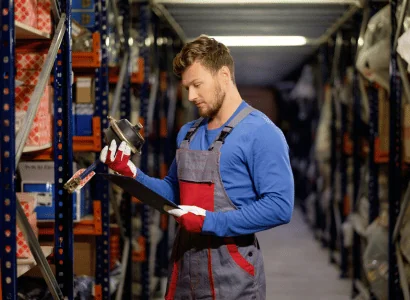
Reverse Logistics Includes More Than Customer Returns
Reverse logistics covers much more than returned purchases. Businesses also use it for warranty claims, product recalls, repairs, refurbishment, recycling, inventory redistribution, and asset recovery throughout the supply chain.
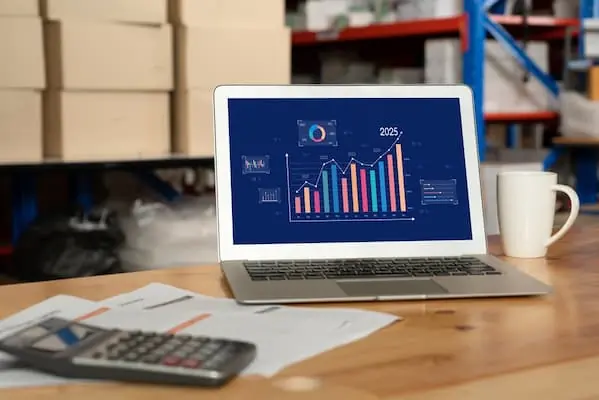
An Efficient Reverse Logistics Process Can Lower Operating Costs
A well-managed reverse logistics strategy helps businesses reduce transportation costs, recover product value, improve inventory visibility, and minimize unnecessary waste across the supply chain.

Reverse Logistics Plays a Major Role in Sustainable Supply Chains
Many companies use reverse logistics to support sustainability initiatives by repairing, refurbishing, recycling, or redistributing products instead of sending them directly to disposal.