

The holidays are quite a busy time. With so much inventory moving from retailers and customers, the warehouse becomes a hectic rollercoaster of shipments, and keeping up with it is exhausting. But once the holidays pass, many warehouse workers breathe a sigh of relief…for like a day or two. While some places might be slowing down this time of year, that’s not happening with warehouses. If anything, the work will get even busier!
Some may wonder why that is? Holiday shopping has ended, so what has gotten warehouses so busy in January? One word: Returns.
January is notoriously known as the time for returns, so much so that many have dubbed it “Returnuary,” with returns rising dramatically by 25%-35% after Christmas has passed. So while some may see more of a lull this time of year, those working in logistics know that the battle isn’t over yet. It can be pretty exhausting to manage these challenges, which is why we want to share some tips to help you navigate the hectic warehouse events ahead!
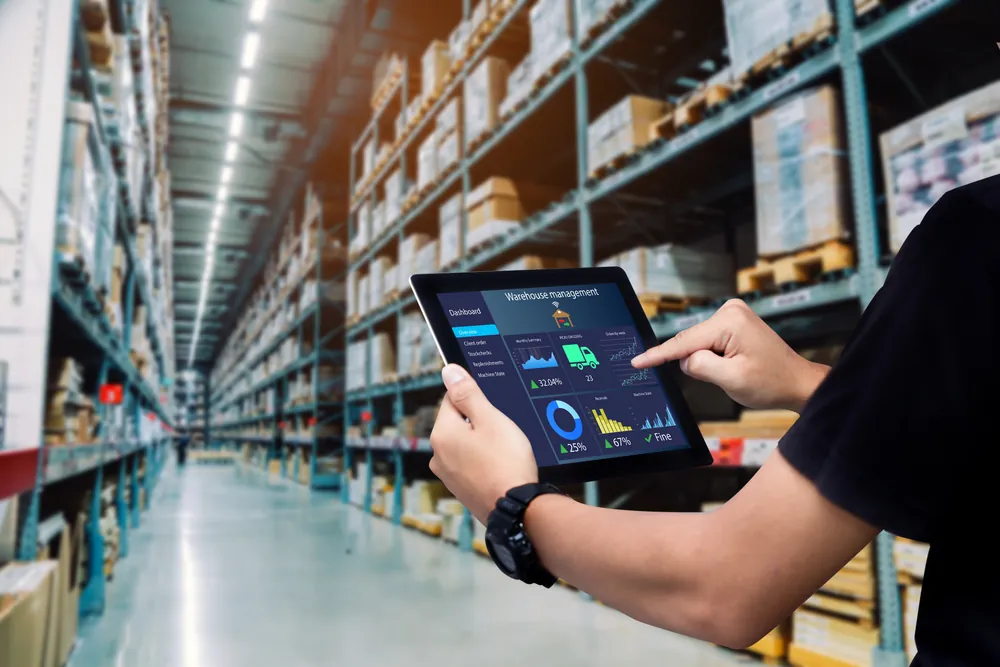
Managing Reverse Logistics
The biggest hurdle when January rolls around is maintaining high inventory levels amid high returns and ongoing demand from retailers and consumers. A meaningful way to handle this high volume is to tackle your returns head-on and build a returns management system. This involves knowing what returns you receive and how to handle them properly. Without carefully considering your returns inventory, you could end up with a huge mess that could take away from important work for other inventory and cause issues with customers or manufacturers, which in turn could get you in worse trouble.
Building a management system requires knowing everything that comes in and inspecting returns to ensure the condition at the time of receipt. Keeping returns separate from products helps to organize the space more efficiently. Breaking it down even further, you want to check whether something is authorized to keep moving in the system or if it gets tossed. Things like perishable foods, broken or hazardous goods, or penny items are typically thrown away because they are considered not worth shipping or keeping around. Some items may still be good, depending on their condition, and are kept in stock for resale. Thus, they need to be cataloged appropriately to ensure that space is used as efficiently as possible.
That’s why it’s important to stay up to date with the latest technologies, such as tracking systems, sorters, and AI, to make reverse logistics faster and easier. This way, you won’t pile up returns and get delayed, but instead run your operations smoothly and stay on track.
It’s also good to separate incoming returns from other shipments so that they are handled properly. This means giving returns a dedicated, organized space and labeling them accordingly, whether they go back to the manufacturer, are resold as used, or thrown away.

Having a Balanced Inventory
Keeping your returns in check is an important factor in your warehouse. However, it’s only one piece of the puzzle. There are other moving parts to your warehouse that need to be kept in check, such as your inventory. Once a return is processed, it may remain in the system and become part of the overall inventory. That’s why keeping your inventory balanced is key, so that you don’t get overwhelmed.
It’s good to keep track of how much inventory is in your warehouse. As mentioned in the previous section, utilizing and maintaining technology should be a priority, as it is great at tracking what comes in and out each day. However, mistakes sometimes occur, which is why it’s also good to manually count what you have in stock. This is why it’s also good to retain seasonal hires during this time, as additional manpower can help keep up with returns arriving at your warehouse.
Sometimes during the holiday season, an item might become popular and sell like crazy, only for many people to not like it and return it. In some cases, it might be manageable to keep some of that inventory in case others want to buy it. But other times, the returns become too much, and you end up with way too much stock than you’re able to keep. That’s where liquidation can help!
Liquidation allows you to make a bit of cash from unsold merchandise and keep space open for other inventory that comes in. That way, inventory doesn’t needlessly get thrown in the trash, and you can manage your space more efficiently with more room to spare than if it were taken up by excess inventory!
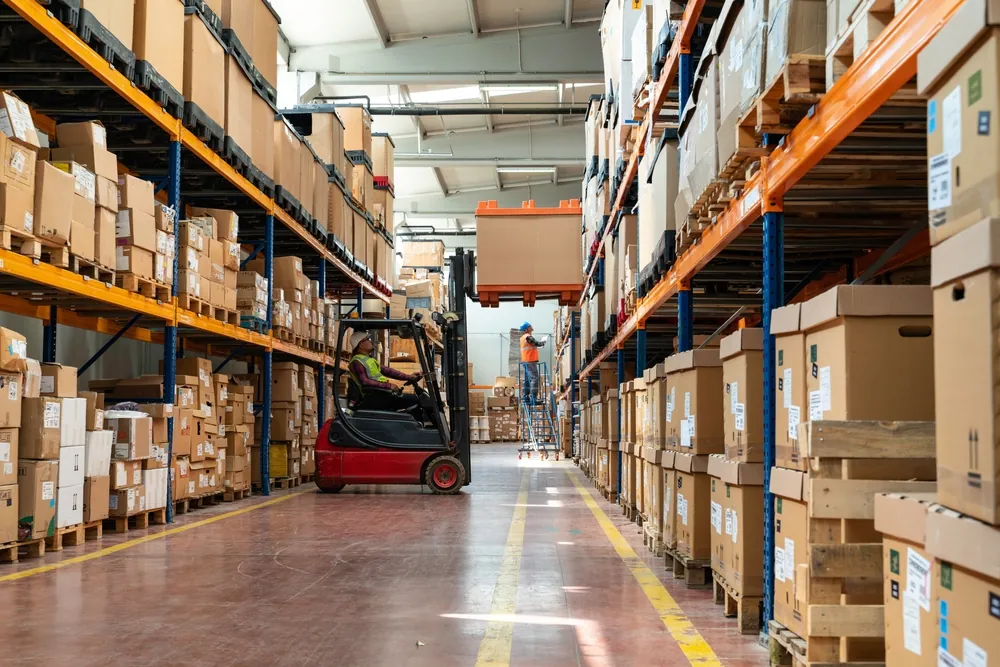
Strategizing Your Slotting
While working through these busy return times, inventory space can get pretty tight. From handling returns to managing new inventory going in and out on a daily basis, it can make your slotting seem difficult. However, with the right strategy, slotting can become a smoother, more organized experience with just the right help.
A good way to make slotting more efficient is to ensure that everything is organized properly. This doesn’t just mean returns getting their own section, but other stuff like trash, used inventory, and unused inventory do too. Finding a good balance with organization helps too; if your sections are too broad, then it can cause lost time due to searching. However, too many sections can reduce flexibility and leave you without the space you need, which can mean losing time reorganizing them. You also want to design each section to ensure some unoccupied space so that influxes of shipments don’t overwhelm your space, forcing you to place them elsewhere, and confuse your systems.
Keeping track of how often inventory comes in or out also helps you better design the locations of these shipment sections. This ensures that inventory that moves more quickly can be placed in a more convenient, closer spot, whereas inventory that tends to stay in-house longer can be stored farther back. Using a system that tracks inventory movement can help create a system for where things need to go, or use strategies like ABC slotting to make your space more efficient.
Trends change all the time; that’s why staying proactive and vigilant helps keep your warehouse moving. Once the return season starts to end, it’s good to take advantage of the slower time and see what you can improve. Taking a look at the data, shifting spaces around, and seeing how space can be used more efficiently in the overall warehouse ecosystem. It can certainly be a tricky ordeal, but you got this!