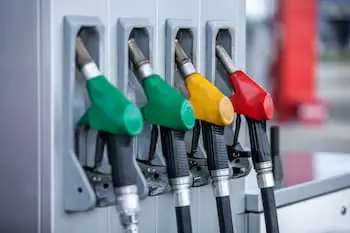
In 2026, fuel ceased to be a background utility and became the central anxiety of global civilization. It is no longer just an abstract economic metric; it is measured in the soaring costs at the pump, the hours-long lines snaking around gas stations, and the ticking clock of depleting global reserves. Everyone is watching the gauges run down, wondering just how much time is left.
But while society obsesses over the price per gallon, we rarely confront the true, terrifying baseline: What happens when the reserves hit absolute zero? When discussing fuel volatility, we must look beyond mere shortages and consider the total paralysis that comes from running out entirely. If the taps dry up tomorrow, do we actually have the alternative energies and logistics frameworks ready to catch us, or are we about to free-fall?
Let’s use research and our imaginations to ask the most important question on the industry’s mind right now: what would logistics look like if fuel ran out?
The Immediate Shock
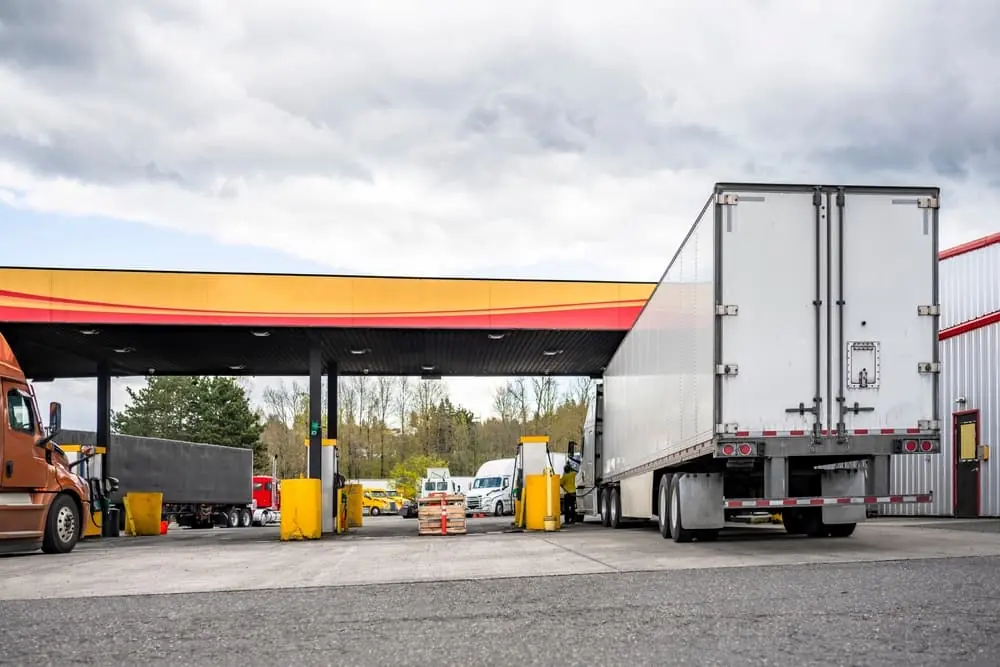
Nearly 80% of all global trade relies on container ships, and 95% of global trade relies on oil to make it happen. Once depleted, the force would cause immediate catastrophic system seizure. As most fleets have not transitioned to alternative modes, this would force major regions to shrink geographically to prioritize survival over convenience.
With a nation always on the move, without fuel, everything comes to a shrieking halt. The effects would be noticeable within the first 72 hours. Modern supply chains will begin to panic, as post-pandemic, many retailers and distributors rely on just-in-time delivery, meaning most retailers have only a few days of inventory beyond what is on the sales floor.
The initial shock would ripple through communities as stores would run out of fresh goods within the first 3 days. Once consumers notice, panic buying (and looting) will set in, leaving many stores barren within a week.
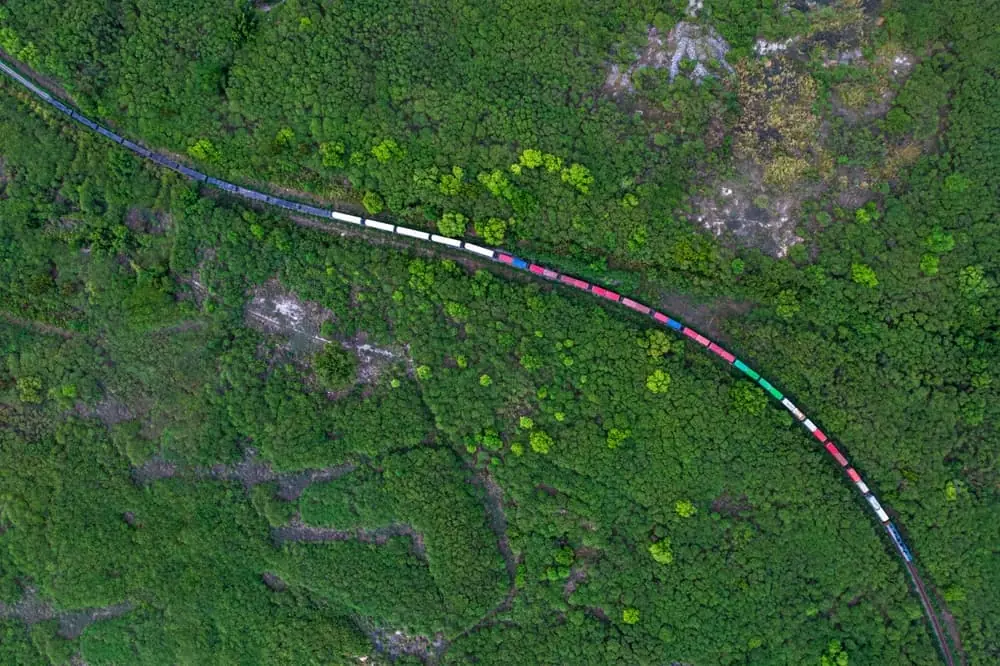
The panic wouldn’t end there; many companies would divert fuel to less costly modes, leaving cargo ships, freight trains, and heavy haulers stranded as they consume the largest quantities of fuel. Other local services would be less accessible, as fuel reserves would be on standby for emergencies only for short periods.
The Aftershock
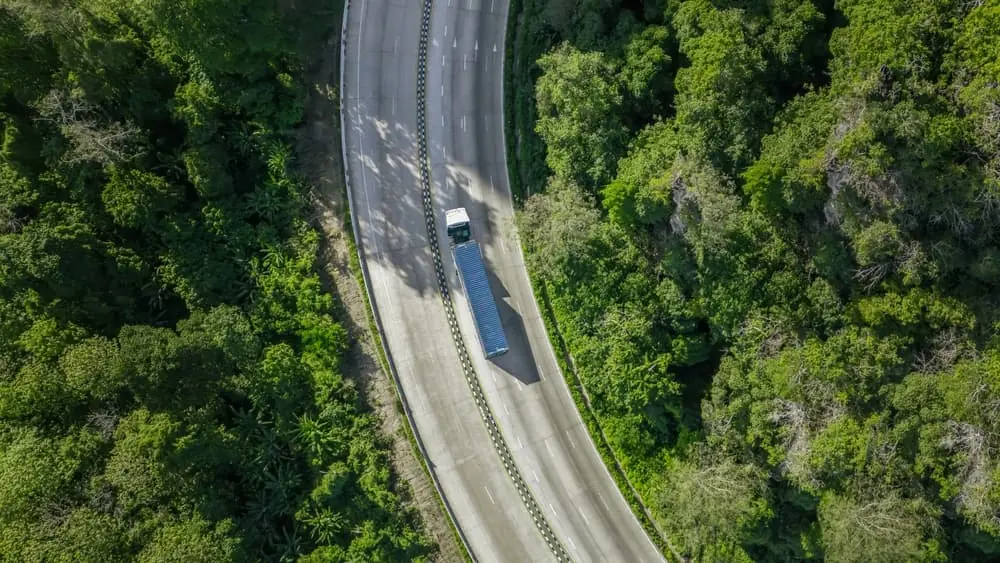
The weeks following the fuel outage will show how strong our infrastructure is. Major utilities will begin to fail, including water pumping, sewage treatment, and communication networks, as emergency generators will run out of fuel to keep them operating.
There would be a medical crisis as hospitals exhaust fuel reserves, and electrical and mechanical systems would face heavy operational constraints once reserves are depleted, including equipment used for lifesaving measures. As equipment begins to fail and goods run out, there would be no replacements, as deliveries can’t be made and fuel is reserved.
This would also encourage mass urban exodus, as people leave for more hospitable areas in search of locations that can offer sustainable food and water supplies. In the long term, this would lead to localized economies as commerce is limited by what human, animal, and bicycle power can manage.
We have come so far technologically, but when the fossil fuel timeline ends, we are forced to take a few steps back toward historical maritime travel, utilizing wind and water to get where we need to go. The pivot wouldn’t be to water alone but to renewable energy.
Not only logistics but society as a whole would be forced to transition to electric, wind, or nuclear energy sources, which would completely restructure how we move global goods as a whole.
The New Normal
Unlike many apocalyptic scenarios, the post-reality isn’t recovery but reinvention. There would be a forced rollback to the late-19th-century logistics footprint with retrofitted digital communication. Simply, with traditional fuel sources depleted, logistics won’t disappear but will reshape itself.
Instead of being business-focused, what logistics would become is survival-focused. Without diesel or gasoline, the global economy must either rely on renewable transport systems or transition to them. Wind and water would be our primary focus, especially for freight.
To effectively utilize maritime transportation, there must be an emphasis on sail-assisted systems, steam engines, and wind-powered technologies. This shift would encourage people to relocate to coastal or riverside towns to take full advantage of nearby waterways. In this envisioned future, smaller cargo ships would be equipped with automated kite sails and rigid wing sails. Shipping routes would revert to historical trade winds, transforming a 10-day Atlantic crossing into a 40- to 60-day voyage.
While the average citizen would rely on the elements to move freight, larger entities such as the military would confiscate any remaining nuclear-capable vehicles and tightly control their use for high-priority military purposes.
The transition would be uneven. While coastal regions quickly retrofit massive cargo hulls with automated kite-sails, landlocked logistics would initially regress to animal traction and human muscle power while small-scale solar-powered fleets are cobbled together from the remains of the old grid.
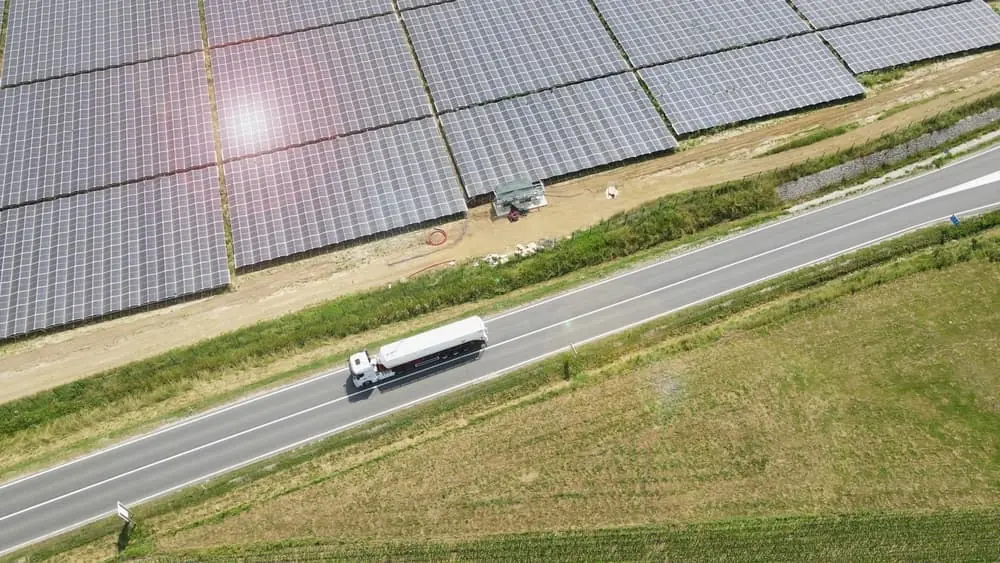
The first to make way beyond water transportation would be solar. Solar-powered vehicles would need to shift from concept to reality, operating independently rather than relying on grid power and established electricity infrastructure. These fleets would be small, slow, and limited in capacity but would be able to keep essential goods moving.
Small Cities and Local Economies
When no one can travel long distances, individuals are required to shrink our communities from the ground up. As we cannot rely on long-haul freight, areas can survive only if they stay within their means.
Smaller communities would be forced to shift toward industrialization to supply or trade with other communities, if not their own. Those who are able would be encouraged to transfer into maintenance roles. This push would be heavy on machine shops, which would be encouraged to make replacement parts on demand to prevent the total breakdown of current systems.
Logistics technology would advance in terms of fuel consumption, but its basic operations would be streamlined as universal design principles are reinstated to extend the operational life of all components. Communities will reorganize to operate around these local supply chains, and manufacturing will transition from mass production to micro-production.
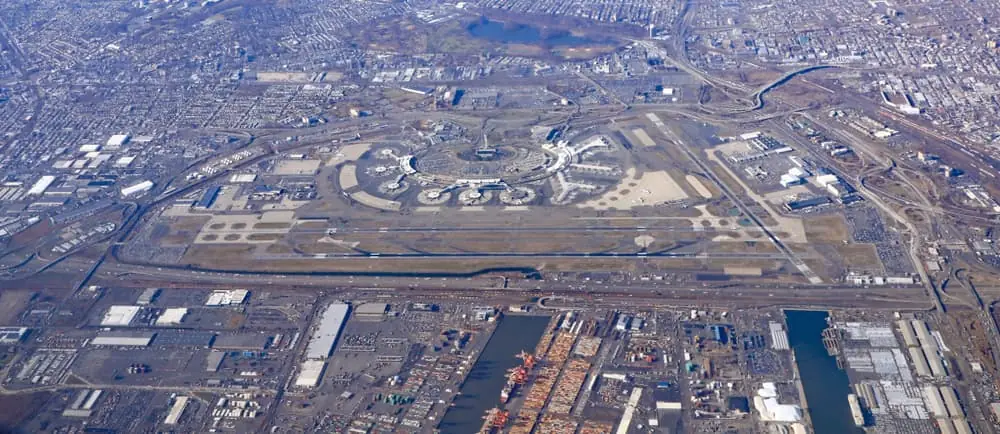
Cities will become manufacturing and logistics hubs, each with its own set of rules, shaped by its production and distribution methods. The world becomes a patchwork of micro‑economies, each shaped by its geography and remaining infrastructure.
Logistics will face a new hierarchy of movement; it will no longer be based on monetary value but on its value in use. The top tier would be essentials. Medical supplies and survival staples would be transported first; the middle tier would include equipment and tools needed to repair and upgrade existing infrastructure; and, lastly, everything else. Tier 3 would be what most companies move as tier 1 today: consumer goods and luxury items.
Customer and shipper expectations will no longer shape logistics; rather, logistics will be based on how badly it is needed, so that it warrants wasting resources to get it there.
From Assembly Lines to Component Freight
If fuel disappears, the global supply chain doesn’t go with it. Our businesses will need to transition from consumption to preservation to keep the modern supply chain from collapsing. The new motto of logistics will become: move only what you must, repair everything you can, waste nothing.
Logistics hubs will pop up near machine shops and fabricators to replace assembly lines. Every community would depend on these local operators. Overseas transportation is limited and time-consuming.
In response to this, freight will be for components, not finished goods. Logistics networks will shift toward small, high-value parts that enable timely repairs, as in this new environment, a single gear, joint, or cutting tool will become more important than a truckload of consumer goods.
This will create a new pathway for the logistics economy to be built on function rather than fashion.
The Updated Supply Chain
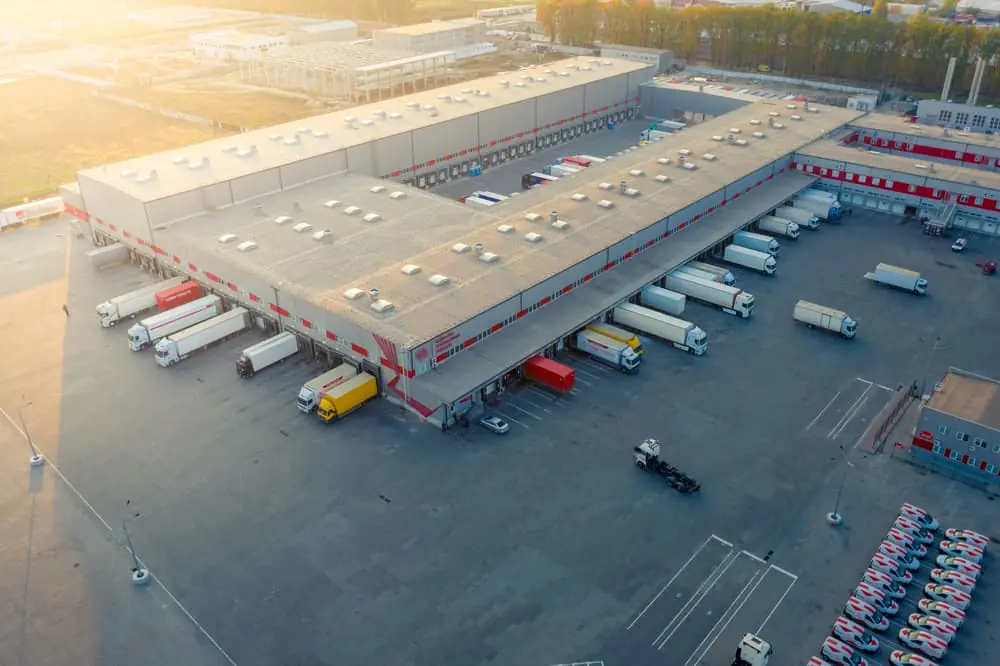
Now that items and services will be difficult to have available 24/7, once equipment or services become available, there will be a mission to keep them that way. Logistics will leave behind the take-make-dispose model and shift heavily towards the reduce, reuse, and recycle model. This means maintaining a circular economy with little room for failure.
Communities that follow suit and build local circular ecosystems where waste becomes stock for new production will strip logistics to its bare bones, making it brutally simple. This means that everything from day-to-day life to logistics as an industry will boil down to basic rules:
– Move only what is essential.
– Repair everything that can be repaired.
– Salvage everything that can be salvaged.
– Build only what energy allows.
– Waste nothing.
In this new reality, logistics isn’t built on speed or cost but on its ability to endure. By asking ourselves, “what would logistics look like if fuel ran out?” we are actually pondering whether our current logistics and supply chain infrastructure can withstand a dramatic shift in our energy supply.
Hopefully, by imagining this scenario, you will have identified gaps in your supply chain and developed plans for future energy sources. If not, you may need to do so sooner rather than later. While we may get out of this current fuel crisis, who knows what could happen the next time this happens.