Global Logistics: Why Bigger Ships Aren’t Always Better for Global Transportation
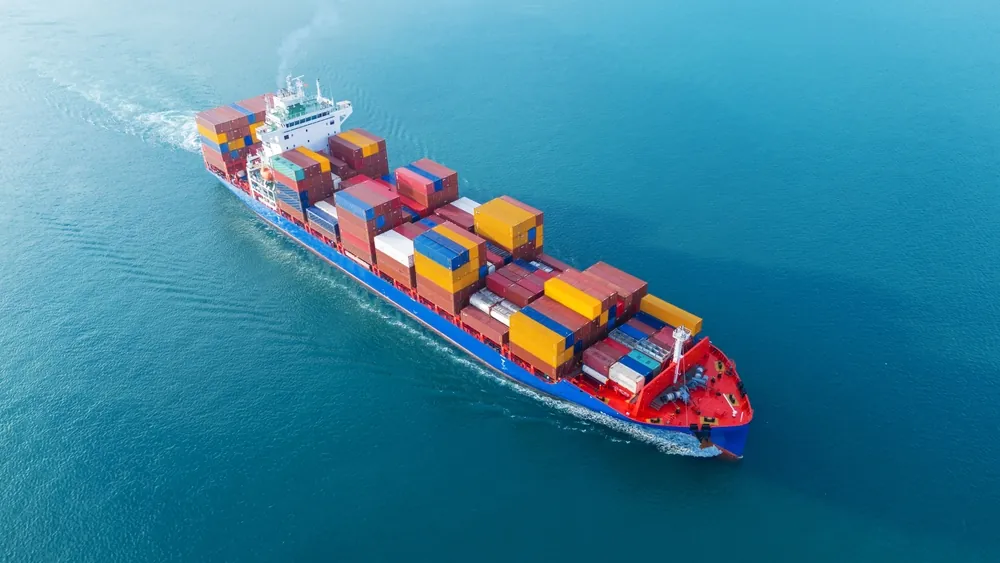
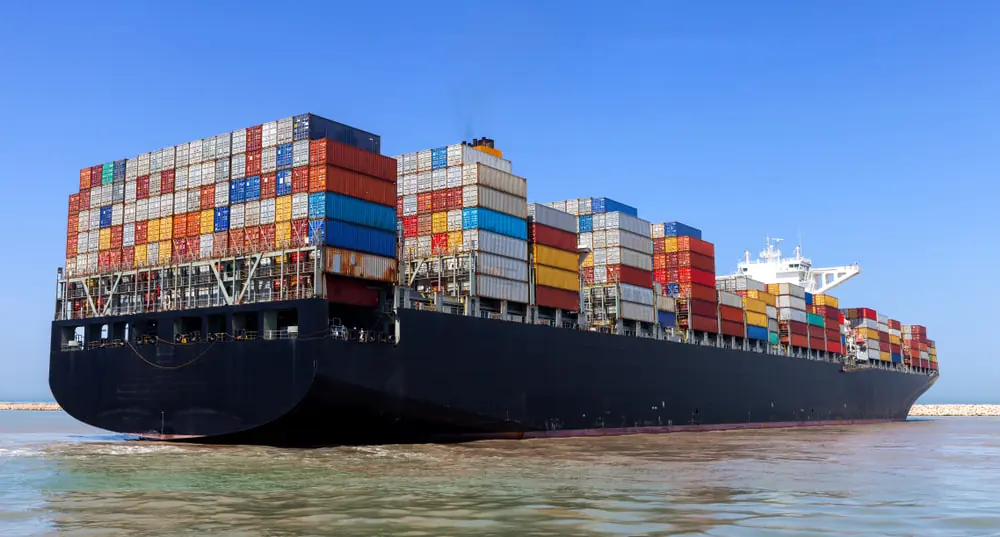
As the saying goes, bigger is always better! And this concept has crossed into the freight industry. Ever since the invention of the modern shipping container in 1956, people have tried to figure out how to ship more shipping containers. After all, their standardization made loading and unloading so much easier and cheaper for many companies and customers, thus making it more desirable to load more! So engineers started designing and building bigger and bigger ships, creating Ultra Large Container Vessels (ULCVs), with the largest modern container vessels to this day being the MSC Irina and her 5 sister ships launched in 2023.
However, such a simple platitude does not convey all of reality. While there can be benefits to using ULVCs, or megaships, there can also be some downsides that come with them. From delays to financial losses to physical hazards, it’s good to consider what comes with a megaship and whether you should ship with one or if there are better alternatives that align more with your business model.
Size and Port Limitations
One of the more obvious issues that one may think of is size. While bigger can be better, it can also be riskier. The ocean is a volatile environment, prone to high winds and rough waters. One small shift or bad directions could cause containers to fall over and get lost. Even worse is if you have a collision, damaging the ship and needing highly costly repairs.
With the sheer size of these ships holding millions upon millions of dollars of product, bad actors have an easier time overtaking the ship or striking it with weapons, losing all of that value if not protected or insured. Along with that, due to their sheer size, they need a lot of time dedicated to their arrival and servicing. It can take between 36 to 60 hours for a typical call at port, meaning services get redirected to them, causing longer waits for others and congestion
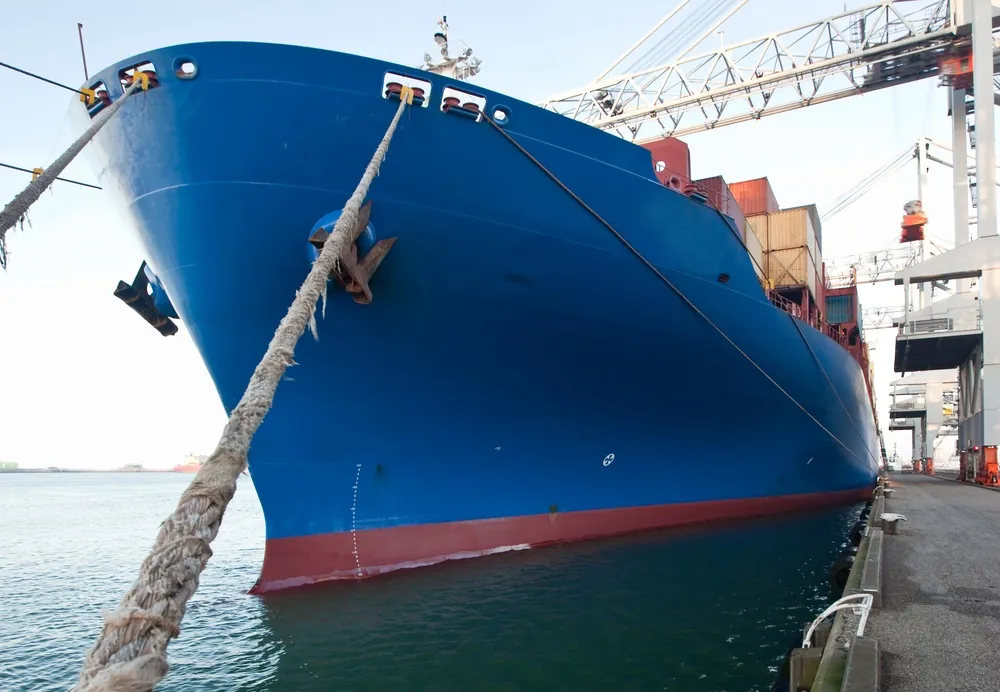
And it’s not just the ships themselves that have to deal with the size issue. Ports have to accommodate these ships to be able to sail through and dock. That means modernizing efforts to widen and deepen canals and make the large docking ports capable of safely and quickly docking and unloading these containers with specialized equipment. Most docks are fully or partially publicly owned by governments, meaning that taxpayers are the ones having to foot the bill on these modernization efforts.
One of these examples is the Port of New York and New Jersey investing $5.3 billion to modernize four bridges for better traffic and mobility, where $1.7 billion raised the Bayonne Bridge to accommodate the height of these megaships. Another is a $366 million project at the Port of Mobile’s Mobile Ship Channel in Alabama to modernize the harbor to handle super-post-Panamax vessels, where they have to widen and deepen the harbor just to be able to handle these types of ships. So we can see that not only can these massive ships bring negative costs themselves, but also to areas that need to expand and accommodate them.
Cost and Economics
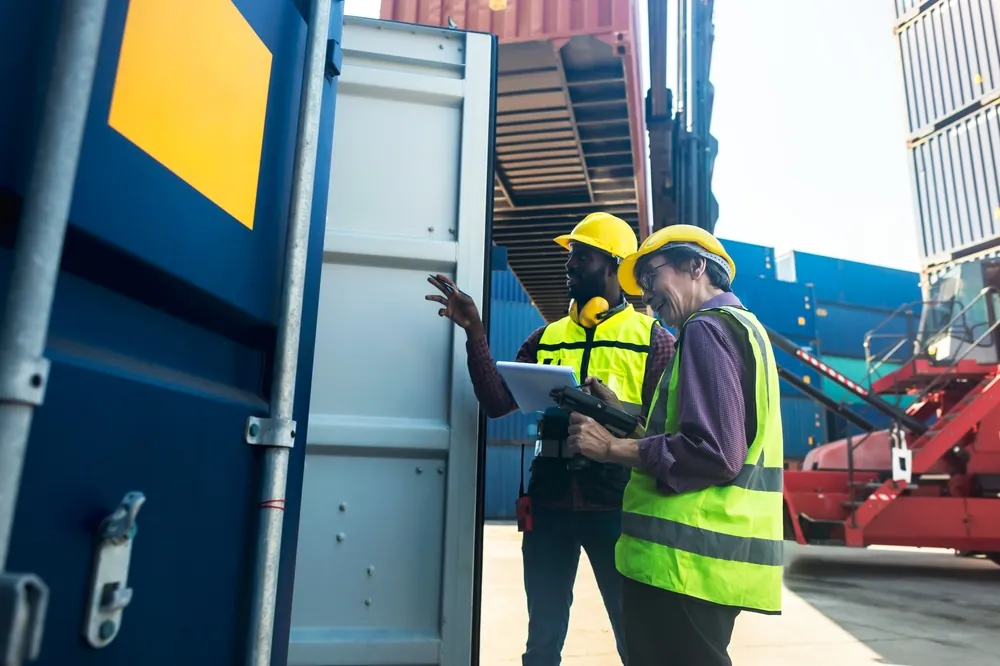
Now, one of the great things touted about megaships is how they’re able to transport large amounts of product at once. Now this can certainly be a good thing, if they are filled to capacity or at least to 91%. Unfortunately, that’s not usually the case as ships are more often running at around 60-80% capacity for their journeys. Due to this, it makes the industry have an overcapacity in shipping at sea, causing prices to be lower and costs to run and maintain the ship less and less worth it.
These issues could be mitigated with more megaships reaching full capacity, but another way would be for these ships to be processed faster, which currently is not happening. Simon Heaney, a senior manager of container research at international shipping consultants Drewry, made a simulated study on these types of ships and their slot costs and supply chain costs. When observed, he found that, “…scale economies from mega ships only works for the total supply chain if terminals can increase productivity in line with increases in vessel size, which they are not.”
Another issue comes with supply chain resilience, where a company makes its supply chain more diverse to protect against disruption and recover from any negative effects. Resilience is not as effective if you’re shipping a large amount of your product on a megaship unless you happen to be a large corporation hauling large amounts of product that can fill multiple megaships. In those cases, it may be worth it, but for smaller businesses, they can be a hazard and potential disaster if they get damaged or lost, and that’s hoping that you got insurance on it.

The Complications With Sustainability
The Complications With Sustainability
With many companies considering sustainability, whether due to internal goals or external government actions, the balance of profit and environmental protection remains an ever-growing topic. Megaships can help in certain ways, like reducing how much emissions are released by shipping more on one ship rather than on a bunch of smaller ships, and using cleaner alternative fuels. However, there are challenges to sustainability that megaships bring.
One is with the idea of slow steaming, which is to reduce the speed of the ship to reduce carbon emissions. They can certainly be a good option for sustainability, but it can also cause costs to shipping to be higher than a company would prefer. It can also make transporting perishable goods more difficult. Now, slow shipping can be applied to any ship, but the reason it’s bad for mega ships specifically is because of overcapacity. As discussed earlier, most ships run between 60-80% capacity, so the ecological benefits decrease further if you’re using a megaship to transport your goods when it requires much more fuel.
Another is the destruction of marine ecosystems. As mentioned earlier, governments need to widen their canals for these megaships to sail through; otherwise, they risk getting stuck and capsizing. To widen these canals means having to destroy the marine habitats and make them inhospitable, displacing the local wildlife to find a new place to live if they can do so. Not to mention the chemical and noise pollution that these developments bring to neighboring ecosystems. That’s why it’s important to understand how we develop and what consequences, intended or not, we cause.
This isn’t to say that megaships will be completely erased; there will surely be a place for them in the industry here and there. However, more companies are understanding that smaller ships might do better with their flexibility and comparatively cheaper upkeep. Instead of going for the biggest, companies are looking for the most optimized solution for their business, options that balance speed, capacity, ease, and costs. So I suppose the saying for shipping should really be optimized is always better!