

12 Expert Tips to Overcome Tariff Challenges and Lower Shipping Costs
Companies have always had to be cautious of the global economy. If they drop their vigilance even once, they could be caught off guard by unexpected socioeconomic changes, delays, fluctuations in freight demand, and shifts in market prices.
In recent years, the amount of money spent on freight and logistics has doubled due to rising tariffs and inflation. These factors are reflected in the shipping costs and tariffs that importers and exporters must pay to move their goods in and out of the country.
It is more important than ever for companies to reevaluate their supply chains in order to find ways to reduce costs and address tariff-related issues. To assist you, we have compiled a comprehensive set of 12 expert tips to overcome tariff challenges and lower shipping costs. Utilize these suggestions to revise your financial plans and decrease your logistics expenses.

1. Diversify Your Supply Chain
If one domino falls, the rest fall with it. This applies to supply chains as well; if you rely on a singular supplier, carrier, or facility to fortify your supply chain, then you are vulnerable if said assets fail.
To combat this, try implementing supply chain diversification into your logistics strategy. This involves making contracts with multiple asset providers, not just one. This ensures that, in the event one asset fails due to unforeseen events such as severe weather or internal financial failure, you have others to fall back on to maintain operations.
When suppliers realize you are contracting with their competition, they may feel threatened enough to provide more favorable conditions for their deals. This means you can access better pricing and supply chain visibility, ensuring you can meet tariff demands while continuing to make a profit and operate smoothly.
2. Renegotiate Supplier Contracts
Find that your current supplier or suppliers are not adapting to the fluctuations in the market. The cost of maintaining your supplier contract may become too high to sustain. In that case, it might be time to consider switching suppliers.
However, consider giving your suppliers one last chance to prove themselves. During renegotiations, clearly communicate your financial situation and request that your supplier lower their fees. Being honest and transparent about your current supply chain operations may be appreciated by the supplier and could lead to a cost-lowering agreement.
You can also present new KPIs and metrics that you and your supplier can use to monitor your costs and measure how well you and the supplier are working together to reduce expenses. These KPIs can include:
– Cost Savings Generated: measures how much a supplier has contributed to cost-saving initiatives.
– Cost Reduction: measures the feasible savings that cost management efforts have achieved over time.
– Spend Under Management (SUM): focuses on the percentage of procurement spending managed by the procurement team, measuring the extent to which they have effective control over suppliers.
– Cost Avoidance: focuses on preventative actions taken by the company to reduce future costs, such as investing in process improvements and finding new sources of raw materials for suppliers.
Don’t feel obligated to stick with a supplier just because they provide the highest quality raw materials. You can always find another supplier at a reduced cost. However, if you and your current supplier can come to an agreement to lower their prices, then you may have found a loyal asset that can benefit your company in the long run.

3. Optimize Tariff Classification
When goods are imported or exported, they will be assigned a specific Harmonized System (HS) code. The HS code determines the amount of customs duties, taxes, fees, and other trade regulations that will be imposed on the goods.
Tariff classification is a crucial step for international trade, as it ensures compliance with global trade laws and regulations to avoid penalties and delays. It also allows you better visibility into trade operations, as you’ll automatically know how much you’ll be paying for duties and taxes, and you can understand why these fees were placed on your products.
To optimize tariff classification, it is essential to provide accurate product descriptions and identify the correct HS code. This will help prevent your goods from being delayed due to necessary corrections. You should consult the World Customs Organization (WCO)’s guidelines and resources and review the tariff schedule of the importing country for any additional tariffs and classifications.
If you’re uncertain whether your HS code is correct or if you encounter any issues during customs processing, it’s a good idea to consult a customs broker. They can help you find the correct HS code, making the customs process smoother for you.
4. Leverage Free Trade Zones
Smaller companies engaging in international trade may be aware of Foreign-Trade Zones (FTZs), known internationally as free-trade zones. However, they may believe FTZs are limited to larger corporations. This is a naïve assumption: the truth is that any-sized company can utilize these specifically designated trade sites to reduce the amount they pay for trading.
FTZs enable companies to import and export goods without incurring full customs duties, taxes, and fees. They are usually able to obtain reduced or no customs duties, depending on the type of goods they are trading. They are right near many of the US’s biggest ports, making them convenient and beneficial places for trade operations.
There are also loads of other advantages to leveraging FTZs, including:
– Facilities and resources for storing, distributing, processing, grading, salvaging, and even destroying goods.
– Lower insurance premiums
– Better security
– More control over the supply chain
Do not hesitate to leverage FTZs just because of your company size. These zones are available to all companies that can afford space, so do your research to find the nearest FTZ and discover why they are so reliable for international trade companies for yourself.

5. Take Advantage of the Duty Drawback Program
You may have heard even less about the Duty Drawback Program than about FTZs. This program, provided by US Customs and Border Protection (CBP), allows companies to receive refunds of up to 99% of the customs duties, taxes, and fees imposed on imported goods. Companies can qualify for these refunds if the goods are subsequently exported or destroyed under CBP supervision.
This program offers substantial financial benefits to eligible businesses. By reclaiming import duties, you can reduce your shipping costs. Lower import expenses also enhance your competitiveness in the global marketplace, improve cash flow, and encourage exporting, ultimately supporting US trade.
However, the qualifications for applying for the Duty Drawback program are stringent and intricate; you must fully understand the rules and guidelines for becoming eligible before applying. You can learn more about the Duty Drawback program from the CBP’s official website to help you prepare for applying.
6. Analyze Cost Structures
When preparing to address your tariff challenges, it is essential to first determine precisely what you are currently spending on your supply chain operations. This means it’s time to review your cost structure and assess your current expenses.
Scrutinize your costs. How much are you spending on transportation, warehousing, order processing, packaging, etc.? All of these costs will probably add up, as logistics is known for being one of the most expensive ventures in the economy. You may even be spending way too much on some costs that aren’t necessary for your operations.
Understanding your expenses is about more than just keeping your eye on how much money you’re spending. Analyzing your cost structure enables your team to make informed decisions, adjust prices strategically, and implement improvements in your operational finances. You then have the power to increase your supply chain’s efficiency, scalability, and profitability.
7. Search for Strategic Inventory Management Options
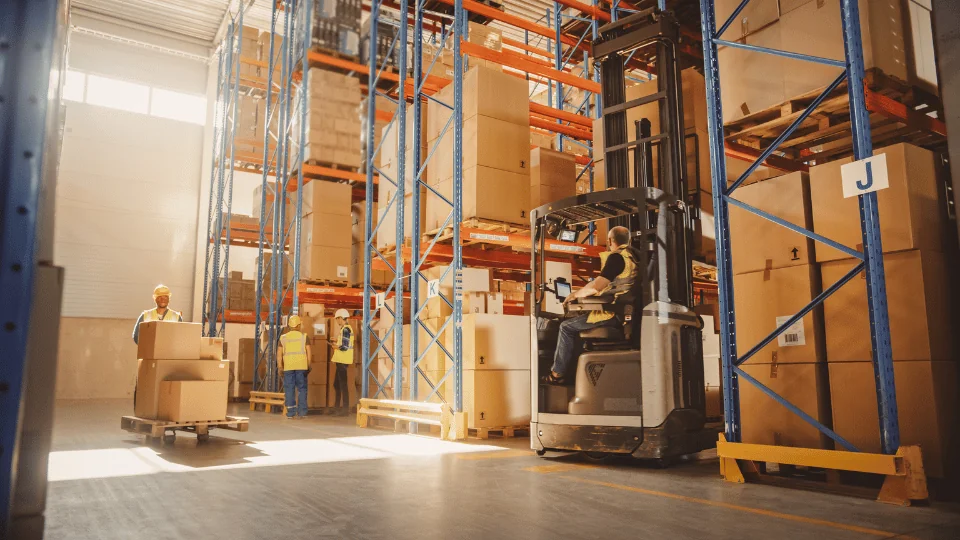
Balancing your inventory levels is one of the trickier aspects of supply chain management. You need to have enough supply to deliver orders successfully to your customers. However, you have to be careful not to have too much or too little. Excessive inventory can lead to overstocked warehouses and financial losses, while insufficient inventory can result in delays and shortages.
Several strategies can aid in effective inventory management. Some of these methods include:
– Just-in-Time Inventory: This option involves receiving goods only when needed, thereby minimizing inventory costs and maximizing efficiency.
– ABC Analysis: Goods in inventory are categorized based on their value, from high-value to low-value, to prioritize inventory management efforts.
– FIFO method: Sold goods are assigned an inventory cost based on their age, with the oldest products being sold first; the LIFO method is its inverse.
When optimizing inventory management, select a method that aligns with your company’s and financial plans.
8. Reevaluate Product Design
There’s another place within your organization that you may not have considered, where you can cut costs: your product design. While many products are designed to be high-quality or durable, cost-cutting design implementations are also important.
For example, beverage companies are redesigning their bottles to be more rectangular to improve packaging efficiency and lower shipping costs. In contrast, cereal and laundry product manufacturers are opting to package their items in plastic bags, which allows for more volume in packaging and accommodates additional products while keeping expenses the same or lower.
If you decide to redesign your products to be more economical, be mindful of how customers might react to the changes. Reducing packaging volume while keeping or increasing product prices can backfire, as customers are likely to notice these adjustments and may choose to boycott the product. Additionally, sales can decline if customers have an attachment to the original design or if the redesign goes against your brand’s philosophy.

9. Consider Nearshoring or Reshoring Production
Manufacturing facilities are often located in foreign countries because production costs are lower and the necessary materials are more readily available there than in the home country. However, this also slows turnaround times and increases inventory and transportation costs due to tariffs.
Nearshoring brings production closer to home. By relocating your facilities to a neighboring country or within the same continent, you can keep your asset network closer together while also reducing transportation and labor costs.
If you want to bring production back to your home country, however, then reshoring is right for you. Reshoring is effective if you have access to the materials required for production or if you can find a low-cost international shipping method.
Whether you decide to nearshore or reshore your manufacturing operations, it is essential to research the best location for your facilities and the associated costs of relocating your production. Additionally, calculate the potential savings from moving your manufacturing closer to home. Be sure to consider any materials you may need to import and how those costs will impact your overall expenses.
10. Use Technology and Trade Compliance Tools
Technology was designed to simplify our lives, particularly in the logistics industry, which has historically been slow to adopt new innovations. In recent decades, automation, artificial intelligence, and real-time technologies have revolutionized supply chain management, enabling easier cost reduction.
There are many ways technology can help businesses lower shipping costs, but one that we’ll highlight is trade compliance tools. Companies like Descartes Visual Compliance and AEB offer unique features for compliance assurance, like:
– Compliance and restricted party screenings
– Export classification and automation
– Export and import license management
– Risk assessments
These software tools make it easier than ever to navigate complex international trade laws and ensure that import and export regulations are being adhered to, thereby avoiding expensive penalties and fees. They can also help with understanding tariffs and find ways to circumvent or lessen how much you’ll have to pay.

11. Work with a 3PL
Logistics can be challenging for companies across various industries to understand fully. Managing freight shipping needs can lead to unexpected errors and mistakes, resulting in costly fees and delays. While dealing directly with a carrier may benefit larger corporations, it can become expensive for smaller companies aiming to reduce costs.
For smaller companies in need of shipping assistance, working with a freight brokerage is your best bet. They act as an intermediary between shippers and carriers, facilitating the movement of freight without actually taking ownership of it. There are many types of freight brokerages, but one of the most popular are third-party logistics (3PL) providers.
3PLs offer companies various levels of assistance, including warehouse management, order fulfillment services, and transportation services through contracted carriers. 3PLs don’t take complete control of your logistics; however, you still retain control over certain aspects of the process, such as packaging and customer experience.
The most significant advantage of using 3PLs and other freight brokerages is that they offer discounted shipping rates through contracts with carriers. This means you won’t have to pay the full price typically charged by carriers, while also benefiting from additional services that improve your freight shipping experience. For smaller businesses, partnering with a 3PL is the most cost-effective choice for managing logistics operations.
12. Stay Informed and Adaptable
We’ve discussed various services, strategies, methods, and tools that businesses can utilize to lower shipping costs and overcome tariff challenges. However, the most crucial aspect of reducing logistical expenses is the company’s attitude towards them. Companies must do their utmost to adapt to unexpected changes and stay vigilant about market trends to avoid costly mistakes.
As the global economy fluctuates, businesses must stay informed about political, social, and economic developments that could impact the international trade market. This involves staying informed about the news, monitoring stock prices, and being aware of emerging economic trends. Any one of these factors could negatively affect your business’s profits if you don’t proactively plan to address them.
Being flexible and open to unexpected events is also crucial. An agile strategy enables you to quickly adapt to changing market conditions by leveraging real-time technologies and data analytics. This way, your company can reduce spending on disaster recovery and grow without straining your budget.
Freight shipping can be a costly endeavor, but you don’t have to spend your entire budget on domestic and international logistics. Our tips should do wonders for your company’s finances, ensuring that you lower how much you pay in costs, duties, taxes, and fees.
However, you can do more with this knowledge than just save money on shipping costs. You can become a skilled shipping expert who confidently navigates the complexities of logistics with precision, while overcoming challenges like tariffs with ease. We hope you can utilize these hints to scale your business healthily and prepare for unexpected shipping issues in the future.