
Food Logistics Shipping Solutions
Compare food freight options, book online, and get expert help choosing the right shipping solution for your products.
FreightCenter helps businesses simplify food logistics by comparing freight options, booking shipments, and getting expert support for dry, refrigerated, frozen, and time-sensitive food shipments.
Food Logistics Shipping Resources
Shipping Food & Beverages Shipping Frozen Food How to Ship Perishable Food Temperature-Controlled Freight


Food logistics requires the right transportation plan for the product, shipment size, temperature requirements, delivery schedule, and receiving location.
FreightCenter gives food manufacturers, distributors, wholesalers, retailers, restaurants, and growing businesses one place to compare freight options, book shipments, and get expert support as shipping needs change.





Thousands of businesses trust FreightCenter to move their freight faster, smarter, and cheaper! From unbeatable rates to top-notch service, our customers are raving about their shipping success.
See why they keep coming back!
Award-Winning Service, Trusted by Shippers Everywhere!
- 2021, 2017 & 2016 Food Logistics’ Top Green Providers
- 2021 & 2018 Supply & Demand Chain Executives’ Pros to Know: Matthew Brosious
- 2020 & 2019 Top Food Logistics’ 3PL & Cold Storage Provider Award
- 2020 & 2019 Business Observer’s Top 500 Companies on the Gulf Coast
- 2020 & 2017 SmartWay® Transport Partner
- 2020 & 2017 Food Logistics’ Champions: Rock Stars of the Supply Chain
- 2020 Best of Palm Harbor Awards for Local Businesses
- 2017 Green Supply Chain Award from Supply & Demand Chain Executive
- 2017 Tampa Bay Business Journal Heroes at Work
- 2016, 2015, & 2012 Food Logistics Top 100 Software and Technology Providers
- 2013 Tampa Bay Business 100 by Tampa Bay Business Journal
- 2013 Top 100 Great Supply Chain Partners by SupplyChainBrain
- 2012 TIA Samaritan Award Honorable Mention
- 2012, 2011 & 2010 TBBJ Fast 50 Recipient
- 2013, 2011, & 2010 Diversity Business Top Businesses

Why Businesses Choose FreightCenter for Food Logistics
Food shipments do not all move the same way, and choosing the wrong service can create unnecessary cost, handling, or scheduling problems.
FreightCenter helps businesses make better food logistics decisions by bringing quoting, freight options, booking tools, and real human support together.
- Compare freight options before booking. Evaluate available rates and service options based on your shipment details instead of relying on a one-size-fits-all shipping method.
- Match transportation to the product. Explore standard, refrigerated, temperature-controlled, LTL, truckload, and expedited solutions based on what you are shipping.
- Get expert help when shipments get complicated. Work with freight professionals when you need help evaluating equipment, timing, pickup requirements, or delivery needs.
- Make recurring food shipping easier to manage. Create a free account to save quotes and shipment information for future freight decisions.
- Earn FreightCenter Shipping Rewards. Registered customers can earn rewards on eligible LTL shipping activity while managing their freight through FreightCenter.
From a single pallet to recurring distribution needs, get your Shipping Handled.
Choosing the Right Food Logistics Shipping Solution
The best food logistics solution depends first on what the product requires, then on how much you are shipping, where it is going, and how quickly it needs to arrive.
Dry and Shelf-Stable Food Shipping
Not every food shipment requires refrigerated transportation.
Packaged snacks, canned products, dry ingredients, shelf-stable beverages, restaurant supplies, and other products that do not require controlled temperatures may be eligible for standard freight transportation.
Depending on shipment size, businesses may use LTL or full truckload service.
The key is to accurately provide:
- Packaged weight and dimensions
- Pallet count
- Pickup and delivery locations
- Facility requirements
- Requested pickup and delivery timing
- Any product-specific handling requirements
Providing complete information helps narrow the available freight options before you book.
Refrigerated and Temperature-Controlled Food Logistics
Food products with defined temperature requirements need a transportation plan built around those requirements.
Frozen foods, refrigerated ingredients, dairy products, produce, certain beverages, and other temperature-sensitive products may require refrigerated or temperature-controlled equipment. The shipper should identify the product’s required conditions before requesting transportation so the appropriate options can be evaluated.
FreightCenter can help you compare available food freight solutions based on those requirements.
LTL or Truckload for Food Shipping?
Shipment size alone does not always determine the best choice.
LTL shipping can make sense for eligible smaller freight shipments that do not require an entire trailer. It can be useful for palletized packaged food, ingredients, beverages, supplies, and other qualifying shipments.
Full truckload shipping provides dedicated trailer capacity and may be better suited to larger orders, high pallet counts, major replenishment shipments, or food products that need dedicated equipment.
For temperature-sensitive products, available refrigerated LTL and truckload options can vary by lane, product requirements, timing, and equipment availability.
Start with the shipment details rather than assuming which mode is best.
Expedited Food Freight
Timing can be just as important as equipment when moving food products.
Expedited freight may be appropriate when:
- Inventory is needed quickly to prevent a stockout
- A production facility is waiting on ingredients
- A retailer or restaurant has a time-sensitive replenishment need
- A shipment missed its original transportation window
- Delivery timing is especially important because of the product requirements
Because expedited service prioritizes speed, businesses should compare the urgency of the shipment against available transportation options before booking.
Food Logistics for Repeat Shippers
Recurring food shippers should optimize the process, not just the price of one shipment.
A food manufacturer shipping every week has different needs than a business arranging one pallet for the first time. Repeat shippers benefit from maintaining accurate product, facility, lane, and shipment information so future transportation decisions can be made more efficiently.
With FreightCenter, businesses can request quotes, compare options, save shipment information through an account, book freight, and get expert support when a routine shipment suddenly requires a different solution.
That is food logistics built for ongoing business shipping.
Different food products and shipment sizes may require different transportation strategies. Explore complementary FreightCenter services to find the right fit for your next food shipment.
Explore cold chain freight solutions for frozen, refrigerated, and other temperature-sensitive food products.
Use dedicated truckload capacity for larger food shipments, high-volume distribution, or shipments requiring dedicated equipment.
Compare LTL options for qualifying palletized food shipments that do not require an entire trailer.
Find faster transportation options when ingredients, inventory, or food products face a time-sensitive delivery requirement.
 Guaranteed competitive pricing every time you ship.
Key Factors That Affect Food Logistics Shipping Rates
Food logistics shipping rates depend on product type, shipment size, transportation requirements, and delivery needs. FreightCenter helps businesses compare freight options by evaluating the details that influence transportation costs.
Key factors include:
- Product Requirements: Refrigerated, frozen, or temperature-sensitive products may require specialized transportation.
- Shipment Size and Weight: Larger or heavier shipments can require additional capacity.
- Shipping Distance: Pickup and delivery locations impact transportation costs.
- Freight Service: LTL, full truckload, refrigerated, and specialized services have different pricing considerations.
- Packaging: Proper packaging and palletization help protect food products during transit.
- Delivery Requirements: Appointment deliveries, special handling, and access requirements may affect overall costs.
Compare food logistics solutions and get an instant freight quote from FreightCenter today.
Frequently Asked Questions About Food Logistics
Q. What is food logistics?
Food logistics is the process of planning, managing, and transporting food products through the supply chain. It includes coordinating shipments from manufacturers, suppliers, distributors, and retailers while considering product requirements, delivery timelines, and transportation needs.
Q. How do I ship food products?
You can ship food products by selecting the right freight service, preparing products properly, and comparing transportation options based on your shipment requirements. FreightCenter helps businesses evaluate shipping solutions for refrigerated, frozen, packaged, and dry food products.
Q. How much does food shipping cost?
The cost to ship food depends on shipment size, weight, distance, freight service, and handling requirements. FreightCenter helps businesses compare available freight options to find solutions that align with their budget and transportation needs.
Q. Does FreightCenter offer temperature-controlled food shipping?
Yes, FreightCenter helps businesses find freight solutions for temperature-sensitive food shipments. Companies shipping refrigerated, frozen, or specialty food products can compare transportation options designed around product requirements.
Q. What types of food products can FreightCenter help ship?
FreightCenter helps businesses ship a wide range of food products using flexible freight solutions. Common shipments include packaged foods, beverages, ingredients, frozen products, dry goods, and wholesale food inventory.
Q. What is the best freight service for food shipments?
The best freight service for food shipments depends on product type, shipment size, and delivery requirements. LTL freight may work well for smaller palletized shipments, while full truckload or refrigerated transportation may be better suited for larger or specialized shipments.
Q. Can FreightCenter help with refrigerated freight shipping?
Yes, FreightCenter helps businesses compare refrigerated freight options for products requiring temperature-controlled transportation. Freight solutions can be selected based on shipment requirements, product sensitivity, and delivery needs.
Q. How can businesses reduce food shipping costs?
Businesses can reduce food shipping costs by choosing the right freight service, providing accurate shipment details, and comparing transportation options. FreightCenter helps companies evaluate freight choices based on shipment size, frequency, and delivery requirements.
Q. Does FreightCenter work with food manufacturers and distributors?
Yes, FreightCenter supports food manufacturers, distributors, suppliers, and retailers with flexible freight solutions. Businesses can use FreightCenter to manage recurring shipments, compare rates, and simplify transportation planning.
Q. Can I ship food products using LTL freight?
Yes, LTL freight is commonly used for smaller palletized food shipments that do not require a full trailer. LTL can be a practical option for food suppliers, retailers, and businesses shipping inventory in smaller quantities.
Q. How do I create an account for recurring food shipments?
You can create a FreightCenter account to simplify recurring freight management and future shipments. An account helps businesses streamline quoting, booking, and managing ongoing transportation needs.
Q. How do I get a food logistics quote?
You can get a food logistics quote by providing shipment details through FreightCenter’s online quote process. FreightCenter helps compare freight options and provides support to help you select the right transportation solution.
3 Things You Probably Didn’t Know About Food Logistics
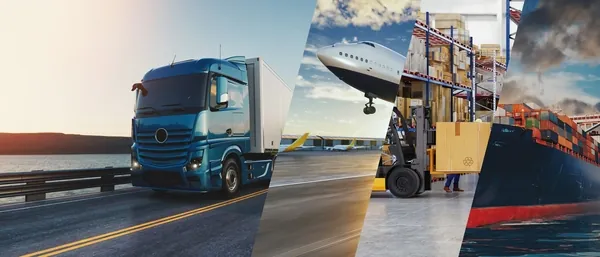
Food Logistics Requires More Than Transportation
Food logistics involves planning, coordination, and selecting the right transportation solution based on product requirements. Temperature sensitivity, packaging, shipment volume, and delivery timelines all influence how food products move through the supply chain.

Temperature Requirements Can Change Shipping Options
Some food products require specialized transportation because temperature conditions can affect product quality. Choosing the right freight service helps businesses move refrigerated, frozen, and temperature-sensitive products more effectively.

Food Businesses Benefit From Flexible Freight Planning
Food companies often manage changing shipment volumes, seasonal demand, and recurring deliveries. Comparing freight options helps businesses adapt transportation strategies while keeping supply chains moving efficiently.