
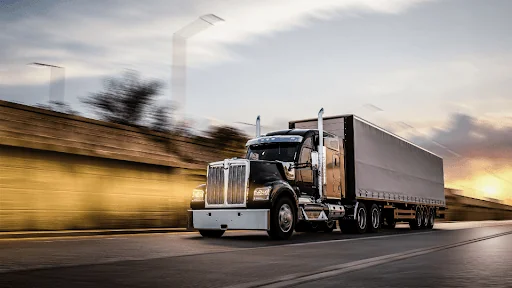
Freight Time vs Human Time: How Speedy Logistics Shape Modern Society
A long time ago, logistics was a much slower process. This situation was partly due to the technology and equipment of the time being less efficient than they are today. Armies relied on horse-drawn carts and pack mules for supply transportation, while warehouses lacked cooling or refrigeration systems. It often took weeks or months for traders to travel and exchange goods and ideas. Even in the last few decades, people would order products from catalogs or television, but they understood that it would take several weeks for their packages to arrive.
The slower, more meandering logistics process is utterly different from how logistics runs today. Packages can arrive at people’s doorsteps the same day (or the next day) they are ordered; refrigerated and frozen goods can reach stores and homes within a few hours, and warehouses and storage facilities are massive complexes with advanced automation and systems that operate the buildings.
This shift highlights the tension between freight time vs human time. Freight time is determined by infrastructure, technology, and the logistics of transporting physical goods over long distances. Human time, however, is increasingly shaped by digital culture, instant gratification, and the expectation of speed without compromise. The gap between these two clocks defines much of the modern logistics challenge.
The rapid growth of logistics has transformed how society interacts with the industry. However, the difference between freight time vs. human time brings both advantages and disadvantages. Let’s explore some of the effects that faster logistics has had on modern society and discuss how logistics companies can overcome the challenges created by these effects.

Higher Expectations
E-commerce and parcel companies, such as Amazon, UPS, and FedEx, provide same-day and next-day delivery services to consumers. This has significantly changed expectations for delivery services overall. Today, consumers expect quick and seamless deliveries to the correct location, on time, and in perfect condition, with no exceptions.
Although the parcel and e-commerce sectors have adapted to the new lifestyle, the logistics industry is still catching up. Many individuals who book freight are aware of this and typically can manage the longer waiting times. However, that doesn’t mean consumers are not still expecting their shipments to be delivered promptly and in their original condition.
The rising expectations for fast deliveries have also presented challenges for logistics companies. To meet these demands, production and order fulfillment require either more laborers or automated systems, both of which can be expensive to maintain and operate. Logistics companies must find more efficient systems and tools to shorten parts of the supply chain so delivery is quicker and less demanding on its workers.
Decreased Patience
Consumers today expect quick and efficient delivery of their orders, making them less patient and more intolerant of delays than in the past. Any failure to meet these expectations can result in decreased customer satisfaction, which negatively impacts customer retention and loyalty.
To combat declining patience regarding delivery times, logistics companies should prioritize developing a robust customer service department. Customer service agents can utilize real-time tracking tools to monitor shipment statuses, providing customers with assurance that their orders will arrive on time. In the event of a delay or lost delivery, these agents can also assist in rescheduling the shipment.

Increased Demand
The need for quicker deliveries has coincided with a significant increase in the volume of parcel and freight shipments compared to a few decades ago. This rise may be attributed to population and growth, as more people require a wider variety of essentials, such as food, beverages, personal care products, and healthcare items.
Additionally, the increased demand might stem from the vast number of products available online. Consumers often browse through extensive catalogs of items and may be tempted to purchase more than they actually need.
Demand for products is at an all-time high, and logistics companies need the right resources and tools to meet this demand. This may involve increasing warehousing and storage space, expanding inventory levels, or enhancing labor with autonomous systems. By expanding their logistical assets, companies can ensure that consumer demand is met without the concern of running out of stock.
Impulse Buying Syndrome
Another trend emerging among consumers is a reliance on instant gratification. Instead of aiming to buy goods for long-term happiness, consumers instead buy to satisfy their current, short-term whims. As a result, their joy at receiving a new product is short-lived, and they will usually return it to the seller.
Due to this fickleness, logistics companies must have a straightforward and robust returns process in place. Making the return process a hassle-free experience builds loyalty among consumers and assures them that their impulse purchases are not always in vain. Reverse logistics can also be profitable for logistics companies through product resales or recycling them for raw materials.

The Bigger Picture of Freight Time vs Human Time
When we step back and look at the bigger picture, the story of logistics is really the story of time. For centuries, people accepted that moving goods was a slow, often unpredictable process. Today, that pace has accelerated beyond recognition. What once took weeks now takes hours, and what once required patience is now driven by immediacy.
Faster freight services benefit businesses by ensuring store shelves are well-stocked and offering consumers a level of convenience that was previously unimaginable. However, this speed also creates a challenges for workers, supply chains, and society’s overall patience, issues that cannot always be resolved through technology alone.
Ultimately, the battle between freight time vs human time is not one to be won, but rather a balance to be managed. The logistics industry must thoughtfully bridge that gap by investing in innovation, streamlining operations, and providing transparency, all while keeping the needs of the people who rely on these systems in mind.
As long as society continues to demand both speed and reliability, logistics will remain the quiet engine keeping modern life on schedule. And the real takeaway is this: freight time may always run differently than human time, but together they shape the rhythm of our daily lives.