

How to Ship Freight and Compare Rates Instantly
See multiple LTL carrier options side-by-side so you can choose the right service for your timeline and budget. FreightCenter gives you the tools to quote, compare, and book your business shipments in one central dashboard!
Related Freight Shipping Tips
How To Find A Freight Carrier Freight Packaging Protecting Your Freight


To get an accurate freight quote, start with the shipment’s origin and destination, packaged dimensions, total weight, and pickup or delivery requirements. Enter those details into FreightCenter to compare available carrier rates and estimated transit times side by side before you book.





Thousands of businesses trust FreightCenter to move their freight faster, smarter, and cheaper! From unbeatable rates to top-notch service, our customers are raving about their shipping success.
See why they keep coming back!
Award-Winning Service, Trusted by Shippers Everywhere!
- 2021, 2017 & 2016 Food Logistics’ Top Green Providers
- 2021 & 2018 Supply & Demand Chain Executives’ Pros to Know: Matthew Brosious
- 2020 & 2019 Top Food Logistics’ 3PL & Cold Storage Provider Award
- 2020 & 2019 Business Observer’s Top 500 Companies on the Gulf Coast
- 2020 & 2017 SmartWay® Transport Partner
- 2020 & 2017 Food Logistics’ Champions: Rock Stars of the Supply Chain
- 2020 Best of Palm Harbor Awards for Local Businesses
- 2017 Green Supply Chain Award from Supply & Demand Chain Executive
- 2017 Tampa Bay Business Journal Heroes at Work
- 2016, 2015, & 2012 Food Logistics Top 100 Software and Technology Providers
- 2013 Tampa Bay Business 100 by Tampa Bay Business Journal
- 2013 Top 100 Great Supply Chain Partners by SupplyChainBrain
- 2012 TIA Samaritan Award Honorable Mention
- 2012, 2011 & 2010 TBBJ Fast 50 Recipient
- 2013, 2011, & 2010 Diversity Business Top Businesses

Why Choose FreightCenter to Ship Freight
Sourcing carrier rates manually eats up hours of administrative time. We consolidate the entire rating and booking process into a single account.
- Compare real-time rates from multiple national and regional carriers on one screen.
- Store your frequent product dimensions, addresses, and contacts to speed up repeat bookings.
- Earn FreightCenter Shipping Rewards on eligible shipments to reduce future business costs.
- Rely on dedicated freight experts to help classify items and coordinate special pickup requirements.
Start with Accurate Shipment Details
Accurate quotes depend on exact measurements. Before you look for a rate, measure your packaged items and weigh them on a certified scale. Estimating weight or dimensions often leads to billing adjustments after the carrier picks up the pallet.
Select the Right Equipment and Services
Standard LTL shipments move in enclosed dry vans, loaded from a commercial dock. If your facility lacks a dock, you must request a liftgate during the quoting process. Residential deliveries, construction sites, and inside deliveries also require specific carrier notifications before dispatch.
Build a Predictable Shipping Routine
Save recurring product details, ship-from and ship-to addresses, and contacts in your FreightCenter account so repeat quotes require less manual entry. This can simplify weekly replenishment shipments, recurring supplier freight, and regular customer deliveries.
If standard LTL doesn't fit the shipment, compare services designed for dedicated capacity, urgent delivery, oversized freight, or temperature-sensitive products.
Move high-volume freight with dedicated capacity and direct routing.
Meet strict delivery deadlines with team drivers and air-ride equipment.
Transport oversized machinery or construction materials requiring side-loading.
Protect sensitive goods from freezing or spoiling during transit.
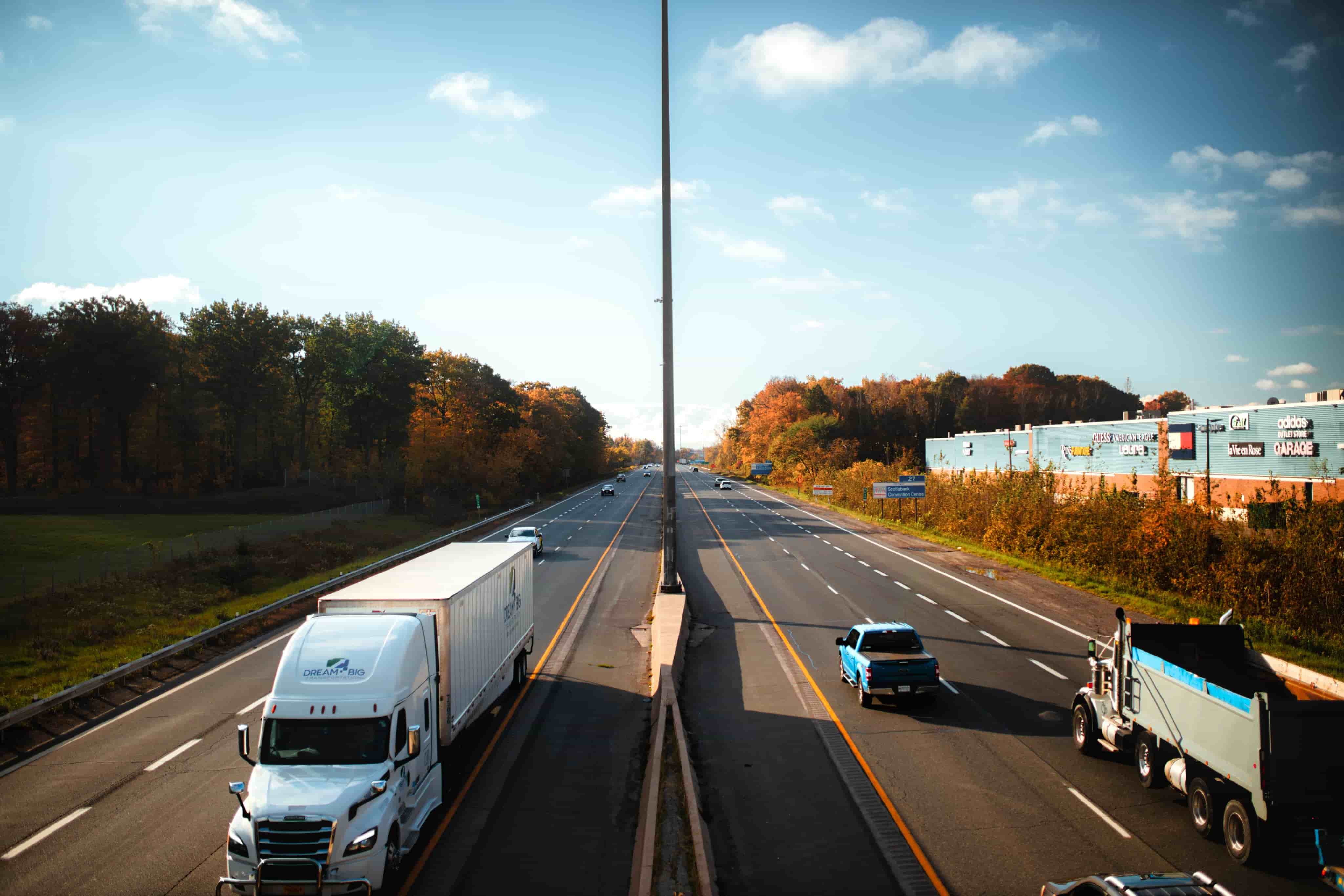
 Guaranteed competitive pricing every time you ship.
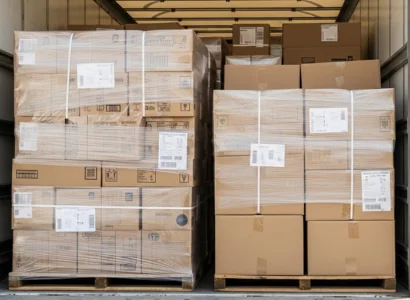
Key Factors That Determine Your Shipping Rate
Freight pricing is driven by how much space your shipment occupies and how difficult it is to transport. Carriers weigh several elements before assigning a final cost to your lane.
- Shipment Weight and Dimensions: Heavier, bulkier pallets take up more trailer space and cost more to move.
- Freight Class: The National Motor Freight Traffic Association categorizes items based on density, stowability, handling, and liability. Lower classes generally cost less to ship.
- Distance and Geography: Longer routes increase fuel and labor costs, while remote pickup locations may require interline carrier agreements.
- Accessorial Fees: Services requiring extra labor or equipment—such as liftgates, residential deliveries, or limited access pickups—add flat fees to the base rate.
- Fuel Surcharges: Carriers adjust rates weekly based on the national average cost of diesel fuel.
Enter your exact dimensions into our calculator to see live carrier rates instantly.
Frequently Asked Questions On How to Ship Freight
Q. How do I get an exact freight quote?
You enter your origin, destination, weight, and pallet dimensions into our online tool. Our system immediately queries dozens of carriers and displays a list of real-time rates and transit times for your specific route.
Q. What is the cheapest way to ship freight?
Less-than-truckload (LTL) service is generally the most cost-effective method for shipping one to six pallets. LTL allows you to share trailer space and transportation costs with other businesses moving goods in the same direction.
Q. Do I need an account to figure out how to ship my products?
No, you can run a free guest quote at any time to check current market rates. However, creating an account lets you save addresses and product details, making future quoting much faster.
Q. How does FreightCenter help me compare rates?
We display multiple carrier offers side-by-side on a single results page. You can sort these options by price, estimated transit time, or preferred carrier to find the exact balance your budget requires.
Q. What happens if I estimate my shipment weight?
Guessing the weight of your goods will likely result in a carrier billing adjustment. Carriers weigh every pallet at their local terminals, and they will charge you for the difference, plus an administrative fee, if the actual weight exceeds the quoted weight.
Q. Do I have to print a Bill of Lading (BOL)?
Yes, you must print the FreightCenter BOL and hand it to the driver at pickup. This document acts as the official receipt and routing contract; giving the driver a different document will cause billing errors and misrouting.
Q. Can a truck pick up from my house?
Yes, residential freight pickup is available if you select the residential and liftgate options during the quoting phase. Standard commercial trucks do not have the equipment to load ground-level pallets safely without a liftgate.
Q. How do I earn FreightCenter Shipping Rewards?
You accumulate rewards by booking eligible shipments through your registered business account. You can then apply these earned points to offset the cost of future freight moves.
Q. Are transit times guaranteed?
Standard LTL transit times are estimates based on typical terminal operations and route schedules. If you have a hard deadline, you must select an explicitly guaranteed service or an expedited option from the results page.
Q. What is a freight class and why does it matter?
Freight class is a standardized numerical rating that carriers use to determine the transportability and cost of your goods. Shipping under the wrong class will result in mandatory carrier reclassification and immediate rate increases.
Q. Can I get help classifying a difficult product?
Yes, our in-house shipping experts are available by phone to help you determine the correct NMFC code for your specific items. Accurate classification upfront prevents expensive billing surprises after delivery.
Q. How do I manage multiple shipments going to different customers?
The FreightCenter platform includes a centralized dashboard where you can build an address book and view all active loads. This allows e-commerce sellers and manufacturers to coordinate inbound materials and outbound orders from one screen.
3 Things You Probably Didn’t Know About Shipping Freight

Density Drives the Price
Many modern carriers base their pricing on dimensional weight rather than actual weight alone. Packing your goods tightly to take up less physical space can significantly lower your shipping costs.

Liftgates Must Be Reserved in Advance
Most standard LTL trailers do not have automated liftgates attached to the rear. If you do not have a commercial loading dock or forklift, you must specify the need for a liftgate before the carrier dispatches a truck.

Consolidating Pallets Reduces Handling
Shipping two half-empty pallets costs more and increases the risk of damage compared to combining them into one securely banded unit. Carriers prefer single, dense handling units and price them more favorably.