
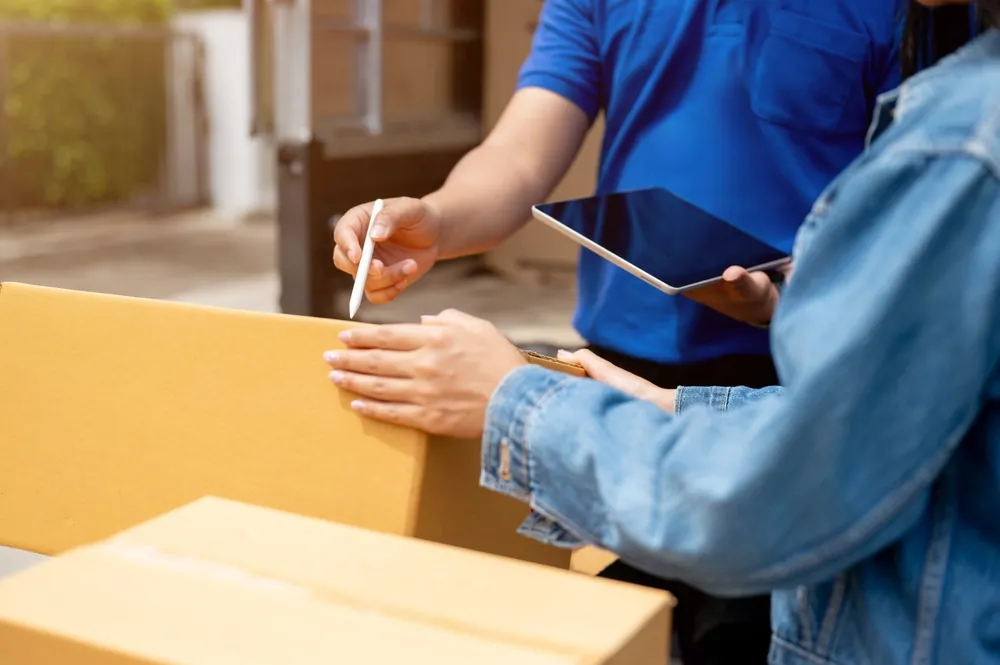
It’s 1 pm on a Wednesday. You’ve ordered a shipment of new t-shirts, mugs, and some popular vinyls you’ve seen with some rave reviews. It’s supposed to hit shelves on Friday for Halloween weekend, and you ordered it for a Wednesday arrival just to be safe! You’re looking forward to the boost in sales and traffic it will generate for your store, as well as getting to listen to the record yourself!
You’ve been eagerly waiting for your order to arrive, and at last, 1 pm rolls around, the time you saw it could come! But as you wait, 10 minutes pass, then 30 minutes, then an hour, and then two! At this point, you’re starting to get worried about your shipping. What’s going on, and when will my order arrive?!
These are some of the worries that many businesses face when shipping by freight. Unlike parcel shipping from UPS or FedEx, freight shipping has a large semi-truck hauling an even larger container, and many variables can affect a shipment. That’s why we are going to look over what a typical freight delivery should look like, as well as some of the more common mistakes made when receiving one.
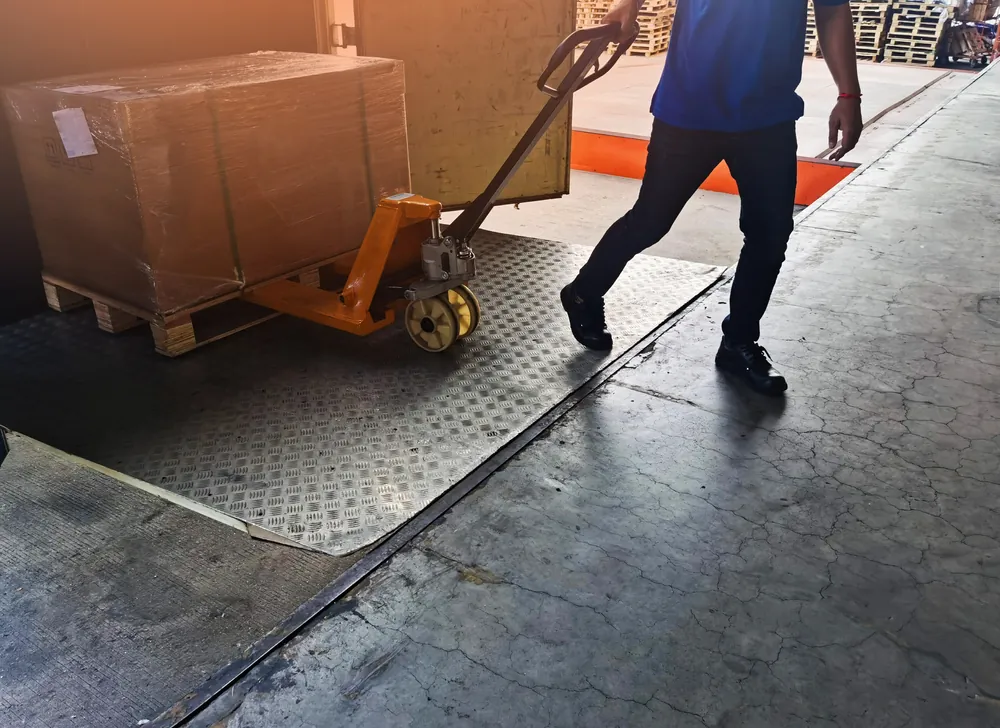
How To Receive Your Freight Delivery
While every delivery has some differences and nuances, most follow a procedure that should look similar every time. If there are any differences or changes in how the process would go, then that should be communicated by the sender and/or carrier so that you are well aware of what will happen.
Of course, the first step is ordering your item! You might think it may be as simple as placing the order and waiting. However, there are some things to consider, like where the location of your shipment will be arriving to and what equipment may be needed.
Will this go directly to your business, or will it go to a freight carrier terminal? Will you have a dock or a forklift, or neither of those? Will it be in a limited-access location? A residential location? A trade show or convention?
These questions and many more should be discussed with the sender, as they will be the ones hiring the carrier to ship your items. Sometimes, if you’re ordering online, there are sections on a website that let you put these details in. Otherwise, you will need to communicate this to your sender however they need.
Once that info has been given to the sender and the payment has gone through, your items will now be on their way to your destination! You should receive information confirming your order, as well as a tracking number (Also known as a PRO number) for your shipment, so you know how far along your item is and when its estimated time of arrival (ETA) is. Usually, deliveries will initially have a wide gap of time from when you first place your order.
You will need to make sure that the timeframe given works well for you, as it’s required for someone to be present during delivery. After your order is placed, you should be able to track where your shipment is through your tracking number.

While your tracking number will keep you up to date on your deliveries, it is always possible for your ETA to change. That is why it’s best practice to regularly check your tracking to ensure that your delivery arrives. On the day of delivery, you or another person will need to be at the location and ready when the delivery truck arrives. Typically, the carrier will call you around 30 minutes before your delivery arrives, but it’s always good to confirm that they call you when you confirm your appointment.
Upon arrival, the driver will unload the items that were sent to you at their designated location. That may be on a curb, at the end of a driveway, or at a loading dock. If you need your items closer to the building, you will have to pay for additional services. However, there are no guarantees that they will bring it inside a space like a residence, but instead bring it as close to the entrance as they are allowed by the carrier.
Once you’ve received your items, it is imperative that you inspect them to make sure that they are not damaged. If so, then you will take detailed pictures of the damaged goods of both the external packaging and inside, note the damages on the proof of delivery (POD) receipt, and file a claim with the carrier. Otherwise, you’ve successfully received a freight shipment!
So this is generally what should happen for your delivery. However, things happen that can cause delays and frustrations. Some things we can’t change, like weather conditions or how your shipment was packaged. In other situations, however, we can change and make it easier. We will go over just a few examples of some of the most common mistakes that occur and how to avoid them.
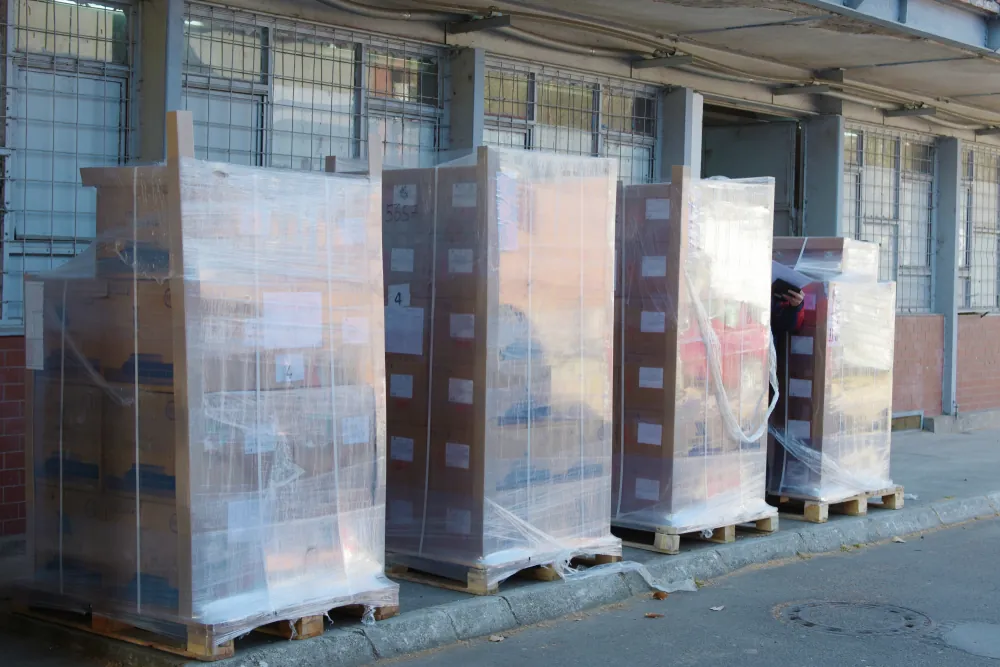
Limited Access, Residential, and Accessories
Some may think that accessories are optional, like liftgates or white glove. However, this couldn’t be further from the truth. When the driver arrives to deliver the shipment, they expect to go to a loading bay where the truck container is level with the warehouse floor.
But if they see no loading bay and don’t have a liftgate, then they can’t deliver, meaning that they have to haul the shipment back from the last warehouse they came from, and a new appointment has to be made.
The same goes for residences and limited access locations. If your location is gated off or your shipment needs to go to a house in a neighborhood, no matter if it’s a place of business or not, the driver needs to know so that they can have proper access and space to unload safely in the area. Otherwise, your shipment can’t be delivered.
This is why it’s important to know these things so that you can inform the business making the shipment on what to do. If your business doesn’t have a loading dock, then you need liftgate services to safely unload your shipment, period, full stop.
Otherwise, at best you will get unexpected surcharges and at worst a delayed delivery with surcharges. And note that if you don’t have a loading dock and don’t get white glove services or inside delivery, then the driver will place the shipment immediately outside the truck, making it your responsibility to unpack and move your shipment inside, however big or heavy it is.
It’s also important to know where you are and communicate if you’re in a limited-access location. Some may not even realize that they are until it’s too late. You can check out our Limited Access Pickup and Delivery page to see what typically qualifies as a limited access location.
Typically at FreightCenter, when we have shipments created by businesses, we try to see where the shipment will be picked up and delivered on maps so that we can observe what services and accessories should be utilized. However, this view can only go so far. That’s why clear communication is key to any shipment being done so that no surprises occur.
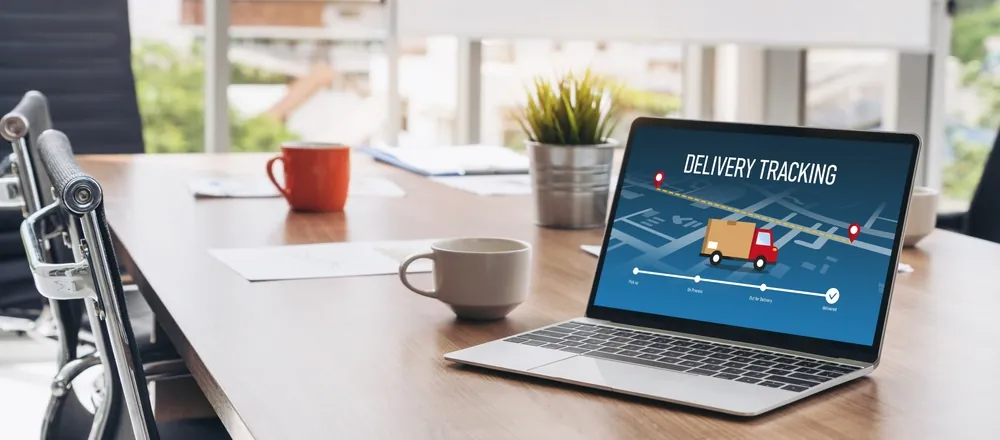
Tracking and Delivery
Once the package is shipped, it is on its way to you! However, just because the arrival date when you first ordered said one thing, it doesn’t mean it will stay that way. Many factors can cause delays for your shipment, including weather, major holidays, supply chain disruptions, infrastructure issues, and so on.
That’s why it’s important to order ahead if your shipment is time sensitive and to consider expedited services that push your shipments ahead in line. There are no guarantees of dates or times, but these services aim to deliver when requested.
But once your shipment arrives, there is also the important matter of being present for delivery. Some carriers are changing their policy to allow delivery without requiring a person to be present. However, this is currently the minority, and most continue to require a person present at delivery, meaning you can’t assume otherwise.
You can ask during your appointment confirmation if you are able to receive a delivery without a person present, but most will say no. Thus, you will need to ensure that someone will be ready and available to sign off on the delivery.
Without a person present, the driver will not be allowed to deliver the item. This will cause the item to be hauled back and will result in surcharges and needing to make a new delivery appointment. So whoever receives the delivery needs to be available, especially since freight deliveries have large delivery windows. Ensuring these variables are solved ensures that you deal with less risk and fewer headaches.

Damaged Goods And What To Do
You order your items, wait patiently for your shipment, and once it arrives, it’s damaged. Uh oh, now what? Well, it’s time to look at our options. Now businesses may have a policy if their items arrive damaged to you; however, it fully depends and is widely different for each company. For freight shipping specifically, damages from the carrier can be reported and resolved through the carrier.
If the item is found damaged, you will want to inspect the full integrity of the external packaging. If the packaging is not found intact, then it should be recorded on the Bill of Lading (BOL) or Proof of Delivery (POD). Take many photographs from different angles of external and internal product damage. Then, you will need to contact the freight carrier, not the freight broker or 3PL provider, and report the damages to them.
Do not throw anything away. If the carrier sends an inspector, they will need to see the condition of the shipment. If you find out that your shipment is damaged after receiving it, whether it’s concealed damage or internal, you will have five days to file any damage claims. Afterward, any and all damage claims are considered void.
While rare, accidents and damages do still happen, which is why it’s always recommended to get your freight protected. Freight carriers’ insurance will typically cover between $0.10 to $0.50 per pound of your shipment. That’s not even remotely close to the value of your shipment!
With freight protection, you can get a policy that works with your needs and business, with policies that can protect the full value of your lost or damaged goods. That way, if damage or loss does occur, then at least you get the compensation that you deserve!
After waiting tirelessly for your shipment to arrive, you decide to look at the freight tracker and see that your shipment has been delayed until Thursday! Nervous about the late arrival, you hope it can get in on time. Thankfully, when Thursday rolls around, the truck arrives with your delivery safe and sound, phew!
Next time, we’ll order our next imperative shipment for an earlier arrival time, and possibly consider expedited or guaranteed transit shipping for future crucial shipments.