
Select the Best Shipping Method
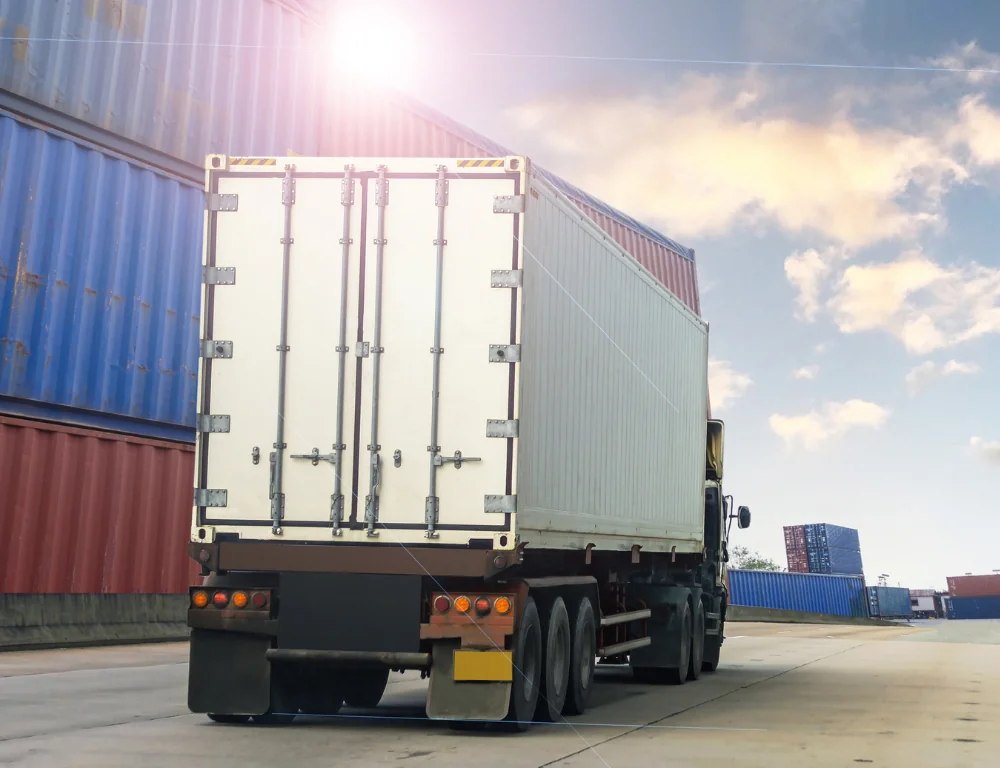
Choosing the best shipping method starts with understanding your freight. The right option depends on how much you are shipping, how quickly it needs to arrive, how far it is going, and whether it needs special equipment or handling.
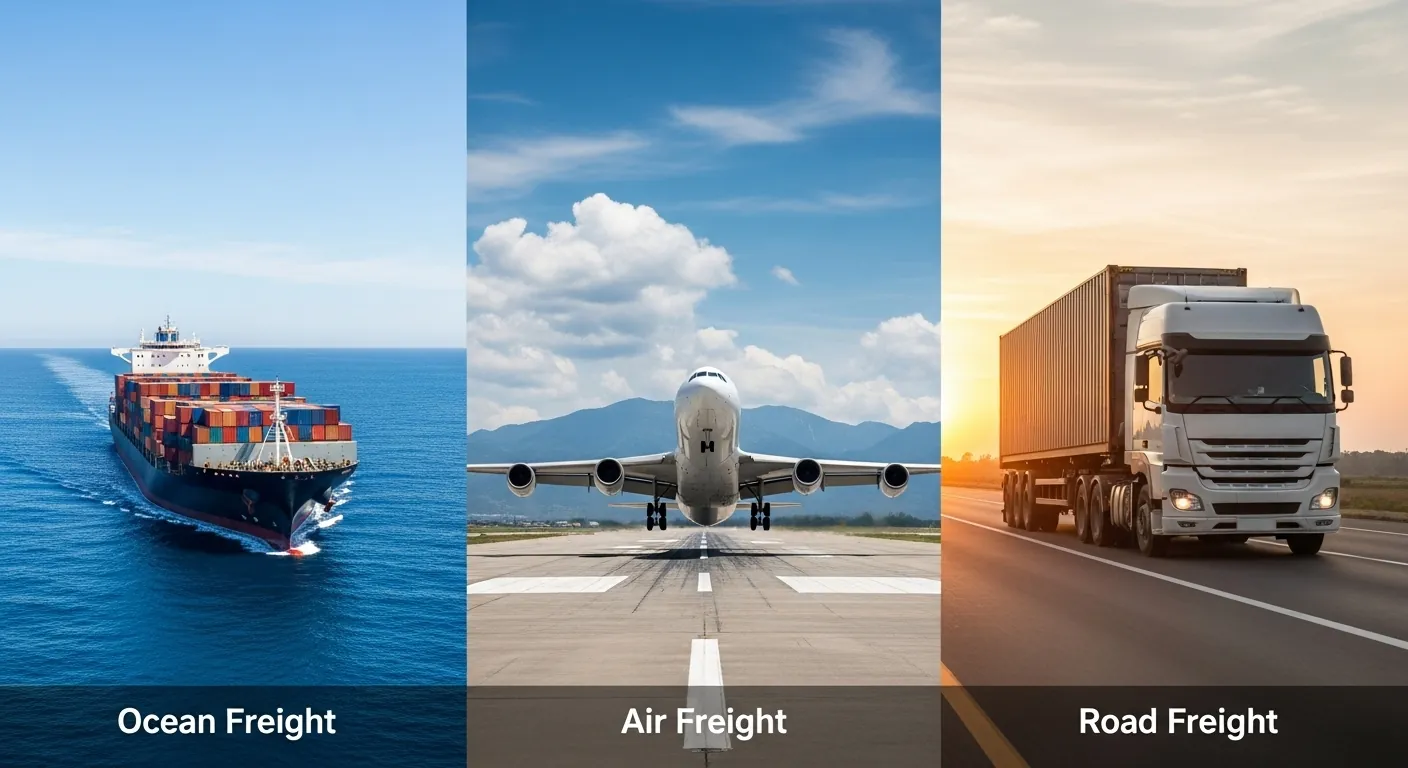
A few pallets may move best by less-than-truckload shipping. A larger shipment may require partial or full-truckload service. Urgent cargo may require expedited or air freight, while flexible long-distance shipments may be well-suited to intermodal or ocean shipping.
FreightCenter helps shippers compare freight services, carrier options, and rates in one place. Whether you are shipping once or managing regular business freight, we can help you choose a method that fits your shipment and budget.
How Do You Choose the Best Shipping Method?
Before comparing shipping services, gather the basic details of your shipment:
• Packed dimensions
• Total packed weight
• Number of pallets, crates, or pieces
• Pickup and delivery ZIP codes
• Required delivery date
• Product type
• Packaging method
• Loading and unloading equipment
• Temperature or handling requirements
Once you have these details, compare each shipping method based on four main factors:
Shipment Size
The amount of space your freight uses is one of the biggest factors. Freight that only occupies part of a trailer may move via LTL or partial truckload. Freight that fills most or all of a trailer may be better suited to full-truckload service.
Delivery Speed
Standard freight usually costs less than urgent service. If your freight must arrive by a firm deadline, expedited, guaranteed, or air freight may be necessary.
Handling Needs
Fragile, high-value, temperature-sensitive, oversized, or oddly shaped freight may require fewer transfers, special trailers, air-ride equipment, or white-glove service.
Shipping Budget
The cheapest method is not always the best value. A low rate may lead to more handling, longer transit times, or additional services not included in the original quote. To choose the most cost-effective option, weigh the total cost against the level of service provided.
For example, selecting the lowest-priced LTL option could result in slower delivery and more transfers, which may increase the risk of delay or damage. In some cases, paying a slightly higher rate for a more direct or reliable service can save you time, reduce hassle, and even prevent costly disruptions. Consider what delays or extra handling might cost your business to make a value-driven shipping decision.
| Shipping Method | Best For | Main Advantage |
|---|---|---|
| LTL freight | Smaller palletized shipments | Pay for only part of the trailer |
| Partial truckload | Mid-sized freight | Fewer handling points than standard LTL |
| Full truckload | Large or dedicated shipments | Direct transport with minimal handling |
| Expedited freight | Urgent shipments | Faster pickup and transit |
| Guaranteed delivery | Firm delivery deadlines | Added delivery commitment |
| Intermodal | Flexible, long-distance freight | Combines truck access with rail efficiency |
| Air freight | Urgent, long-distance cargo | Fastest option over long distances |
| Ocean freight | International container freight | Cost-effective for larger overseas shipments |
| Specialized freight | Oversized or sensitive cargo | Equipment and handling matched to the load |
*This table should be treated as a starting point. Carrier limits, lane availability, service details, and equipment options can vary.
When to Choose LTL Freight
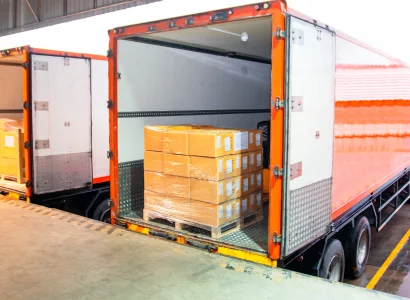
Less-than-truckload shipping is used when freight is too large for parcel service but does not require an entire trailer. Several shippers share the trailer, and each pays for the portion used.
LTL is commonly used for:
• One or several pallets
• Crated equipment
• Boxed business goods
• Retail inventory
• Auto parts
• Furniture
• Appliances
• Regular small-business shipments
Advantages of LTL Shipping
LTL can be more affordable for smaller freight loads because you do not pay for a full trailer. It also gives shippers access to regional and national carrier networks.
Things to Consider
LTL freight may move through terminals and be transferred between trucks. Strong packaging, accurate dimensions, correct weight, and the right freight class are important.
LTL may be the best choice when cost matters more than speed, and your freight can handle normal freight-network handling.
When to Choose Partial Truckload
Partial truckload shipping fills the gap between LTL and full truckload shipping. It is often used when freight takes up too much space on a standard LTL but does not require an entire trailer.
Partial truckload is typically best for shipments with more than 6 pallets or those between 5,000 and 20,000 pounds. Use partial truckload when your freight is too large for standard LTL but does not need the whole trailer space of a full truckload. The exact fit can vary depending on the available space, lanes, equipment, and carrier capacity.
Partial truckload may be helpful for:
• Mid-sized pallet shipments
• Freight with a lower density
• Loads that take up significant trailer space
• Fragile freight that should have fewer transfers
• Shipments that do not fit standard LTL limits
Advantages of Partial Truckload
Partial truckload shipments commonly involve fewer handling points than LTL shipments. It can reduce the chance of damage while costing less than reserving a full trailer.
When to Choose Full Truckload
Full truckload shipping uses a dedicated trailer for one shipper’s freight. It is often the right choice when a shipment fills most of the trailer, requires special equipment, or should not be transferred between trucks.
Full truckload may be best for:
• Large pallet counts
• High-volume business shipments
• Fragile or high-value cargo
• Time-sensitive freight
• Refrigerated goods
• Oversized freight
• Shipments needing flatbed, step deck, or other equipment
Advantages of Full Truckload
Freight usually remains on the same trailer from pickup to delivery. That means fewer handling points, more control over scheduling, and less exposure to terminal transfers.
Truckload pricing is generally based on the lane, trailer type, market demand, timing, and equipment needs rather than freight class.
| Factor | LTL | Partial Truckload | Full Truckload |
|---|---|---|---|
| Trailer use | Shared with many shipments | Shared with fewer shipments | Dedicated trailer |
| Best load size | Small freight loads | Mid-sized loads | Large or full loads |
| Handling | More terminal transfers | Usually fewer transfers | Minimal handling |
| Pricing | Freight class, weight, distance, and services | Space, weight, lane, and availability | Lane, equipment, timing, and capacity |
| Best for | Cost-focused smaller shipments | Freight between LTL and FTL | Large, fragile, urgent, or specialized freight |
Choose LTL for smaller loads, partial truckload for freight that falls between LTL and truckload needs, and full truckload for shipments that require dedicated space or minimal handling.
When to Choose Expedited Freight
Expedited freight is used when delivery speed matters more than standard pricing. It may involve a dedicated truck, priority handling, team drivers, straight trucks, cargo vans, or air service depending on the shipment.
Expedited shipping may be useful for:
• Production parts
• Replacement machinery
• Medical supplies
• Trade show materials
• Retail inventory shortages
• Emergency business shipments
• Freight with a firm appointment
Expedited service often reduces stops and waiting time, but it usually costs more than standard freight.
The best question is not simply, “Is expedited shipping expensive?” It is, “What would a late delivery cost my business?” For example, one customer needed to deliver replacement machinery to keep their production line running.
By choosing expedited shipping, the equipment arrived just in time to avoid shutting down operations, saving thousands of dollars in potential lost revenue and downtime. In cases like this, the higher shipping cost was far outweighed by the business impact of avoiding delays.
When to Choose Guaranteed Delivery
Guaranteed freight service may be appropriate when the shipment must arrive by a specific day or delivery window.
It can help with:
• Scheduled installations
• Store openings
• Events and trade shows
• Production deadlines
• Customer delivery commitments
• Time-sensitive replacement equipment
Guaranteed delivery and expedited delivery are not always the same. Expedited service focuses on speed, while guaranteed service focuses on meeting a stated delivery commitment. Exact terms and exclusions vary by carrier.
When to Choose Intermodal Freight
Intermodal transportation combines more than one mode, commonly truck and rail. A truck handles pickup and final delivery, while rail handles the long-distance portion of the route.
Intermodal may work well for:
• Long-distance domestic freight
• Containerized goods
• High-volume shipping lanes
• Shipments with flexible schedules
• Businesses seeking lower over-the-road exposure
Rail is generally more fuel-efficient than highway trucking, and intermodal can reduce the long-haul truck mileage for a shipment.
Things to Consider
Intermodal is not available for every route. Terminal locations, drayage distance, container availability, weight limits, and delivery timing all affect whether it is a practical choice.
When to Choose Air Freight
Air freight is usually selected when speed, long-distance reach, or shipment value is more important than finding the lowest rate. It is commonly used for urgent, time-sensitive, high-value, seasonal, or lightweight goods.
Air freight may be right for:
• Urgent parts
• Electronics
• Medical equipment
• Pharmaceuticals
• Perishable or seasonal goods
• International rush shipments
• Production-critical inventory
Advantages of Air Freight
Air service offers very fast long-distance transit and broad international reach. Tracking and service options vary by airline, forwarder, lane, and service level.
Things to Consider
Air freight is usually more expensive than ground or ocean transportation. Chargeable weight, dimensions, airport access, security requirements, and customs documents can affect the cost and timeline.
When to Choose Ocean Freight
Ocean freight is often the better international option when the shipment is large, heavy, containerized, and not extremely urgent.
It may be used for:
• Full container loads
• Less-than-container loads
• Machinery
• Raw materials
• Retail goods
• Manufacturing inventory
• Large international orders
Advantages of Ocean Freight
Ocean shipping may be more cost-effective than air for larger international shipments. It also supports containerized, heavy, and high-volume freight.
Things to Consider
Ocean freight usually takes longer than air. Port handling, drayage, customs clearance, documentation, sailing schedules, and possible storage charges should be considered.
FreightCenter can help customers explore international transportation options, but shippers remain responsible for required import and export documents unless separate customs support has been arranged.
Common documents needed for international shipping include a commercial invoice, a bill of lading, a packing list, a certificate of origin, and any applicable import or export licenses. Providing complete and accurate documentation helps avoid customs delays and ensures smoother international shipping.
When to Choose Specialized Freight
Standard LTL or dry van service is not right for every shipment. Specialized freight service may be needed when cargo is oversized, overweight, temperature-sensitive, fragile, high-value, or difficult to load.
Specialized options may include:
• Flatbed shipping
• Step deck shipping
• Removable gooseneck trailers
• Refrigerated shipping
• Temperature-controlled service
• Heavy haul
• Air-ride equipment
• White glove delivery
• Liftgate service
• Inside pickup or delivery
The service should be chosen based on the freight itself, not just the lowest available rate.
How Pickup and Delivery Locations Affect Your Choice
The shipping method may also depend on what equipment is available at each location.
A shipment may need added services when pickup or delivery is at:
• A home
• A small business without a dock
• A school
• A church
• A farm
• A storage facility
• A construction site
• A trade show
Common added services include liftgate pickup, liftgate delivery, residential service, appointment delivery, inside delivery, and limited-access service.
Including these needs in the original quote helps the carrier send the right equipment and reduces the chance of failed pickups or added charges.
Common Mistakes When Choosing a Shipping Method
Choosing Only by Price
The lowest rate may come with a longer transit time, more handling, or fewer included services.
Guessing Weight or Dimensions
Rates are based on the final packed shipment. Incorrect measurements can lead to billing adjustments or equipment problems.
Using LTL for Freight That Needs Less Handling
Fragile, high-value, or large freight may be better suited for partial or full truckload service.
Forgetting Pickup and Delivery Services
A carrier needs to know whether a dock, forklift, liftgate, appointment, or residential service is required.
Waiting Until the Last Minute
Urgent bookings can limit carrier and equipment availability and increase costs.
Using the Wrong Equipment
Oversized, refrigerated, tall, heavy, or crane-loaded freight may require equipment beyond a standard enclosed trailer.
How FreightCenter Helps You Choose the Right Shipping Method
Choosing a freight service can be difficult when you do not ship often or when your cargo has unusual requirements.
FreightCenter helps one-time shippers and small to medium-sized businesses compare transportation options based on:
• Shipment dimensions and weight
• Number of pallets or pieces
• Distance
• Delivery deadline
• Carrier availability
• Equipment needs
• Handling requirements
• Pickup and delivery services
• Budget
FreightCenter provides access to LTL, partial truckload, full truckload, expedited, intermodal, air, ocean, white glove, temperature-controlled, and specialized shipping options. If an issue arises during shipping,
FreightCenter’s support team is available to help track shipments, resolve transit issues, and communicate with carriers on your behalf. This ensures you have help throughout the entire shipping process, not just when booking.
Instead of guessing, shippers can compare available options and get help from freight experts before booking.
Shipping Method FAQ
Q. What is the best method for shipping freight?
A. The best shipping method depends on the freight’s packed size, weight, distance, deadline, value, packaging, and handling needs. Smaller loads may move via LTL, mid-sized loads via partial truckload, and larger or sensitive freight via full truckload or specialized service.
Q. What is the cheapest way to ship freight?
A. LTL is often cost-effective for smaller palletized shipments because several shippers share trailer space. For larger shipments, partial or full truckload may provide better value. The cheapest method depends on the lane and shipment information.
Q. When should I use LTL shipping?
A. Use LTL when your freight is too large for parcel shipping but does not require an entire trailer. It is commonly used for palletized, boxed, or crated goods.
Q. When should I use partial truckload?
A. Partial truckload may be a good fit when the shipment is too large for standard LTL but does not need a full trailer. It may also help reduce transfers and handling.
Q. When should I use full truckload?
A. Use full-truckload when the shipment fills most of a trailer, requires dedicated space, requires special equipment, or should be handled with minimal handling.
Q. Is air freight faster than expedited trucking?
A. Air freight is generally faster over very long distances, especially internationally. Expedited trucking can be competitive for domestic or regional moves because it avoids airport handling and transfers.
Q. Is intermodal cheaper than truckload?
A. Intermodal may cost less on some long-distance lanes, but pricing depends on rail access, drayage, equipment, weight, timing, and current capacity.
Q. Is ocean freight or air freight better for international shipping?
A. Air is usually better for urgent or high-value shipments. Ocean is usually better for larger, heavier, and less time-sensitive international cargo.
Q. Which shipping method is safest for fragile freight?
A. Fragile freight may benefit from strong crating, fewer handling points, partial or full truckload service, air-ride equipment, or white glove handling.
Q. Can FreightCenter help me choose a shipping method?
A. Yes. FreightCenter helps shippers compare rates and service options based on the freight, route, timing, equipment, and pickup or delivery requirements.