
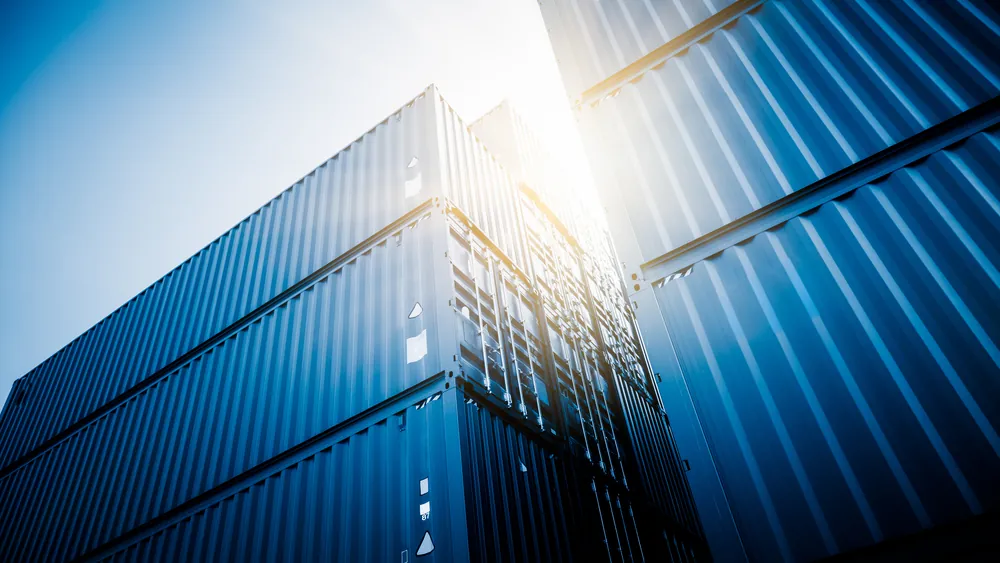
Ship Large Items with FreightCenter!
When it comes to shipping large amounts of Freight here at FreightCenter, we have the cheapest way to ship large amounts of Freight. If you’re considering shipping large items and want to learn how to save money, you’ve come to the right place. We offer different shipping options based on a variety of factors. This includes shipment volume and weight, dimensions and cargo characteristics, transportation mode, timing requirements, and handling and equipment requirements. We know that packaging is important when shipping large amounts of freight. With this in mind, here are a few factors to consider when shipping large amounts of freight.
Shipping Volume and Weight
As discussed above, shipping volume and weight are important considerations when shipping large amounts of freight. For example, the total weight and number of pallets are important to consider. Also, whether or not the freight fills an entire trailer. If you are considering the frequency of shipments, whether it’s one-time or recurring, it is important to think about it.
Dimensions and Cargo Characteristics
When considering transportation mode for shipping large amounts of freight, it’s important to determine whether your heavy haul will require a Full Truckload or a Partial Truckload. Also, will it need Flatbed Shipping or Heavy Haul Transportation? This is important to consider because the freight mode you choose can affect shipping time and cost.
Timing Requirements
It’s important to consider timing requirements when shipping with FreightCenter. Timing requirements include whether it’s a standard transit or an expedited shipment. Considering delivery deadlines is equally important.
Handling and Equipment Requirements
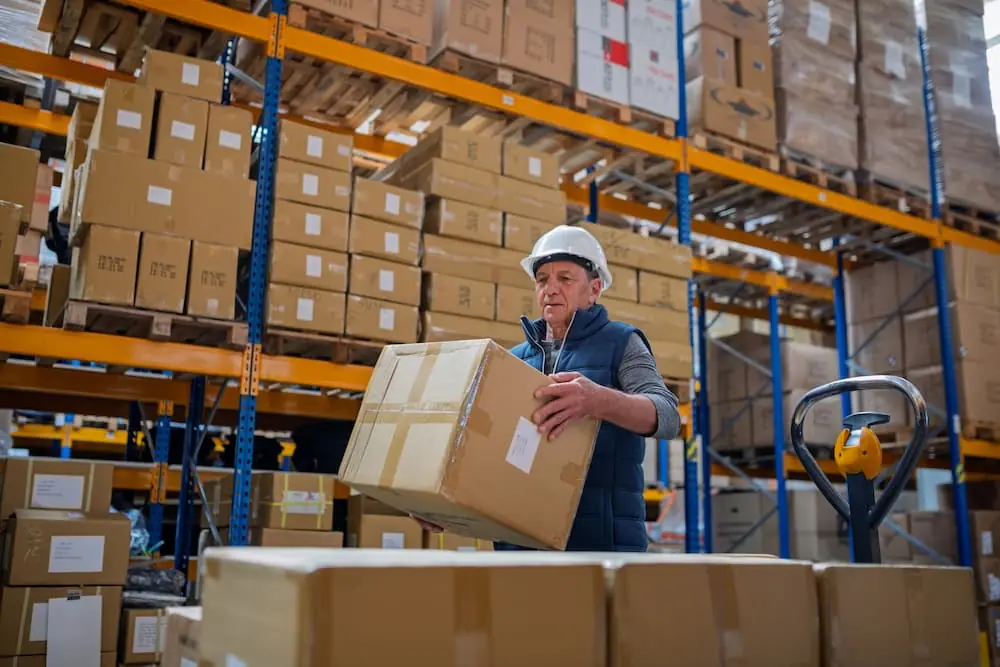
If you are considering shipping large freight with FreightCenter, it’s important to consider what this shipping might need to be shipped correctly. Whether your shipment needs liftgate service or crane loading. In addition, you want to consider whether your large freight items require a flatbed or specialized trailer, as well as white-glove delivery.
Large-Scale Freight Solution
FreightCenter focuses on bridging the gap by connecting you with carriers that specialize in large-scale freight shipping, whether you are shipping domestically or internationally. There is a need for businesses like yours, with heavy equipment and high shipping volumes, to be matched with a carrier that provides peace of mind for shipping large-scale freight.
Heavy Haul or Oversized Freight Shipping
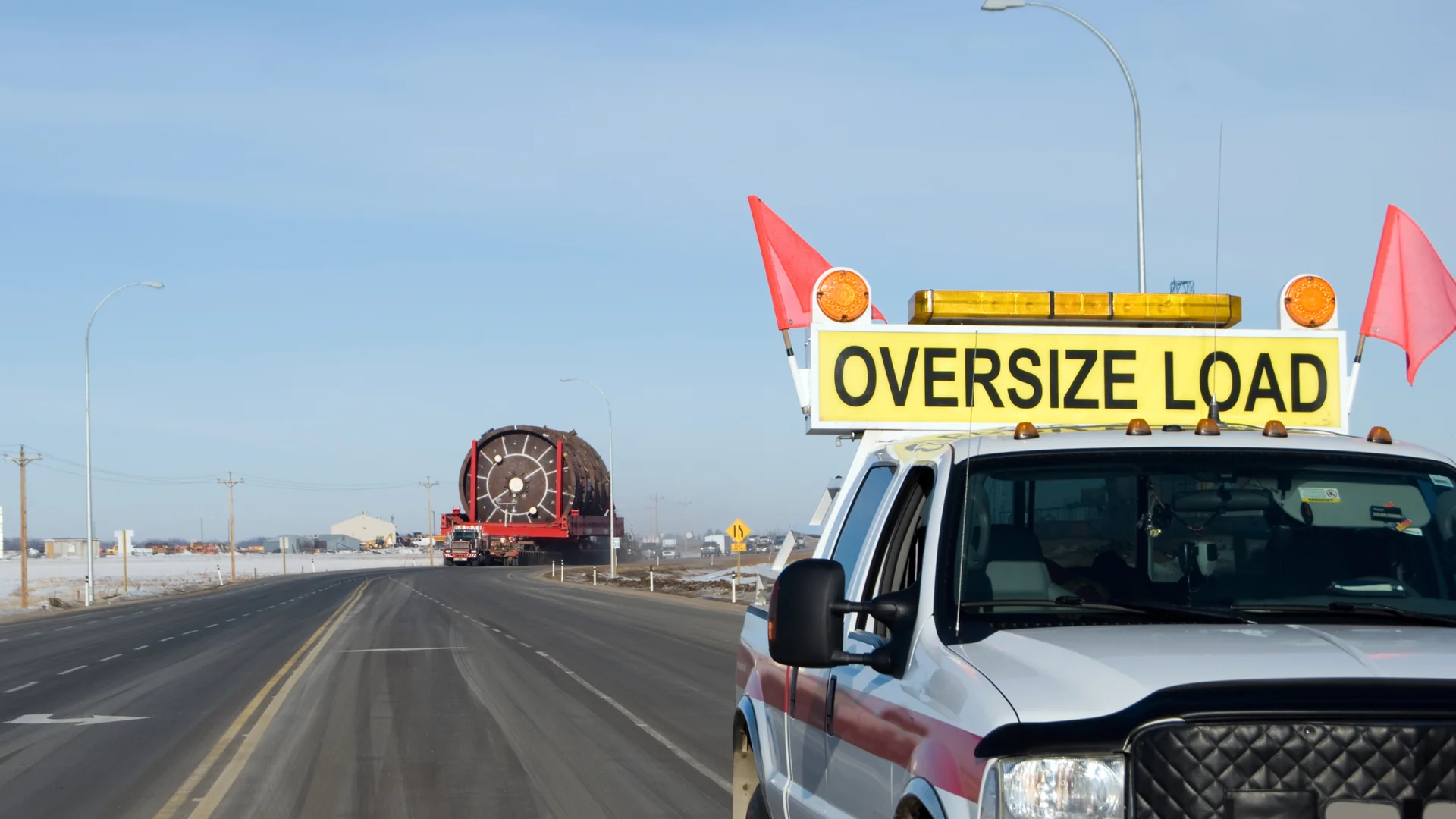
Heavy Haul or Oversized Freight Shipping focuses on oversized and overweight freight. In other words, if freight exceeds the legal size and weight requirements here at FreightCenter, we can assist with that issue and provide a solution. We have certified heavy-haul carriers, so you can rest assured that your shipment is being transported safely and efficiently.
Shipping Equipment
Shipping equipment can be a delicate process because you want to ensure that your shipment is delivered safely and on time. The important thing to remember about shipping equipment is that it requires a team like ours here at FreightCenter to determine whether it is industrial, commercial, agricultural, or specialty. This is because all equipment can vary in size and weight, as well as regulations.
Flatbed Freight Shipping
Flatbed freight is a shipping method that uses open-deck trailers without sides or a roof, making it well-suited for transporting oversized, heavy, or uniquely shaped cargo that won’t fit in traditional enclosed trailers. Frequently used for hauling construction equipment, building materials, industrial machinery, and large vehicles, flatbed trailers offer exceptional loading flexibility, allowing cargo to be loaded from the top, sides, or by crane.
When to ship with FreightCenter
When is it time to ship with FreightCenter? To answer this question, let’s take a deeper dive into other shipping agencies. According to FedEx, shipping oversized vs. freight shipping involves a difficult process. Shipping oversize packages with FedEx involves additional handling charges and an extra set of steps you don’t have to consider when shipping with FreightCenter. On the other hand, the UPS store offers freight shipping services that incur additional taxes and fees based on the value and/or gross weight, which vary by commodity. The customer is responsible for paying the duties and fees. Here at FreightCenter, we can provide you with a quote and further explain what you need to do if you are considering shipping with us.
Consult with Our Experts
Consulting with our experts is often beneficial. Every shipment is unique, and our dedicated agents can help determine the best packaging center and method for your specific needs. This ensures that everything is coordinated seamlessly within your shipping order, providing peace of mind and optimal protection for your items.

Consider Help From a Freight Agent
While it is possible to handle the preparation and planning for overlength and oversized freight on your own, consulting a freight agent can simplify the process and improve outcomes. Here’s why:
-
- – Expert Guidance: Freight agents have experience and knowledge in handling oversized shipments, including understanding the best practices for packaging, securing, and transporting your freight.
-
- – Customized Solutions: Every shipment is unique. A freight agent can provide tailored solutions that meet the specific needs of your cargo, from choosing the right type of transportation equipment to navigating regulatory requirements.
-
- – Efficiency: Working with a freight agent can streamline the process, reduce the risk of delays, and ensure that all necessary documentation and permits are in place.
- – Cost-Effectiveness: Although additional costs might be associated with using a freight agent, their expertise can help you avoid costly mistakes and inefficiencies.
Using a freight agent is also beneficial because their expertise can help you avoid costly mistakes and inefficiencies. To learn more about the best way to ship your freight, get a free online quote or chat with one of our expert shipping agents at 800-716-7608.
Also, be sure to check out the FAQs below to get some of your questions answered. You might find that some of your questions are answered in this section, making you better prepared when you do get in touch with one of our agents, helping you know what specific questions you might have for an agent.
Frequently Asked Questions About Shipping Large Items
1. What is the best way to ship a large item?
The best way to ship a large item depends on its packed dimensions, weight, shape, value, and loading requirements. Smaller palletized items may qualify for LTL shipping, while larger items may require partial truckload, full truckload, flatbed, or specialized freight service.
2. How do I know whether my item is too large for standard package shipping?
An item may need freight shipping when it is too heavy, bulky, long, or difficult to handle through a standard parcel network. Freight shipping is also commonly used when an item must be secured to a pallet, placed inside a crate, or loaded with a forklift or crane.
3. What information do I need to ship a large item?
You should provide:
– The final packed length, width, and height
– The total packed weight
– The number of pallets, crates, or pieces
– A clear description of the item
– Pickup and delivery ZIP codes
– Packaging details
– Loading and unloading equipment
– Required pickup or delivery dates
– Any access or handling requirements
Accurate information helps identify the right freight service and reduces the chance of added charges or pickup delays.
4. Should a large item be placed on a pallet or inside a crate?
Many large items should be secured to a strong pallet or skid. Fragile, valuable, irregularly shaped, or exposed items may need a custom crate for added protection. The packaging must support the item’s full weight and prevent movement during transportation.
5. How do I measure a large item for freight shipping?
Measure the item after all pallets, crates, padding, braces, and protective materials have been added. Record the longest length, widest width, and highest point. Do not rely solely on the product dimensions, as the completed package may take up more trailer space.
6. How much does it cost to ship a large item?
The cost to ship a large item depends on its packed dimensions, weight, distance, freight service, trailer type, delivery deadline, and pickup and delivery requirements. Liftgate service, limited-access locations, residential delivery, crane loading, and specialized equipment may also affect the rate.
7. Can a large item be shipped by LTL freight?
A large item may qualify for LTL shipping when it fits within the carrier’s size and weight limits and is properly secured to a pallet or inside a crate. Items that use too much trailer space, cannot be transferred safely, or exceed carrier limits may require partial or full truckload service.
8. When should I use full truckload shipping for a large item?
Full truckload may be appropriate when the item requires dedicated trailer space, takes up most of a trailer, cannot be stacked, or should have fewer handling points. It may also work well for multiple large items moving to the same destination.
9. When does a large item need flatbed shipping?
Flatbed shipping may be needed when the item is too tall, wide, long, or difficult to load into an enclosed trailer. Flatbeds allow loading from the side, rear, or above, making them useful for machinery, building materials, equipment, tanks, and other unusually shaped items.
10. What is the difference between a large item and oversized freight?
A large item may still fit within standard trailer and roadway limits. Oversized freight exceeds one or more standard legal limits for height, width, length, or weight. Oversized shipments may require permits, route planning, escorts, or specialized trailers.
11. Can FreightCenter arrange shipping for heavy machinery and equipment?
FreightCenter can help compare freight services for many types of industrial, commercial, construction, agricultural, and specialty equipment. The required service will depend on the equipment’s size, weight, configuration, loading method, and delivery location.
12. What happens when there is no loading dock?
Tell FreightCenter before booking if a dock is unavailable. Depending on the item’s size and weight, the shipment may require a liftgate, forklift, crane, ground-level loading, or a specialized trailer. Large equipment may require separate unloading arrangements by the shipper or receiver.
13. Can a large item be delivered to a home or construction site?
Residential and jobsite delivery may be available, but these locations must be identified when requesting a quote. Confirm that the property has enough space and clearance for the truck and that the correct unloading equipment will be available.
14. How long does shipping a large item take?
Transit time depends on the distance, freight service, trailer requirements, carrier availability, and pickup and delivery conditions. Specialized and oversized shipments may require additional planning before pickup. Expedited options may be available for time-sensitive shipments.
15. How does FreightCenter help with shipping large items?
FreightCenter helps customers compare available freight services based on the item’s dimensions, weight, packaging, route, loading needs, and delivery requirements. A dedicated freight agent can also help coordinate carrier communication and identify important details before the shipment is booked.