
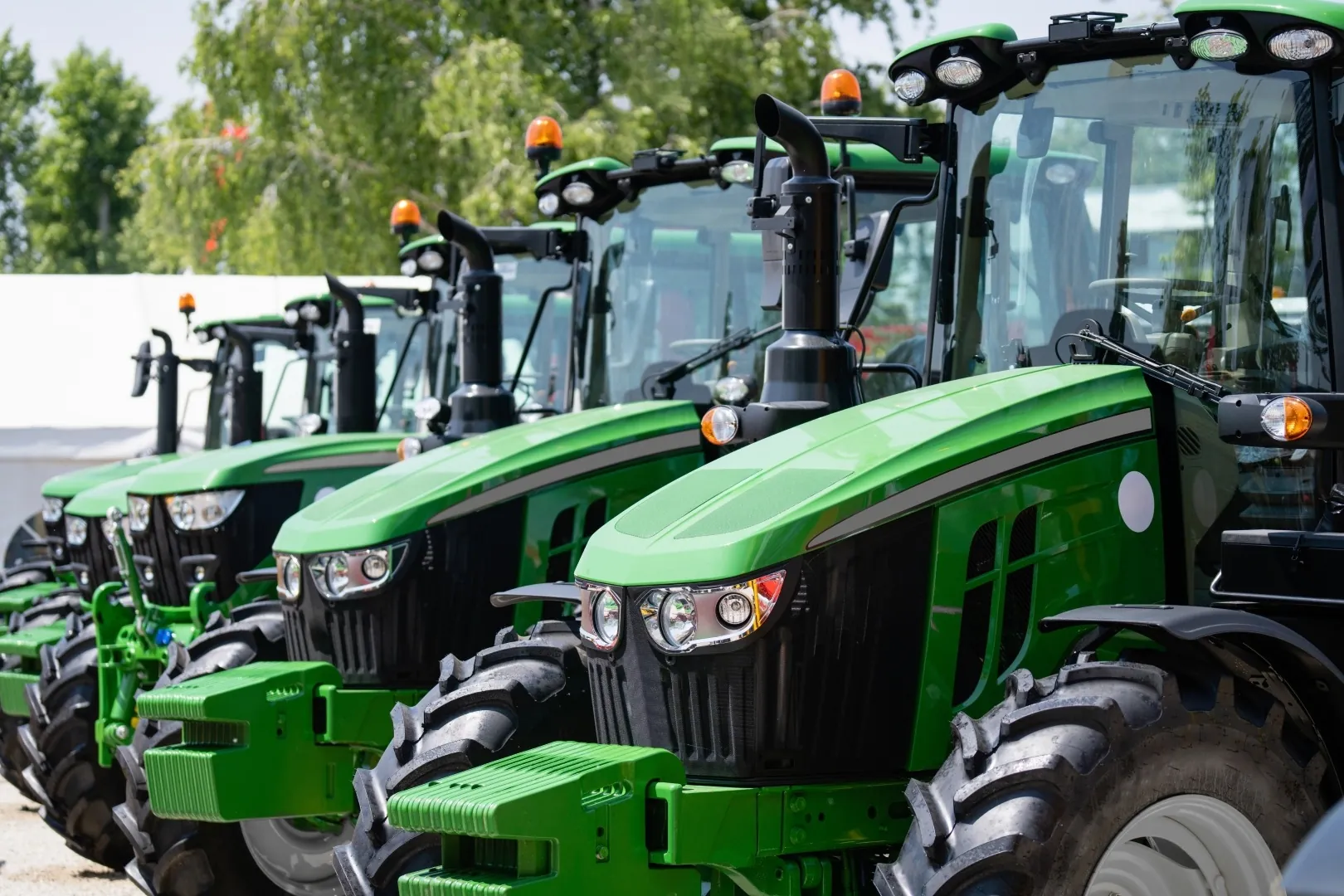
Shipping agricultural equipment is full of challenges. It’s a complex task that requires high levels of precision, coordination, and a working knowledge of the equipment. Whether you’re a hobby farmer or engaged in large-scale agriculture, having the right tools can make all the difference. The equipment, no matter how large or small, is essential to farming. Without it, farming would be disrupted and delayed, costing precious time and money.
With the varying sizes, heights, and widths of agricultural equipment, it may seem impossible to know how one part should be shipped compared to another. How does it need to be prepared and packaged? What paperwork is required? To ensure a smooth experience when shipping agricultural equipment, we’ve put together some of the most important information you need to know.
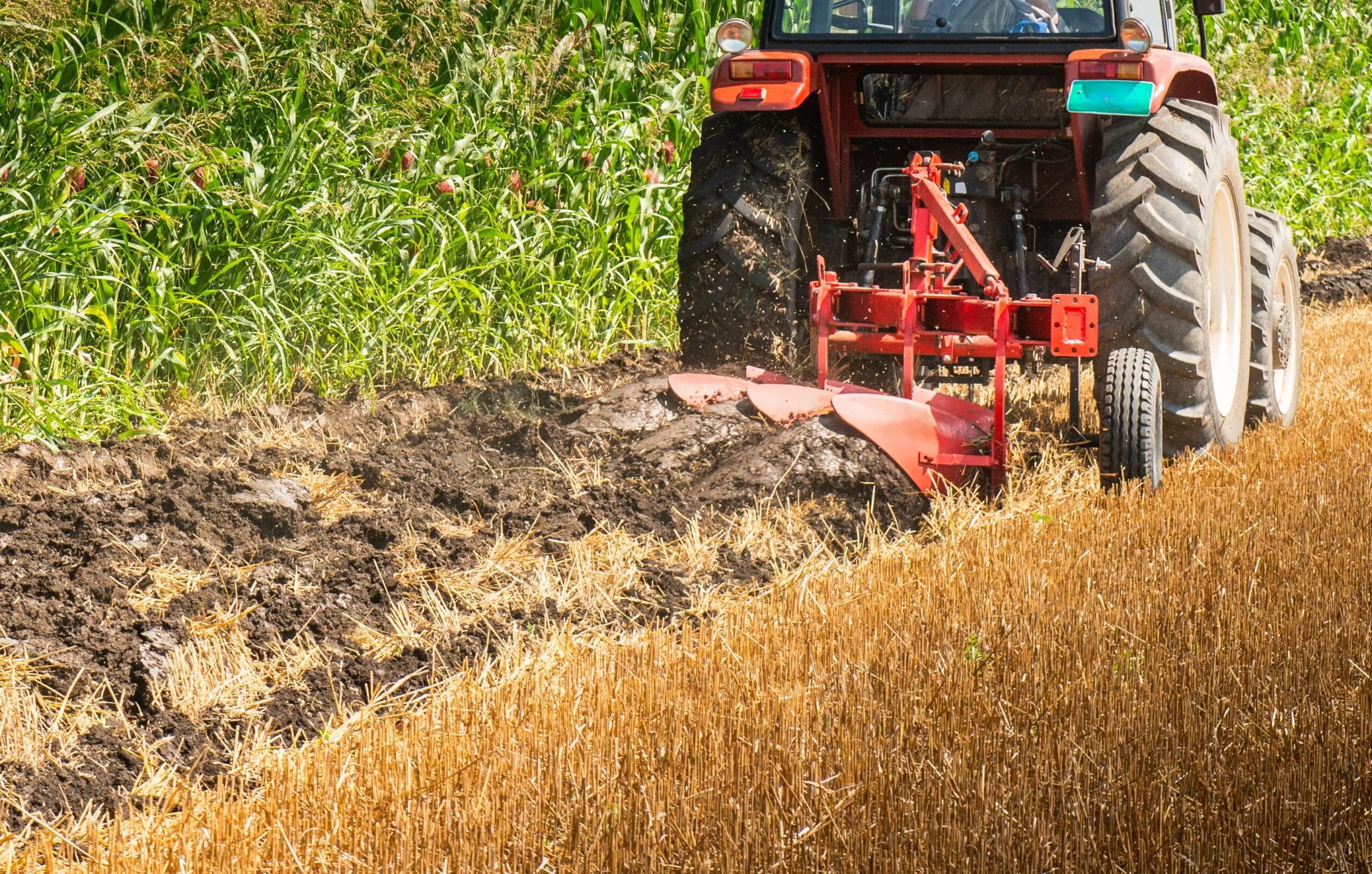
What Are Some Commonly Shipped Agricultural Equipment?
Commonly shipped agricultural equipment includes:
– Farm trucks
– Backhoes
– Plows
– Sprayers
Farm trucks are essential to move supplies around a farm and haul crops to market. Backhoes are used to dig ditches or trenches in which water can be directed or pipes installed. Plows help farmers transport heavy items and remove stumps from land being readied for planting crops. Finally, sprayers are used during the planting and harvesting of crops to protect them from pest infestations and other possible damage. These essential tools are necessary for farmers to avoid significant difficulties when properly executing their jobs throughout each stage of the growing season.
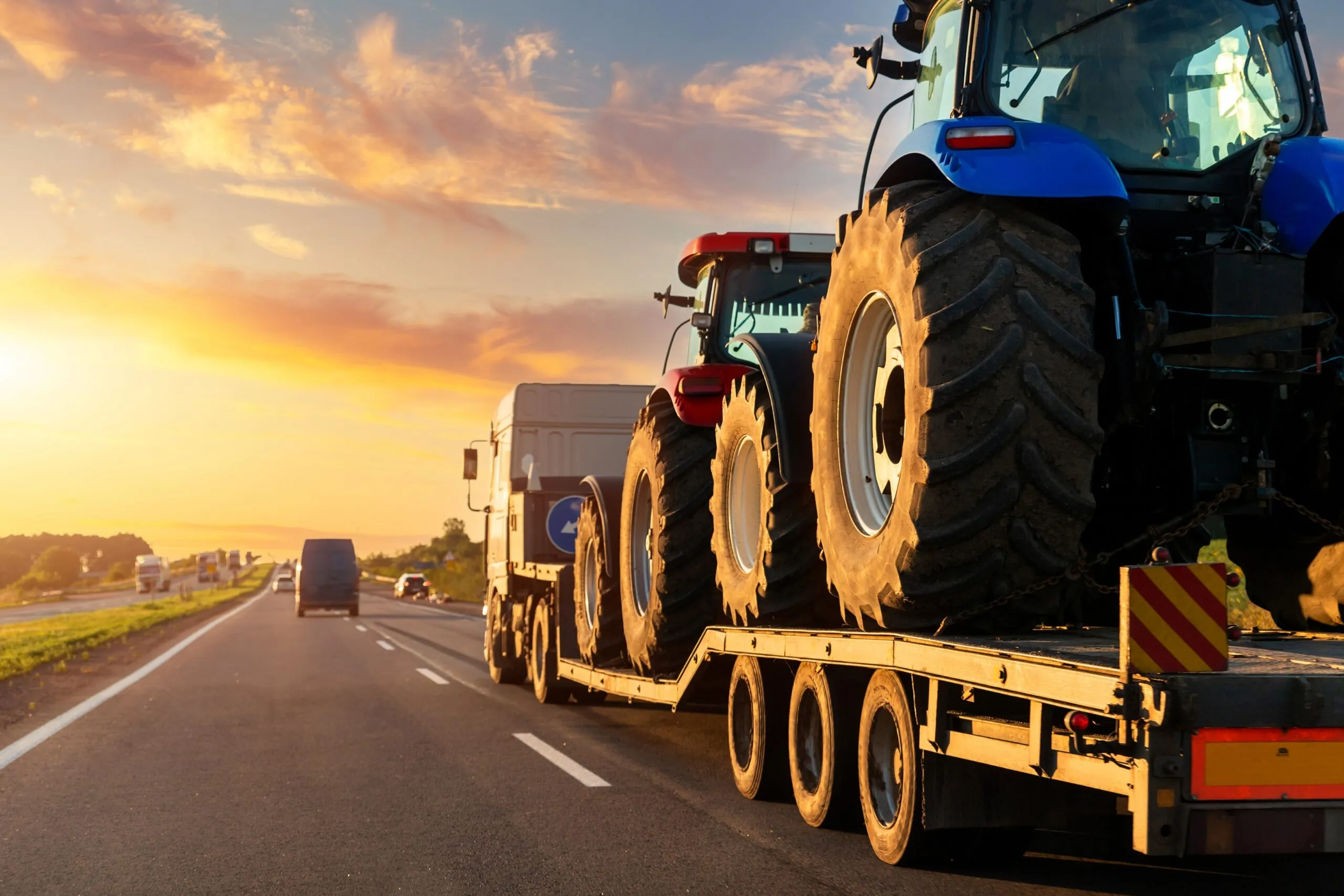
How Agricultural Equipment is Shipped
There are two primary shipping methods for agricultural tools in the farming industry. Full truckload (TL) usually occurs when there are multiple shipments being sent out at once to the same destination. TL allows for your equipment to have a trailer all on its own, with no delays in delivery. Less-than-truckload (LTL), on the other hand, involves smaller or fewer shipments than Full Truckloads. With LTL, you’ll be paying for a dedicated spot on a truck, rather than the entire trailer being half empty. Moving lightweight items or smaller quantities of items this way allows farmers to save money.
Both Full Truckloads and Less-Than-Truckloads can be customized to meet each farmer’s crop-cycle requirements. Whether harvesting in the fall or planting in the spring, these two methods provide a versatile way to ship agricultural tools throughout the year.
Prepare Your Equipment for Shipping
Farmers must ensure that all items are adequately prepared for the journey when shipping agricultural tools.
– Cleaning: cleanliness is essential, as dirt and debris can cause damage to the cargo during transit. Cleaning items before shipping can help protect them from potential problems.
– Covering Vulnerable Places: parts more vulnerable to harm during transit should be covered or secured. For example, sharp edges on tools can be wrapped in protective material to avoid damage while moving.
– Inspecting: before shipping agricultural machinery, it is essential to inspect all parts and pieces for safety purposes, as well as check for any signs of damage. It’s best to take photos of the equipment’s condition before shipment.
– Disconnect Batteries: disconnecting batteries is an integral part of the preparation process, as it prevents potential issues caused by power surges during transit.
– Draining Fluids: drain all fluids and lubricants from the machinery to ensure it is safe to transport.
All these steps must be considered for agricultural tools to arrive safely and securely at their destination. By preparing to ship correctly, farmers can rest assured that their equipment is well-protected while on its way.
Package the Equipment
To avoid any damage during transit, it’s imperative that equipment is properly packaged. All equipment should be carefully wrapped in protective materials, such as bubble wrap, to prevent scratches or dents during transit.
If the equipment can be crated, make sure it’s placed in a box or crate that can withstand various factors. Depending on the equipment, it’s best to have it custom crated to keep it safe. If there’s any empty space within the box, fill it with extra packaging materials to reduce the risk of damage.
Have the Right Paperwork
Shipping documents and permits are just as important as properly packaging your equipment. Without the right paperwork, you may run into a lengthy delay or incur extra fees. A few important documents or permits you may need include:
– Bill of Lading (BOL): the BOL serves as a contract between the shipper and carrier and as a receipt of goods.
– Ownership or Title: this helps transfer ownership of the equipment from the shipper to the consignee.
– Overweight or Oversized Permit: every state and region has different permits needed for overweight and oversized vehicles. Make sure to do your research before you ship to avoid unnecessary delays or fees.
– Insurance Papers: if shipping large equipment, proof of insurance may be required before pickup.

Partner with a Reliable Agricultural Equipment Shipping Provider
Shipping agricultural equipment doesn’t need to be confusing. At FreightCenter, our expert agents are ready to get you on the right path. We help you find custom solutions tailored to your specific logistics and shipping requirements. With over 25+ years of experience, we’ve helped hundreds of shippers move their equipment from coast to coast. Get a free online quote today or call one of our agents at (800) 716-7608.