
Any business involved in freight shipping understands that logistics can be a complex process. There are many factors to consider, including how to transport goods, how to store them in anticipation of orders, how to address potential complications, and how to organize your supply chain to manage all these elements effectively.
Businesses may find all this too much to handle on their own. That is why logistics providers exist: to handle a company’s logistics and transportation operations in their stead. These logistics providers can handle a range of services, including transportation, warehousing, order fulfillment, and packaging.
However, what services you need will depend on your business size and needs. Every provider offers a level of services and management to suit every type of business, and finding what you’re looking for in a provider is like searching for a needle in a haystack. There are numerous providers available, and sifting through them all can be time-consuming and costly, diverting resources from other business aspects.
To make it easier for businesses to find what they’re looking for, logistics providers often give themselves a level rating that refers to the level of logistics outsourcing a company requires for successful supply chain management and operations. This is what we refer to as “party logistics” (PL).
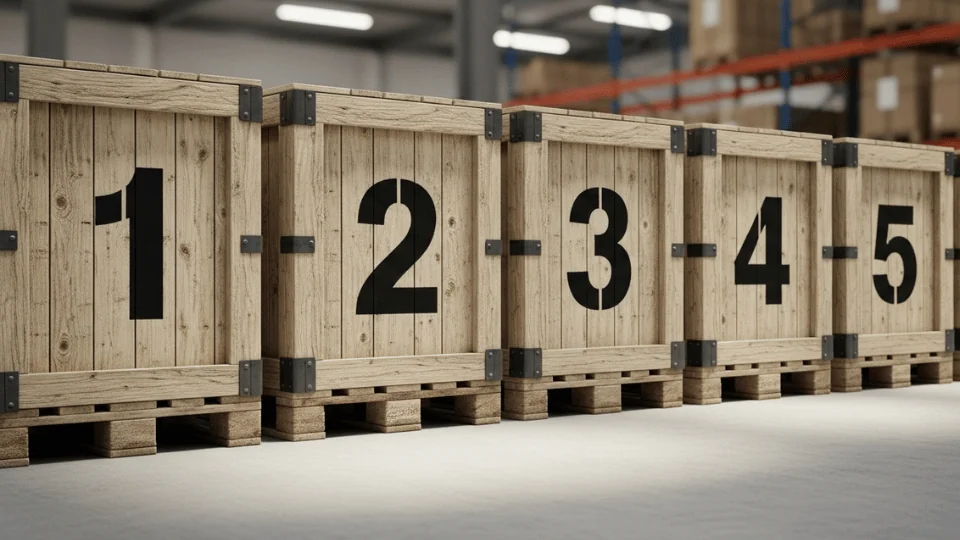
There are currently 5 known levels of PL providers. 3PLs (3rd party logistics) are the most well-known of these. But what about the rest? And which ones are right for your business’s logistical needs? Let’s explore each level of party logistics from 1 to 5 to help you make the best decision for your logistics and supply chain needs.
How Do Party Logistics Providers Get Their Numbers?
A PL provider’s level number is based on two factors. First, it depends on the level of logistics outsourcing a company needs. The higher the number in front of “PL”, the higher the level of logistics outsourcing the provider offers. Some of these providers work intimately with businesses, providing all assets and handling the logistics side of things for the company. Some only offer the bare minimum while the company handles the rest.
Another factor is based on the number of services a logistics provider offers to its clients. Some PL providers only provide standard services, leaving companies to outsource or handle the remaining tasks. Other providers have every service you can think of on hand for clients, meaning the provider can act as a company’s logistics department on their behalf.
Both factors depend on their client’s logistical needs. Are they a small business that can afford to operate a few trucks and manage their logistics operations under a local network, or are they a major enterprise that can’t afford to spend time coordinating and managing their logistics operations? Regardless of your business’s requirements, there is a PL provider that can meet your standards.
Types of Party Logistics Service Providers
There are currently five distinct levels of party logistics, each with specific advantages and disadvantages that cater to different organizational needs. The various levels are as follows:

1PL (1st Party Logistics)
1PL logistics emphasizes self-sufficiency, where a company’s internal logistics department manages all operations—order fulfillment, warehousing, and transportation—without outsourcing these tasks. This approach allows companies to avoid external fees and maintain direct control over their supply chain. This control also fosters stronger relationships with customers.
However, managing an entire logistics department can be challenging and requires a significant initial investment of time and resources to operate effectively. This is why 1PLs are a perfect fit for small businesses; if you have a small delivery network, then you won’t need to allocate as many resources towards logistics.

2PL (2nd Party Logistics)
A company that manages most logistics but lacks its own transportation fleet will outsource to an external provider, such as a 2PL. They focus on the physical movement of goods and provide transportation assets, such as trucks and planes, while the company manages other logistics. They offer basic services, such as storage and expedited shipping, but advanced options may be limited.
Companies that work with a 2PL gain access to its expert transportation services. They also don’t have to pay to maintain their own fleets. Outsourcing your logistics does mean losing some control over the process, but in exchange, you can turn your attention towards your core business objectives without as much interference.
3PL (3rd Party Logistics)
3PLs are one of the most popular types of external PL providers, as they go beyond offering transportation: they can handle some or all of your logistics operations. 3PLs serve as intermediaries, connecting their clients to their customers. To that end, they offer a variety of services, including:
– Order fulfillment
– Warehousing/storage
– Packaging
– Transportation
– Return logistics
Like 2PLs, 3PLs handle the logistics side of things, allowing businesses to focus on their core objectives. Given that 3PL providers are highly popular, numerous options are available. Each provider offers different services, making the selection process challenging.
The one thing almost all 3PLs don’t handle is services unique to supply chain management, including data analytics and procurement. Remember that logistics is a part of the supply chain; other aspects of the supply chain are not part of logistics. These aspects, however, can be handled by:
4PL (4th Party Logistics)
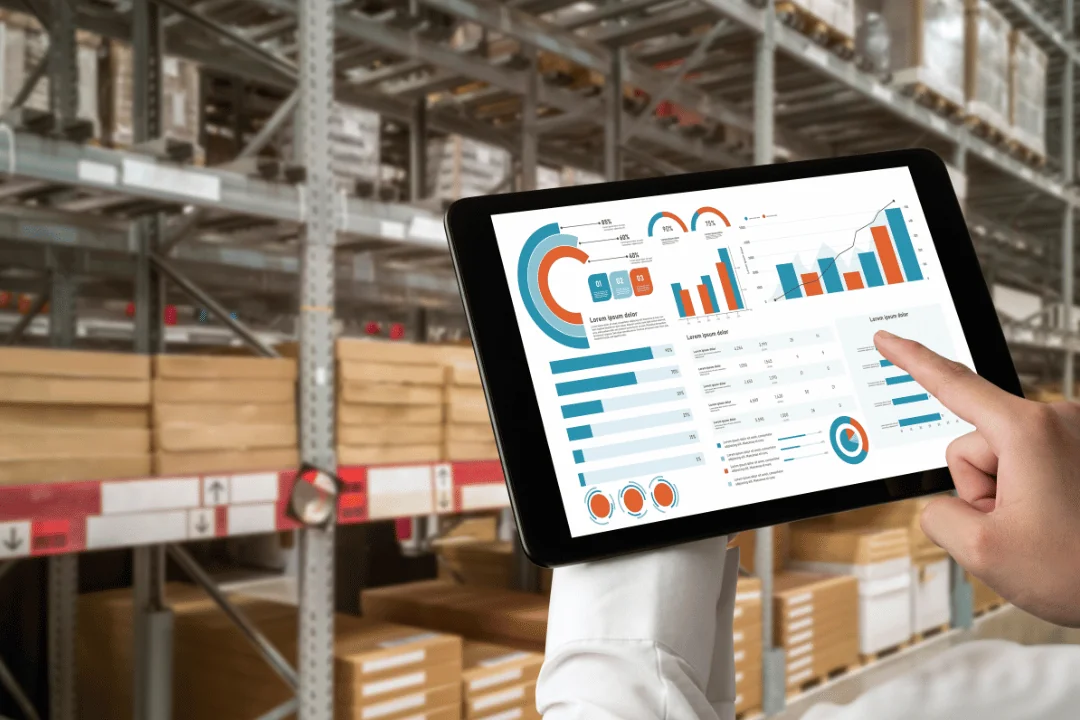
If 3PLs manage all your logistics, then 4PLs focus on the larger perspective. They act as consultants, coordinating and managing their clients’ supply chains. The key distinction of 4PLs is that they do not own physical assets; instead, they prioritize strategy and planning. They also utilize technologies and software to help with planning and data analysis, making them more cutting-edge than some 3PLs and many 1PLs and 2PLs.
4PLs are primarily utilized by larger corporations that either have the resources to manage their own logistics or can afford to engage both a 3PL and a 4PL service. These providers offer a wealth of resources and expertise to their clients, aiming to streamline operations and enhance visibility and flexibility. However, it’s essential to note that 4PLs do not directly manage logistics and transportation; they may not own their own fleet, for example. Therefore, you may also need to contract with a 3PL for these services.

5PL (5th Party Logistics)
The final type of party logistics provider is a relatively new one, but it is the best of both worlds. 5PLs combine the 3PL’s transportation and logistics services with the 4PL’s supply chain optimization. They manage entire networks of supply chains for clients, overseeing multiple 3PL and 4PL providers and integrating the latest technology and tools to create a centralized platform for customers to monitor and control their operations.
5PLs are extremely popular with ecommerce due to their technology-forward approach and serving as a central hub for all the 3PLs and 4PLs they manage. However, they are also arguably the most controlling of the five types of logistics providers. Most 5PLs manage all logistical operations, enabling businesses to focus on their core objectives. However, this can make it more challenging to change business aspects compared to working with less demanding logistics providers.
Which Party Logistics Provider is Right For You?
Choosing a PL provider depends on several factors, including:
– Business size
– Operational budget and costs
– Scalability
– Logistics and transportation needs
Small businesses may find it advantageous to rely on 1PL or 2PL providers, as these options typically require fewer resources compared to larger companies. However, these smaller businesses may also face challenges in navigating the complexities of logistics. In contrast, medium and large-sized companies can benefit from the wide range of services and enhanced visibility offered by 5PL providers. However, utilizing a 5PL often involves significant costs for compensating the provider and ensuring compliance with the contract between the client and the provider.
3PLs and 4PLs are often seen as the ideal balance in the logistics landscape. While they may not offer the extensive range of services that 5PLs do, they provide more solutions than 1PLs and 2PLs. Moreover, there is considerable diversity among 3PL providers, with some offering unique services that others may lack. You can also invest in data analytics tools on your own, which means you don’t necessarily need to incur the additional cost of hiring a 4PL. However, if your business has its own transportation and logistics assets, relying solely on a 4PL can be beneficial, especially for companies that may not be able to afford the extra data software.

Make the Best Decision for Your Logistics Needs
Whether you ship a few pallets weekly or manage an international supply chain, selecting the right logistics partner can have a significant impact, regardless of your business’s size. Understanding the different levels of logistics providers is essential for selecting a solution that aligns with your size, strategy, and growth objectives.
There is no one-size-fits-all answer. Some companies prefer the control offered by 1PL or 2PL solutions, while others require the additional support of third-party logistics partnerships, such as 3PL, 4PL, or 5PL. The key is to find a provider that delivers the right services, flexibility, expertise, and technology to ensure your long-term success.
Ultimately, your choice of logistics provider should reflect your specific needs and requirements. It is essential to research various providers and discuss your requirements with your team when selecting a logistics partner. You can also obtain quotes from multiple PL providers and use them to inform your final decision.
No matter which logistics provider you choose, your business is making a wise decision. Logistics providers are specialists in their field and are prepared to assist you in achieving your business objectives. By bringing an additional partner on board, you can simplify the complexities of logistics and ensure that your business operations remain a top priority.