
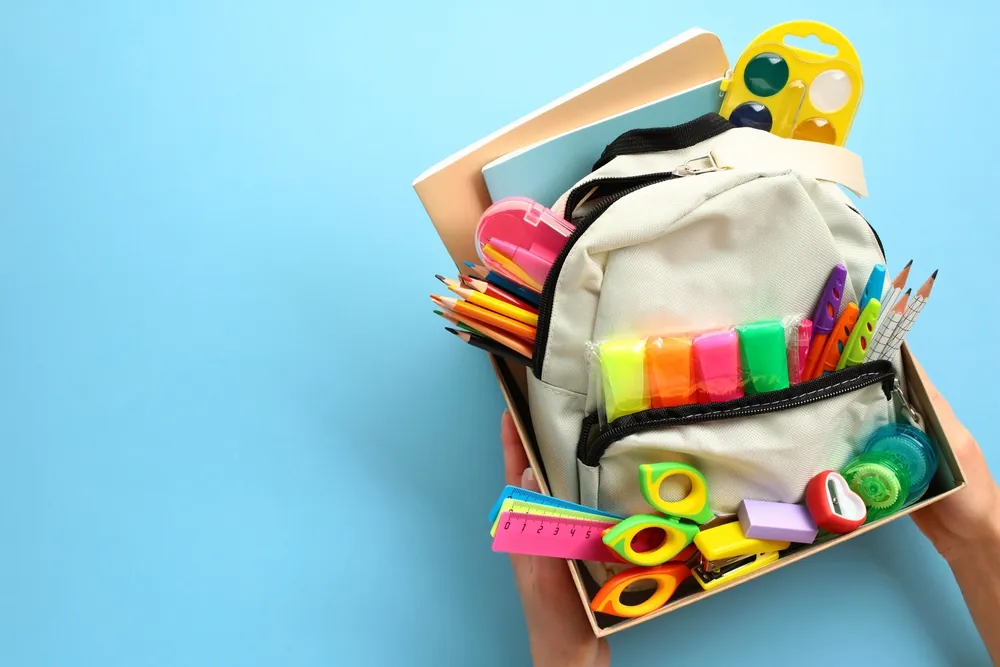
There are all sorts of seasons that come every year, one of those being back-to-school season! The time of year when families all around the country go to buy new supplies for their kids. Aisles are abounding with all sorts of stationery, from loose-leaf and notebooks to pencils and crayons, to rulers and scissors and so much more!
But while students pack up to prepare for the upcoming school year, they aren’t the only ones getting supplies. Schools also order supplies for their students. Unlike the pencils and highlighters families get for their kids (and schools still collect those supplies), schools order the materials needed for the classroom and the school as a whole. So, what does that look like?
Knowing What to Get
Before we get anything, we need to know what to get and how much to get. There are all kinds of materials and resources that go into running a school, from human labor like teachers and admin to services like mental health programs and food assistance. With logistics, most of the items the freight industry deals with are items that can be shipped, like furniture, classroom materials, and technology.
It’s quite a lot of stuff, and it doesn’t come cheap. On average, in 2024, each school spent around $17,619, with each state varying in the amount of money spent per pupil. States that were shown to spend more per pupil were places like New York, D.C., Vermont, New Jersey, and Connecticut, spending over $26,000 or more. In contrast, states that paid less per pupil were Idaho, Utah, Arizona, Oklahoma, and Mississippi, spending just a bit over $11,000.
One might look at these numbers and think they are incredibly high for each child; however, it’s all meant to last an entire year and goes towards all of the child’s schooling. This means not just equipment and learning materials, but also building maintenance, food, medical equipment, and more. And if a child moves to a different area, the money moves with them, meaning schools that receive fewer students get less money for that school year. It’s why every cent matters and figuring out how to use that funding can be tricky.
For educational funding, from 2024, about 12% is federal dollars, typically allocated to programs like Title I and IDEA, which are meant to help low-income students or students with disabilities. About 45% is state funding, and the remaining 43% is local funding. Factors like student enrollment, property taxes, student needs, laws, policies, and more all affect what each school is allocated. Once the money is in, then the spending can start.
School Supplies Shipping Orders
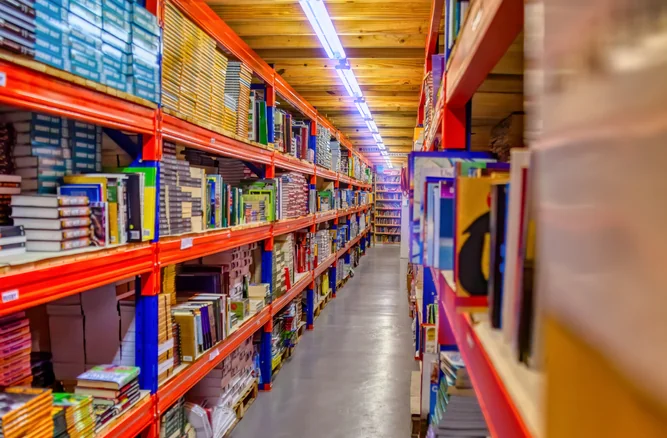
You have the funds, the spreadsheets, and the estimates ready. Now all you need to do is get the materials through the door. There are many different ways that schools get supplies for students, whether they receive them from families buying extra supplies to give away, organizations running donation drives, or even teachers buying materials to cover students’ needs from their own pockets. However, the majority of materials are often ordered through individual schools and school districts, starting in the spring.
Before the next school year is even close, administrators overlook and plan what to get almost a year in advance. Admins create committees, see what materials and infrastructure may need upgrading, and start negotiating with suppliers to secure the most cost-effective purchasing power possible.
That’s why school suppliers need to be ahead of the game when offering materials to schools. Start too late, and you’ll need to wait until next year to sell to schools. This becomes even trickier when selling curriculum materials, and certain states, like Texas and California, go through adoption cycles where they only buy certain materials during open adoption years.
As a supplier, you need to know when and how to fulfill these orders legally so that your business doesn’t break any policies or lose customers. This process takes months of negotiating and collaboration to complete, but once everything is approved in the spring, orders can start to go in. This then starts the distribution process.
Delivery Time
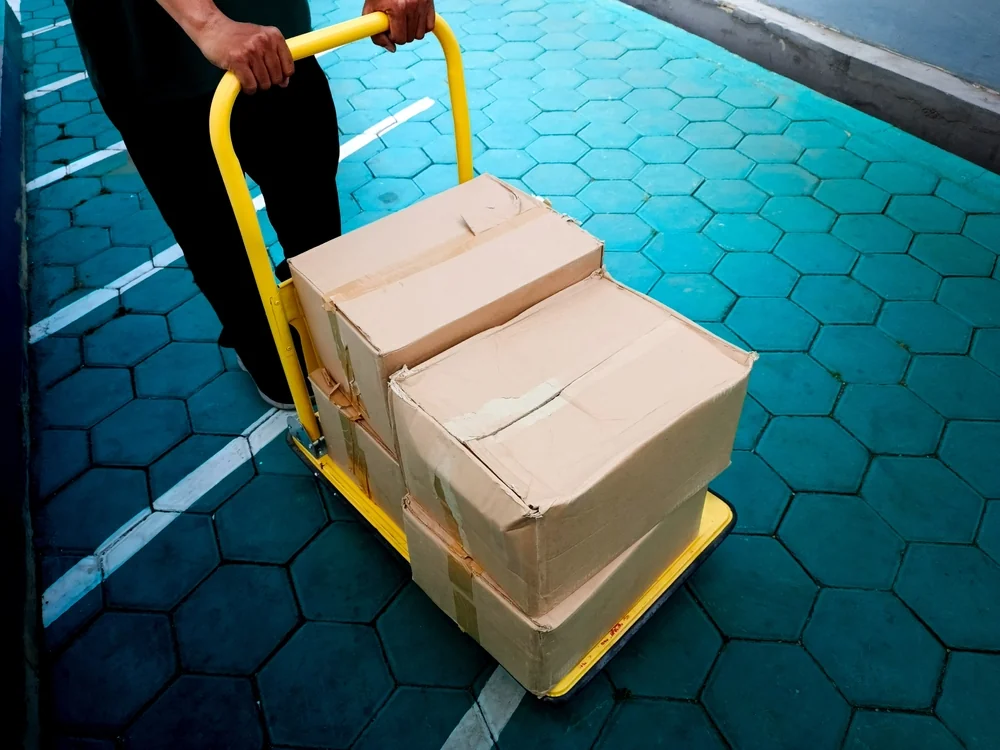
The orders are set, delivery windows are in, and the materials are loaded on the truck. Since most school items are non-perishable, they are transported in standard dry vans. However, some items, like science materials or food, do need to be kept in temperature-controlled vans to prevent spoilage for the journey, and even shipping paper products can come with their own challenges. So where do these supplies go?
It can depend on the school, whether it’s tied to a district, and whether there are warehousing facilities to deliver to. Larger districts that operate multiple institutions will often have warehouses to store supplies that a school may need. This can end up being cheaper in the long run as individual schools don’t have to each negotiate pricing, but instead a whole district bids for supplies, having the weight of an entire district budget to negotiate and bid over. These supplies stay in the warehouse until a school orders items from them, when the warehouse transports the items directly to the school.
For individual private institutions or smaller, more rural districts, the supplier may just ship directly to the school. It’s important for deliveries to include accessorial services such as liftgates and inside delivery since most schools do not have docks or traditional staging areas. Once delivered, schools store these items in their designated places until they are ready for students to use.
It takes a lot of time, money, and effort just to even supply one school for a year. While we hope for these items to last, accidents happen, things get lost, and so much of what students use is consumable. It’s why ensuring education gets appropriate funding and resources is so important: every job that supports education must be done right. Whether that be teachers, custodians, administrators, or even truck drivers!