

Seasonal demand can be great for business. It can also expose every weak spot in your shipping process.
When orders increase, inventory moves faster, pickup schedules tighten, and suppliers may be working through their own busy periods. A freight shipment that was easy to arrange during a slower month can require more planning when transportation demand increases.
The goal is not to predict every shipment perfectly. The goal is to prepare enough information in advance so your business doesn’t have to make every freight decision at the last minute.
Here are practical seasonal shipping tips small businesses can use before, during, and after a busy period.
1. Seasonal Small Business Success Tips: Review Last Season First
Start with what you already know.
Look at the periods when sales, inventory needs, and freight activity increased during the previous year. The U.S. Small Business Administration also recommends reviewing last year’s orders as a baseline when preparing inventory for a busy holiday season. Identify the products that moved most often, the suppliers you relied on, and any shipments that produced unnecessary work.
Pay particular attention to recurring problems. Did your team request quotes without accurate dimensions? Did a delivery location require a liftgate that wasn’t included initially? Did inventory arrive later than your operation needed it?
Past shipping activity can help you observe patterns before the next busy season begins.
You do not need a perfect forecast. You need enough information to recognize predictable transportation needs before they become urgent.
2. Build a Seasonal Freight Calendar

Your sales calendar and freight calendar should work together.
Start with major promotions, holidays, product launches, inventory replenishment periods, trade shows, or other events that affect your business. Then work backward from the date the inventory actually needs to be available.
A freight calendar should account for more than the shipment’s estimated transit time. Your operation may also need time for order preparation, palletizing, pickup scheduling, receiving appointments, warehouse processing, or post-delivery distribution.
When a date matters, make the required delivery date clear before booking transportation.
An estimated transit time is not the same thing as a guaranteed arrival date. If missing a date could disrupt sales or operations, confirm available service options before the shipment moves.
3. Prepare Accurate Shipment Information Before Asking for Quotes

Accurate information makes freight options easier to compare.
Before requesting a seasonal freight quote, know the final packaged dimensions and weight of the shipment, where it is being picked up and delivered, how many handling units are involved, what the commodity is, and whether either location has special requirements.
Measure freight after it is fully packaged.
That distinction matters. The pallet, crate, protective material, or other packaging may change the shipment’s dimensions and weight. Quoting the product itself instead of the freight as it will actually be tendered to the carrier can lead to adjustments or equipment problems later.
For shipments you move repeatedly, keep current dimensions, weights, packaging methods, and facility information together so your team does not have to rebuild the same shipment from memory every season.
4. Choose the Freight Service Based on the Actual Shipment

A shipping method that worked last season may not be the right choice when order volume changes.
LTL freight shipping may make sense when a shipment does not require an entire trailer. Freight from multiple shippers can share trailer space.
A larger seasonal inventory movement may be better suited to full truckload shipping, particularly when the shipment requires dedicated trailer capacity or has loading, handling, or scheduling requirements that make truckload service appropriate.
Some mid-sized shipments may also be candidates for partial truckload, depending on the freight, lane, and available service.
When a deadline is unusually tight, an expedited freight option may be worth reviewing.
The point is not to choose one service for the entire season. Compare the transportation option to the size, timing, equipment, handling, and delivery requirements of each shipment.
5. Check Pickup and Delivery Requirements Early

Transportation is only part of a freight shipment.
The carrier must also be able to load and unload the freight at the locations involved.
Before booking, confirm whether the origin and destination have loading docks or forklifts, whether a liftgate is needed, whether the location is residential or limited access, and whether appointments or inside services are required.
Seasonal operations can create additional complications. Warehouses may extend or change receiving hours, stores may restrict delivery periods, and temporary facilities may have different unloading capabilities than your regular locations
Tell FreightCenter about these conditions while requesting the quote rather than waiting until the carrier arrives.
That helps the available transportation options reflect the shipment you actually need.
6. Prepare Inventory Before Transportation Becomes Urgent
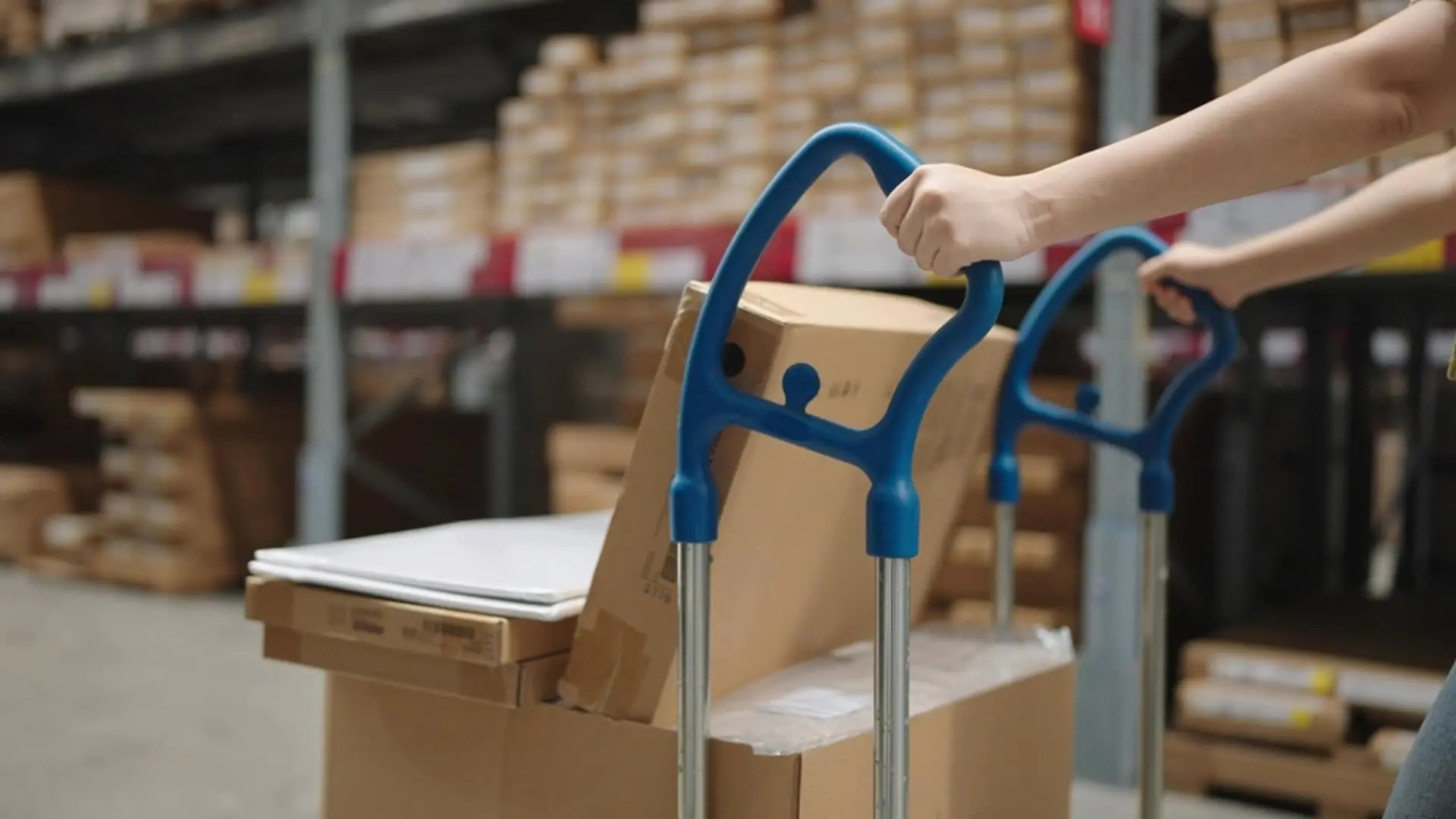
A freight strategy cannot fix inventory that is not ready to ship.
Coordinate with suppliers, warehouse teams, purchasing departments, and sales staff so the people arranging transportation know when inventory will actually be available.
For inbound freight, confirm when suppliers expect products to be ready for pickup.
For outbound freight, make sure the shipment can be packaged, measured, labeled, and staged before the scheduled pickup.
The earlier the shipping department knows about a large replenishment, promotion, or customer order, the more time it has to collect accurate information and review transportation options.
7. Package Seasonal Freight for Freight Handling
Following good freight packaging practices is especially important when seasonal volume puts pressure on preparation times. Higher shipment volume is not a reason to rush packaging.
Use pallets, crates, or another suitable freight-shipping method based on the commodity. Secure the freight to its base, protect vulnerable edges or surfaces, and avoid pallet overhang when practical.
Fragile, unusually shaped, valuable, or difficult-to-handle products may require extra protection or professional crating.
Once packaging is complete, measure and weigh the entire handling unit again.
Good packaging cannot guarantee damage-free transportation, but proper preparation can help reduce avoidable handling problems.
8. Understand What Can Affect Seasonal Freight Costs

Freight rates can change based on shipment characteristics and current transportation conditions.
Key factors include origin and destination, distance, package dimensions, weight, commodity, freight class (when applicable), equipment, service level, pickup and delivery requirements, accessorial services, timing, and available capacity.
Seasonal demand can also affect transportation availability.
Rather than relying on what a similar shipment cost months ago, request a current quote using the shipment’s actual details.
For recurring freight, compare equivalent service requirements. A lower number isn’t necessarily the better option when equipment, timing, accessorials, or delivery expectations differ.
9. Keep Customers and Suppliers Informed

Seasonal freight planning works better when logistics information does not stay inside the shipping department.
Suppliers should understand important pickup dates and inventory requirements. Your internal sales and operations teams should know when transportation timing affects product availability. Customers should receive realistic expectations when a shipping deadline is connected to an order or promotion.
This becomes especially important when an inbound shipment affects an outbound commitment.
A delay in receiving inventory can create a second delay if another shipment is already scheduled around an unrealistic availability date.
Clear communication gives the freight team a better chance to plan transportation around what is actually happening.
10. Turn Repeat Shipments Into a Repeatable Process
If your company ships the same products or serves the same locations every season, avoid starting from zero each time.
Create a simple internal record of frequently shipped products, final packaged dimensions, typical weights, regular origins and destinations, facility requirements, common packaging methods, usual equipment needs, and key seasonal periods.
Review the information before each new season rather than assuming last year’s details are still accurate.
This gives the employee requesting the next quote a cleaner starting point and reduces dependence on memory.
When Should a Small Business Start Planning Seasonal Freight?
Start before transportation becomes urgent.
The specific timeline depends on the product, shipment volume, lane, equipment, and deadline. No universal booking window applies to every freight shipment.
Instead, begin planning as soon as your business can reasonably identify an upcoming change in inventory or shipment volume.
That may happen when you place purchase orders, finalize a seasonal promotion, see customer demand increase, or your supplier confirms when inventory will be ready.
Earlier planning gives you more time to collect accurate information and evaluate available options without turning every shipment into a last-minute decision.
When Should You Bring In a Freight Specialist?
Straightforward shipments may be easy to quote online. Other freight benefits from a closer review.
Consider talking with a freight specialist when the shipment involves unusual dimensions, specialized equipment, tight delivery requirements, multiple destinations, temperature requirements, difficult pickup or delivery conditions, or a significant change in seasonal volume.
A specialist can help review the transportation requirements and available service options before you book.
That can be especially useful when the consequences of choosing the wrong equipment or service go beyond the transportation charge.
How FreightCenter Helps With Seasonal Freight Shipping
FreightCenter is a non-asset-based 3PL and licensed freight broker that helps businesses compare and arrange freight transportation with carrier partners.
Businesses can use FreightCenter to enter shipment information, review available freight options, book transportation, and get help from freight specialists when a shipment needs additional attention.
Depending on the freight, available options may include LTL freight, truckload, partial truckload, expedited freight, and other specialized services.
For businesses that ship repeatedly throughout the year, using a consistent quoting and planning process can also make the next seasonal increase easier to prepare for.