
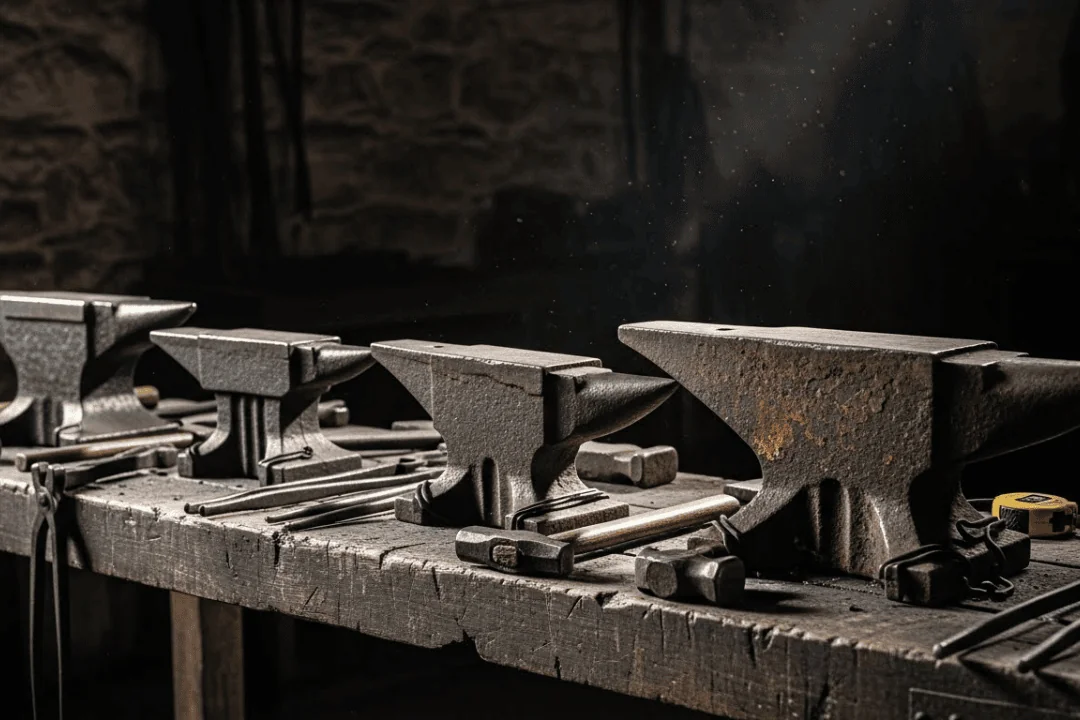
Shipping Anvils
Expert Shipping for Anvils with FreightCenter!
If you're starting a new forge or relocating your current one, FreightCenter is here to support all your shipping needs. Focus on what you do best—creating exceptional pieces—while we take care of getting your tools where they need to be. Let us help you streamline your process and keep your attention on forging!
Related Heavy Metal Freight Services
Machinery & Equipment Shipping Heavy Haul Shipping: Oversized Freight Transport Made Easy Shipping Metal Fabrication Equipment Heavy Freight


Anvils have been around for centuries, shaping everything from medieval weapons to modern tools, and their value remains strong today. While you pour your creativity into forging and building, you shouldn’t have to worry about the logistics—FreightCenter is here to make sure your items arrive safely and efficiently. We know that for many people, moving an anvil is more than transporting a piece of metal—it’s delivering a tool of creation, craftsmanship, and pride. That’s why we take pride in what we do: ensuring your anvils and equipment reach their destination securely, on time, and ready for use.
With specialized freight services, competitive rates, and reliable carriers, FreightCenter makes shipping anvils simple, secure, and stress‑free. Whether you’re starting a new forge, relocating your workshop, or sending tools to a customer, we handle the heavy lifting so you can focus on your craft.





Thousands of businesses trust FreightCenter to move their freight faster, smarter, and cheaper! From unbeatable rates to top-notch service, our customers are raving about their shipping success.
See why they keep coming back!
Award-Winning Service, Trusted by Shippers Everywhere!
- 2021, 2017 & 2016 Food Logistics’ Top Green Providers
- 2021 & 2018 Supply & Demand Chain Executives’ Pros to Know: Matthew Brosious
- 2020 & 2019 Top Food Logistics’ 3PL & Cold Storage Provider Award
- 2020 & 2019 Business Observer’s Top 500 Companies on the Gulf Coast
- 2020 & 2017 SmartWay® Transport Partner
- 2020 & 2017 Food Logistics’ Champions: Rock Stars of the Supply Chain
- 2020 Best of Palm Harbor Awards for Local Businesses
- 2017 Green Supply Chain Award from Supply & Demand Chain Executive
- 2017 Tampa Bay Business Journal Heroes at Work
- 2016, 2015, & 2012 Food Logistics Top 100 Software and Technology Providers
- 2013 Tampa Bay Business 100 by Tampa Bay Business Journal
- 2013 Top 100 Great Supply Chain Partners by SupplyChainBrain
- 2012 TIA Samaritan Award Honorable Mention
- 2012, 2011 & 2010 TBBJ Fast 50 Recipient
- 2013, 2011, & 2010 Diversity Business Top Businesses
Why Choose FreightCenter when Shipping Anvils?
Shipping anvils involves more than just using a truck; it requires careful handling, dependable carriers, and cost-effective logistics. FreightCenter specializes in transporting heavy, dense items like anvils with ease. By utilizing our extensive nationwide carrier network, we provide competitive rates and ensure safe delivery—whether you’re starting a new forge, relocating your workshop, or sending tools to a customer.
With expert support, transparent pricing, and options such as liftgate service or residential delivery, FreightCenter makes anvil shipping simple, secure, and stress-free
How to Ship an Anvil
Shipping an anvil is different from sending a regular package due to its dense and heavy nature, requiring careful preparation and the right shipping method. The safest and most cost-effective option is LTL (Less-Than-Truckload) freight, which allows you to transport a single anvil or a small load without the cost of an entire truck.
To prepare for shipping, place the anvil on a sturdy pallet or inside a wooden crate for maximum stability.
Secure it tightly with straps or chains to prevent any shifting during transit. Protect the anvil’s surface by wrapping it in shrink wrap, moving blankets, or padding to avoid scratches and rust.
Always label it clearly with notices such as “Heavy Freight” or “Do Not Stack” so that carriers handle it correctly. Since anvils are very dense, they typically fall under freight class 60–65, ensuring accurate pricing and proper handling.
Choose an experienced LTL carrier and request liftgate delivery for residential or non-dock locations to further ensure safe transport. This method balances cost and reliability, ensuring your anvil arrives intact, on time, and ready for use.
Does Your Shipment Need More Care?
While LTL is suitable for most single-anvil shipments, there are instances where FTL (Full Truckload) or specialized shipping may be the better choice. If you are shipping multiple anvils, relocating an entire forge, or require faster, dedicated transport, FTL provides direct delivery without transfers, reducing handling risks.
For oversized, antique, or uniquely valuable anvils, specialized shipping is recommended. These services often include custom crating, moisture protection, and white-glove handling, ensuring your tools receive the highest level of care. Carriers with heavy-duty equipment and expertise can manage unusual sizes, extreme weights, or delicate historical pieces, giving you peace of mind regardless of the destination.
Shipping Antique Anvils
Shipping antique anvils requires extra care compared to standard freight because these pieces often carry historical or collectible value. They should be crated or heavily padded to prevent scratches, chips, or rust during transit. Specialized freight services are recommended, as they provide white-glove handling, custom packaging, and insurance coverage to protect against loss or damage. While palletizing remains essential for stability, antiques benefit from added protection, such as moisture barriers and “Fragile” labeling. Whether shipped via LTL, FTL, or specialized carriers, the goal is to preserve both the weight and heritage of the anvil, ensuring it arrives safely and is ready to be appreciated.
Moving an anvil isn’t just about weight—it’s about trust. FreightCenter understands that your anvil is more than a tool; it’s the foundation of your craft. That’s why we partner with reliable carriers who specialize in heavy freight, ensuring every shipment is handled with care from pickup to delivery. Our team provides clear guidance, competitive rates, and flexible options like residential service or liftgate delivery, so you never have to worry about logistics slowing you down.
Shipping anvils safely is best done through LTL freight. By palletizing and strapping your anvil securely, carriers can handle its dense weight with ease. With options like liftgate delivery and nationwide service, FreightCenter ensures reliable, affordable transport so your forge tools arrive intact and ready for use.
Shipping multiple anvils or relocating an entire forge often calls for full truckload (FTL) freight. With dedicated transport, your shipment avoids transfers, reducing handling risks. FTL ensures faster delivery, predictable scheduling, and secure handling—ideal for bulk moves, oversized tools, or time‑sensitive anvil shipments nationwide.
Specialized freight is ideal for oversized, antique, or uniquely valuable anvils that require extra care. With heavy‑duty equipment, custom crating, and white‑glove handling, specialized carriers ensure safe transport to any destination. This option protects high‑value forge tools while guaranteeing secure, professional delivery beyond standard LTL or truckload services
Liftgate service is essential when shipping heavy items like anvils to locations without a loading dock. Carriers use hydraulic liftgates to safely lower your palletized anvil from truck to ground level, ensuring secure delivery. This option adds convenience, safety, and accessibility for residential or small workshop deliveries.

 Guaranteed competitive pricing every time you ship.

How much does it cost to ship an anvil?
Shipping anvils falls under freight class 60–65, with costs typically ranging from $150 to $700*. The total price depends on several factors, including weight, distance, and the choice of carrier. For regional shipments, you can expect costs between $150 and $600*, while cross-country deliveries usually range from $250 to $600*, with some exceptions that may be even higher.
If you need extra services such as liftgate delivery, residential drop-off, or special handling, these could add an additional $50 to $300*. Proper palletizing or crating will also typically incur extra charges that range from $25 to $175*. Shipping heavy and dense items, like anvils, generally results in higher shipping costs.
For reliable and predictable rates, please contact us at FreightCenter!
*These figures are estimates and do not guarantee the rate, as prices can change daily.
FAQs About Shipping Anvils
Q. How do I ship an anvil safely? How do I protect my anvil during shipping?
Although crating is highly recommended, palletizing, strapping, and for protection, use shrink wrap, blankets, or crating to prevent scratches and keep it secure.
Q. Does the size of the anvil matter when shipping?
Yes, the size of the anvil matters when shipping because it determines the freight method, handling, and cost. Smaller anvils may qualify for parcel carriers, while larger ones require LTL or FTL freight. Oversized or irregular shapes often need custom pallets, crating, or specialized equipment.
Q. Do I need liftgate service for an anvil delivery?
When it comes to delivering anvils, liftgate service can be really important, especially for residential or non-dock locations. Since anvils are quite heavy and dense, carriers need specialized equipment to unload them safely. A liftgate makes the process easier by lowering the palletized anvil from the truck to the ground, helping to prevent any damage and keeping everyone safe. It’s a helpful option to ensure everything goes smoothly!
Q. Are antique anvils shipped differently?
Yes, antique anvils are usually shipped differently because they require extra protection and specialized handling compared to standard freight. Since antiques often carry historical or collectible value, they’re best secured in custom wooden crates with padding to prevent scratches, chips, or rust. Carriers may recommend white‑glove service or specialized freight options to minimize transfers and handling risks. Insurance is strongly advised to cover potential loss or damage. In short, while modern anvils can ship on a pallet with straps, antiques benefit from crating, labeling, and specialized carriers to ensure safe arrival.
Q. Can I track my anvil shipment?
Yes, you can track your anvil shipment just like other freight deliveries. Most carriers provide real‑time tracking tools through online portals, email updates, or mobile apps. Once your shipment is booked, you’ll receive a tracking number or bill of lading reference that lets you monitor progress.
Q. Can I ship an anvil without a forklift?
Yes, you can ship an anvil without a forklift, but it requires planning. Smaller anvils under 150 pounds may be manageable with manual lifting or pallet jacks, while heavier ones need carrier assistance. For residential or non‑dock deliveries, adding liftgate service ensures the anvil can be safely lowered from the truck.
If you don’t have a forklift, the carrier’s crew or specialized equipment can handle unloading. Proper palletizing, strapping, and clear “Heavy Freight” labeling are essential to prevent damage. In short, while a forklift makes loading easier, liftgate service or manual tools provide safe alternatives
Q. Can I ship an anvil with other tools?
Yes, you can ship an anvil with other tools, but it requires careful planning to keep everything secure. Place the anvil on a sturdy pallet or inside a crate, then arrange lighter tools in separate boxes or compartments to avoid damage. Strapping and shrink‑wrapping help stabilize the load.
When combining freight, carriers often recommend LTL shipping so your palletized anvil and boxed tools travel together safely. Clear labeling, such as “Mixed Freight – Heavy Item,” ensures handlers know what’s inside. For larger loads, FTL freight may be more efficient, especially if you’re moving multiple anvils plus equipment.
Q. Do I need to weigh my anvil before shipping?
Yes, accurate weight is required for proper freight classing and pricing.
Q. Can I ship an anvil to a residential garage?
Yes, with liftgate service and residential delivery options, you can safely ship an anvil to a home garage. Since anvils are heavy and dense, most carriers classify them as LTL freight. For homes without loading docks or forklifts, liftgate delivery lowers the palletized anvil securely to the ground.
Q. What if my anvil has sharp edges?
If your anvil has sharp edges, extra care is needed during shipping to prevent damage or injury. The safest approach is to pad and cover the edges with protective materials such as foam, cardboard corner guards, or heavy blankets before shrink‑wrapping. This not only shields the anvil itself but also protects handlers and nearby freight from scratches or punctures. Carriers appreciate clear labeling like “Sharp Edges – Handle With Care” so they know to use caution. With proper crating or palletizing plus edge protection, your anvil can be shipped securely without complications.
Q. Do I need to clean my anvil before shipping?
No, although it is recommended to prevent grease or residue from damaging packaging.
Q. Can I ship an anvil to a port for overseas transport?
Yes, carriers can deliver directly to ports for international forwarding.
Q. Do I need to notify the carrier if my anvil is unusually shaped?
Yes, irregular shapes may require custom pallets or crating.
Q. Can I ship an anvil to a farm or rural property?
Yes, though accessorial fees may apply for limited access locations.
Q. Why choose FreightCenter for anvil shipping?
FreightCenter specializes in heavy freight, offers competitive rates, and ensures safe, reliable delivery nationwide.
Stricking Facts about Anvils

Stone Age Beginnings: The First Anvils
Anvils trace their origins back to prehistoric times, when early humans used stone surfaces to shape flint tools. Long before ironworking, these primitive anvils provided a stable base for crafting arrowheads and spear tips, making them one of humanity’s earliest tool platforms.
Bronze Age Breakthrough: Forging With Metal
By the Bronze Age, around 6,000 B.C., metalworkers in regions like Turkey and Iran began hammering copper and later bronze on rudimentary anvils. This marked a turning point in metallurgy, as anvils became essential for producing weapons, tools, and decorative items.

Colonial Imports: England’s Anvils in America
In colonial America, most anvils were imported from England due to restrictions on manufacturing. Even after independence, English anvils dominated workshops until U.S. production expanded in the 19th century. Today, they remain enduring symbols of craftsmanship and industrial progress.