
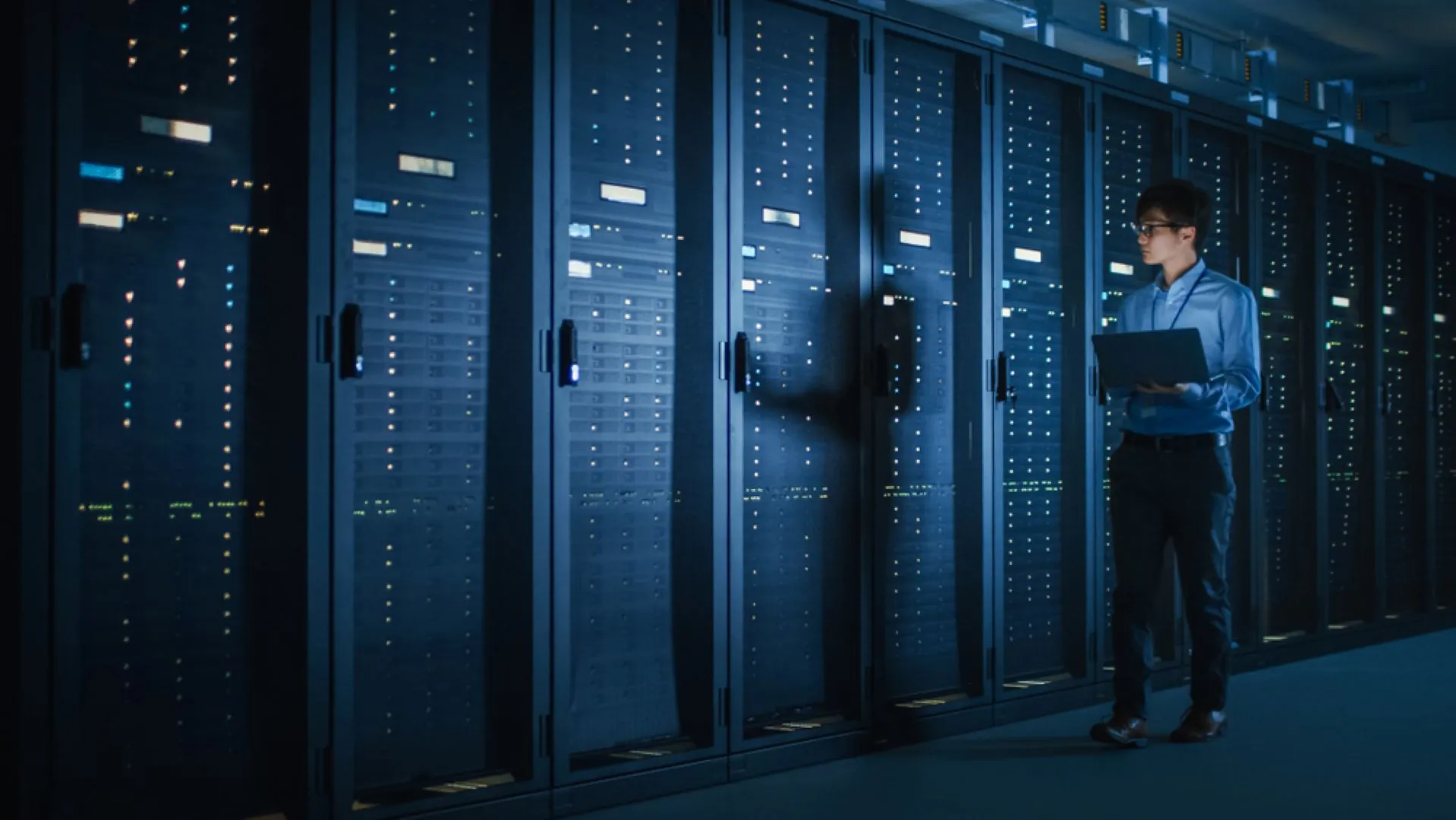
Shipping Data Center Equipment
Compare freight options for sensitive, high-value data center equipment with expert support from quote to delivery.
FreightCenter helps businesses quote, compare, and book shipping for data center equipment while coordinating the service requirements each shipment demands.
Data Center Equipment Shipping Resources
Shipping CRAC Units Shipping Computers White Glove Services Inside Delivery Services Crating Services


Shipping Data Center Equipment Starts With the Equipment, Not the Truck
Shipping data center equipment requires more planning than simply choosing LTL or truckload. Servers, assembled racks, cooling systems, power infrastructure, and replacement hardware can have very different packaging, handling, loading, and delivery requirements.
FreightCenter is a freight shipping platform and third-party logistics provider that helps businesses compare freight options, book shipments, and make informed shipping decisions in one place.
Whether you are shipping one replacement server or coordinating equipment for a larger data center deployment, the goal is the same: match the transportation plan to the equipment before it leaves the facility.
Shipping Handled.





Thousands of businesses trust FreightCenter to move their freight faster, smarter, and cheaper! From unbeatable rates to top-notch service, our customers are raving about their shipping success.
See why they keep coming back!
Award-Winning Service, Trusted by Shippers Everywhere!
- 2021, 2017 & 2016 Food Logistics’ Top Green Providers
- 2021 & 2018 Supply & Demand Chain Executives’ Pros to Know: Matthew Brosious
- 2020 & 2019 Top Food Logistics’ 3PL & Cold Storage Provider Award
- 2020 & 2019 Business Observer’s Top 500 Companies on the Gulf Coast
- 2020 & 2017 SmartWay® Transport Partner
- 2020 & 2017 Food Logistics’ Champions: Rock Stars of the Supply Chain
- 2020 Best of Palm Harbor Awards for Local Businesses
- 2017 Green Supply Chain Award from Supply & Demand Chain Executive
- 2017 Tampa Bay Business Journal Heroes at Work
- 2016, 2015, & 2012 Food Logistics Top 100 Software and Technology Providers
- 2013 Tampa Bay Business 100 by Tampa Bay Business Journal
- 2013 Top 100 Great Supply Chain Partners by SupplyChainBrain
- 2012 TIA Samaritan Award Honorable Mention
- 2012, 2011 & 2010 TBBJ Fast 50 Recipient
- 2013, 2011, & 2010 Diversity Business Top Businesses

Why Businesses Choose FreightCenter for Shipping Data Center Equipment
Data center equipment can be expensive, sensitive, difficult to handle, and tied to installation or replacement deadlines. FreightCenter helps businesses identify the shipping details that matter before comparing and booking available freight options.
Compare Services Around the Actual Equipment
A crated server, fully assembled rack, and large CRAC unit should not automatically be treated as the same type of shipment.
FreightCenter helps you evaluate available options based on:
- Final packaged dimensions and weight
- Equipment configuration
- Packaging or crating
- Loading and unloading capabilities
- Required delivery timing
- Facility-access requirements
Choose From Multiple Freight Options
Depending on the shipment, available solutions may include LTL, truckload, expedited, white glove, or specialized freight.
The right choice depends on how much equipment you are moving and how much handling, space, speed, and delivery coordination it requires.
Plan the Delivery Before Booking
Data centers, technology facilities, construction sites, and installation projects may have scheduled receiving hours, controlled access, dock requirements, or equipment limitations.
Identifying those conditions before booking can help you select the right service from the beginning.
Make Recurring Equipment Moves Easier
Businesses managing technology refreshes, installations, equipment sales, replacements, or recurring data center projects can use FreightCenter to compare quotes and book freight through one platform.
Eligible LTL shipments may also qualify for FreightCenter Shipping Rewards under current program terms.
Freight Solutions for Data Center Equipment
Data centers depend on interconnected systems that vary dramatically in size, weight, sensitivity, and shipping requirements. The right transportation plan should be based on the actual equipment being moved rather than treating every technology shipment the same.
What Types of Data Center Equipment Can Be Shipped?
FreightCenter can help businesses arrange transportation for many types of data center and IT infrastructure, including:
- Servers and server hardware
- Server racks and cabinets
- Network switches and networking equipment
- Storage systems
- Computer room air conditioning and CRAC units
- Cooling equipment and related infrastructure
- Power distribution equipment
- Uninterruptible power supply equipment
- Electrical and control cabinets
- Packaged replacement components
- Data center construction and installation equipment
Shipment requirements can vary considerably between a boxed replacement component and a fully assembled server cabinet or large cooling unit.
Choose the Shipping Service Around the Equipment
There is no single transportation method that works for every data center shipment
LTL freight may work well for properly packaged individual equipment units, crates, or pallets that do not require an entire trailer.
Truckload shipping can be useful when moving multiple racks, large equipment, a major installation, or shipments where reducing transfers and handling is a priority.
Expedited freight may be appropriate when a failed component, replacement system, or project deadline makes transit time especially important.
Specialized freight can help accommodate equipment with unusual dimensions, weight, loading requirements, or handling considerations.
White glove or inside-delivery options may be worth discussing when delivery requires more than standard dock or curbside service. Available services should be confirmed before booking.
How to Properly Package the Equipment
Data center equipment has certain specifications for how it needs to be packaged. If the equipment isn’t packaged properly, that could mean thousands of dollars’ worth of damage. A few essentials to remember include:
Custom Crating
Data center equipment is susceptible to damage through vibrations in the trailer. To combat it, it’s best to crate the equipment thoroughly so that it’s safe. Custom-fit cushioning is another good option to consider when custom crating. The cushioning cradles the equipment and absorbs any impacts or vibrations that may occur. It’s also best to add shock-absorbent designs to custom crates.
Using shock-mount bases keeps the equipment from being affected by vibrations and vertical shock. Finally, make sure the crate has a life-safe design that doesn’t jeopardize stability during loading and unloading using forklifts or cranes.
Anti-Static Materials
While transporting data center equipment, static charges begin to accumulate from the friction between the equipment and the packaging materials. These static charges have the ability to damage certain sensitive components once there’s enough accumulated charge.
Placing anti-static materials, such as shielding bags, over the equipment keeps it safe from external static electricity. The materials are placed or wrapped directly onto the equipment, making it the first line of defense against damage.<
Climate Controlled Trailers
Just as important as crating the equipment is finding the right trailer for it to be shipped in. Considering data center equipment costs thousands of dollars, it’s imperative to keep it as safe as possible, even from the natural elements. The equipment cannot be exposed to humidity or extreme temperatures due to its sensitivity.
If it’s in those conditions for too long, the equipment may become damaged. In heat, the equipment can become warped, while in the cold it can crack plastic parts or ruin backup batteries. When looking at how to ship the equipment, make sure you’re specifically looking at climate-controlled trailers.
Before You Ship
Packaging the equipment properly is one thing, but setting up shipment is another. It’s important to remember what you need to complete when preparing to ship your equipment. If you don’t have the necessary documents or plans, it could set back your shipment by weeks, delaying your plans.
Permits
When transporting equipment across state lines, it’s important to know which permits are required. Certain states require different permits than others. If the equipment is oversized, it requires a permit. It’s important to know exactly what you need before your shipment hits the road so that there are no delays.
Freight Options
Unlike standard freight, data center equipment is generally oversized or larger. Less-Than-Truckload shipping is an option if shipping smaller equipment or various parts, but it’s never the first option. It’s best to choose between White Glove, Truckload, or Specialized freight to move your equipment. Research which option will work best for your freight before shipping so that there are no problems or delays.
Insurance
Insure your equipment. Data center equipment costs thousands of dollars to produce, and if there’s one mistake on the road, it’s at your loss. Carriers offer minimal insurance, but it’s wise to look for insurance that covers the full cost of the equipment. Before you ship your equipment, do your research and decide which insurance is best for you.
Secured Areas
Due to the high value of the equipment, designating secured loading and unloading zones is crucial. Without it, there’s the risk of theft occurring. The same is true when the freight is in transport; when looking at routes, make sure the equipment travels in secure areas. If needed, setting up escorts helps keep extra eyes on the equipment while it’s in transit.
After Delivery
When the equipment arrives, take a quick look before you sign the delivery receipt. A few tips for examining your package include:
Inspecting the Package
- Look for dents, punctures, water marks, broken shrink wrap, and shifted freight.
Counting Every Item
- If a package is missing, make a note of it on the delivery receipt.
Taking Photos
- Before unpacking, it’s best to take photos of the packaging, labels, and any damaged areas. Photos can help with claims if needed.
Testing the Equipment
- Testing the equipment once it’s unpacked makes it easier to identify any damage.
- If there are issues, report them quickly.
When damage is visible, be sure to make a specific note of it on the delivery receipt. Simply stating that it’s damaged may not be enough; it’s best to be as specific as possible about what kind of damage it is and where on the package it occurred.
Data center equipment isn’t like usual freight. There are many specifications that come along with moving it. Before finalizing your shipment, it’s important to know what needs to be done.
The equipment is highly sensitive to temperature. Make sure to find a trailer that has climate control capabilities. If the temperature is even a little too hot or cold, the equipment may become damaged.
Data center equipment is custom configured. If damage occurs to the equipment, it may take time and money to remake a replacement part. Make sure your equipment is packaged appropriately to avoid damage and delays while in transport.
Keep an eye on your timeline. Due to the nature of the equipment, it may take time to find the right trailer, secure the permits, and travel to its destination. It’s best to set up shipment 30-45 days in advance to make sure everything the paperwork is settled and the right trailer is available.
When it comes to shipping data center equipment, there’s one major challenge; it requires its own specialized team. The equipment needs to be moved carefully by people who know exactly how to handle it.

 Guaranteed competitive pricing every time you ship.

Ready to Compare Data Center Equipment Shipping Rates?
Enter the fully packaged shipment details and compare available freight options for your equipment, route, and service requirements.
Frequently Asked Questions About Shipping Data Center Equipment
Q. How much does it cost to ship data center equipment?
Shipping cost depends on the equipment’s final packaged dimensions, weight, route, freight service, required delivery speed, and pickup or delivery requirements.
A pallet of packaged servers may be price very differently from an assembled rack or large CRAC unit. Measure and weigh the shipment after packaging before requesting rates.
Q. What information do I need to get a data center equipment shipping quote?
You should have the equipment description, final packaged dimensions, total weight, pickup and delivery ZIP codes, loading capabilities, and required delivery date ready before requesting a quote.
Also identify whether either location requires a liftgate, appointment, limited-access service, inside delivery, or other special handling.
More complete information makes it easier to compare services that actually fit the shipment.
Q. Is climate-controlled shipping available?
Yes! When speaking with your agent, make your preference known. Many carriers offer climate-controlled trailers to keep your equipment safe!
Q. Can fully assembled server racks be shipped?
Some server racks are able to be transported while assembled, but it depends on the size, weight, packaging, and carrier requirements.
Q. Can FreightCenter ship refurbished or used equipment?
Yes. Make sure the equipment is properly packaged, and any hard drives are taken out of the equipment before shipping.
Q. Can equipment be shipped in multiple phases?
Yes! Depending on your project timeframe, we can coordinate several shipments for your equipment at different times.
Q. Does FreightCenter offer white-glove services?
Yes. We offer a range of extra services, including white-glove, so you can choose what’s best for your equipment. Tell your freight agent you’d like white-glove services during booking.
Q. Will my shipment be insured?
There’s basic liability coverage offered by the carrier, but it often doesn’t cover the full value of expensive data center equipment. Here at FreightCenter, we offer third-party freight insurance at competitive rates, giving you peace of mind and protection of your equipment.
Q. What if the equipment arrives damaged?
Inspect the shipment before signing. If the equipment arrives damaged, make sure to document the issue as soon as possible by noting it on the delivery receipt and taking photos. Our claims team will be able to assist you in filing a claim with the carrier, ensuring easy navigation of the process.
Q. Can FreightCenter coordinate shipments to multiple data centers?
Yes. If you are shipping to multiple data centers in the same area, we can help you coordinate them.
Q. How far in advance should I schedule shipment?
Data center equipment may require services that often aren’t readily available. It’s best to book a few weeks to a month in advance to make sure permits and services are prepared. If there’s an urgent booking or special request, speak directly with one of our freight agents.
Q. What paperwork is needed when shipping data center equipment?
For all shipments, the bill of lading (BOL) is needed as it’s the receipt for the shipment and the contract for transportation. Depending on where the shipment is headed, additional permits may be needed before shipment. If it’s an oversized load, extra paperwork will be needed.
Q. Why should I choose FreightCenter for data center equipment shipping?
FreightCenter has over 25+ years of experience, a network of more than 20,000 carriers, and expert logistics support experience. We make it our mission to provide you with cost-effective and trustworthy rates.
Q. Who can I contact if I have questions about my shipment?
Our customer service team is available to answer any questions you may have about shipping, delivery scheduling, and tracking. Our team is happy to assist you before, during, and after your equipment arrives.
3 Things You Probably Didn’t Know About Shipping Data Center Equipment

The Equipment Dimensions May Not Be the Shipping Dimensions
A pallet, reinforced skid, protective framework, or custom crate can change the size of a data center equipment shipment enough to affect its rate and transportation options.

A Data Center Project May Need Several Different Freight Services
Servers, assembled racks, cooling units, replacement hardware, and other equipment from the same project may require different transportation strategies based on size, handling, and deadline.

The Last 100 Feet Can Change the Entire Shipping Plan
Dock access, security procedures, unloading equipment, appointments, and the final delivery point can matter just as much as the highway transportation when shipping data center equipment.