

Dredging Equipment Shipping
From Trailer Selection to permit planning, FreightCenter's got your back in ensuring your dredging equipment shipping is handled safely and securely to ensure the best quality of delivery for you and your business.



Dredging equipment is heavy, awkwardly shaped, and often deployed in hard-to-reach locations, such as ports, riverbanks, or reclamation sites. When you’re moving a cutterhead dredge, a pump, pipe sections, or an entire excavator rig, you’re not just dealing with freight; you’re dealing with a high-value asset and a tight project schedule.
That’s why at FreightCenter, dredging equipment shipping isn’t just about finding a flatbed or hiring a driver. It’s about planning the logistics, understanding the load, and getting help from experts who know the equipment as well as they know the freight industry.





Thousands of businesses trust FreightCenter to move their freight faster, smarter, and cheaper! From unbeatable rates to top-notch service, our customers are raving about their shipping success.
See why they keep coming back!
Award-Winning Service, Trusted by Shippers Everywhere!
- 2021, 2017 & 2016 Food Logistics’ Top Green Providers
- 2021 & 2018 Supply & Demand Chain Executives’ Pros to Know: Matthew Brosious
- 2020 & 2019 Top Food Logistics’ 3PL & Cold Storage Provider Award
- 2020 & 2019 Business Observer’s Top 500 Companies on the Gulf Coast
- 2020 & 2017 SmartWay® Transport Partner
- 2020 & 2017 Food Logistics’ Champions: Rock Stars of the Supply Chain
- 2020 Best of Palm Harbor Awards for Local Businesses
- 2017 Green Supply Chain Award from Supply & Demand Chain Executive
- 2017 Tampa Bay Business Journal Heroes at Work
- 2016, 2015, & 2012 Food Logistics Top 100 Software and Technology Providers
- 2013 Tampa Bay Business 100 by Tampa Bay Business Journal
- 2013 Top 100 Great Supply Chain Partners by SupplyChainBrain
- 2012 TIA Samaritan Award Honorable Mention
- 2012, 2011 & 2010 TBBJ Fast 50 Recipient
- 2013, 2011, & 2010 Diversity Business Top Businesses

How FreightCenter Assists With Your Dredging Equipment Shipping
We make dredging equipment shipping easier by offering:
-
Access to 50+ flatbed, step deck, and heavy haul carriers
-
Real-time TMS tracking and delivery notifications
-
Expert freight agents who understand special shipping needs
-
Instant quotes from a freight platform built for complex jobs
-
Help with permits, escorts, insurance, and special routing
Types of Dredging Equipment Shipped
There are many different moving parts to dredging equipment shipping. Here we show some of the ways dredging machines and their parts are sent:
-
Cutter Suction Dredges (CSDs): Often shipped in sections due to size. The hull, ladder, cutterhead, and pipes may be shipped on multiple trailers.
-
Booster Pumps: Skid-mounted and heavy, often requiring crating and lifting equipment at both ends.
-
HDPE or Steel Pipeline Sections: Long and awkward to load. May require pipe stakes and strapping.
-
Amphibious Excavators: Oversized and often require RGN (Removable Gooseneck) trailers or multi-axle heavy haul equipment.
-
Floating Platforms and Barges: These may be broken down and shipped over land, or moved via barge if local transport allows.
Each piece needs a different approach, which is why a one-size-fits-all shipping quote rarely works here.
How to Prepare Dredging Equipment for Freight Shipping
When it comes to dredging machines, preparation isn’t optional; it’s essential. These machines are large, expensive, and complex, and they often contain fluids, electronics, and detachable parts that need extra attention. Prepping your shipment properly doesn’t just prevent damage; it helps avoid delays, rebooking fees, and safety issues on the road.
Here’s what you need to know before the carrier arrives:
1. Disassemble What You Can
Many dredging systems are shipped in multiple pieces. Performing tasks such as detaching the cutterhead from the ladder and hull, removing power units, hoses, or support structures from trailers or skids, and disassembling pipeline floats, anchors, and frames into sections for stacking are highly beneficial to your shipping. Breaking down your equipment into manageable components helps simplify securement, minimize oversize charges, and reduce freight class.
2. Drain Fluids (If Applicable)
Depending on the equipment and shipping mode, it may be necessary to drain diesel, hydraulic fluid, coolant, and bilge water from your dredging equipment, especially when making long-distance shipments or interstate moves. If fluids are left onboard, label any tanks clearly and inform your freight broker in advance. Hazmat declarations may be required for certain types of cargo. Also, ensure that all fuel caps are securely fastened and inspect for any potential leaks in hoses and tanks.
3. Clean the Equipment
Ensuring that your equipment is cleared of any debris is essential for shipment. Pressure washing or rinsing down your equipment not only helps inspectors to inspect your items, but it lowers the chances of debris falling off during transportation, which can potentially cause safety hazards and fines. If you are operating out of a marine terminal or dock, be mindful of runoff regulations when cleaning near water.
4. Protect Sensitive Components
Some parts may be more vulnerable to damage during transit. That is why it’s important to use the right packaging for your shipment. Fragile parts, such as control panels, gauges, and valves, should be padded or boxed. Power units, gearboxes, and electrical equipment should be protected with shrink wrap, foam padding, or wooden crates. Secure any and all loose items or accessories (bolts, couplers, wiring, etc.) in labeled containers or fastened boxes. Avoid tarping sensitive components unless they’re wrapped underneath. Direct tarp contact can scuff paint or damage fragile equipment when flapping in the wind.
5. Document Everything
Take photos of each major component, especially in vulnerable areas such as welds, corners, and painted surfaces. Write down or photograph serial numbers, model numbers, and dimensions. This documentation is essential in the event of a damage claim to ensure everything in your shipment is accounted for.
6. Secure for Transit
If you’re loading the equipment yourself, ensure that you use heavy-duty chains, straps, or binders rated for the weight of each component. Avoid placing tension on hydraulic lines, wiring harnesses, or exposed framework to prevent damage. For long pipe sections, use pipe stakes, padding, and rubber spacers to avoid shifting or friction damage.
To create value for our customers by delivering customized shipping solutions that meet their unique needs and to fulfill shipping demands from simple to complex with expertise, guidance and ingenuity.
Due to the size of most dredging equipment, flatbed freight shipping will be the most common way to ship your equipment. Instead of going inside a freight container, the dredging machine will be driven or winched onto a flatbed and secured using chains and straps.
For dredging machines too tall for a flatbed, drop decks step in to help! Due to the lower deck height, it allows for taller equipment to be shipped within vertical height restrictions, allowing it to have clearance under bridges. It also has a lower center of gravity which improves stability and load security.
For oversized or extra heavy dredging equipment like excavators or tracked dredgers, Removable Gooseneck Trailers (RGN's) are the perfect solution! This allows for you to drive the dredging machine directly onto the trailer from the ground, no crane needed.
For equipment that exceeds the legal limits for height, width, or weight, heavy haul trailers are the best solution for you! FreightCenter will help you on with any permitting, routing, and potentially escort vehicles needed for your shipment.
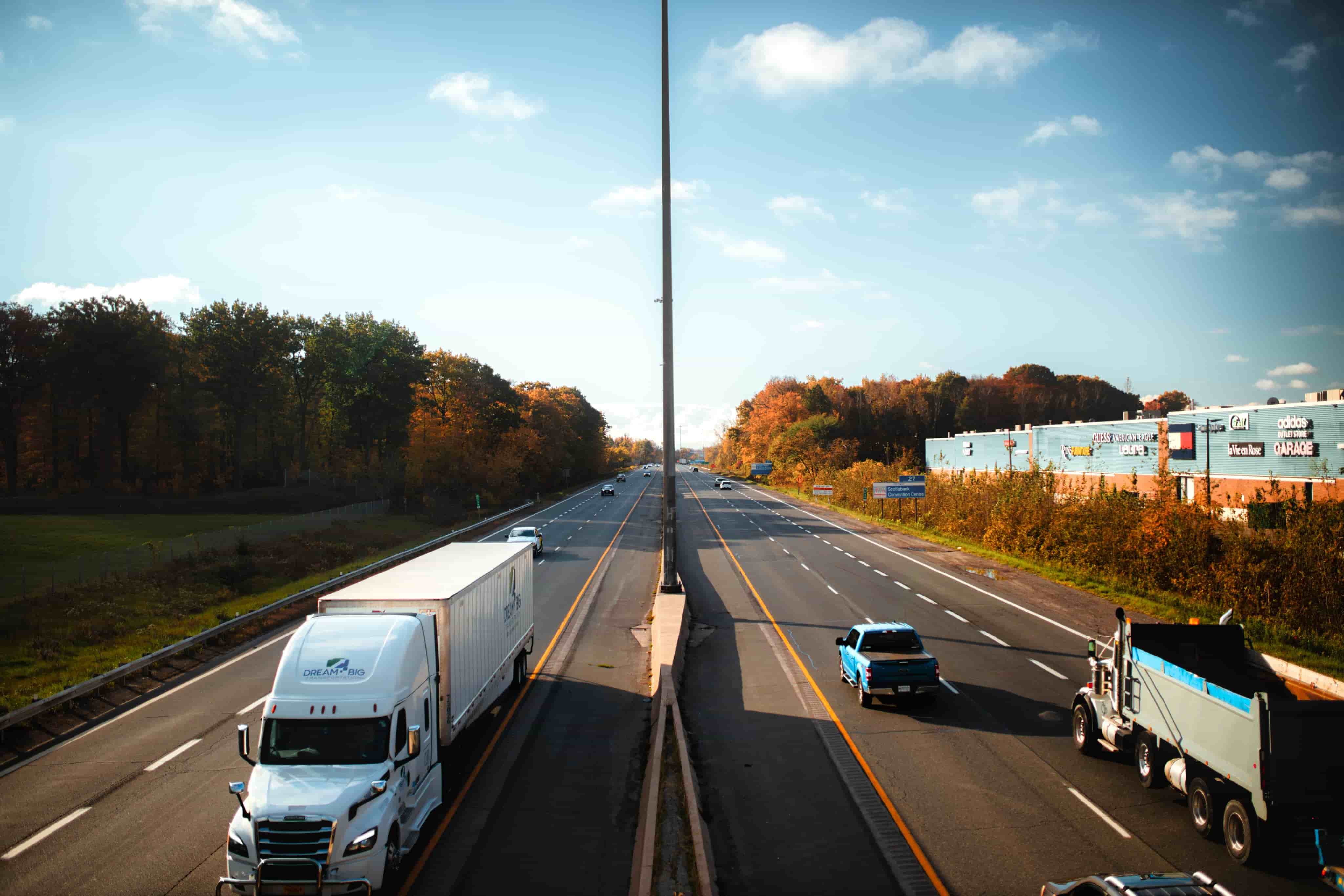
 Guaranteed competitive pricing every time you ship.

FreightCenter is Here For Your Dredging Equipment Needs!
Shipping dredging equipment requires experience. You’re coordinating big machines, long timelines, and high-stakes job sites. That’s why you need a team like FreightCenter that can keep up with the demand. With over 25 years of experience, we work to ensure your equipment is shipped safely, securely, and efficiently, so that you can focus on what’s vital for your business. Whether it’s a drop deck for tall equipment or a heavy haul trailer for oversized shipments, we’ve got your back the entire time!
Let’s make sure your equipment gets the treatment it deserves. Get your dredging equipment shipping quote today or call us at (800) 716-7608.
FAQ: Dredging Equipment Shipping

Q. Can you ship dredging equipment internationally?
Yes. FreightCenter can coordinate international shipping for dredging equipment via Ocean Freight. We help with containerization (if applicable), roll-on/roll-off services, customs documentation, and inland transport on both ends.
Q. How do I get accurate dimensions for oversized dredging equipment?
Use OEM spec sheets or consult your operations team. We can help translate these into freight class and trailer type.
Q. Do I need to be present at pickup or delivery?
Yes, or someone who can verify the condition and assist with loading/unloading the equipment. This is especially important for job sites.
Q. What is the average cost to ship dredging equipment?
Costs vary based on size, weight, distance, trailer type, and permitting needs. A booster pump might ship for under $2,000, while a large amphibious excavator could cost $6,000 to $10,000. Contact us for an accurate quote.
Q. Do I need a permit to ship dredging equipment?
If your equipment exceeds standard legal dimensions (typically over 8’6” wide, 13’6” tall, or 80,000 lbs gross weight), you’ll need oversize load permits. We can handle all permit coordination for you.
Q. Does the equipment need to be cleaned before shipping?
Yes. Dredging equipment should be washed or rinsed to remove silt, mud, or debris. This helps prevent road hazards, satisfies DOT cleanliness rules, and simplifies inspection upon delivery.
Q. Do I need to drain fluids from pumps or engines before shipping?
In most cases, yes. Drain diesel, hydraulic fluids, or water from pumps, tanks, or engines—especially for long-distance or interstate moves. Some carriers may refuse to accept systems with leaks or full tanks.
Q. What paperwork is required for shipping dredging equipment?
You’ll need a Bill of Lading (BOL), which we generate for you, along with equipment specs (make, model, dimensions). For oversized or international shipments, additional documentation like permits or customs forms may apply.
Q. Can I ship pipeline sections with my dredge system?
Yes. HDPE or steel pipeline segments are commonly shipped along with dredges. Please provide the length, quantity, and diameter so we can arrange the correct trailer type and securement.
Q. How should I package or secure the equipment?
Use pallets, crates, shrink wrap, and tie-down points where applicable. Heavy components should be secured with chains or heavy-duty straps. Sensitive components, such as gauges or electrical units, should be padded or boxed.
Q. What if the equipment is too wide or tall for a regular trailer?
We’ll arrange a step deck, RGN, or multi-axle heavy haul trailer as needed. These options accommodate taller or heavier loads without violating bridge and road height limits.
Q. Can I track my shipment during transit?
Yes. FreightCenter’s Transportation Management System (TMS) offers real-time tracking and delivery notifications. You’ll always know where your equipment is.
Q. Can you arrange crane or lift equipment for loading?
Yes. We can help coordinate cranes, forklifts, or rigging equipment if your location doesn’t have the means to load/unload the equipment safely. Be sure to request this with us in advance.
Q. How far in advance should I schedule shipping?
Ideally, 3–5 business days before your desired pickup date. Oversized loads may require longer lead times for permits, routing, and equipment coordination.
Q. Can I get help choosing the right trailer?
Absolutely! Call us at (800) 716-7608 or use our quote tool—we’ll guide you through it every step of the way.
3 Tips For Better Dredging Equipment Shipping
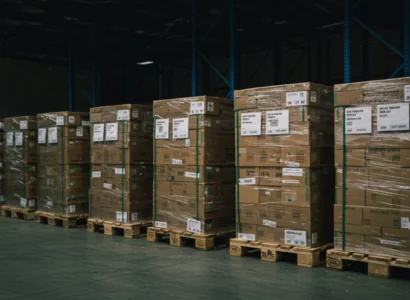
Make Sure Everything is Labeled Correctly
Labeling parts, especially hoses, clamps, or modular components, makes reassembly easier and ensures that nothing goes missing in transit. Using weatherproof tags or labels is good practice for any exposed shipping.

Don’t Ship Without Insurance—Ever
Carriers typically cover only $0.10–$0.50 per pound. That won’t even come close to replacing your dredging equipment. With our 3rd-party insurance options, you'll get the full value of your cargo and ensure peace of mind for your shipment.

Let Us Know if the Equipment Is Coming From or Going To a Job Site
Many dredging shipments go straight to construction zones, levees, barge landings, or remote locations, not traditional warehouses. Tell your FreightCenter agent what kind of access the driver should expect. We’ll factor in whether you need a lift assist, limited maneuverability routing, or crane coordination for loading and unloading.