
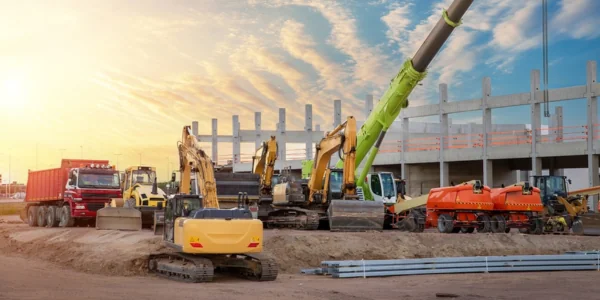
Shipping Construction Materials
Ship Construction Materials With the Right Freight Solution
From palletized building supplies and lumber to steel, pipe, stone, and oversized materials, FreightCenter helps businesses compare freight options based on shipment size, equipment needs, and delivery requirements. Get your construction materials Shipping Handled.



Construction Material Shipping Services
Shipping construction materials requires the right freight service for the material’s size, weight, packaging, and delivery location. FreightCenter helps contractors, manufacturers, suppliers, distributors, and building-material companies compare freight options for everything from palletized tile and roofing supplies to lumber, pipes, steel, masonry products, and oversized building components.
Compare available freight rates, choose the right transportation option, and get expert help when your shipment requires flatbed equipment, specialized handling, or delivery to a construction site.





Thousands of businesses trust FreightCenter to move their freight faster, smarter, and cheaper! From unbeatable rates to top-notch service, our customers are raving about their shipping success.
See why they keep coming back!
Award-Winning Service, Trusted by Shippers Everywhere!
- 2021, 2017 & 2016 Food Logistics’ Top Green Providers
- 2021 & 2018 Supply & Demand Chain Executives’ Pros to Know: Matthew Brosious
- 2020 & 2019 Top Food Logistics’ 3PL & Cold Storage Provider Award
- 2020 & 2019 Business Observer’s Top 500 Companies on the Gulf Coast
- 2020 & 2017 SmartWay® Transport Partner
- 2020 & 2017 Food Logistics’ Champions: Rock Stars of the Supply Chain
- 2020 Best of Palm Harbor Awards for Local Businesses
- 2017 Green Supply Chain Award from Supply & Demand Chain Executive
- 2017 Tampa Bay Business Journal Heroes at Work
- 2016, 2015, & 2012 Food Logistics Top 100 Software and Technology Providers
- 2013 Tampa Bay Business 100 by Tampa Bay Business Journal
- 2013 Top 100 Great Supply Chain Partners by SupplyChainBrain
- 2012 TIA Samaritan Award Honorable Mention
- 2012, 2011 & 2010 TBBJ Fast 50 Recipient
- 2013, 2011, & 2010 Diversity Business Top Businesses

Why Businesses Choose FreightCenter for Construction Material Shipping
Construction materials can be heavy, oversized, fragile, difficult to load, or challenging to deliver directly to a job site. FreightCenter helps match each shipment with transportation options based on the material, dimensions, weight, loading method, and destination requirements.
Compare the Right Freight Options
Compare available LTL, truckload, flatbed, expedited, and specialized freight solutions based on what you are actually shipping.
Get Help With Difficult Shipments
Not sure whether you need a dry van, flatbed, step deck, or another equipment type? A FreightCenter freight expert can help evaluate your shipment requirements before booking.
Plan for Job-Site Delivery
Construction sites may have limited access, uneven surfaces, restricted delivery hours, or special unloading requirements. Identifying those conditions before booking helps avoid surprises at delivery.
Make Repeat Shipping Easier
Suppliers, distributors, contractors, and manufacturers with recurring shipments can use FreightCenter to quote, compare, book, and manage freight from one place. Eligible registered customers can also earn FreightCenter Shipping Rewards on qualifying LTL shipments.
Construction Materials and How They’re Commonly Shipped
Different construction materials create different transportation challenges. Start with what you are shipping to understand which freight options and preparation needs may apply.
Lumber, Pipe, Steel, and Long Materials
Long materials may not fit easily through the doors of an enclosed trailer and can require side or overhead loading.
Consider: Flatbed or other open-deck equipment
Prepare for: Accurate length, total weight, secure bundling, and loading equipment
Watch for: Overlength dimensions and job-site unloading requirements
Tile, Stone, Brick, and Masonry
These materials can be extremely heavy for the amount of trailer space they occupy and may also be vulnerable to breakage.
Consider: LTL or truckload depending on shipment size and weight
Prepare for: Strong pallets, stable stacking, edge protection, and accurate total weight
Watch for: Pallet weight, shifting, and unloading capability
Roofing, Flooring, and Packaged Building Supplies
Palletized and packaged construction products may be well suited to standard freight when properly secured.
Consider: LTL for smaller qualifying shipments or truckload for larger orders
Prepare for: Stable palletization, stretch wrapping, and final packaged dimensions
Watch for: Overhang, unstable cartons, and delivery locations without a dock
Windows, Doors, Cabinets, and Finished Products
Finished construction materials may require more protection because cosmetic or structural damage can make the product unusable.
Consider: Freight service based on shipment size and handling needs
Prepare for: Crating, bracing, cushioning, and edge protection where appropriate
Watch for: Fragile surfaces, shifting, and repeated handling
Oversized and Prefabricated Building Components
Large panels, structural assemblies, and prefabricated components may exceed standard trailer dimensions or require special loading methods.
Consider: Flatbed, step deck, or specialized freight
Prepare for: Exact dimensions, weight, lifting points, and loading method
Watch for: Equipment compatibility, site access, and unloading planning
Choosing the Right Freight Service for Construction Materials
There is no single best way to ship every construction material.
The right choice depends on how much you are shipping, how the materials are packaged, whether they fit inside an enclosed trailer, how they will be loaded, and what the destination can accommodate.
LTL Shipping for Smaller Palletized Orders
Less-than-truckload shipping may be appropriate when qualifying construction materials are palletized or otherwise properly prepared and do not require an entire trailer.
Common examples may include:
- Palletized tile
- Flooring
- Packaged plumbing supplies
- Roofing products
- Hardware
- Insulation
- Smaller building-supply orders
Because LTL combines shipments from multiple customers, packaging and accurate shipment information are especially important.
Explore: LTL Freight Shipping
Full Truckload for Larger Construction Shipments
Truckload shipping may make more sense when the shipment requires substantial trailer space, dedicated capacity, or consists of a larger quantity of materials.
Common uses include:
- Large supplier orders
- Multiple pallets of building materials
- Warehouse replenishment
- Distribution center transfers
- Large contractor orders
- Project-specific material deliveries
Full truckload service also allows businesses to evaluate equipment based on the needs of one shipment rather than sharing trailer capacity with multiple LTL shipments.
Explore: Full Truckload Shipping
Flatbed Shipping for Long or Difficult-to-Load Materials
Flatbed transportation is particularly useful when materials cannot be conveniently loaded through the rear doors of an enclosed trailer.
Common examples include:
- Lumber bundles
- Steel beams
- Long pipe
- Structural steel
- Large panels
- Fabricated components
- Certain oversized building materials
The open design can allow loading from the side, rear, or above depending on the facility and equipment available.
FreightCenter specifically identifies construction materials and https://www.freightcenter.com/services/flatbed/?utm_source=chatgpt.comlumber among common applications for flatbed transportation.
Explore: Flatbed Freight Shipping
Specialized Freight for Oversized or Unusual Materials
Some construction shipments simply do not fit neatly into standard transportation options.
Specialized freight may be appropriate when dimensions, weight, loading requirements, or equipment needs require a more customized solution.
Depending on the shipment, equipment could include:
- Step deck
- Flatbed
- Removable gooseneck
- Other specialized configurations
The shipment should be reviewed before booking so equipment requirements can be identified accurately.
Explore: Specialized Freight Shipping
Expedited Freight for Urgent Construction Materials
A missing component can hold up far more than one delivery.
Expedited freight may be worth considering when:
A project is waiting on critical materials.
Replacement products are needed quickly to keep work moving.
A shipment missed its original transportation window.
A faster option may help recover time.
A contractor needs an urgent replenishment.
Materials may need to reach the project before the next phase can begin.
A supplier has a time-sensitive customer order.
Expedited service can provide another option when standard transit does not fit the required schedule.
FreightCenter offers expedited options for urgent commercial freight, including pallets, equipment, replacement parts, and inventory.
How to Prepare Construction Materials for Freight Shipping
Good construction material shipping starts before the truck arrives.
- Package for the Material, Not Just the Trip
The packaging method should reflect the weight, shape, fragility, and handling needs of the product.
Some materials may be appropriate for pallets, while others may require bundling, bracing, crating, or another method.
- Stabilize Palletized Materials
When palletizing construction supplies:
- Keep the shipment within the pallet footprint when practical
- Distribute weight appropriately
- Secure individual cartons or materials
- Protect exposed edges and corners
- Use appropriate stretch wrap, banding, or other securement
The goal is to create a stable shipping unit that can withstand normal freight handling.
- Protect Fragile Surfaces
Tile, stone, windows, doors, fixtures, finished panels, cabinets, and similar products can be vulnerable to impact or surface damage.
Depending on the product, consider:
Corner protection for exposed edges
Cushioning between vulnerable surfaces
Bracing to reduce movement
Crating when additional structural protection is appropriate
- Secure Long Materials
Pipe, lumber, steel, and other long building materials should be properly bundled or secured so individual pieces cannot move independently.
Loading and securement requirements may vary significantly depending on the material and equipment.
Proper securement is especially important for lumber, steel, pipe, and other long or heavy construction materials. Review the FMCSA freight securement requirements for additional federal guidance on securing materials for highway transportation.
- Measure Everything After Packaging
Do not quote the unfinished product dimensions.
Measure the shipment after it is completely prepared for transportation.
Record:
Length
Width
Height
Total packaged weight
Number of pallets, bundles, crates, or pieces
A few inches of packaging can matter when equipment and trailer space are being evaluated.
- Confirm Loading and Unloading Before Booking
Ask two questions:
How will this get onto the truck?
and
How will it come off the truck?
A forklift, loading dock, crane, telehandler, liftgate, or other equipment may affect how the shipment should be booked.
Shipping Construction Materials Directly to a Job Site
A construction site is not automatically the same as a commercial warehouse.
Before scheduling construction material delivery, make sure the transportation plan accounts for what the driver and equipment will encounter on arrival.
Site Access
Can the planned truck and trailer safely enter the property?
Consider:
- Narrow entrances
- Gates
- Tight turns
- Temporary access roads
- Active work zones
- Limited turnaround space
- Vehicle restrictions
A truck that can reach a distribution center easily may not be appropriate for every construction site.
Unloading Equipment
Know how the material will come off the truck before it leaves the origin.
The site may need access to equipment such as:
- Forklift
- Crane
- Telehandler
- Other appropriate unloading equipment
Do not assume the delivery vehicle will automatically provide unloading capability.
Dock Availability
Many construction sites do not have a traditional loading dock.
That can affect the service and equipment needed.
Tell FreightCenter what is available at the receiving location during the quoting process so appropriate options can be considered.
Delivery Timing
Active construction sites may operate within specific receiving windows.
Confirm:
Who will receive the shipment?
When can the site accept delivery?
Does someone need to schedule access?
Will unloading equipment and personnel be ready?
Answering those questions before pickup can make the delivery plan much clearer.
Different construction materials may require very different equipment. Explore these FreightCenter services when planning your shipment.
Best for: Qualifying smaller palletized construction material shipments that do not require an entire trailer.
Palletized tile, packaged flooring, plumbing supplies, roofing products, and other properly prepared building materials may be candidates for LTL.
Best for: Larger orders, multiple pallets, dedicated shipments, and high-volume construction material movements.
Truckload can support larger supplier orders, distribution shipments, and project-specific loads.
Best for: Long, oversized, or difficult-to-load construction materials.
Flatbed equipment can provide loading flexibility for products such as lumber, steel, pipe, structural components, and other materials that may not fit conveniently inside an enclosed trailer.
Best for: Oversized, heavy, unusually shaped, or equipment-specific construction shipments.
Specialized transportation can help businesses evaluate shipments that require equipment beyond standard enclosed trailers.

 Guaranteed competitive pricing every time you ship.

Ready to Ship Construction Materials?
Whether you are moving a few pallets of building supplies or coordinating a large, long, or specialized construction shipment, start with the details that matter.
Compare freight options online or get help finding a shipping solution based on your material, equipment requirements, and destination.
Frequently Asked Questions About Shipping Construction Materials
Q. How do I get a quote for shipping construction materials?
You can get a quote by providing your shipment’s dimensions, weight, pickup and delivery locations, and material type. FreightCenter compares available freight options to help you find a shipping solution that fits your project and budget.
Q. What types of construction materials can I ship with FreightCenter?
FreightCenter helps businesses ship a wide variety of construction materials. Common shipments include lumber, drywall, steel beams, concrete products, roofing materials, insulation, flooring, pipes, masonry supplies, windows, doors, and other commercial building materials.
Q. Is LTL shipping a good option for construction materials?
Yes, LTL shipping is often ideal for smaller construction material shipments that do not require an entire trailer. Palletized building supplies, contractor orders, and warehouse replenishment shipments commonly move using LTL freight.
Q. When should I choose full truckload shipping?
Full truckload shipping is best for large construction shipments that require dedicated trailer space. Contractors and suppliers often choose truckload shipping for bulk lumber, steel, concrete products, or materials destined for a single job site.
Q. Can FreightCenter help ship oversized construction materials?
Yes, FreightCenter offers freight solutions for oversized and heavy construction materials. Depending on the shipment, flatbed, removable gooseneck (RGN), heavy haul, or specialized freight services may be appropriate.
Q. Can construction materials be delivered directly to a job site?
Yes, construction materials can often be delivered directly to active job sites. Providing accurate delivery instructions, site access information, business hours, and unloading requirements helps ensure a smoother delivery process.
Q. What information do I need before requesting a freight quote?
Accurate shipment details help produce the most accurate freight quote. Be prepared to provide dimensions, weight, material description, packaging method, pickup and delivery locations, and any special delivery requirements.
Q. What affects construction material shipping costs?
Shipping costs depend on the shipment’s size, weight, distance, freight service, and delivery requirements. Oversized materials, specialized equipment, and job site deliveries may also influence pricing.
Q. Can FreightCenter help businesses with recurring construction shipments?
Yes, FreightCenter supports recurring freight shipping for contractors, suppliers, and manufacturers. Businesses can simplify ongoing transportation by managing quotes, bookings, and repeat shipments through one platform.
Q. Can I create a FreightCenter account for my business?
Yes, creating a FreightCenter account makes it easier to manage current and future construction shipments. An account allows businesses to organize shipments, save information, and streamline the quoting and booking process.
Q. Does FreightCenter offer Shipping Rewards?
Eligible customers can earn FreightCenter Shipping Rewards on qualifying shipments. Businesses that regularly ship construction materials can receive additional value while managing their freight through FreightCenter.
Q. Why choose FreightCenter for shipping construction materials?
FreightCenter combines freight technology with expert support to simplify construction material shipping. Businesses can compare freight options, book shipments online, and manage transportation for projects of nearly every size through one centralized platform.
3 Things You Probably Didn't Know About Shipping Construction Materials

Different Construction Materials Often Require Different Trailer Types
Not all building materials travel the same way. Lumber may move on a flatbed trailer, while oversized steel components or heavy equipment may require specialized equipment such as removable gooseneck (RGN) trailers or heavy haul transportation.

Job Site Deliveries Require More Planning Than Warehouse Deliveries
Construction site deliveries often involve limited access, unloading equipment, delivery schedules, and active work zones. Providing accurate site information during booking helps match your shipment with the right freight solution.

Freight Planning Can Help Keep Construction Projects on Schedule
Coordinating construction material shipments before they're needed can reduce delays, simplify project logistics, and keep materials flowing to the job site throughout every phase of construction.