
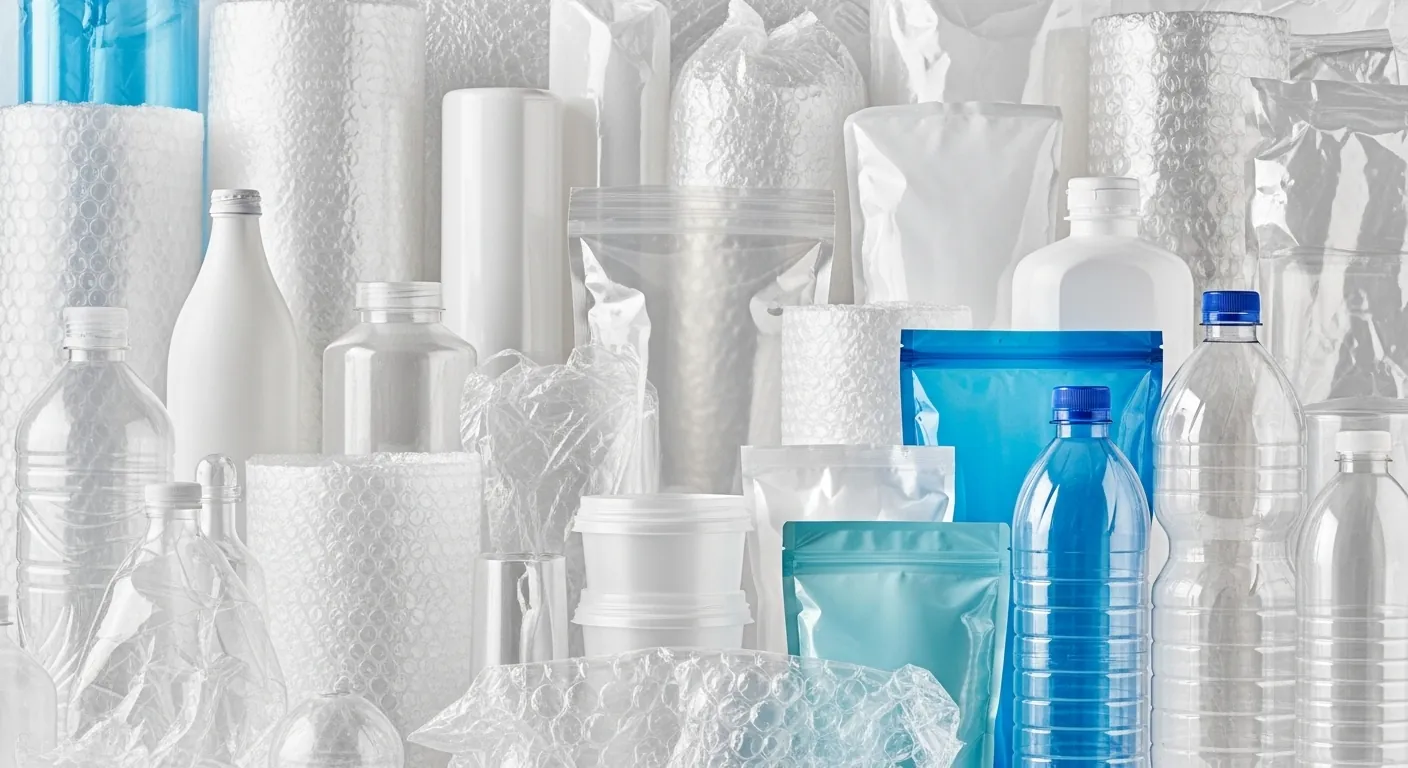
Shipping Plastic Packaging Materials
For Shippers Who Move Plastic Packaging Every Day
Whether you're sending shrink wrap, molded trays, or bottles, our freight network delivers fast, reliable service.



Shipping Plastic Packaging
Plastic packaging is everywhere. From food containers and shrink wrap to industrial crates, stretch film, and bubble wrap. Its flexibility, strength, and cost-effectiveness make it a go-to for many industries. However, that convenience comes with complexity, including environmental concerns, material choices, regulatory pressures, and logistical nuances. If you’re sourcing, shipping, or designing packaging, this page will help you navigate the essentials, along with deeper insights, so you can make smarter packaging decisions that balance performance, cost, and sustainability.





Thousands of businesses trust FreightCenter to move their freight faster, smarter, and cheaper! From unbeatable rates to top-notch service, our customers are raving about their shipping success.
See why they keep coming back!
Award-Winning Service, Trusted by Shippers Everywhere!
- 2021, 2017 & 2016 Food Logistics’ Top Green Providers
- 2021 & 2018 Supply & Demand Chain Executives’ Pros to Know: Matthew Brosious
- 2020 & 2019 Top Food Logistics’ 3PL & Cold Storage Provider Award
- 2020 & 2019 Business Observer’s Top 500 Companies on the Gulf Coast
- 2020 & 2017 SmartWay® Transport Partner
- 2020 & 2017 Food Logistics’ Champions: Rock Stars of the Supply Chain
- 2020 Best of Palm Harbor Awards for Local Businesses
- 2017 Green Supply Chain Award from Supply & Demand Chain Executive
- 2017 Tampa Bay Business Journal Heroes at Work
- 2016, 2015, & 2012 Food Logistics Top 100 Software and Technology Providers
- 2013 Tampa Bay Business 100 by Tampa Bay Business Journal
- 2013 Top 100 Great Supply Chain Partners by SupplyChainBrain
- 2012 TIA Samaritan Award Honorable Mention
- 2012, 2011 & 2010 TBBJ Fast 50 Recipient
- 2013, 2011, & 2010 Diversity Business Top Businesses
Why Choose FreightCenter for Shipping Plastic Packaging Materials?
We are an award-winning logistics company and an American veteran-owned business. We bring a lot to the table when it comes to truckload services. Our history, competitive pricing, and level of service are unmatched in the industry. Over the years and many miles, we have formed a dedicated and respected network of partners in the industry to help customers meet deadlines.
Our mission is to meet and exceed customer expectations in all that we do. We take care of truckload freight shipping from pickup to delivery. Excellent customer service is our hallmark, and it goes a long way in building a relationship of trust. Customers who select FreightCenter to handle their truckload freight shipment trust us to do the job.
Choosing FreightCenter
Choosing to work with us will make your shipping process seamless. Below are just some of the benefits working with our Third Party Logistics company will have on your shipping experience:
- When you partner with FreightCenter, a premier 3PL (Third Party Logistics) company with over twenty-four years of experience within the logistics industry, you are choosing success. Over the decades, our team has dealt with nearly every shipment imaginable. There is no shipment process we cannot help you with!
- FreightCenter employs a knowledgeable staff that is always willing to learn and grow with industry changes and advancements. We are ready to answer any of your questions throughout the shipping process!
- We are the middleman between you and your carrier, helping avoid communication issues. Your agent will directly communicate with you and your carrier, delivering any necessary information or updates between you.
- We secure the best transit carrier and route for you at the best price. No more spending hours determining the logistics or searching for a worthwhile deal.
- We make it easy to ensure your shipments by guiding you toward the best providers. Whether you need full or partial coverage, we have you covered!
- We arrange the pickups and drop-offs while also making sure to track each shipment in transit. We will ensure that you know where your packages are every step of the way!
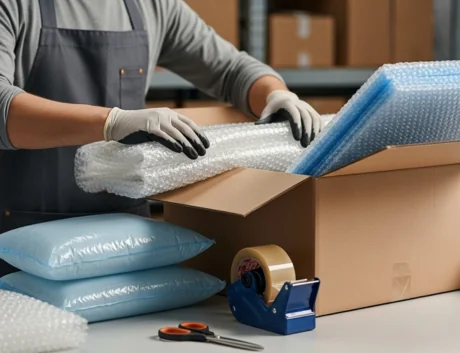
When choosing to ship plastic materials, make sure first to inspect the product you intend to ship. Check for any tears, scratches, punctures, etc. It is crucial to ensure you are sending a quality product, so take advantage of this step. Once you have examined the item for damage, verify the type and quantity of the plastic packaging you wish to freight ship. Plastic packaging includes: bags, boxes, containers, films, pouches, pallets, protective sleeves, and the list goes on, as plastic packaging is prevalent throughout various industries.
Why Choose Us For A Freight Quote?
- Shipping quotes anytime
- Get freight shipping quotes to anywhere in the U.S. & Canada.
- Unbeatable discounts on your freight LTL, truckload, rail, air, and more
- Automated freight tracking, paperwork & invoices
- Manage all quotes & shipments in one place
- 24+ years of logistics experience working for you!
To create value for our customers by delivering customized shipping solutions that meet their unique needs and to fulfill shipping demands from simple to complex with expertise, guidance and ingenuity.
Protecting your plastic packaging materials during transit can be crucial. FreightCenter offers customizable freight insurance options to give you peace of mind. In the rare event of damage or loss, our insurance plans ensures you're covered, minimizing risks and financial impacts.
Accurate freight classification is key to receiving fair and transparent shipping rates. Our easy-to-use Freight Class Calculator helps you determine the correct freight class for your shipment based on size, weight, and product type. This tool simplifies the quoting process and ensures you avoid costly reclassification fees.
PTL is a smart option when you have more than an LTL load, but not enough to fill a full truck. With fewer stops and reduced handling, PTL helps keep plastic packaging material shipments safer, more secure, and it's often faster than standard LTL - while keeping costs down.
For businesses shipping larges quantities of plastic packaging material, FreightCenter offers volume shipping discounts. By consolidating your shipments and working with our network of carriers, you can lower costs without sacrificing reliability or speed.

 Guaranteed competitive pricing every time you ship.
FreightCenter is an Expert in Shipping Plastic Packaging Materials
There are so many considerations to shipping plastic packaging and many different avenues to take in the decision. That’s why FreightCenter is here to help! With over 25 years of experience, we work to ensure that your equipment is shipped safely, securely, and efficiently! By preparing properly, FreightCenter gets you the right carrier for your shipment, while you can focus on what’s essential for your business! Let’s make sure your underground mining equipment gets the treatment it deserves. Get your shipping quote today or call us at (800) 716-7608.
FAQ: Shipping Plastic Packaging

Q. How much of today’s packaging is made from plastic?
Plastic accounts for roughly 36–40% of total global packaging materials, according to the UN Environment Programme. It dominates in the food, beverage, and e-commerce sectors because of its strength-to-weight ratio and cost efficiency.
Q. What industries rely most on plastic packaging?
Food and beverage manufacturers use the majority, followed by healthcare, personal care, consumer goods, and industrial sectors. These industries depend on plastic for hygiene, shelf life, and barrier protection.
Q. What innovations are improving plastic packaging today?
Chemical recycling (breaking plastics into base monomers), advanced bio-resins, lighter multilayer films, and digital watermarking for better sorting are all emerging. Brands are also experimenting with refill stations and reusable container models.
Q. How does plastic packaging affect freight shipping costs?
Because it’s lightweight, plastic often reduces overall freight cost compared to heavier alternatives like glass or metal. However, overly bulky or low-density packaging can raise dimensional weight (DIM weight) charges, especially in parcel shipping.
Q. How can brands make plastic packaging more sustainable?
Reduce overall material use, choose single-resin structures, include recycled content, and design for easy separation of closures or labels. Transparency about recyclability and clear disposal instructions also help end-users recycle correctly.
Q. Can plastic packaging be reused?
Yes. Rigid plastic containers, crates, and industrial bins are often reused many times. Just ensure they are cleaned, not degraded, and compatible with the product.
Q. Why do some plastics break down into microplastics?
Under sunlight, oxygen, mechanical stress, or heat, plastic chains can fragment — contributing to microplastics. Oxo-degradable plastics intentionally break into fragments, but that’s controversial because they still pollute.
Q. Are alternative packaging materials always better?
Not necessarily. Alternatives like molded fiber or paper may use more energy, weigh more (raising freight cost), or not provide equivalent protection. The full life-cycle analysis matters.
Q. How can businesses prepare for future plastic packaging regulations?
Track legislation by region, engage packaging suppliers early, and prioritize recyclable or reusable formats now. Setting internal packaging reduction targets helps businesses stay ahead of compliance deadlines.
Q. Are there economic benefits to switching from virgin to recycled plastic?
Yes, especially as resin prices fluctuate. Using post-consumer resin (PCR) can lower material costs and qualify for sustainability incentives or retailer partnerships that favor circular packaging.
Q. Can plastic packaging protect products better than alternatives?
Often yes. Plastics create stronger barriers against moisture, air, and impact than paper or cardboard. For perishable goods, this extends shelf life and reduces food waste—a sustainability benefit often overlooked.
Q. What’s driving demand for recycled plastic packaging?
Consumer pressure, brand sustainability goals, and government mandates. Many large companies have pledged to make their packaging 100% recyclable or reusable by 2030, which has spurred investment in recycling capacity.
Q. How do global shipping and logistics companies manage plastic packaging waste?
Major logistics providers are auditing waste streams, switching to stretch-film alternatives, and implementing closed-loop systems. Some use compactors or balers to recycle pallet wrap on-site before it enters landfill streams.
Q. Will plastic packaging disappear in the future?
It’s unlikely; rather, it’s expected to evolve, not vanish. Expect a shift toward recyclable, reusable, or bio-based plastics and improved waste systems. The future lies in circular design, not complete elimination.
Q. Can I get help with my shipping logistics?
Absolutely! Call us at (800) 716-7608 or use our quote tool—we’ll guide you through it every step of the way.
3 Tips For Better Plastic Packaging Materials Shipping
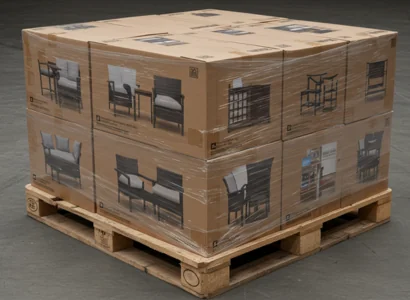
Use Proper Palletization to Prevent Crushing and Warping
Plastic packaging is strong when used, but it’s not always sturdy during transit. Lightweight bottles, trays, or film rolls can deform under uneven stacking pressure. Use high-quality pallets, even stacking, and corner supports to distribute weight evenly. Avoid overhanging materials and stretch-wrap your loads tightly without crushing them. If you’re shipping hollow containers, consider using inserts or nesting to reinforce structure and reduce wasted space.

Don’t Ship Without Insurance—Ever
Carriers typically cover only $0.10–$0.50 per pound. That won’t even come close to replacing your plastic packaging. With our 3rd-party insurance options, you'll get the full value of your cargo and ensure peace of mind for your shipment.
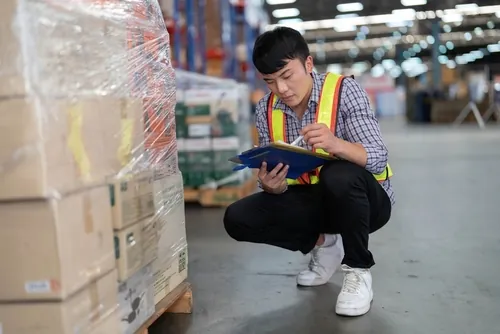
Account for Static, Dust, and Contamination Risks
Cleanliness is crucial for packaging materials, especially when they’re used in food, medical, or cosmetic production. Plastic surfaces attract dust and static during transit, which can compromise appearance or hygiene. Use anti-static wraps, sealed liners, or plastic sheeting to keep products clean and ready for production. Label crates or pallets as “Packaging Materials—Do Not Double Stack” to prevent unexpected handling.