

What You Can Do to Avoid Missed Pickups
You have a freight shipment booked with a carrier. You’re anticipating the pickup date, ready to send your goods off. Then the pickup day arrives. You wait for the carrier’s truck to arrive. However, the day passes by without a single truck rolling up to your building. As the afternoon wanes, you finally hear back from your carrier. Unfortunately, your pickup was missed. You will have to wait until the next business day for your freight to be picked up.
This is an uncommon phenomenon for freight deliveries. Occasionally, a carrier may be unable to meet the scheduled pickup date. There are many reasons why a carrier will miss a pickup; some are unavoidable, such as heavy traffic, severe weather, or the driver not having enough space in their trailer. Other reasons, however, can be prevented by you, the shipper.
Whatever the case may be, missed pickups are a frustration for both shippers and carriers. In some cases, they are inevitable and can’t be circumvented. However, there are ways for you to prevent slipups on your end. To understand what you can do to avoid missed pickups, however, we need to determine the various ways a shipper could cause one to happen.

Why Are Freight Pickups Missed?
As stated earlier, there are two categories of missed pickups: the unavoidable and the preventable. Unavoidable missed pickups are incidents and delays that occur on the scheduled pickup date and cannot be controlled by either the carrier or the shipper. These include:
– Severe weather
– Heavy traffic
– Truck breakdowns
– The truck is already full
– The truck runs out of time for the day
– Other shippers cause delays during their pickup
Many unavoidable circumstances arise from the daily schedules for freight pickups and deliveries. Carriers typically have a limited window of 4 to 5 hours in the afternoon to pick up freight shipments. Mornings are dedicated to delivering freight, which allows carriers to empty their trailers and create enough space for the afternoon pickups. This means that any delays, from filling the truck early to other shippers delaying the trucks, will inevitably cause you to miss your pickup.
However, some missed pickups are entirely preventable by you, the shipper. These reasons include:
– BOL has incorrect or missing information
– No documents were prepared for the carrier
– Packaging issues
– Improper labeling
– The carrier cannot enter an area with limited access.
– Accessorial services were not included in the booking.
Preparing for freight pickup is crucial for a successful shipping experience. To help you, here are strategies to avoid missed freight pickups:
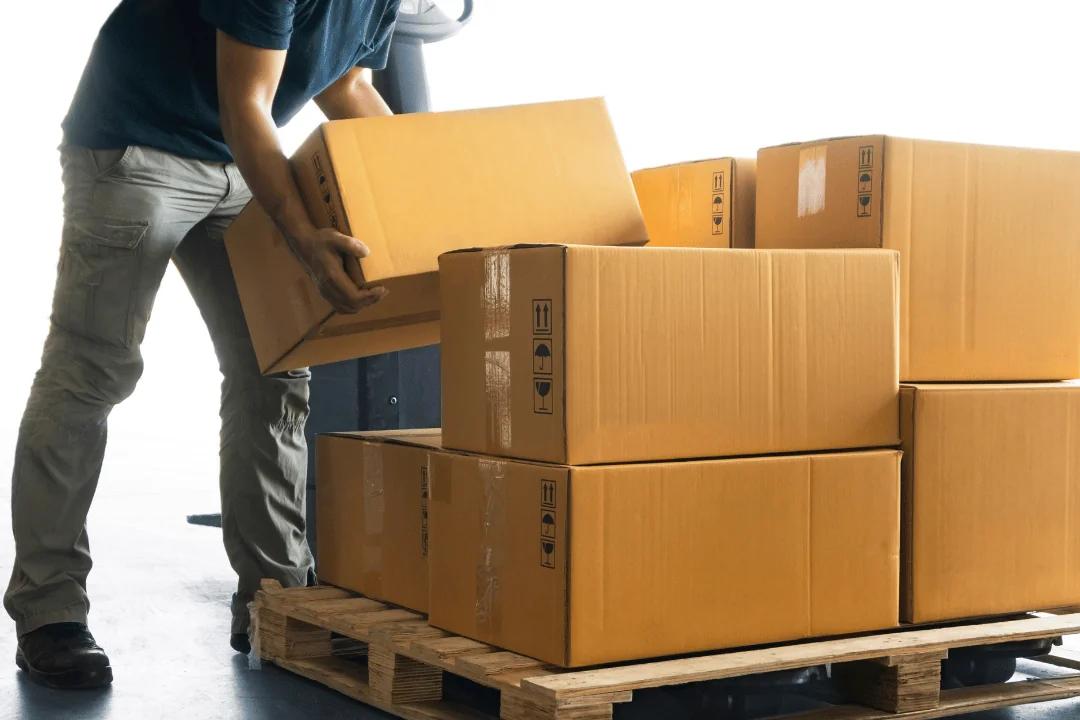
Properly Package Your Freight
Properly packaging your freight is essential, as carriers may reject freight that is poorly packaged for transportation on their trucks. Here are several freight packaging tips to keep in mind when preparing your shipment for pickup:
– Secure your freight by tightly attaching it to its pallet using plastic wrap and straps to prevent slipping and sliding. Putting your freight on a pallet makes it easier to handle and to keep it secure.
– Freight should not have any overhang. It must be within the pallet’s dimensions, or else there will be difficulty in moving your freight, resulting in higher prices.
– Make sure the packaging is in line with the freight’s weight and dimensions. If the freight is heavy, use secure strapping and a heavy-duty pallet to ensure stability. If it is fragile, use extra padding and materials both within and outside the package.
– Shipping labels should be attached and displayed appropriately on all visible sides of the freight.
Every aspect of this process guarantees that your freight is fully prepared and meticulously organized for pickup.
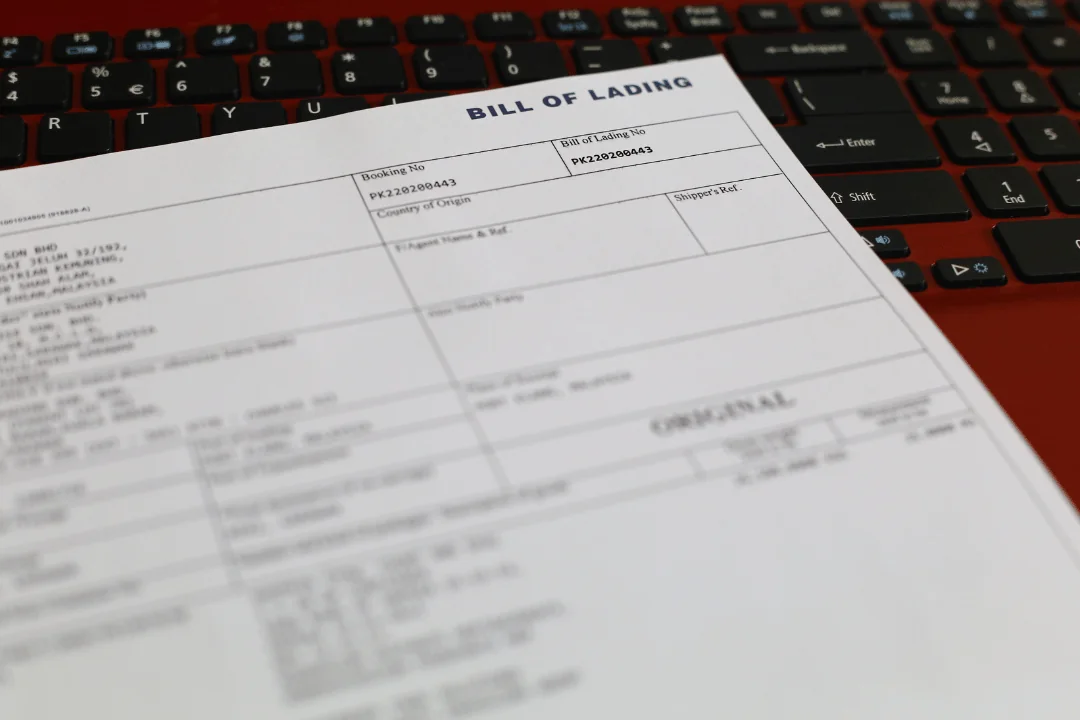
Ensure Documents are Accurate
You must have your Bill of Lading (BOL) and other relevant documents on hand on the day of pickup. Before the date, ensure that the information presented on the documents is accurate and up-to-date. This includes information like:
– The pickup and delivery addresses
– The carrier’s name
– The contact information for the carrier and shipper
– Your goods’ description, weight, dimensions, and quantity
– The good’s freight class (for LTL shipments)
Not having this information or having incorrect information on your BOL or other documents will prevent your freight from being picked up by your carrier. Therefore, ensure that your documents are accurate well ahead of your scheduled pickup date.

Communicate with Your Carrier and Consignee
Effective communication is crucial not only between you, the shipper, and the carrier, but also between you and the consignee. It’s important to stay in contact with your consignee before and during the shipment to keep them informed about the delivery status, whether it is on time or delayed. The consignee should also be aware of:
– What is being shipped
– The pickup date
– The name of the carrier delivering the freight
– The estimated delivery time window
– Any equipment they’ll need for their delivery.
Meanwhile, the carrier must maintain communication with the shipper before and during the journey. If they are going to miss a pickup, they should notify you and let you know either when the new pickup date will be (usually the next business day) or direct you to where you can reschedule.
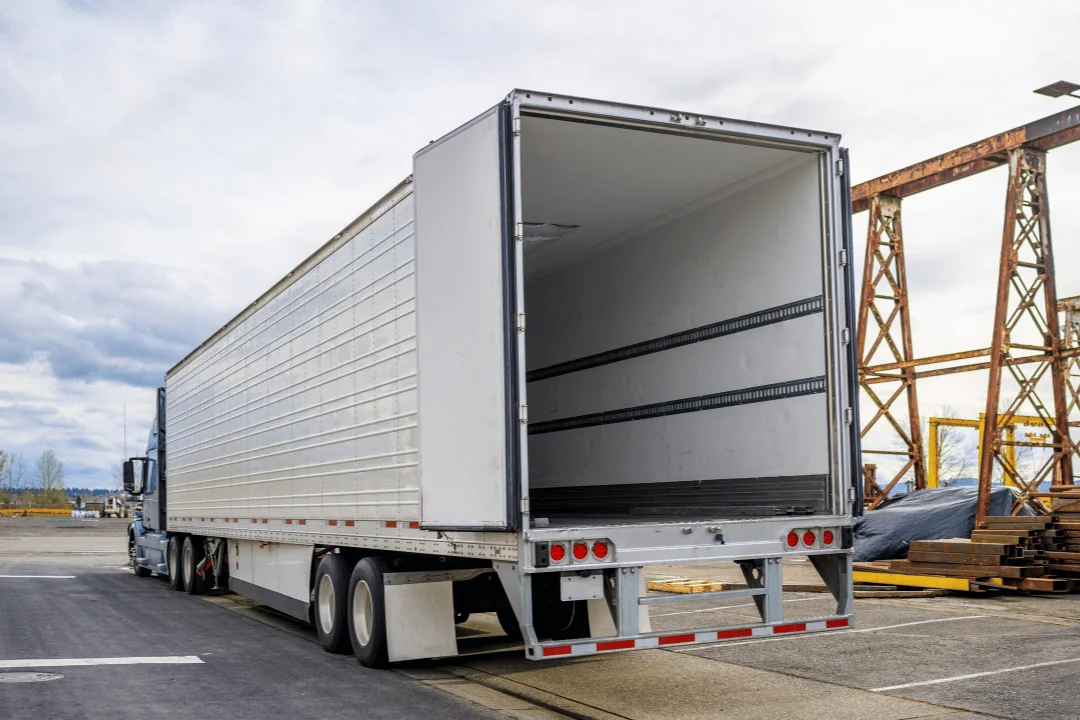
Prepare for the Next Pickup Date
To be prepared for the possibility of a missed pickup, it’s crucial to have a strategy in place. When booking with a carrier or 3PL, inquire about their policies regarding missed pickups. Will your shipment automatically roll over to the next business day, or will you need to reschedule it manually for another day? Understanding these details in advance will help you avoid being blindsided if a pickup is missed.
It is also vital that your freight is prepared for pickup, even if you missed the initial scheduled time. If you do not have a loading dock and your freight is located at the curb, you may need to bring it inside for the night and then return it to its original position the following day. Weather and thieves are significant threats to your freight, so it is best not to leave it exposed while waiting for pickup.
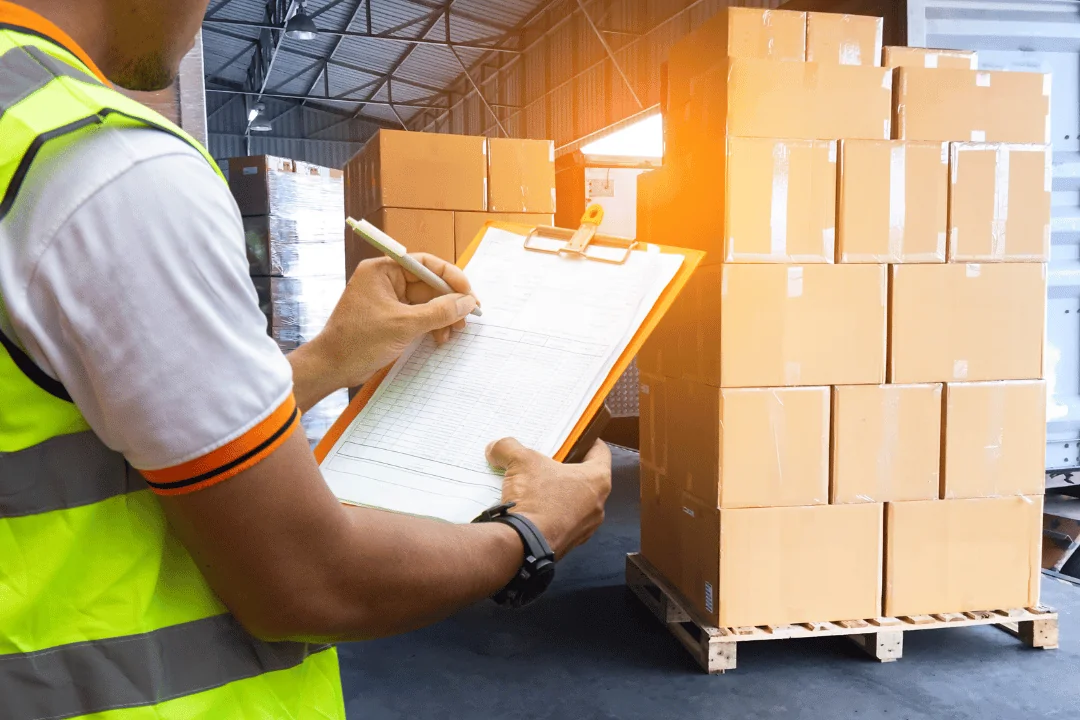
Double Check Everything
Finally, to ensure you’re truly prepared for your pickup, double-check that everything is all set. Verify that your packaging is complete, your paperwork is in order, and you are ready to hand it over to your carrier if necessary. Ensure you are aware of the destination and who will be receiving the freight. You may never know what little mistake you overlooked when preparing your freight, so it’s better to be properly paranoid than careless.
Two specific things to keep in mind while double-checking your shipment:
1. Memorize the name of your carrier, along with their PRO number and your shipment ID. Some competing carriers (if you received quotes from them) may attempt to take your shipment for themselves, which could result in higher rates. Make sure the carrier you’re handing your shipment to is the correct one.
2. Ensure that you have accessorial services, such as lift gates and blanket wrap, checked off ahead of time on your paperwork. If you do not have these services included in your shipment and the carrier needs to use them during transport, you may incur additional charges after delivery.
3. If you are a residential customer or a business without a dock and need your freight picked up from your driveway, please select the inside pickup and delivery services when booking. If you need your freight picked up from inside your home or office, you must choose white glove services, as this is the only option that allows the driver to enter your premises and retrieve your freight.

When Planning Pays Off
After all the time spent scheduling, packing, and preparing, few things are more satisfying than watching your freight roll safely on its way. Avoiding missed pickups isn’t luck: it’s the result of planning ahead, communicating clearly, and checking every detail before the big day.
By double-checking paperwork, securing proper packaging, and keeping open lines of contact with both your carrier and consignee, you reduce the chances of those frustrating delays. Every detail, from accurate BOL information to accessorial planning, plays a part in ensuring your freight moves when it should.
Ultimately, preventing missed pickups is not just about saving time; it’s about establishing a smoother and more reliable shipping process from start to finish. A little foresight today can help ensure your freight remains right on schedule tomorrow.