

Why Use Just-In-Time Logistics?
Logistics has a reputation for being one of the most expensive industries globally. However, back in the day, it was also known for being a relatively slow business. It would take weeks, even months, for freight to be delivered from the manufacturer to the customer.
Since the rise of e-commerce, the way products are delivered has undergone significant changes. Shipments now arrive at a customer’s doorstep or store shelf in just a few days, and sometimes even within hours. Freight shipping has become a crucial aspect of business, relying on speedy deliveries, quick turnaround times, and ample product availability for all customers.
However, while shipping has become a faster process, issues with inventory levels persist. If demand is high, there must be sufficient inventory to meet it. If demand is low, there must be enough inventory to meet it. This balancing act creates issues if there isn’t enough inventory to meet demand, and vice versa. This creates excess waste, squandered time, and lost money.
Companies employ various strategies to manage excess inventory, with just-in-time logistics (JIT) being one of the most effective approaches to managing this. JIT is an inventory system that produces and delivers goods only when needed, aligning raw material order with production schedules to ensure items are made just in time for customers.
This system is one of the most popular forms of inventory and supply chain management for retailers, restaurants, and auto manufacturers, as they must efficiently send and receive goods to support their businesses. But why should you utilize JIT logistics for your operations, and is it worth it?
How Just-In-Time Logistics Works
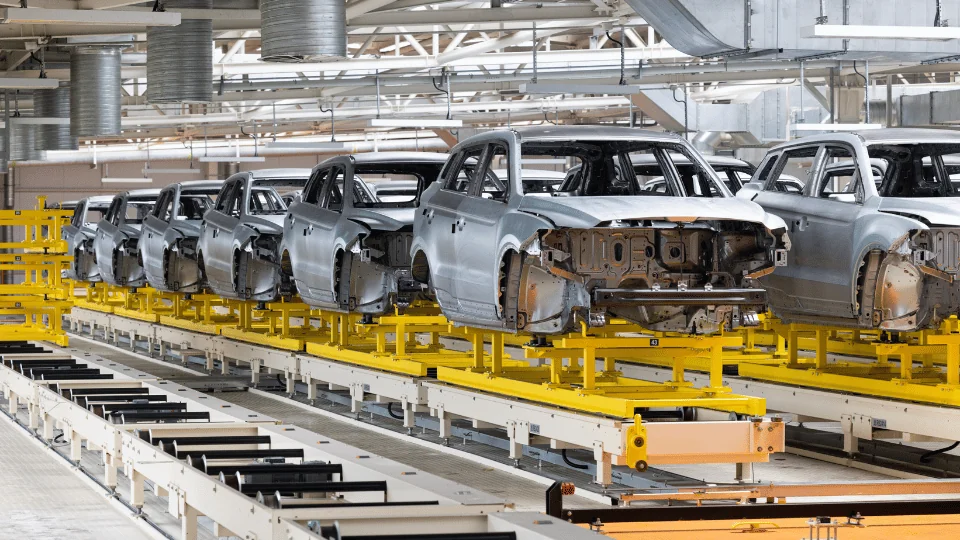
The JIT system was first implemented by the Toyota Motor Corporation back in the 1970s for their automotive operations. Executives believed they could respond to changes in market demand or trends by maintaining low inventory levels. Therefore, when they received new automobile orders, they would only order the necessary parts at that time, without having any parts in inventory beforehand.
JIT logistics is a complex process that requires several factors to be implemented appropriately into your inventory management strategy. These factors include:
- Accurate forecasting based on market trends and demand
- Close collaboration between manufacturers and vendors
- Brokerages or other third parties maintaining your supply chain
- TMS and WMS technologies
- Careful manufacturing scheduling
- Real-time communication between related parties
Incorporating JIT logistics can be complicated without these elements. Therefore, it is essential for businesses to carefully analyze other companies that use JIT models to imitate and accurately implement their own processes.

Advantages of JIT Logistics
JIT logistics is one of many management models that can enhance supply chain operations. However, utilizing JIT for logistics offers benefits that can improve operational effectiveness and create a leaner production cycle.
Improved Efficiency
If you have less inventory to manage, then you don’t need to spend as much time and energy organizing and locating goods in your warehouses. Your operations will also be streamlined, ensuring that no resources or materials are wasted unnecessarily.
Reduced Costs
Cash flow improves when inventory excess is eliminated, which in turn enhances sales and reduces unnecessary expenses. The costs of upkeeping storage and warehouse facilities are also reduced when there is less inventory to house.
Decreased Waste
When everything is made on demand, there is no overproduction. You only need to produce goods when requested by the customer, which helps cut unnecessary fluff from your inventory levels and keeps you focused on the basics.
Better Responsiveness
Having a shorter turnaround time means companies must become more adaptable and flexible to unexpected changes and interruptions. These traits are crucial prerequisites for healthy scalability, ensuring your company’s growth while properly equipped for unforeseen events.

Downsides of JIT Logistics
While JIT logistics offers benefits for your business, two key drawbacks may hinder its effectiveness: supply chain disruptions and partnership issues.
When a JIT-reliant company faces a critical interruption in its supply chain, it suffers more severely than a company with excess inventory. They lack the necessary reserves to fulfill customer orders, resulting in delays. Severe weather, market demand, and economic fluctuations are examples of disruptions that affect JIT logistics.
Another type of disruption that affects JIT-reliant companies more severely than others is the disruption of supplier relationships. Having a solid relationship with your vendors is crucial to getting the materials you need to produce goods on demand. However, if the vendor fails to fulfill their obligations, this could result in missed deadlines and delays.
Both of these factors can be detrimental to JIT logistics, but they aren’t dealbreakers. To combat these issues, it is essential to be cognizant of your supply chain weaknesses and develop strategies to prevent or mitigate disruptions. To do this, here are a few tips to keep in mind:
- Plan your crisis management strategy: Collaborate with your team to develop strategies that address disruptions before they occur. Try to come up with as many scenarios as you can, and determine if you’ll need additional resources on hand to meet your crisis strategy.
- Have multiple vendors at once: Partnering with two or more suppliers instead of just one can help with procuring materials for goods. If one supplier cannot meet demand, then you have another to fall back on.
- Communicate with your team: Discuss issues with your team; don’t hold back because of pressure or anxiety. They should be aware of any disruptions to operations that could impact production. They may even have suggestions on how to circumvent the crisis!

Is JIT Logistics Right For You?
Just-in-time logistics isn’t just a trendy management philosophy; it’s a proven approach. When used thoughtfully, it can transform the way your business handles inventory, production, and customer satisfaction. As we’ve seen, JIT can reduce waste, improve operational efficiency, lower costs, and help companies stay nimble in the face of shifting demand.
That said, it’s not a one-sized-fits-all solution. JIT demands precision, strong supplier relationships, real-time communication, and a proactive approach to potential disruptions. For businesses with the infrastructure and foresight to manage those requirements, the payoff can be tremendous. However, for others, it may require a few internal adjustments or partnerships with logistics experts to get it right.
If you’re considering implementing a JIT model in your operations, don’t rush in unprepared. Begin by reviewing your current logistics strategy and identifying areas where you can streamline. Discuss with your suppliers, assess your risk tolerance, and determine whether your team has the necessary tools and visibility to respond quickly and stay ahead of disruptions.
The goal isn’t perfection; it’s progress. And with the right systems and support in place, JIT can help your logistics operation become leaner, faster, and more resilient in an unpredictable world.