

What Is Cross-Docking?
Keep Freight Moving, Not Sitting
FreightCenter's cross-docking services streamline your supply chain by eliminating unnecessary storage time and reducing costs. Achieve faster turnarounds, lower costs, and seamless coordination, ensuring your freight reaches its destination without delay.



Cross-Docking Services Made Simple
When you’re managing tight schedules, high volumes, or just trying to streamline your logistics, cross-docking can be the time-saver you didn’t know you needed. Whether you’re a retailer trying to stay agile or a manufacturer cutting storage costs, FreightCenter offers reliable cross-docking services that connect your supply chain without the unnecessary warehousing.
We make the process smooth, fast, and efficient, so your freight spends less time sitting around and more time getting where it needs to go.





Thousands of businesses trust FreightCenter to move their freight faster, smarter, and cheaper! From unbeatable rates to top-notch service, our customers are raving about their shipping success.
See why they keep coming back!
Award-Winning Service, Trusted by Shippers Everywhere!
- 2021, 2017 & 2016 Food Logistics’ Top Green Providers
- 2021 & 2018 Supply & Demand Chain Executives’ Pros to Know: Matthew Brosious
- 2020 & 2019 Top Food Logistics’ 3PL & Cold Storage Provider Award
- 2020 & 2019 Business Observer’s Top 500 Companies on the Gulf Coast
- 2020 & 2017 SmartWay® Transport Partner
- 2020 & 2017 Food Logistics’ Champions: Rock Stars of the Supply Chain
- 2020 Best of Palm Harbor Awards for Local Businesses
- 2017 Green Supply Chain Award from Supply & Demand Chain Executive
- 2017 Tampa Bay Business Journal Heroes at Work
- 2016, 2015, & 2012 Food Logistics Top 100 Software and Technology Providers
- 2013 Tampa Bay Business 100 by Tampa Bay Business Journal
- 2013 Top 100 Great Supply Chain Partners by SupplyChainBrain
- 2012 TIA Samaritan Award Honorable Mention
- 2012, 2011 & 2010 TBBJ Fast 50 Recipient
- 2013, 2011, & 2010 Diversity Business Top Businesses

What Is Cross-Docking?
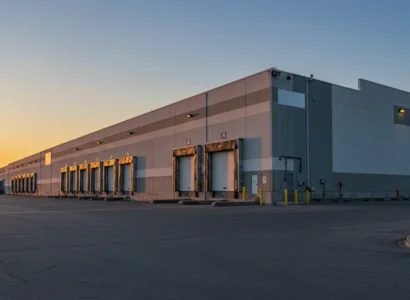
Cross-docking is a freight logistics strategy where inbound shipments are directly transferred to outbound carriers with minimal or no storage in between. In other words, your goods are unloaded, sorted, and reloaded usually within hours. It’s fast and efficient, helping to reduce the costs and delays associated with traditional warehousing.
How Cross-Docking Works
It’s simpler than you think. Here’s what a typical cross-docking process looks like:
- Inbound freight arrives at a designated facility.
- Freight is sorted and scanned for outbound destinations.
- Shipments are consolidated and reloaded directly onto outbound trucks.
At FreightCenter, we utilize this model to minimize handling time and expedite delivery. Our trusted carrier network and logistics specialists ensure a seamless transition.
When to Use Cross-Docking
You might benefit from cross-docking if you:
-
Want to reduce delivery times to customers or distribution centers?
-
Need to consolidate shipments from multiple vendors.
-
Are you trying to limit warehouse storage and associated fees?
-
Require quick turnaround for perishable or seasonal goods.
-
Need to distribute from a central hub to multiple destinations.
5 Cross-Docking Benefits
Cross-docking offers numerous significant benefits for businesses. It helps reduce inventory costs, improve operational efficiency, enhance supply chain agility, and lower transportation expenses.
Reduced Inventory Costs
Cross-docking offers a significant advantage to businesses by reducing inventory costs. By eliminating the need for long-term storage, products spend less time in inventory, resulting in lower warehousing and storage expenses. This cost reduction frees up valuable capital that businesses can allocate to other areas of their operations. Instead of tying up resources in maintaining large warehouses, companies can invest in research and development, marketing, or expanding their product lines. The ability to allocate capital more efficiently allows businesses to adapt to market changes and seize new opportunities.
Furthermore, with reduced inventory costs, companies can minimize the risk of holding excess stock, reducing the chances of obsolete or unsellable products. This leaner inventory approach saves costs and improves cash flow and overall profitability. Cross-docking helps businesses optimize their inventory management, leading to significant cost savings and improved financial performance.
Improved Operational Efficiency
Cross-docking significantly improves operational efficiency by eliminating the need for long-term storage and reducing handling. This streamlined approach allows for a seamless flow of goods, minimizing the time and effort required to transfer products between inbound and outbound transportation. By eliminating time-consuming tasks associated with traditional warehousing, businesses can optimize labor resources and allocate them to more value-added activities within the organization. The result is a more efficient supply chain process that reduces operational costs and improves overall productivity.
Enhanced Supply Chain Agility
Cross-docking empowers businesses with enhanced supply chain agility by facilitating quick sorting, consolidation, and distribution of products. This streamlined process allows companies to quickly respond to changing market conditions and customer demands, ensuring they remain flexible and adaptable in a fast-paced business environment. By minimizing lead times and optimizing shipment consolidation, cross-docking enables businesses to promptly adjust their offerings, quantities, and distribution routes, enabling efficient and responsive supply chain operations.
Lower Transportation Costs
One of the critical benefits of cross-docking is its ability to lower transportation costs for businesses. By optimizing vehicle capacity and reducing the required trips, companies can significantly save fuel expenses, vehicle maintenance, and labor costs associated with transportation operations. With cross-docking, businesses can consolidate shipments efficiently, ensuring that vehicles are utilized to their maximum capacity. This reduces overall fuel consumption and minimizes car wear and tear, leading to lower maintenance costs. Furthermore, by reducing the number of trips needed for transportation, companies can save on labor costs related to drivers and vehicle operations. Cross-docking provides businesses with a cost-effective solution to streamline their transportation operations, resulting in significant savings and improved profitability.
Reduced Order Fulfillment Time
Cross-docking is a game-changer in reducing order fulfillment time for businesses. With faster sorting and loading processes, it streamlines product movement through the supply chain, resulting in shorter lead times from order placement to delivery. This allows companies to meet tight delivery deadlines, improve customer satisfaction, and gain a competitive edge. By bypassing long-term storage and minimizing handling, cross-docking enables the swift transfer of products from inbound to outbound vehicles for immediate dispatch. This efficient flow ensures prompt order processing and shipment, significantly reducing the time customers wait to receive their goods. With reduced order fulfillment time, businesses can excel in today’s fast-paced marketplace and deliver exceptional customer experiences.
Overall, cross-docking allows businesses to streamline their operations, reduce costs, and increase profitability.
Cross-docking has emerged as a valuable strategy for logistics companies, enabling them to optimize their supply chain operations. Cross-docking delivers cost savings, improves inventory management, and enhances overall supply chain performance by minimizing storage time, reducing handling, and maximizing efficiency. As businesses strive to meet the demands of a fast-paced marketplace, implementing cross-docking practices can drive significant benefits and contribute to a streamlined and agile logistics operation.
At FreightCenter, we don't believe in one-size-fits-all shipping. Our job is to simplify yours, whether you're managing a high-velocity supply chain or trying to shave hours off delivery windows. From simple LTL moves to complex, multi-stop full truckloads, we customize every freight solution to meet your exact needs with precision, guidance, and creative logistics know-how.
Need to ship smaller loads without sacrificing reliability? FreightCenter makes LTL shipping easy and affordable. We'll connect you with a network of trusted carriers, negotiate the best rates, and ensure your freight is cross-docked efficiently to stay on schedule and budget.
Moving larger or more time-sensitive loads? FreightCenter specializes in full truckload (FTL) shipping, offering competitive pricing and access to a range of transportation options, including dry vans, flatbeds, and temperature-controlled trailers. Our carrier network and expert routing keep your shipments moving fast, even with multiple drop-offs.
Speed matters. If you're working against the clock, our expedited services ensure your freight arrives quickly where it needs to be. FreightCenter arranges secure, coast-to-coast shipping with rapid cross-docking to minimize delays and reduce warehouse handling.
Shipping something oversized, high-value, or requiring special handling? FreightCenter is your partner for custom solutions. From white glove delivery to international freight, hazmat compliance to liftgate service, we coordinate specialized shipping with the expertise your shipment demands.

 Guaranteed competitive pricing every time you ship.
Why Choose FreightCenter for Cross Docking?
At FreightCenter, we don’t just drop your shipment off and move on. We actively manage the timing, handoffs, and logistics to make cross-docking work for you.
Here’s what sets us apart:
- Nationwide Network: Access to cross-dock facilities and carriers across the U.S.
- Hands-On Service: A logistics team that handles the planning and troubleshooting for you.
- Regulatory Know-How: We stay ahead of freight compliance so you don’t have to.
- Freight Expertise: From temperature-sensitive shipments to high-volume freight, we’ve seen it all, and we ship it all.
Frequently Asked Questions About Cross Docking Services
Q. What are cross docking services?
Cross-docking is a logistics strategy where products are unloaded from inbound trucks and immediately reloaded onto outbound trucks, bypassing storage. This streamlined process reduces warehousing costs, minimizes handling, and accelerates delivery times. FreightCenter connects you with facilities nationwide that specialize in efficient cross-docking operations.
Q. How does cross docking improve shipping efficiency?
By eliminating or minimizing storage time, cross-docking speeds up the entire shipping process. This means faster delivery times, lower handling costs, and fewer opportunities for inventory damage or misplacement.
Q. What types of freight are best suited for cross docking?
Cross-docking works well for perishable goods, retail merchandise, pre-tagged and sorted products, and any freight that requires a fast turnaround. It’s ideal when inventory accuracy and delivery speed are critical.
Q. Can FreightCenter help with cross docking nationwide?
Yes. FreightCenter partners with a wide network of carriers and facilities nationwide that offer cross-docking services. We can coordinate your shipments with the right providers to ensure efficiency and reliability.
Q. Is cross docking cost-effective?
Absolutely. While there are handling fees, cross-docking often reduces overall costs by eliminating warehousing expenses, reducing labor hours, and minimizing freight storage risks.
Q. Do I need a warehouse to use cross docking?
No. That’s one of the advantages. With cross-docking, your freight doesn’t need long-term storage. Freight is transferred quickly between transport vehicles, and FreightCenter can connect you with facilities that handle the process seamlessly.
Q. Is cross docking suitable for international shipments?
It can be, depending on the shipment’s route and customs requirements. FreightCenter helps customers determine when cross-docking is a suitable option for their international supply chains and arranges the necessary services.
Q. How does cross docking benefit just-in-time (JIT) logistics?
Cross docking aligns perfectly with JIT models by minimizing inventory storage and supporting precise, fast-moving supply chains. It helps businesses receive goods exactly when they’re needed.
Q. What’s the difference between cross docking and traditional warehousing?
Traditional warehousing involves storing goods for a period of time. Cross-docking skips this by quickly transferring goods from inbound to outbound trucks, saving time and reducing inventory carrying costs.
Q. How fast is the turnaround with cross docking services?
Turnaround times vary, but most cross-docking transfers are completed within hours. FreightCenter works with facilities that prioritize speed and accuracy to keep your supply chain moving.
Q. Can cross docking help with seasonal shipping surges?
Yes. Cross-docking is a smart way to handle high volumes during peak seasons. It reduces congestion in warehouses and gets products to market faster, which is especially helpful for retailers and distributors.
Q. Are there risks involved with cross docking?
As with any logistics solution, there are risks, such as misrouting or product damage during transfers. However, FreightCenter works only with vetted cross-docking facilities and carriers to ensure quality handling and reliable service.
Q. How do I know if cross docking is right for my business?
If you’re moving high volumes of freight, working on tight delivery timelines, or aiming to reduce storage costs, cross-docking might be a great fit. FreightCenter can help you evaluate your needs and build a solution.
Q. Can FreightCenter handle mixed shipments with cross docking?
Yes. Whether you’re shipping mixed pallets, consolidated LTL loads, or a blend of cargo types, we can coordinate the process and ensure your freight is sorted, labeled, and shipped correctly from the cross-dock.
Q. How do I book cross docking services with FreightCenter?
Just reach out to one of our shipping specialists or get a free quote online. We’ll walk you through the options, connect you with the best cross-docking facility for your needs, and handle all the logistics for you.
3 Cross-Docking Tips
Know When Cross-Docking Isn't the Right Fit
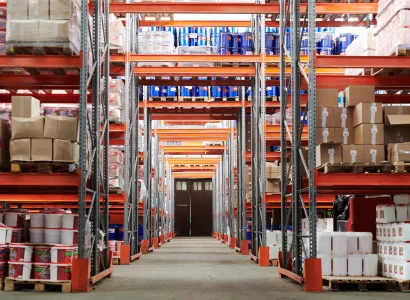
Not every shipment is ideal for cross-docking. Fragile items, high-value goods that require extra care, or shipments without proper packaging may be better suited for traditional warehousing. A good 3PL (like FreightCenter) can help you decide whether cross-docking will actually save you money or create risk in your specific case.
Align Carrier Schedules With Cross-Dock Operating Hours
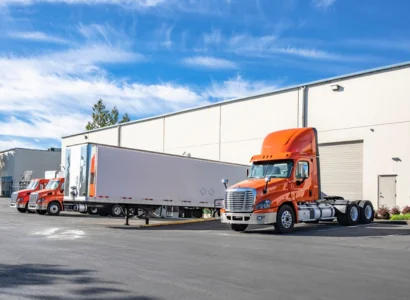
One of the most common mistakes businesses make is failing to sync their carrier pickups and deliveries with the cross-dock's operational window. Ensure your freight partner (such as FreightCenter) coordinates pickup and drop-off times precisely, especially for overnight linehaul or time-critical shipments, so freight isn't sitting idle and incurring unnecessary costs.
Design for Product Compatibility in Shared Trailers
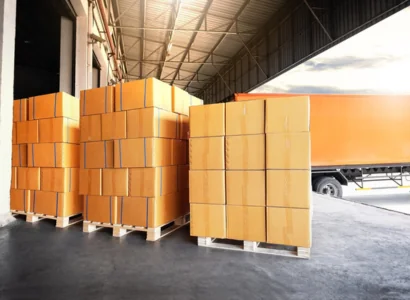
If you're sharing trailer space with other shippers, make sure your products are compatible with theirs. Some goods (like heavy industrial parts) can crush lighter packages, or materials might give off odors or chemicals that damage sensitive goods. FreightCenter helps you avoid these issues by matching your freight with the right carrier and load type.