

Are Your Shipments Ready for Peak Season?
As demand surges during peak season, everyone in logistics can feel it – the mounting pressure to deliver on time, control costs, and maintain satisfaction with customers. What do we mean when we say “Peak Season”? We aren’t talking about the best time to see a mountain range or when it’s safe to take a glance at that table arguing one booth over.
In logistics, peak season typically runs from the end of summer through the end of the year, driven by major holidays, sporting events, and school seasons. These celebrations generate a need/want for consumers to have access to products and services that aren’t in high demand the rest of the year. This results in tighter capacities, higher rates, and potential delays.
In other words, peak season isn’t a scenic hike – it’s more like a steep climb in demand, and there’s no time to be caught like a fish out of water!

Beat The Rush!
To get ahead of peak season, you need a solid game plan. Begin by asking a few core questions:
– When does the shipment need to arrive?
– Does it require special handling?
– Will any additional services be needed?
– Will you need a lift gate?
– Do you need an enclosed trailer? Or will you need a flatbed?
Keep in mind a few other things as well, for instance-
– If there are any delays in your shipment, how will that impact your clients?
– What are the consequences if something goes wrong?
– What backup options (Plan B, C, or even D) are in place if something goes sideways?
– What’s the true worst‑case scenario that could happen during this shipment?
Thinking through questions like these early in your business plan helps you stay prepared when the pressure ramps up. Let’s discuss a few other tools and ways that we can use to stay at the top of the peak and out of the valley!

It’s not quite fortune-telling…
Demand forecasting is the closest thing logistics has to a crystal ball. It helps shippers anticipate demand, plan inventory, and prepare for the rush long before peak season hits. Strong forecasting starts with solid data and reliable methods, but it also depends on understanding what’s happening inside your business and across the market.
Industry success stories show that peak season wins begin with having a proper strategy, data, and performance metrics; this can be done with the use of forecasting tools that can scale more efficiently and stay ahead of demand surges. Peak seasons often bring unpredictable volume swings, making demand volatility one of the biggest challenges for logistics teams. When sales, operations, and logistics collaborate early, forecasting becomes even more accurate and even more useful.
Why does this matter? Demand forecasting is more than looking into the future; it’s also a safety net, helping shippers avoid costly overages or shortages, and handle volatility with confidence in knowing that you are making the best decisions for your business. Additionally, it can help you align your teams to scale up your business without burning out resources.
The Early Shipper Gets the Capacity
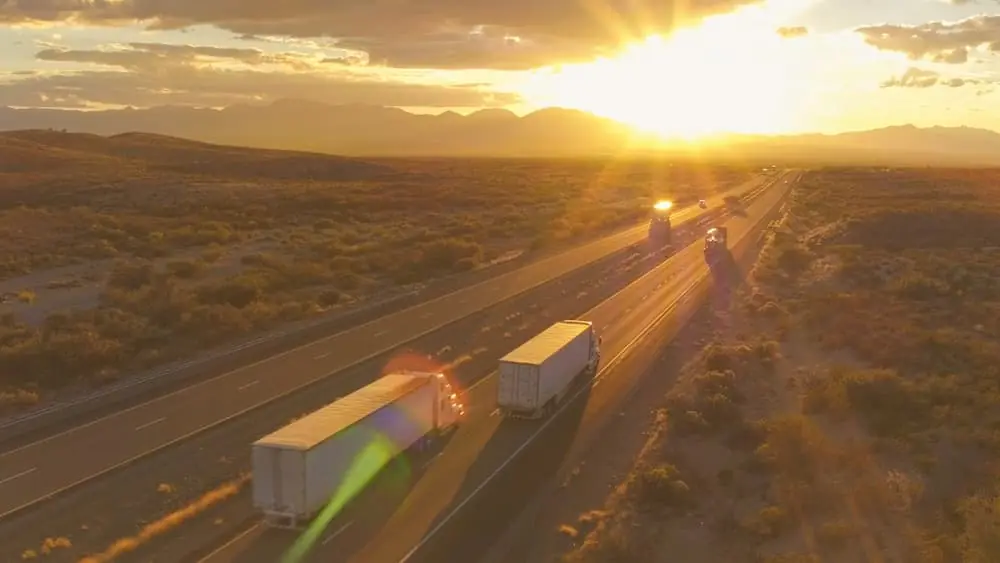
The early bird gets the worm, or in this case capacity. By booking early, you reduce your risk of roll-overs, which can result in lower freight costs and improved transit times. During peak season, capacity will become a hot commodity on a first-come, first-served basis – be prepared and plan. Many carriers recommend planning 1 to 2 months ahead for deliveries during peak season. Contact your broker to ensure the best time frame for you and your carrier.
You might be thinking, “Why does that matter? If my shipment gets rolled over, it’s not the end of the world.” But booking early does far more than just secure a spot on a truck. It opens the door to better routing options, more reliable transit times, a wider selection of carriers, and rates that are almost always more competitive than last-minute bookings.
And even if timing isn’t your biggest concern, consider the extra costs and labor that come with scrambling to move freight at the last minute. Early planning saves stress, money, and manpower, all things that matter a lot during peak season.

Don’t Put All Your Freight in One Basket
Next on our list of prepping for peak season is utilizing route & mode diversification! This is achieved by using multiple suppliers, carriers, and routes to reduce the risk of localized disruptions.
Considering alternative routes, carriers, ports, and modes of transportation can expand the areas carriers serve, reduce shipment disruptions, and decrease risk and cost. Consider using other suppliers during different seasons to avoid weather-related disruptions. Some may, instead of shipping from a cold climate, find that their supplier has a factory or warehouse that is in a warmer climate. Should that not be an option, the area may have a similar supplier that can ship from a warmer climate during the cold months.
The same goes for modes of transportation and ports; if you are shipping across several modes of transportation, you can ship a wider variety of products, but at better transit times. Therefore, you aren’t limiting yourself to certain times of the year or by weather conditions.

Expect the Unexpected (And Prepare for It)
Build in a buffer! It’s essential to create a buffer for time, money, and resources, especially during peak season. Keep in mind that everyone will be pushing for earlier times, lower rates, and last-minute services. Plan for a buffer in your schedule – what if something goes wrong?
– Time: Consider what might happen if unexpected delays occur.
– Money: Be prepared for potential errors, such as incorrect weight measurements or the need to add extra services. Always set aside a small buffer for those “rainy day” situations.
– Inventory: Additionally, when shipping, prepare extra inventory to account for possible shipment losses, such as damage or theft.
A little wiggle room now can save you from having to coordinate logistical chaos later. During peak season, there are so many variables that you can’t predict; giving yourself a buffer gives you control over things you can influence, such as timing, cost, and readiness for “rainy days” to happen.
When it comes to your shipment, this buffer can mean the difference between reacting to problems as they happen and staying ahead of them!
Why It Matters Even If You Think You’re Prepared
Peak season is not just a challenge for carriers. It reshapes the entire supply chain from the moment freight is tendered to the moment a customer sees a price tag.
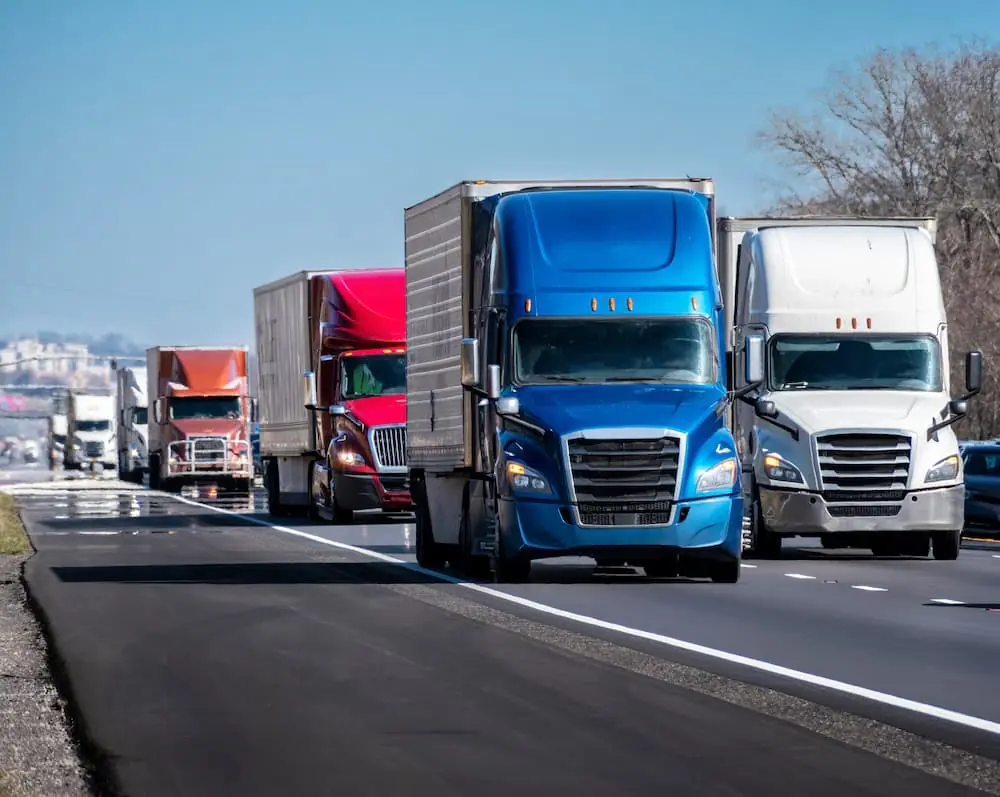
During peak season, tender rejections rise, and capacity tightens. Carriers must choose which shipments they can realistically move, often prioritizing high-volume shippers and higher margin freight. Smaller or infrequent shippers can feel like fish out of water as delivery windows shrink and available options disappear.
Freight rates also climb sharply during this time. Depending on the lane and mode, rates can increase by twenty to fifty percent, and recent years have shown a steady rise that continues beyond the holidays. In the past, shippers and consumers could expect some relief once peak season ended. Now, many carriers offer temporary holiday rate drops only to raise prices again immediately afterward.
What begins as tight capacity, premium rates, and shrinking delivery windows eventually becomes higher everyday prices for consumers. Understanding this chain reaction helps shippers see that peak season pressure does not end when freight is delivered. It influences customer expectations, purchasing behavior, and overall competitiveness long after the season ends.

Conclusion
Peak season does not have to overwhelm your operations. While capacity tightens, rates rise, and timelines compress, early preparation gives shippers a meaningful advantage.
By forecasting demand, securing capacity ahead of the rush, diversifying routes and modes, and building buffers for time, budget, inventory, and labor, you create a supply chain that can withstand seasonal volatility. These steps protect your margins, your timelines, and your customer experience.
Preparation is everything. Whether you are a bird, a fish, or a human, being early always pays off during peak season.