

How to Plan for Shipping Success
Today, the market is fast-paced and customer-driven, making reliable and efficient shipping not just a simple logistical task but a core part of a business strategy. No matter if you’re a small business, running an e-commerce store, managing a warehouse, or scaling a global supply chain, poor shipping can damage a brand, erode customer trust and satisfaction, and hurt your bottom line. However, if you plan for shipping success and do it correctly, it can become a competitive advantage.
There are essential steps when it comes to planning for shipping success – from selecting the right carriers and optimizing packaging to managing costs and exceeding customer expectations. Whether you’re just starting out or looking to refine your existing operations, there are steps to follow in order to create a scalable shipping strategy that supports your growth and keeps customers coming back.
Define Your Shipping Goals
The first step in planning for shipping success is to define what success looks like for your business. Depending on your industry, customer base, and business model, shipping needs can vary greatly. Is keeping shipping costs low your top priority? Or are you aiming for ultra-fast delivery to compete with major retailers? Some businesses have goals of expanding globally and need a strategy that supports international reach. Reliable delivery tracking might be essential for improving transparency and building customer relationships, while other businesses may prioritize high customer satisfaction through hassle-free returns and on-time arrivals. It’s essential to identify your primary shipping goals early on, and they will help to guide you through every decision you make in the shipping process.
Understand Your Products & Packaging
A successful shipping strategy starts with a clear understanding of the products you’re shipping. The weight, nature, and size of your items directly influence packaging choices, carrier options, and shipping costs. For example, heavier products typically incur high shipping fees and may require special handling, while fragile items demand extra protective packaging to minimize the risk of damage during transit. Perishable goods require cold chain logistics in order to maintain product integrity. Additionally, certain products like alcohol, lithium batteries, or other hazardous materials are subject to legal restrictions. By fully understanding the characteristics of the products being shipped, a more efficient, compliant, and cost-effective shipping strategy can be created.

Choose the Right Shipping Methods
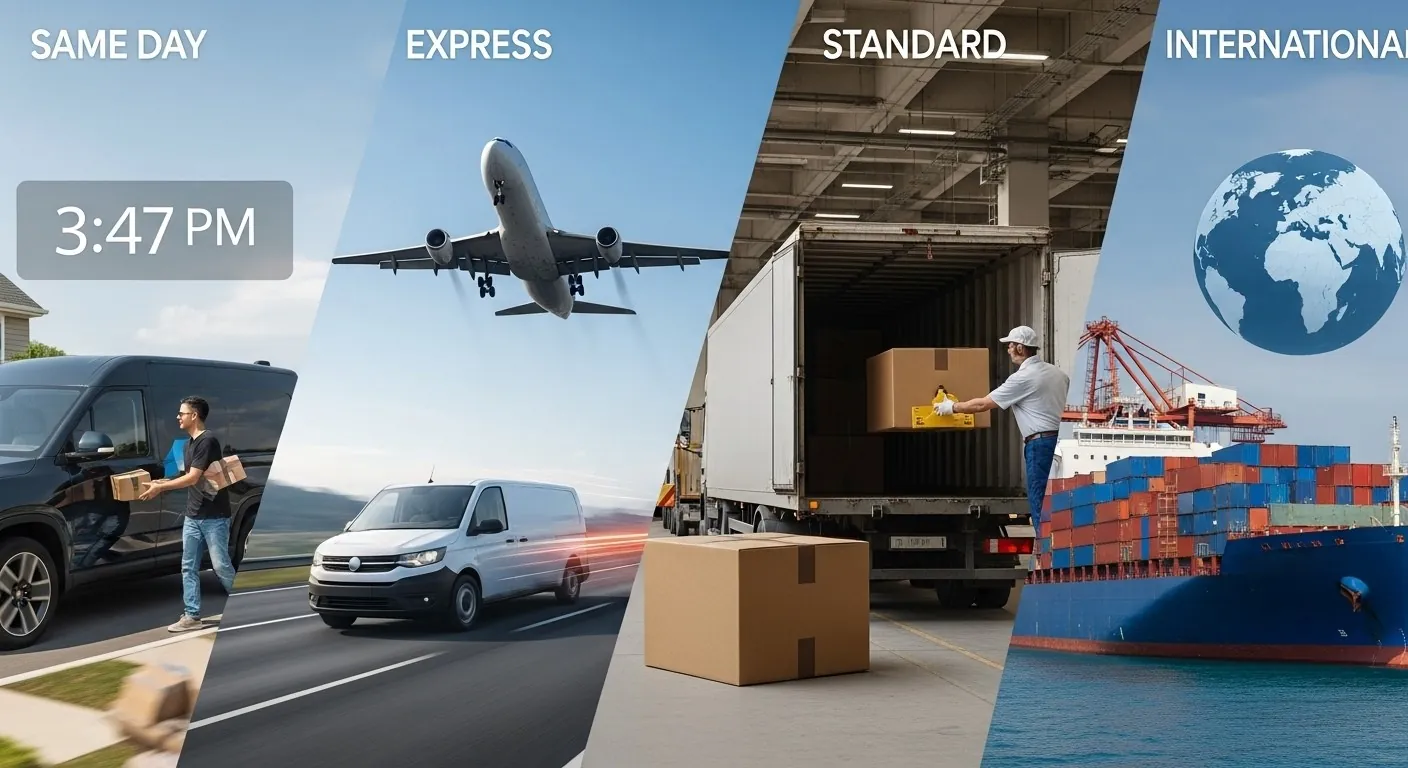
The next guideline is choosing the right shipping methods. Selecting the right shipping methods is essential to meeting customer expectations while keeping costs under control. Start by aligning the type of product being shipped, your options, and how quickly customers expect to receive the product. There are shipping methods such as standard, express, overnight, or even same-day delivery. Choosing the right carrier is the most important aspect – compare reliability, rates, delivery times, and tracking capabilities. If your business is growing or you’re looking to outsource fulfillment, working with a third-party logistics company (3PL) can streamline operations and scale your shipping capabilities without adding internal overhead. Finding the right mix of methods will help guarantee smooth, timely, and cost-efficient delivery.
Automate Where Possible
Today, automation is almost everywhere, and it’s a powerful way to reduce errors, save time, and improve the overall efficiency of your shipping process. By automating tasks like tracking number generation, customer notification, and label printing, you can minimize manual input and ensure that orders move more efficiently through fulfillment. Syncing your inventory and order management systems also helps prevent stock issues and delays, keeping your operations running smoothly. As your order volume grows, automation becomes even more essential for maintaining accuracy and delivering a seamless customer experience.
Having a Backup Plan
Even the most thought-out shipping strategies can run into unexpected issues – carrier delays, weather disruptions, system outages, or lost packages. That’s why it’s crucial to build resilience into your shipping operations no matter how big or small. One of the simplest ways to do so is by establishing relationships with multiple carriers. So if one service experiences a disruption, you can quickly pivot to another service to keep orders moving. It’s also key to plan for common issues like lost or delayed shipments by having clear internal processes and customer communication protocols in place. By preparing for the unexpected, you protect both your business and your brand reputation when things don’t go as planned.