

Cold Chain Logistics
Keep temperature-sensitive freight moving with refrigerated shipping options matched to your product, route, and delivery requirements.
FreightCenter helps you enter your shipment details, compare available refrigerated freight options, book your shipment, or work with a freight expert when you need help choosing a service.
Cold Chain Shipping Resources for Temperature-Sensitive Freight
Refrigerated Freight Services Shipping Frozen Food Shipping Medication for Businesses Produce Transport Season Tips


If you need to ship refrigerated, frozen, or other temperature-sensitive products, start by comparing cold chain logistics options based on the conditions your products require. FreightCenter helps businesses plan current shipments while giving repeat shippers one place to return for future freight quotes, bookings, and shipping support.





Thousands of businesses trust FreightCenter to move their freight faster, smarter, and cheaper! From unbeatable rates to top-notch service, our customers are raving about their shipping success.
See why they keep coming back!
Award-Winning Service, Trusted by Shippers Everywhere!
- 2021, 2017 & 2016 Food Logistics’ Top Green Providers
- 2021 & 2018 Supply & Demand Chain Executives’ Pros to Know: Matthew Brosious
- 2020 & 2019 Top Food Logistics’ 3PL & Cold Storage Provider Award
- 2020 & 2019 Business Observer’s Top 500 Companies on the Gulf Coast
- 2020 & 2017 SmartWay® Transport Partner
- 2020 & 2017 Food Logistics’ Champions: Rock Stars of the Supply Chain
- 2020 Best of Palm Harbor Awards for Local Businesses
- 2017 Green Supply Chain Award from Supply & Demand Chain Executive
- 2017 Tampa Bay Business Journal Heroes at Work
- 2016, 2015, & 2012 Food Logistics Top 100 Software and Technology Providers
- 2013 Tampa Bay Business 100 by Tampa Bay Business Journal
- 2013 Top 100 Great Supply Chain Partners by SupplyChainBrain
- 2012 TIA Samaritan Award Honorable Mention
- 2012, 2011 & 2010 TBBJ Fast 50 Recipient
- 2013, 2011, & 2010 Diversity Business Top Businesses

Why Businesses Use FreightCenter for Cold Chain Logistics
Temperature-controlled freight often requires decisions that don’t come up with a standard dry shipment. FreightCenter helps you work through those decisions before booking by comparing available freight options against your shipment size, temperature requirements, route, timing, and delivery needs.
Benefits:
- Compare refrigerated freight options before booking. Review available cold chain shipping choices using the details of your shipment instead of contacting providers one at a time.
- Get help choosing the right service. FreightCenter shipping experts can review product requirements, equipment needs, timing, and delivery details when the best option isn’t obvious.
- Plan both smaller and larger temperature-controlled shipments. Depending on availability and shipment requirements, cold freight may move through refrigerated LTL or dedicated truckload service.
- Reduce repetitive work on recurring shipments. A FreightCenter account can help you work from saved quotes and keep account information available for future bookings.
- Keep your freight decisions in one place. FreightCenter’s platform supports quoting, comparing, and booking freight while expert help is available for shipments that need additional planning.
Preparing a Cold Chain Shipment
Accurate shipment information helps ensure the right transportation option is considered.
For covered food shipments, temperature control can also be a food-safety requirement. Review the FDA sanitary transportation requirements for guidance on temperature control and other sanitary practices that may apply when food is transported.
Before requesting a quote, gather important details about your freight, including:
- Product type
- Required temperature conditions
- Shipment dimensions
- Total weight
- Number of pallets or packages
- Pickup and delivery locations
- Pickup date and delivery requirements
- Any special handling instructions
Providing these details upfront helps FreightCenter better understand your shipment needs and compare available freight solutions.
Refrigerated Freight Shipping Options
Temperature-controlled freight may require specialized equipment designed to maintain specific conditions during transportation. The best option depends on the product, shipment size, route, and delivery requirements.
Businesses may consider refrigerated freight options for:
- Food distribution shipments
- Frozen products
- Temperature-sensitive materials
- Pharmaceutical-related shipments
- Products requiring controlled transportation conditions
FreightCenter helps customers review available options and choose a service that matches their shipping requirements.
LTL Cold Chain Freight Shipping
Less-than-truckload (LTL) cold chain shipping can be a useful option for smaller temperature-controlled shipments that do not require an entire trailer.
LTL refrigerated freight may be a fit for:
- Smaller palletized shipments
- Regional deliveries
- Partial loads
- Businesses shipping temperature-sensitive products on a recurring schedule
FreightCenter can help compare available freight options based on your shipment details.
Full Truckload Cold Chain Shipping
Full truckload refrigerated shipping may be considered for larger shipments that require dedicated trailer space or a higher level of scheduling control.
Truckload cold chain shipments may be used for:
- Large-volume product shipments
- Distribution center transfers
- Multiple pallets moving together
- Time-sensitive temperature-controlled freight
Understanding shipment size, delivery requirements, and timing helps determine whether truckload service is the right fit.
Industries That Depend on Cold Chain Logistics
Temperature-controlled freight plays an important role across many industries that need reliable transportation for sensitive products.
Examples include:
- Food manufacturers shipping finished products
- Beverage companies distributing products across regions
- Healthcare organizations moving temperature-sensitive supplies
- Research facilities transporting sensitive materials
- Distributors managing refrigerated inventory
Each industry may have different requirements for packaging, handling, and delivery coordination.
Managing Repeat Temperature-Controlled Shipments
Businesses that regularly ship temperature-sensitive products often need a consistent freight process. Managing recurring shipments through one platform can help reduce repetitive booking steps and make future transportation planning easier.
FreightCenter helps repeat shippers:
- Compare freight options for future shipments
- Organize shipping information
- Request quotes through one account
- Work through changing freight needs with expert support
Temperature control is only one part of choosing a freight service. Shipment size, available trailer space, timing, and special handling requirements can point you toward a different transportation setup.
For smaller temperature-controlled shipments that do not require a full trailer, LTL freight can provide a flexible option. FreightCenter helps businesses compare available LTL solutions for products that require careful handling and controlled transportation conditions.
Larger cold chain shipments may require dedicated trailer space and refrigerated equipment. FreightCenter helps businesses review full truckload options for temperature-sensitive products, including larger-volume shipments and scheduled deliveries.
When temperature-sensitive products need to reach their destination within a tighter timeframe, expedited freight options may help meet urgent shipping requirements. FreightCenter can help compare available solutions based on your shipment details and delivery needs.
Some temperature-controlled shipments require additional planning, specialized handling, or unique transportation requirements. FreightCenter helps businesses evaluate specialized freight options for sensitive products, complex shipments, and unique delivery situations.

 Guaranteed competitive pricing every time you ship.

What Affects Cold Chain Logistics Shipping Rates?
Cold chain logistics costs depend on the details of your shipment and the transportation requirements needed to protect temperature-sensitive products. Shipment size, route, equipment needs, and delivery requirements all influence available freight options.
Temperature requirements: Products with specific temperature conditions may require specialized transportation equipment and additional planning to support product requirements during transit.
Shipment dimensions: The size and number of pallets or packages affect available shipping options, trailer space, and handling requirements.
Shipment weight: Total shipment weight helps determine appropriate transportation solutions and available freight options.
Origin and destination: Pickup and delivery locations influence available routes, service options, and shipment planning requirements.
Shipping frequency: Businesses with recurring cold chain shipments may benefit from organizing repeat transportation needs and maintaining consistent shipping processes.
Equipment type: Refrigerated trailers or specialized equipment may be required depending on the product requirements and transportation conditions.
Pickup and delivery requirements: Appointment scheduling, limited access locations, and special handling services can affect how a shipment is planned and delivered.
Packaging method: Proper packaging helps protect temperature-sensitive products and supports the requirements of refrigerated transportation.
Timing requirements: Delivery schedules and urgent shipment needs can influence available service options and transportation planning.
Frequently Asked Questions about Cold Chain Logistics
Q. What is cold chain logistics?
Getting a cold chain logistics quote starts with providing your shipment details. FreightCenter needs information such as product type, shipment size, pickup and delivery locations, and temperature requirements to help compare available freight options.
This is why understanding cold chain logistics is important for first-time shippers. You will need the right equipment to keep your perishable items safe, like reefer trucks and cold storage units. You’ll also need to understand federal and state regulations regarding transporting frozen or refrigerated times.
Q. What information do I need before booking temperature-controlled freight?
You should have your shipment dimensions, weight, number of pallets or packages, product details, temperature requirements, pickup location, delivery location, and requested shipping timeline ready before booking.
Q. Can FreightCenter help me compare cold chain freight options?
Yes. FreightCenter helps businesses compare available freight options for temperature-sensitive shipments and choose a service based on shipment requirements, timing, and delivery needs.
Q. What products require cold chain logistics?
Cold chain logistics is used for products that need controlled temperatures during transportation. Common examples include food products, beverages, pharmaceuticals, medical supplies, and other temperature-sensitive materials.
Q. When should I use refrigerated freight shipping?
Refrigerated freight shipping is a good option when a product must maintain specific temperature conditions during transportation. Businesses often use refrigerated freight for shipments that cannot be moved using standard transportation methods.
Q. Can FreightCenter help with recurring cold chain shipments?
Yes. Businesses with recurring temperature-controlled freight needs can create a FreightCenter account to organize shipping information and simplify future quote requests and bookings.
Q. How are cold chain shipping costs determined?
Cold chain shipping costs depend on factors such as shipment dimensions, weight, temperature requirements, origin, destination, equipment needs, delivery requirements, and timing.
Q. What types of cold chain freight services are available?
Available services may include temperature-controlled LTL freight, refrigerated full truckload shipping, expedited freight options, and specialized transportation solutions based on shipment requirements.
Q. How do I prepare a temperature-sensitive shipment?
Preparing a cold chain shipment includes confirming product requirements, using appropriate packaging, documenting shipment details, and providing accurate weight and dimensions before requesting a quote.
Q. Can I ship temperature-sensitive products with LTL freight?
Yes. LTL cold chain shipping can be an option for smaller palletized shipments that require temperature-controlled transportation.
Q. Does FreightCenter provide help choosing a cold chain shipping service?
Yes. FreightCenter shipping experts can help review your shipment details, compare available options, and answer questions about transportation requirements.
Q. Can I earn FreightCenter Shipping Rewards when booking freight?
Eligible customers can participate in FreightCenter Shipping Rewards. Creating an account can also help businesses manage future freight shipments and access available account features.
3 Things You Probably Didn’t Know About Cold Chain Logistics
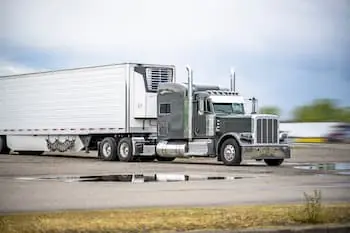
Temperature Requirements Are Only One Part of Cold Chain Planning
Cold chain shipping involves more than maintaining temperature conditions. Shipment details, packaging, equipment, delivery schedules, and handling requirements all influence how a temperature-sensitive shipment should be planned.

Packaging Plays an Important Role in Temperature-Controlled Shipping
Proper packaging helps protect temperature-sensitive products during transportation. Businesses should consider product requirements and packaging methods before requesting a freight quote.

Repeat Cold Chain Shippers Can Benefit From a More Organized Freight Process
Businesses that regularly move temperature-sensitive products can save time by keeping shipment information organized and simplifying future freight requests.