

The Seven Rs of Logistics: The Key to Attaining Efficiency in the Supply Chain
Logistics professionals have consistently sought to establish principles and guidelines to support others in their complex, multifaceted industry. After all, logistics is quite involved and requires a bit of understanding to unpack it all.
There are several different philosophies and approaches to explaining various concepts in logistics and the supply chain, but the one we’ll be focusing on boils down the very purpose of logistics into seven components: the Seven Rs of Logistics.
The Seven Rs of Logistics are as follows:
– The Right Product
– The Right Quantity
– The Right Condition
– The Right Place
– The Right Time
– The Right Customer
– The Right Price
These seven principles form the foundation of freight shipping itself, but they can mean much more than that. Let’s take a deep dive into the Seven Rs of Logistics and discover why they are the key to attaining efficiency in the supply chain.

Getting the Right Product
First and foremost: what product does your customer want? You might be surprised to discover how easy it is to send the wrong product to your customer mistakenly or to customize their order incorrectly. It’s essential to ensure that you provide the correct product based on the order’s specifications, including color, size, brand, and quality.
You will also want to have replacement parts or products ready in case you send an incorrect or faulty product to your customer. Ensure you have a strategy in place for procuring replacements promptly and a robust returns process, allowing your customers to return incorrect or faulty products without any hassle.

Obtaining the Right Quantity
Inventory management is one of the trickier aspects of logistics. On the one hand, you need enough stock to meet demand; on the other hand, you don’t want to buy too much when demand is low, or too little when demand is high. Balancing your inventory levels is a constant battle, but one that is imperative to fulfilling customer orders.
It’s essential to confirm that you have received the correct quantity of products for your order. You don’t want to shortchange anyone or unintentionally send out extra products, especially if your inventory is low. Ensure you maintain sufficient stock to fulfill multiple requests and regularly update your inventory management systems to ensure accuracy and reliability.

Inspecting for the Right Condition
After acquiring the product and the desired quantity for your customer, it’s time to package it for delivery. However, is your product truly ready? Sometimes, manufacturers and distributors prioritize speed over quality, leading to faulty products that can disappoint customers.
Products should be thoroughly inspected and approved for delivery before packaging them. You may also have a straightforward and convenient returns process, allowing customers to receive fully functional products without delay.
Locating the Right Place
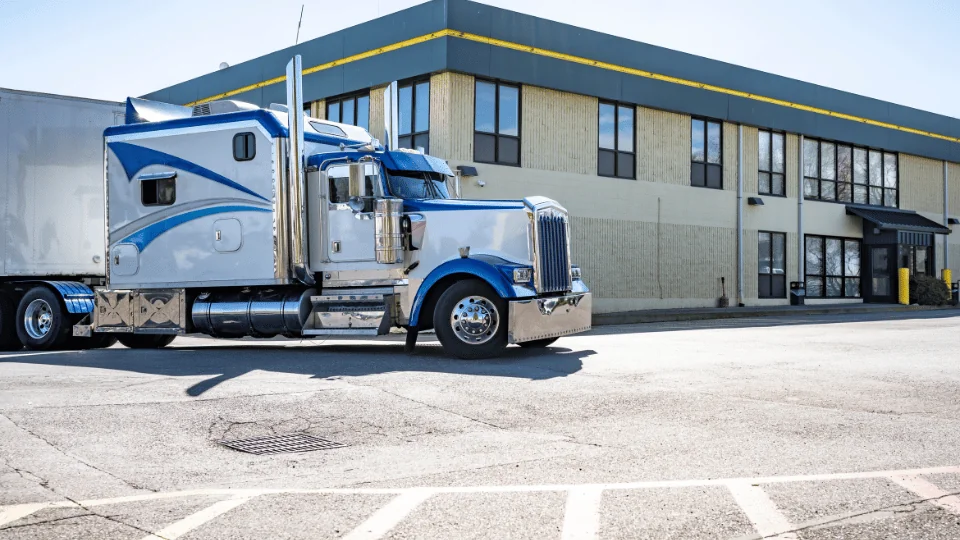
Ensure that you confirm the shipping details with your customer. Check that the addresses for both the pickup and delivery locations are correct. This is also a good opportunity to evaluate the accessibility of the area for the carrier. If there are any challenges due to limited access, you may need to charge your customer a location service fee.
However, it’s not guaranteed that the carrier will get the shipment to the correct location. This is where advanced tracking tools come into play. Using software such as real-time tracking and RFID monitoring, you can track your shipment’s progress and provide customers with visibility into this data.

Delivering and Picking Up at the Right Time
Getting products to your customers on time is crucial for logistics. When a product is delivered late, the risks of dissatisfied customers, lower sales, and returned products increase. Delays should be avoided whenever possible. Set a reasonable timetable for delivery during booking, keep track of the shipment’s movements during delivery, and inform customers of any issues that may arise with timely delivery.
The same goes for pickup times. While drivers can experience delays picking up freight due to various external issues, it’s still troublesome when a driver cancels a pickup for the customer. Always ensure that drivers and carriers communicate with the customer about pickup appointments, either directly or through a third-party logistics provider.

Transporting to and from the Right Customer
We’re all human, and we’re prone to making mistakes. However, errors during the booking process can result in incorrect customer information and delays in delivery. It is essential to verify that all data on your customer’s booking and paperwork is accurate before submitting it for processing. Doing so can save a significant amount of time and money by preventing potential errors.
Also, be vigilant against potential fraudulent accounts. Cargo theft, freight fraud, and scams are more prevalent in the logistics industry than ever. The security and safety of products during transit are crucial for both carriers and customers, so invest in security technologies and advanced tracking tools to protect your customers’ shipments.

Offering the Right Price
The global economy experiences its ups and downs, but regardless of the current market state, maintaining competitive freight prices remains crucial. There are numerous carriers and brokerages available, so to stand out, you must combine quality service with competitive rates. This will also help move inventory out at a consistent pace.
It is essential to closely monitor the global economy, as well as other key factors such as market trends, geopolitical issues, and freight demand volumes. This approach provides a comprehensive understanding of the industry, enabling you to make informed decisions and adjust prices according to current market conditions.
How the Seven Rs of Logistics Achieve Logistical Efficiency
In the fast-paced world of logistics, even minor missteps can have significant consequences, including delayed deliveries, lost trust, wasted resources, and missed opportunities. The Seven Rs of Logistics provide more than just a checklist; they serve as a guiding framework for making smarter, faster, and more customer-focused decisions at every stage of the supply chain.
By consistently applying these principles—ensuring the right product is delivered in the correct quantity and condition, to the right place, at the right time, for the right customer, and at the right price—you are doing more than simply fulfilling an order. You are building a supply chain that is resilient, responsive, and aligned with both your business needs and those of your customers.
Whether you’re looking to avoid costly delays, optimize your shipping strategy, or enhance the customer experience, the Seven Rs can help you achieve your goals. By integrating these principles into your logistics strategy, you will not only move freight more efficiently but also do so more intelligently.
Efficiency does not come from cutting corners; it comes from doing things right, seven times over.
Return to the LinkedIn article here.