Underground Mining Equipment Shipping by Heavy-Haul Pros
Whether you’re transporting a single continuous miner or an entire set of drills and loaders, FreightCenter is here to make your underground mining equipment shipping safe, secure, and affordable.
Related Resources for Underground Mining Equipment
Machinery & Equipment Shipping Shipping Metals and Metal Products Shipping Construction Materials Intermodal Shipping Shipping Surface Mining Equipment


Shipping Underground Mining Equipment
Shipping underground mining equipment isn’t like moving standard freight. These machines are heavy, oversized, and often built for tough terrain—not highway travel. Getting them from a manufacturing plant, auction site, or mine site to their next destination requires careful planning, the right equipment, and experienced logistics coordination.
That’s why we at FreightCenter are here to help! With over 25 years of shipping experience, you can rest assured that your underground mining equipment will be shipped with care and security.





Thousands of businesses trust FreightCenter to move their freight faster, smarter, and cheaper! From unbeatable rates to top-notch service, our customers are raving about their shipping success.
See why they keep coming back!
Award-Winning Service, Trusted by Shippers Everywhere!
- 2021, 2017 & 2016 Food Logistics’ Top Green Providers
- 2021 & 2018 Supply & Demand Chain Executives’ Pros to Know: Matthew Brosious
- 2020 & 2019 Top Food Logistics’ 3PL & Cold Storage Provider Award
- 2020 & 2019 Business Observer’s Top 500 Companies on the Gulf Coast
- 2020 & 2017 SmartWay® Transport Partner
- 2020 & 2017 Food Logistics’ Champions: Rock Stars of the Supply Chain
- 2020 Best of Palm Harbor Awards for Local Businesses
- 2017 Green Supply Chain Award from Supply & Demand Chain Executive
- 2017 Tampa Bay Business Journal Heroes at Work
- 2016, 2015, & 2012 Food Logistics Top 100 Software and Technology Providers
- 2013 Tampa Bay Business 100 by Tampa Bay Business Journal
- 2013 Top 100 Great Supply Chain Partners by SupplyChainBrain
- 2012 TIA Samaritan Award Honorable Mention
- 2012, 2011 & 2010 TBBJ Fast 50 Recipient
- 2013, 2011, & 2010 Diversity Business Top Businesses
How FreightCenter Helps Ship Underground Mining Equipment
We make shipping your underground mining equipment easier by offering:
-
Competitive pricing from 50+ vetted heavy-haul and specialized carriers
-
Specialized trailers and securement solutions for heavy machinery
-
Support with permits, documentation, and insurance coverage
-
Real-time tracking and proactive shipment updates through our TMS
-
Dedicated logistics experts who understand mining equipment
Shipping Your Underground Mining Equipment
Underground mining operations rely on machines that can handle confined spaces, tough rock conditions, and heavy workloads. Some of the most commonly shipped units include:
-
Continuous miners – used to mechanically cut material from mine walls.
-
Roof bolters – for stabilizing mine ceilings with bolts and plates.
-
Load-haul-dump (LHD) vehicles – compact machines designed to carry ore.
-
Drill rigs and jumbo drills – for creating blast holes and exploration shafts.
-
Underground haul trucks – built with low profiles for narrow tunnels.
-
Utility and service vehicles – like personnel carriers or fuel transporters.
-
Scalers and shotcrete machines – for rock removal and tunnel support.
Each type requires a different shipping strategy depending on its size, weight, and structure. Some can travel partially disassembled, while others need specialized trailers or cranes for loading.
How to Prepare Underground Mining Equipment for Transport
Proper preparation is the foundation of a successful shipment. Underground mining equipment is large, valuable, and often complex, so a little extra care before pickup goes a long way in protecting your investment and keeping the process on schedule. Whether you’re moving machinery across a mining region or across the country, these steps help ensure your freight is ready for safe, compliant, and efficient transport.
1. Clean and Inspect the Equipment Thoroughly
Before shipping, clean all dirt, mud, oil, and residue from the machine. A clean surface helps identify any leaks, cracks, or worn parts that could cause problems during transport. It also makes inspections smoother—both for carriers and any regulatory checks en route. Take photos of the equipment before and after cleaning. This documentation helps verify the condition in case of an insurance claim or delivery dispute.
2. Measure and Document Exact Dimensions
Accurate measurements are non-negotiable in heavy haul shipping. Carriers use these numbers to determine trailer type, permit requirements, and routing. Record length, width, height, and total weight, including attachments or loaded accessories. Always measure from the farthest points (like booms or tires) and round up to the nearest inch. Even small miscalculations can trigger re-quotes or permit delays.
3. Disassemble When Possible
Many underground mining machines can be partially disassembled for safer, more efficient shipping. Removing booms, buckets, drill arms, or protective cages can help reduce the overall height and width, often eliminating the need for additional permits or escorts. Label all detached parts clearly and secure them on a pallet or crate. Keep bolts, hoses, and connectors together in sealed bags to streamline reassembly.
4. Secure All Moving and Hydraulic Components
Hydraulic arms, hinges, and attachments should be locked, braced, or tied down. Any component that can shift during transport poses a safety hazard and may cause damage. Use heavy-duty straps or chains rated for industrial loads. For sensitive parts, such as hydraulic lines or fittings, use protective covers to prevent dirt or debris contamination.
5. Drain Fluids and Disconnect Batteries When Required
Depending on the route and carrier, you may need to drain fuel, oil, or coolant before shipment. This is especially important for international or long-distance moves where environmental or customs regulations apply. Disconnecting batteries also prevents electrical shorts during transit. Check your carrier’s requirements and local regulations. Some states prohibit transporting equipment with full fuel tanks due to fire risk.
6. Check Weight Distribution and Balance
Unevenly distributed loads can lead to serious safety issues when loading or hauling. Heavy machinery should be centered and balanced to prevent trailer sway or axle strain. If possible, coordinate with your carrier to perform a dry run or preliminary load check. Carriers with experience in mining equipment shipping will ensure proper load placement and securement.
7. Protect Exposed Components and Fragile Areas
Some parts—like sensors, control panels, or hydraulic cylinders—can be easily damaged by dust, rain, or road debris. Use tarps, shrink wrap, or custom covers to protect exposed components. Avoid using loose tarps that flap in transit. Secure them tightly to prevent wind damage or rubbing against painted surfaces.
8. Verify All Documentation Before Pickup
Ensure all required documents—permits, insurance certificates, load diagrams, and bills of lading—are ready before the carrier arrives. Missing paperwork can delay pickup or result in fines. Keep a copy of the documentation with both the driver and your shipping coordinator. Digital copies are also helpful in case paperwork is lost or damaged.
9. Communicate Site Conditions Clearly
Mine sites and industrial yards can be challenging pickup or drop-off locations. Let your carrier know about access limitations, unpaved roads, or restricted hours ahead of time. Providing this information early helps them plan the right route and bring the proper equipment. Share satellite imagery or site maps when possible. Visuals help carriers anticipate terrain challenges before arrival.
10. Perform a Final Walkaround Before Loading
Before the equipment is lifted or driven onto a trailer, perform a final walkaround with the carrier. Check that all attachments are secure, components are locked, and the machine is balanced correctly. Confirm that all loose tools or debris have been removed. Use a checklist for consistency—especially if you’re coordinating multiple shipments or different types of mining machines.
Due to the size and weight of underground mining equipment, FTL services are often the ones utilized for these kind of shipping jobs.
Used for smaller or partially disassembled equipment. Flatbeds offer open loading and easy access for cranes or forklifts.
Ideal for taller or heavier machines that exceed standard height limits. The lower deck height provides extra clearance under bridges and tunnels.
A top choice for oversized loads. The removable front allows equipment to be driven or rolled onto the trailer, eliminating the need for heavy lifting.
For exceptionally large or dense machinery, heavy-haul carriers use multi-axle trailers designed for high weight capacities. These require additional permits and escorts but ensure stability and safety on the road.
 Guaranteed competitive pricing every time you ship.
FreightCenter is Here For Your Underground Mining Equipment Needs!
Underground mining equipment shipping requires precision, patience, and planning. These are not everyday shipments—they’re specialized moves that demand coordination between carriers, site teams, and logistics experts who understand the weight, scale, and value involved. Whether it’s a single continuous miner or an entire fleet of loaders, every successful move starts with knowledge—and a plan built around your freight’s unique needs. That’s where FreightCenter comes in! With over 25 years of experience, we work to ensure that your equipment is shipped safely, securely, and efficiently! By preparing properly, FreightCenter gets you the right carrier for your shipment, while you can focus on what’s essential for your business!
Let’s make sure your underground mining equipment gets the treatment it deserves. Get your shipping quote today or call us at (800) 716-7608.
FAQ: Underground Mining Equipment Shipping

Q. How much does it cost to ship underground mining equipment?
Costs vary widely depending on distance, weight, dimensions, and required permits. Smaller loads might cost a few thousand dollars, while large hauls can exceed tens of thousands. Working with a freight broker can help you compare carriers and find the most cost-effective, compliant solution.
Q. What kind of trailer is best for mining equipment?
Underground mining machinery often requires specialized equipment for transport. The most common options include removable gooseneck (RGN) trailers, which allow machinery to be driven or rolled directly onto the deck; step-deck or double-drop trailers for tall loads; and multi-axle heavy-haul trailers for the heaviest pieces. Each trailer type supports different height, weight, and access requirements.
Q. Do I need a special permit to ship underground mining machinery?
Yes, oversize or overweight permits are almost always required, and regulations differ by state. A licensed heavy-haul carrier or broker can handle the paperwork for you, but it’s important to confirm that every required permit is in place before pickup to prevent fines or delays.
Q. How should I prepare my equipment before pickup?
Preparation includes cleaning the machine, recording measurements, draining fluids if required, and securing moving parts like booms and buckets. Detachable pieces should be removed and shipped separately when possible. Detailed preparation not only prevents damage but also speeds up inspections and loading at pickup.
Q. Can mining equipment be shipped internationally?
Yes, but international transport requires additional logistics steps. Large equipment is typically moved by truck to a port and then shipped via roll-on/roll-off (Ro-Ro) vessels or breakbulk carriers. Customs paperwork, import/export licenses, and insurance coverage must all be arranged beforehand. FreightCenter can assist with handling these complexities on your behalf.
Q. What are the biggest challenges in transporting mining machinery?
Oversize dimensions, heavy weight, remote pickup locations, and route restrictions are the main challenges. Weather and terrain also play a role—mine sites are often far from paved highways. The complexity of loading, securing, and coordinating permits means every shipment must be carefully planned and executed by experienced professionals.
Q. How long does it take to ship underground mining machinery?
Transit times depend on distance, permits, and route restrictions. Domestic hauls may take a few days to a week, while international shipments can take several weeks. Planning ahead and accounting for permit lead times is essential when coordinating deliveries tied to active mine operations.
Q. How are heavy mining machines loaded onto trailers?
Loading depends on the equipment type and trailer used. Cranes or forklifts are used for non-drivable units. The carrier’s crew then secures the equipment using heavy-duty chains, straps, and blocking methods designed to prevent even the slightest movement.
Q. Can underground mining equipment be transported partially disassembled?
Yes, and it often should be. Removing arms, booms, or buckets makes the load easier to permit and safer to handle. Disassembly also lowers the equipment’s center of gravity, improving stability during transit.
Q. What happens if equipment gets damaged in transit?
Document the damage immediately with photos and notify your carrier or broker. If you purchased additional insurance, a claim can be filed for repair or replacement costs.
Q. What happens if my shipment is delayed or rerouted?
Delays can occur due to weather, permit issues, or route closures. In those cases, experienced carriers communicate updates and reroute the shipment if necessary. FreightCenter offers real-time tracking through our Transportation Management System (TMS) to help keep you informed at every stage of the move.
Q. What documents are required for underground mining equipment shipping?
Key documents include the bill of lading, oversize permits, insurance certificates, route surveys, and any export documentation for international moves. Some states also require proof of inspection or environmental compliance, particularly if the equipment has been used underground.
Q. Are there environmental regulations involved in shipping used mining equipment?
Yes, used equipment may need to be cleaned to remove contaminants such as oil, fuel residue, or dust before shipment, especially for international transport. Some countries require certification that machinery is free of hazardous materials to prevent cross-border contamination or biosecurity risks.
Q. What role does FreightCenter play in underground mining equipment shipping?
FreightCenter acts as the central coordinator between shippers, carriers, and permitting agencies. They arrange trailers, manage documentation, handle insurance details, and oversee the shipment from start to finish. For specialized freight like mining machinery, our network and experience assist in avoiding costly mistakes.
Q. Can I get help choosing the right trailer?
Absolutely! Call us at (800) 716-7608 or use our quote tool—we’ll guide you through it every step of the way.
3 Tips For Better Underground Mining Equipment Shipping
Plan Early and Confirm Every Detail
Don’t wait until the last minute to arrange transport. Oversize loads require route surveys, permit approvals, and sometimes even police or pilot escorts—all of which take time to process. Starting early gives you room to resolve surprises like bridge restrictions or last-minute weather changes. Double-check everything: equipment dimensions, pickup dates, and delivery windows. A few extra days of planning often prevents weeks of delay.

Don’t Ship Without Insurance—Ever
Carriers typically cover only $0.10–$0.50 per pound. That won’t even come close to replacing your drills or continuous miners. With our 3rd-party insurance options, you'll get the full value of your cargo and ensure peace of mind for your shipment.
Prepare the Equipment Like It’s Going Into Service Again
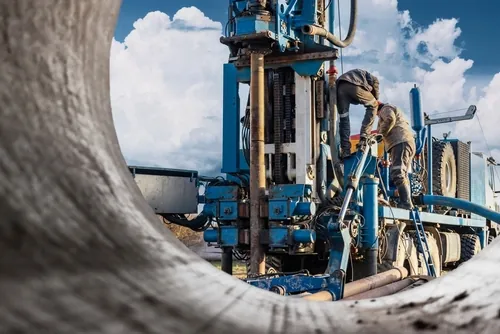
Thorough preparation prevents nearly every problem you’ll encounter later. Clean the machinery, secure or remove attachments, drain fluids if required, and clearly label disassembled parts. Equipment that’s ready to load not only saves time on pickup day but also minimizes handling damage and keeps inspectors satisfied. Well-prepared freight always moves faster through every stage of the process.