

Truckload Shipping Seasons
Every Season, On Schedule.
From peak demand surges to the slower pace of off-peak months, FreightCenter navigates truckload shipping seasons with precision. Our experts match your freight with the right carriers year-round—keeping your supply chain moving smoothly, no matter the season.



Navigate Truckload Shipping Seasons with Confidence
Truckload shipping isn’t the same year-round, and understanding those shifts can make all the difference. At FreightCenter, we help businesses plan around seasonal demand, limited capacity, and rate changes so they can keep freight moving without disruptions.
From peak shipping surges to quieter months, our team is here to help you secure the right carriers, avoid delays, and take advantage of seasonal opportunities. Whether you ship year-round or seasonally, our tailored solutions give you the flexibility and reliability your supply chain depends on.





Thousands of businesses trust FreightCenter to move their freight faster, smarter, and cheaper! From unbeatable rates to top-notch service, our customers are raving about their shipping success.
See why they keep coming back!
Award-Winning Service, Trusted by Shippers Everywhere!
- 2021, 2017 & 2016 Food Logistics’ Top Green Providers
- 2021 & 2018 Supply & Demand Chain Executives’ Pros to Know: Matthew Brosious
- 2020 & 2019 Top Food Logistics’ 3PL & Cold Storage Provider Award
- 2020 & 2019 Business Observer’s Top 500 Companies on the Gulf Coast
- 2020 & 2017 SmartWay® Transport Partner
- 2020 & 2017 Food Logistics’ Champions: Rock Stars of the Supply Chain
- 2020 Best of Palm Harbor Awards for Local Businesses
- 2017 Green Supply Chain Award from Supply & Demand Chain Executive
- 2017 Tampa Bay Business Journal Heroes at Work
- 2016, 2015, & 2012 Food Logistics Top 100 Software and Technology Providers
- 2013 Tampa Bay Business 100 by Tampa Bay Business Journal
- 2013 Top 100 Great Supply Chain Partners by SupplyChainBrain
- 2012 TIA Samaritan Award Honorable Mention
- 2012, 2011 & 2010 TBBJ Fast 50 Recipient
- 2013, 2011, & 2010 Diversity Business Top Businesses

Why Holiday Shipping Matters
Customer satisfaction is the heart of successful holiday business. On-time delivery becomes critical during this busy season when gifts and last-minute purchases must arrive exactly when expected. When shipping works smoothly, customers remain happy and stress-free, which builds loyalty to your brand. FreightCenter helps businesses achieve this reliability by managing shipments efficiently during the peak holiday rush. At the same time, reliable shipping supports all your holiday sales events and promotions, helping increase revenue during this important business season.
The holiday rush tests every part of your supply chain. When suppliers, manufacturers and carriers work together efficiently, you avoid costly delays that can damage your company’s reputation. This coordination becomes even more important for international shipping, where meeting customs requirements and partnering with experienced cross-border carriers determines your success in the global marketplace.
What to Expect During Truckload Shipping Seasons
Just like retail or agriculture, the freight industry moves in cycles, and truckload shipping is no exception. Throughout the year, shifts in demand and capacity can impact shipping rates, carrier availability, and delivery timelines. Understanding these seasonal trends enables shippers to plan more effectively and avoid surprises.
Here’s a breakdown of what each primary season brings, and what to keep in mind when booking freight.
Slower Season (January – March) – Plan Ahead, Stay Ahead
The new year brings a slowdown in freight volume, but that doesn’t mean it’s time to hit the pause button. This season is a valuable opportunity to reassess your shipping strategy, review last year’s performance, and prepare for busier months ahead.
With less competition for capacity, it’s also a great time to secure equipment, lock in better rates, and strengthen carrier relationships. FreightCenter makes it easy to plan smarter, even when business feels quieter.
Increased Volume Season (April – July)
Spring marks the start of the truckload shipping surge. As businesses resume operations and supply chains ramp up, shipping volume rises across the country. This is also the start of the produce season, which brings additional strain on available trucks, especially those with temperature control.
Shippers moving perishable items or temperature-sensitive freight may face capacity challenges and rising rates during this time. Planning ahead and booking early is crucial for securing equipment, especially reefers and other specialized trailers.
What to keep in mind:
-
Demand increases for both standard and refrigerated trucks
-
Equipment availability may shrink as the produce season intensifies
Peak Shipping Season (August – October)
This is the busiest time of the year for truckload freight. As back-to-school transitions into early holiday prep, retailers and e-commerce companies accelerate inventory movement. Shipment volumes increase, and so does competition for available trucks.
Many businesses begin preparing for Q4 sales, leading to a surge in LTL and FTL bookings. With carrier networks stretched thin, it’s common to see rate increases and limited scheduling flexibility.
Key considerations:
-
Volume spikes across industries
-
Capacity tightens quickly—book in advance to avoid delays
Holiday Shipping Season (November – December)
The final stretch of the year brings the highest freight volumes and the tightest market conditions. Black Friday, Cyber Monday, and extended holiday sales push demand to its peak. Retailers move heavier, bulkier shipments to restock warehouses and meet consumer expectations.
By mid-December, volume begins to taper off; however, delays and rate hikes are common until then, due to capacity shortages. High-value shipments and time-sensitive freight should be prioritized and insured accordingly.
During this season:
-
Expect limited availability and higher shipping costs
-
Plan around promotional sales and consumer spikes
We know that truckload shipping isn't one-size-fits-all, especially when the seasons change and capacity shifts. That's why we don't just move freight. We craft shipping solutions that flex with your needs. Whether you're gearing up for peak season or trying to save during a quieter stretch, our team works with you to deliver smart, timely results. From simple shipments to complex logistics challenges, we bring expertise, clarity, and real strategy to the table.
Less-than-truckload (LTL) shipping lets you share space (and cost) with other shippers on the same route. It's a great fit for off-peak seasons or smaller loads that don't require a full trailer. We'll help you compare options and find the best rate without sacrificing service or reliability.
When your freight fills a trailer, or you need the speed and security of a dedicated shipment, Full Truckload (FTL) is your go-to option. It's ideal for large orders, restocks, and busy shipping periods, such as during produce or retail seasons. We'll match you with trusted carriers and offer competitive rates for dry vans, flatbeds, and refrigerated trucks tailored to your exact load and timing.
Running behind during peak season? No problem. Our Expedited Freight Services are built for time-sensitive moves. We work with a network of reliable carriers who specialize in fast turnarounds, whether it's a partial load or an urgent full truck.
Some shipments don't just need to be moved. They require special attention and care. From temperature-sensitive freight during summer to oversized loads that spike in the spring construction season, our Specialized Freight Services are ready for the challenge. We coordinate permits, equipment, and secure handling so you don't have to.

 Guaranteed competitive pricing every time you ship.

Building Business Success Through Reliable Shipping
A company’s reputation can be damaged quickly by shipping delays, especially during the urgency of holiday shopping. When customers can depend on your delivery promises, they develop trust in your brand and are more likely to return for future purchases. This reliability also protects your online reputation, which is crucial in today’s review-driven marketplace.
The holiday season presents major opportunities for increasing sales. Dependable shipping systems support all your special promotions and discount events, allowing you to maximize revenue when it matters most. With e-commerce expanding globally, businesses that master the complexities of international shipping gain access to customers worldwide, creating even greater potential for holiday season success. FreightCenter provides the expertise needed to navigate these shipping challenges, ensuring your products reach customers on time no matter where they’re located.
Frequently Asked Questions About Truckload Shipping Seasons
Q. What are truckload shipping seasons?
Technological advancements are introducing innovations like drone delivery, autonomous vehicles, and predictive analytics. These technologies have the potential to enhance year-round shipping efficiency, blurring the boundaries between traditional busy and slow seasons.
Q. When is the peak season for truckload shipping?
Truckload shipping seasons refer to the times of year when shipping demand, rates, and carrier availability fluctuate due to seasonal patterns in freight movement.
Q. What happens during the slower truckload season?
From January to March, shipping volumes tend to drop after the holidays. It’s often a time for businesses to plan ahead and secure better rates due to lower demand.
Q. How do shipping seasons affect freight rates?
Rates generally increase during high-demand seasons due to limited capacity and surge pricing, while rates drop during slower months when more equipment is available.
Q. What is produce season in truckload shipping?
Produce season runs from April through July, when fresh fruits and vegetables are harvested and shipped. It increases demand for temperature-controlled (reefer) trucks.
Q. How should I plan for seasonal shipping changes?
Plan ahead by booking early, securing capacity in advance, and working with a logistics partner who understands seasonal freight trends.
Q. Does weather impact truckload shipping seasons?
Yes, weather can significantly impact truckload shipping seasons by affecting road conditions, transit times, and overall carrier capacity, especially during winter storms or hurricanes. At FreightCenter, we help shippers plan around weather-related disruptions by monitoring conditions, building in transit buffers, and securing reliable carrier options to keep freight moving as smoothly as possible.
Q. How does e-commerce influence truckload seasons?
E-commerce has made shipping more consistent throughout the year, but demand still spikes around major retail events like Black Friday and Cyber Monday.
Q. What industries are most affected by truckload shipping seasons?
Retail, agriculture, manufacturing, and food and beverage are especially impacted due to seasonal spikes in demand or product availability.
Q. Can I get lower shipping rates during off-peak seasons?
Yes. When demand is lower, carriers are more likely to offer competitive pricing and flexible scheduling.
Q. How do I secure capacity during busy shipping seasons?
Book shipments early, consider flexible pickup windows, and partner with a 3PL like FreightCenter that has strong carrier relationships.
Q. What type of truckload freight is hardest to move in peak season?
Perishable goods, oversized freight, and specialized shipments (like high-value items or hazmat) often face the most challenges due to limited equipment.
Q. How far in advance should I book during peak shipping season?
Ideally, book 2–3 weeks ahead during peak times to ensure availability and avoid rush fees or delays.
Q. Are holiday seasons considered part of peak truckload shipping?
Yes. November and December bring a holiday shipping surge tied to consumer shopping and retail restocking, pushing capacity to its limit.
Q. Why do shipping seasons matter for supply chain planning?
They help businesses forecast costs, avoid disruptions, and maintain steady inventory flow by aligning logistics with seasonal demand cycles.

Spring demand sneaks up fast
Capacity tightens quickly once produce season starts in April, catching unprepared shippers off guard.

Holiday freight battles are real
November is one of the toughest months to secure a truck, with retailers often locking in capacity early.
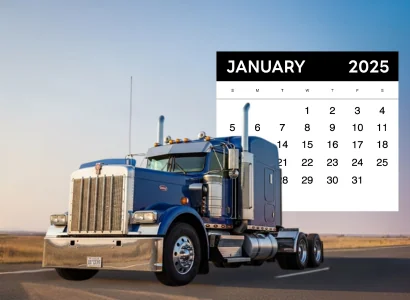
January is your planning window
Shippers who plan and book during the slower season can avoid inflated peak rates later in the year.