

Innovations in Cold Chain Logistics Transport
Innovations in Cold Chain Logistics Transport utilize modern advancements in managing temperature-sensitive goods, showcasing how these breakthroughs are transforming the industry, safeguarding product quality and security.
More on Cold-Chain Logistics
COVID Vaccine Shipping and the Cold Chain


Defining Cold-Chain Logistics on a Global Scale:
Cold-Chain Logistics, often referred to simply as the cold chain, represents a meticulously designed and controlled process that ensures the integrity and safety of temperature-sensitive products, spanning across industries like food, pharmaceuticals, and more. Its importance extends far beyond specific sectors, making it a critical aspect of modern commerce worldwide. This article explores the multifaceted world of cold chain logistics transport and cold chain 3PL and their significance on a global scale.
The Crucial Role of Temperature Control:
One of the core principles of cold-chain logistics is maintaining precise temperature control throughout the supply chain. This meticulous control isn’t just a matter of product quality; it’s a matter of public health, industry sustainability, and economic stability. Understanding the importance of temperature control is key to comprehending the need for cold chain logistics across the board.
Navigating the Topics Ahead:
To facilitate a comprehensive understanding, this article is structured to delve into the various facets of cold-chain logistics, cold chain logistics transport, and cold chain 3PL. The subsequent sections will provide insights into the definition and historical context of the cold chain, key stakeholders involved in the process, products that rely on temperature-sensitive transport, regulatory requirements governing the industry, the technology and innovations reshaping the field, challenges faced by stakeholders, and the future trends that promise to reshape the landscape of cold-chain logistics. With this roadmap, readers will gain a well-rounded perspective on this critical and dynamic aspect of modern supply chains.





Thousands of businesses trust FreightCenter to move their freight faster, smarter, and cheaper! From unbeatable rates to top-notch service, our customers are raving about their shipping success.
See why they keep coming back!
Award-Winning Service, Trusted by Shippers Everywhere!
- 2021, 2017 & 2016 Food Logistics’ Top Green Providers
- 2021 & 2018 Supply & Demand Chain Executives’ Pros to Know: Matthew Brosious
- 2020 & 2019 Top Food Logistics’ 3PL & Cold Storage Provider Award
- 2020 & 2019 Business Observer’s Top 500 Companies on the Gulf Coast
- 2020 & 2017 SmartWay® Transport Partner
- 2020 & 2017 Food Logistics’ Champions: Rock Stars of the Supply Chain
- 2020 Best of Palm Harbor Awards for Local Businesses
- 2017 Green Supply Chain Award from Supply & Demand Chain Executive
- 2017 Tampa Bay Business Journal Heroes at Work
- 2016, 2015, & 2012 Food Logistics Top 100 Software and Technology Providers
- 2013 Tampa Bay Business 100 by Tampa Bay Business Journal
- 2013 Top 100 Great Supply Chain Partners by SupplyChainBrain
- 2012 TIA Samaritan Award Honorable Mention
- 2012, 2011 & 2010 TBBJ Fast 50 Recipient
- 2013, 2011, & 2010 Diversity Business Top Businesses
Technology & Innovation in Cold-Chain
- IoT’s Real-Time Monitoring: Internet of Things (IoT) technologies have ushered in real-time monitoring capabilities. Sensors are strategically deployed across the cold chain, providing continuous data on temperature, humidity, and other crucial environmental conditions. This data enables immediate responses to deviations, preventing potential product spoilage and damage.
- Predictive Maintenance: Data analytics are employed to predict equipment failures before they occur. Predictive maintenance strategies minimize downtime, ensuring a seamless flow of temperature-sensitive products within the cold chain.
- Immutable Ledger: Blockchain technology creates an immutable ledger that tracks the journey of products from their origin to their final destination. This transparency fosters accountability and allows stakeholders to rapidly address issues within the cold chain.
- Fraud and Counterfeit Prevention: Blockchain significantly reduces the risk of fraud and counterfeiting by continuously verifying the authenticity of products at every stage of the journey. It ensures the integrity and authenticity of temperature-sensitive goods, bolstering trust in the supply chain.
- Autonomous Vehicles: Autonomous vehicles equipped with advanced temperature control systems are transforming the transportation aspect of cold-chain logistics. These vehicles minimize human error, maintain precise temperature conditions, and optimize routes for efficiency.
- Robotic Order Picking: Robotic order picking systems are revolutionizing the distribution process. These robots navigate storage facilities with precision, rapidly and accurately selecting temperature-sensitive products for shipment. The integration of automation and robotics enhances efficiency, precision, and customer satisfaction throughout the cold chain.
The Fundamentals of Cold-Chain Logistics
Understanding the Cold Chain: The cold chain refers to the uninterrupted series of activities that ensure the safe and temperature-controlled transport of temperature-sensitive products. This chain comprises several vital components, including cold chain logistics, transport, and cold chain 3PL, which work in unison to maintain product quality and safety throughout the journey.
-
- Definition and Components: At its core, the cold chain is a process that encompasses the storage, transport, and distribution of products within a temperature-controlled environment. This involves refrigeration, freezing, and other technologies to maintain the desired temperature range. The primary components of the cold chain include temperature-controlled storage facilities, refrigerated transport, and monitoring systems to track and manage temperature conditions. These components work together to preserve the integrity of temperature-sensitive products.
- Historical Context: The concept of the cold chain has evolved significantly over time. In its early days, ice and salt were used to keep products cool during transport, but today’s cold chain logistics are far more advanced. The evolution has been driven by technological innovations, increased demand for cold chain 3PL services, and a growing awareness of the importance of maintaining temperature control. Understanding the historical context provides insights into the challenges and solutions that have shaped the industry.
Key Stakeholders: Successful implementation of the cold chain relies on the collaboration and coordination of various stakeholders who play crucial roles in preserving product quality and safety.
-
- Producers and Manufacturers: These entities are responsible for producing temperature-sensitive products, ensuring they are appropriately packaged and labeled for cold-chain requirements. They are also involved in quality control and compliance with regulatory standards.
- Transportation Companies: Cold chain logistics transport providers are essential for moving products from production facilities to distribution centers, retailers, and end consumers. These companies employ specialized vehicles and equipment designed to maintain the required temperature during transport, making them integral to the cold chain.
- Storage Facilities: Storage facilities, including warehouses and distribution centers, must provide climate-controlled environments to maintain the integrity of temperature-sensitive products. The proper infrastructure, refrigeration, and inventory management are critical components of these facilities.
- Retailers and Consumers: Retailers, including grocery stores and pharmacies, are the final link in the cold chain. They must adhere to specific storage and handling protocols to ensure that products remain at the correct temperature until they reach consumers. End consumers play a role by following storage instructions and understanding the importance of product quality.
Products Requiring Cold-Chain Logistics: A wide range of products necessitates the use of cold-chain logistics to maintain their safety and effectiveness.
-
- Food and Beverages: Perishable food items, including fresh produce, dairy, and frozen goods, as well as beverages such as milk and juice, require cold-chain logistics to prevent spoilage and maintain freshness. This is essential for both food safety and quality.
- Pharmaceuticals and Vaccines: Pharmaceuticals, vaccines, and biologics are highly sensitive to temperature variations. Proper temperature control during storage and transport is critical to ensure their efficacy and safety for patients.
- Chemicals and Biotechnology Products: Various chemicals, including certain laboratory reagents and biotechnology products, are subject to temperature-specific storage and handling requirements to maintain their stability and effectiveness. Failure to comply with these conditions can lead to product degradation or even hazards.
Regulatory Requirements: Compliance with stringent regulations is a cornerstone of cold-chain logistics and an imperative aspect of ensuring product quality and safety.
-
- Food Safety Regulations: The food industry is subject to comprehensive food safety regulations that mandate proper temperature control, storage, handling, and labeling of temperature-sensitive food products. Adherence to these regulations is crucial to prevent foodborne illnesses and maintain consumer trust.
- Pharmaceutical Quality Standards: The pharmaceutical industry is governed by strict quality standards, including Good Manufacturing Practices (GMP) and Good Distribution Practices (GDP). These standards require the maintenance of precise temperature conditions throughout the supply chain to guarantee the efficacy and safety of pharmaceuticals.
- Environmental Considerations: In addition to product safety, environmental considerations, such as reducing energy consumption and minimizing greenhouse gas emissions, have become increasingly relevant in cold-chain logistics. Sustainable practices are not only cost-effective but also reduce the carbon footprint associated with temperature-controlled transport and storage.
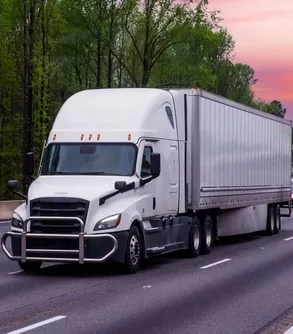
The stars of cold-chain logistics lie in the functionality of the trucks and vans used to transport the products that require the specialized containers which are temperature controlled.
Standard box trucks with integrated refrigeration units for short- to medium-distance transportation of perishable goods.
Large, detachable refrigerated units that can be attached to a tractor unit for long-haul transportation, suitable for a wide range of temperature-sensitive products.
Smaller vehicles ideal for urban deliveries, transporting items like pharmaceuticals, fresh flowers, or catering supplies within a controlled temperature environment.
Specifically designed for the dairy industry, milk trucks have specialized tanks to transport raw milk from farms to processing facilities while maintaining a cool temperature. These trucks are easily recognizable, and you can readily find photos of them in use.
 Guaranteed competitive pricing every time you ship.
Why Choose FreightCenter for Cold Chain Logistics?
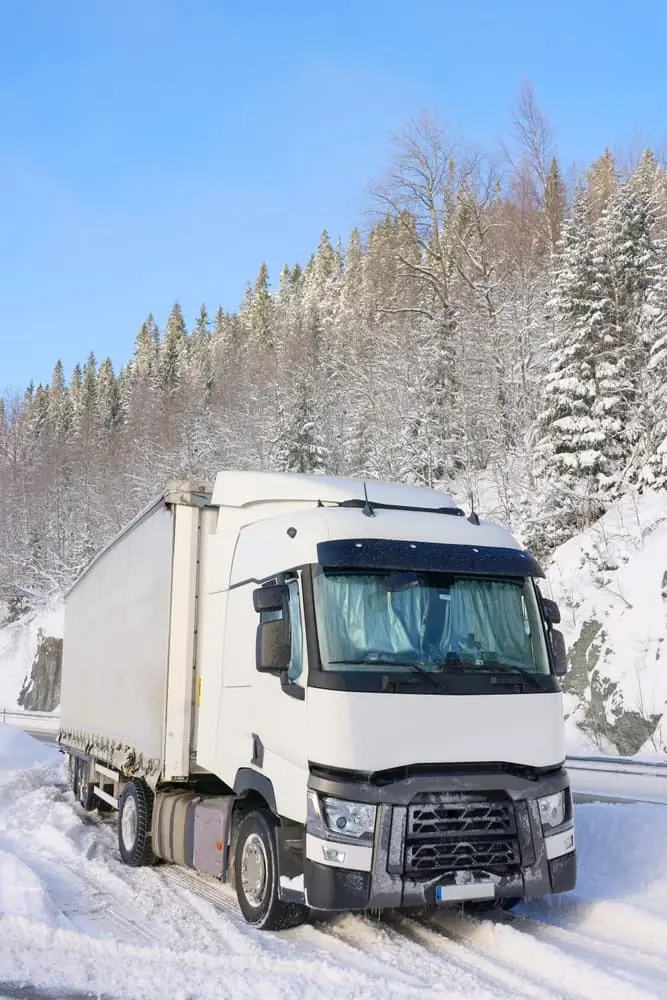
- Expertise in Winter Shipping Commodities: FreightCenter boasts extensive experience and proficiency in handling winter shipments. We grasp the unique requirements and challenges of shipping delicate and valuable cargo, ensuring proper packaging, handling, and transportation.
- Wide Range of Transportation Options: FreightCenter offers a diverse array of transportation options tailored to your specific cargo shipping needs. Whether you require trucking, rail, sea, or air freight, we can provide flexible solutions that accommodate the size, volume, and urgency of your winter shipments.
- Compliance with Safety and Regulatory Standards: FreightCenter excels in navigating transportation regulations and adhering to safety standards. We ensure that your winter shipments comply with relevant regulations, including proper labeling, documentation, and adherence to any specific requirements.
- Insurance Coverage: Recognizing the value of your shipments, we offer comprehensive shipment protection options to provide peace of mind. Insurance coverage helps mitigate risks associated with loss, damage, or unforeseen circumstances during transit.
- Tracking and Communication: FreightCenter employs advanced tracking technologies that grant high visibility into the status of your commodities. This enables you to easily monitor the progress of your shipment and receive proactive updates regarding potential delays or issues.
FAQ: Cold Chain Logistics

Q. What is the cold chain, and why is it important?
The cold chain refers to a continuous, temperature-controlled supply chain used to transport and store temperature-sensitive products, such as food, pharmaceuticals, and vaccines. It is vital because it ensures the integrity, safety, and quality of these products by maintaining the required temperature from production to consumption.
Q. What are the common challenges in cold chain logistics?
Cold chain logistics faces various challenges, including temperature fluctuations during transportation, adverse weather conditions, technical failures in refrigeration systems, and regulatory compliance. These challenges can impact the quality and safety of temperature-sensitive products.
Q. How is temperature control maintained in the cold chain?
Temperature control in the cold chain is achieved through specialized equipment, such as refrigerated trucks and warehouses, insulated packaging, and temperature-monitoring devices. These technologies work together to maintain the desired temperature range throughout the product’s journey.
Q. What industries rely on cold chain logistics?
Cold chain logistics is essential for various industries, including food and beverage, pharmaceuticals, healthcare, biotechnology, and agriculture. It is particularly crucial for the safe transport of perishable goods, vaccines, and medications that require specific temperature conditions to maintain their quality and effectiveness.
Q. What temperature ranges does cold chain logistics cover?
It varies widely. Some common ranges include frozen (−20 °C or lower), refrigerated (2-8 °C), controlled room temperature (15-25 °C), and ultra-cold (−70 °C or lower) for certain biologics.
Q. How do I know if I need cold chain shipping?
If your product is temperature-sensitive—meaning deviation outside a specific range can compromise quality, safety, or efficacy—then yes, you need cold chain logistics. Anything from fresh berries to vaccines can qualify.
Q. What’s the difference between standard freight and cold chain freight?
Standard freight handles goods that aren’t sensitive to temperature or environmental changes. Cold chain freight adds the layer of temperature control, monitoring, specialized packaging, and more rigorous handling.
Q. Can I use normal trucks or containers for cold chain?
Only if they are properly equipped (reefer trailers, insulated containers) and maintained. Standard dry-van trailers are not sufficient for temperature-sensitive cargo. Using the wrong equipment is one of the fastest ways to risk your product.
Q. How important is real-time monitoring?
Very important. With perishables or biologics, you need visibility into temperature, humidity, door open events, and location. Monitoring lets you detect problems early and take corrective action before damage happens.
Q. What happens if the temperature is out of range during transit?
It depends on your product, but possible results include spoiled goods, rejected shipment, product recall, compliance violation, or loss of efficacy (for pharmaceuticals). That’s why contingency planning is essential.
Q. How much more expensive is cold chain logistics compared to standard shipping?
It is typically more expensive due to equipment (reefers), higher energy/maintenance costs, more stringent handling and monitoring, and greater risk. But those costs need to be weighed against the cost of product spoilage or damage.
Q. What technologies are commonly used in cold chain logistics?
Key technologies include refrigerated trucks/containers, IoT sensors for temperature/humidity, telematics and GPS tracking, digital alerts for door opens or temp excursions, data loggers, and advanced packaging methods.
Q. How can companies reduce waste and emissions in cold chain logistics?
Reducing waste begins with effective route planning, energy-efficient refrigeration units, and environmentally friendly refrigerants. Many companies also use phase-change materials (PCMs) or hybrid insulation to minimize energy draw during transit. Implementing returnable packaging systems and monitoring fuel efficiency can significantly lower emissions without compromising product safety.
Q. How is technology transforming cold chain logistics today?
Digital transformation is reshaping this sector. IoT-enabled sensors, blockchain traceability, and AI-driven route optimization are becoming standard. Real-time data enables predictive maintenance, while blockchain ensures that temperature records remain tamper-proof for regulatory audits. These technologies turn what used to be reactive logistics into a proactive, transparent system that protects both the shipper and the end customer.
Q. How do I select the right cold chain logistics partner?
We can help with that! Call us at (800) 716-7608 or use our quote tool—we’ll guide you through it every step of the way.
3 Innovations in Cold Chain Logistics Transport
Electric and Hybrid Refrigerated Trucks
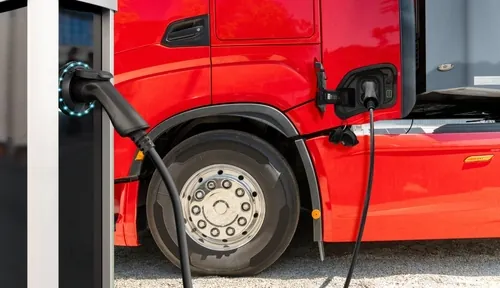
Sustainability is driving change. Carriers are increasingly adopting electric-powered reefers and hybrid refrigeration systems that use battery or solar power instead of diesel. These units dramatically cut fuel consumption, reduce greenhouse gas emissions, and minimize noise during urban deliveries. Electric reefers are particularly effective for short-haul or regional routes, while hybrid systems combine traditional compressors with electric standby power for longer trips. This innovation not only improves efficiency but also helps shippers meet tightening environmental regulations.
Advanced Phase-Change Materials (PCMs) and Passive Cooling Systems
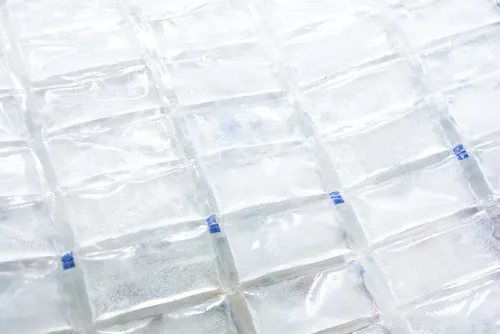
Traditional refrigeration depends on constant energy input, but phase-change materials store and release thermal energy at specific temperatures. When used in insulated packaging or containers, PCMs maintain stable internal temperatures for hours—or even days—without active cooling. This innovation is vital for pharmaceuticals, vaccines, and last-mile deliveries where power may be limited. It reduces reliance on dry ice, minimizes risk during transit, and enables smaller, lighter cooling systems that fit a wider range of vehicles.
AI-Driven Route Optimization and Predictive Maintenance
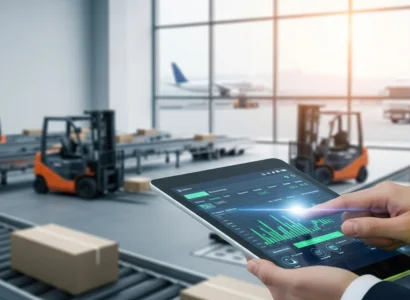
Artificial intelligence is being used in practical ways—not hype, but operations. AI analyzes traffic, weather, and temperature forecasts to optimize delivery routes and reduce exposure to extreme heat or cold. Predictive maintenance systems also monitor reefer units for performance anomalies and schedule repairs before failures occur. Together, these technologies reduce downtime, improve delivery timing, and protect high-value cargo. They also help carriers lower fuel costs and carbon footprints by avoiding inefficient routes and unnecessary idling.