

How to Fill Out an LTL Quote Form
One of the most critical steps is gathering all relevant information regarding your shipment. It's going to save you a lot of time and headaches when getting an LTL shipping quote.



Learn How to Fill out an LTL Quote Form
Ready to start shipping and need a freight quote? Think of it like a recipe; putting in the right ingredients and amounts ensures your dish tastes superb! You should ensure you know how to correctly fill out an LTL quote form to get an accurate quote.
At FreightCenter, we’ve made getting a quote easy for everyone. We can provide you with an instant quote for your shipment, whether for pickup or delivery, across the United States. In this article, we’ll break down a step-by-step guide on how to fill out an LTL quote form.





Thousands of businesses trust FreightCenter to move their freight faster, smarter, and cheaper! From unbeatable rates to top-notch service, our customers are raving about their shipping success.
See why they keep coming back!
Award-Winning Service, Trusted by Shippers Everywhere!
- 2021, 2017 & 2016 Food Logistics’ Top Green Providers
- 2021 & 2018 Supply & Demand Chain Executives’ Pros to Know: Matthew Brosious
- 2020 & 2019 Top Food Logistics’ 3PL & Cold Storage Provider Award
- 2020 & 2019 Business Observer’s Top 500 Companies on the Gulf Coast
- 2020 & 2017 SmartWay® Transport Partner
- 2020 & 2017 Food Logistics’ Champions: Rock Stars of the Supply Chain
- 2020 Best of Palm Harbor Awards for Local Businesses
- 2017 Green Supply Chain Award from Supply & Demand Chain Executive
- 2017 Tampa Bay Business Journal Heroes at Work
- 2016, 2015, & 2012 Food Logistics Top 100 Software and Technology Providers
- 2013 Tampa Bay Business 100 by Tampa Bay Business Journal
- 2013 Top 100 Great Supply Chain Partners by SupplyChainBrain
- 2012 TIA Samaritan Award Honorable Mention
- 2012, 2011 & 2010 TBBJ Fast 50 Recipient
- 2013, 2011, & 2010 Diversity Business Top Businesses
Why choose FreightCenter for a LTL Shipping Quote?
- LTL Shipping Quotes from 50+ carriers
- Instant LTL rates anytime
- LTL solutions to anywhere in the U.S. & Canada
- Unbeatable discounts on your less-than-load, truckload, rail, air, and more
- Automated LTL tracking, paperwork & invoices
- Manage all freight quotes & shipments in one place
- 24+ years of transportation experience working for you!
4 Steps on How to Fill out an LTL Quote Form
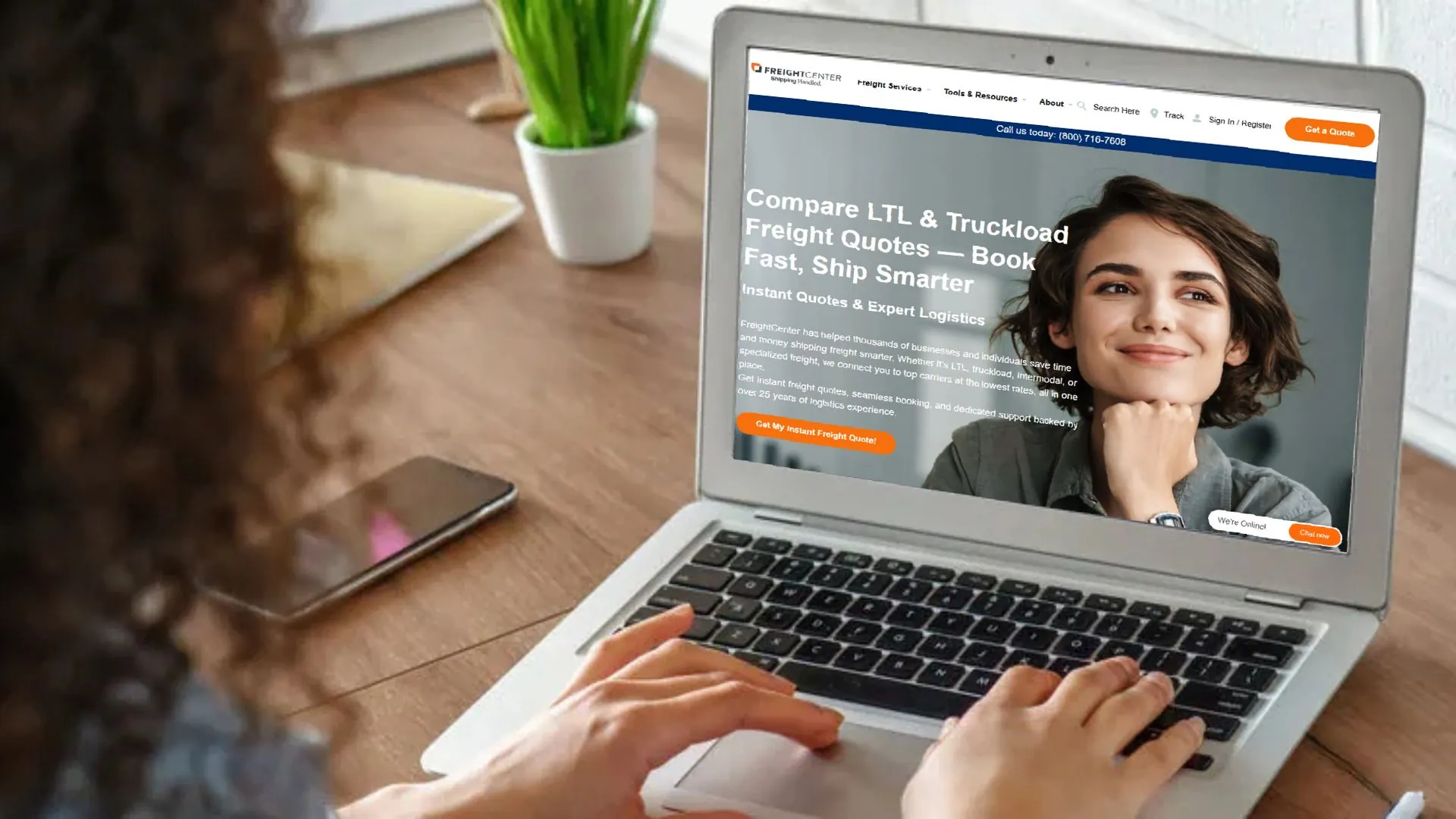
Step 1: Shipping Mode
- Determine if you are shipping less than truckload (LTL) or full truckload (FTL). In our example, we’re shipping LTL, so let’s check that.
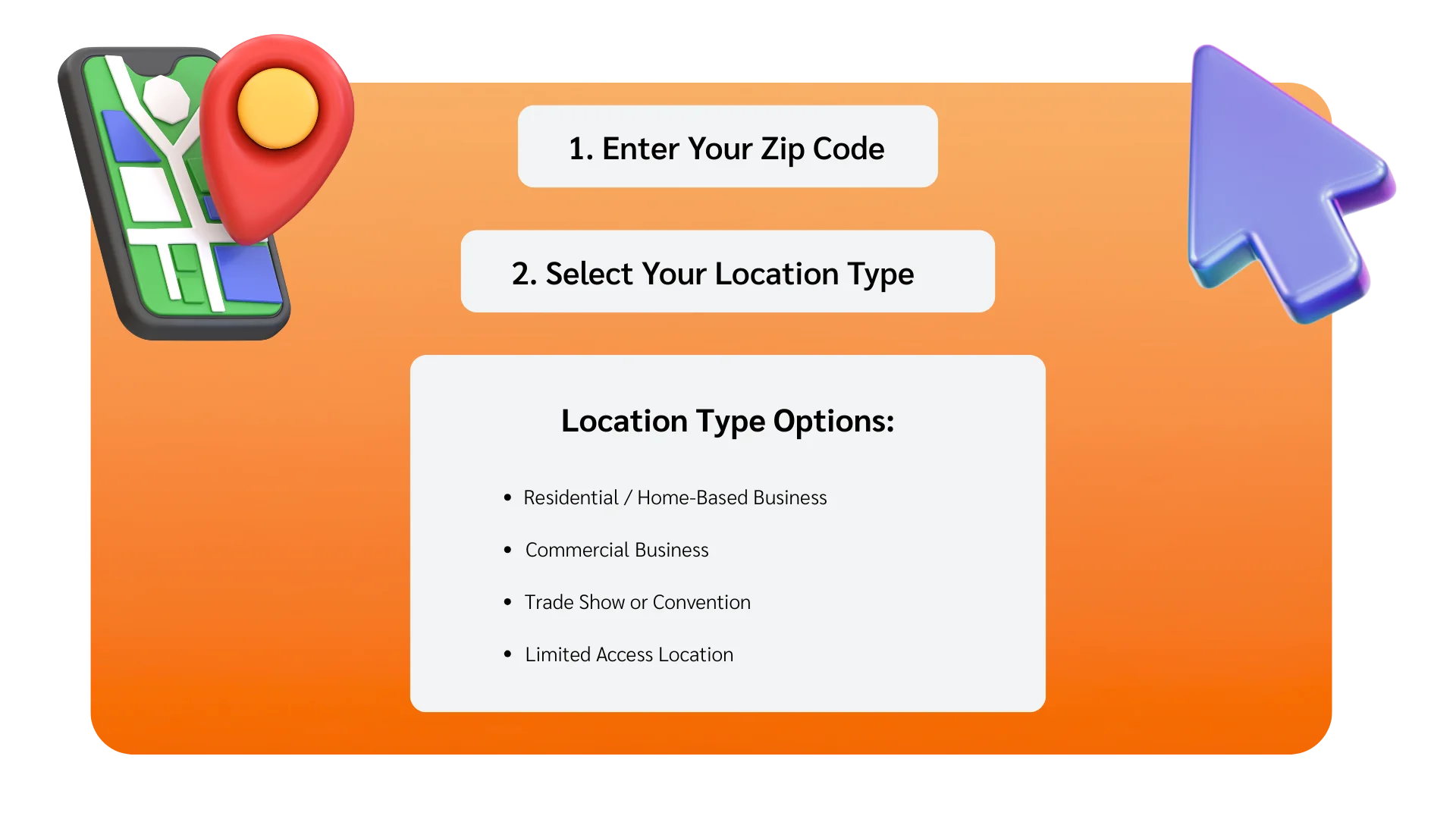
Step 2: Start/Origin Location
This is the consignor’s—or the shipper’s—location.
- Fill out the start location zip/postal code. Easy enough. The hardest part will be ensuring you’ve entered the zip code correctly.
- Now, select the location type. You have options here and must choose the right one to get an accurate quote. Specific locations require additional services. We’ll get to that in a minute. It’s easy for the lines to blur a bit between each location type, so here’s a breakdown:
- Business: If your business doesn’t have a loading dock or access to a forklift, add a liftgate pickup as an extra service. In addition, if you’re shipping your items to a trade show, opt for tradeshow delivery to ensure your items will be placed in holding until you’re ready for them to arrive at their end location.
- Freight Carrier Terminal: The best and cheapest way to ship. Terminals already have a dock, which means you won’t have to add (or pay for) a liftgate with this location type. Contact us to find the terminal closest to you.
- Home-Based Business: This is still considered a residential location, so check the residential area as an extra service at pickup or at delivery. You may be checking a residential area for both the pickup and delivery locations. You will want to add a liftgate unless you have a forklift at your house and can use it to load your shipment on/off the truck.
- Residential/Home: Same as above.
- Limited Access Location: Locations that present challenges or additional requirements for carriers when entering the site. These locations typically involve extra time, effort, or resources to access or handle the freight. For a detailed list and more information: limited access locations
- Trade Show or Convention: Picking up from a trade show has a whole different set of rules. Please choose this option when quoting to alert our team that you are picking up from a trade show.
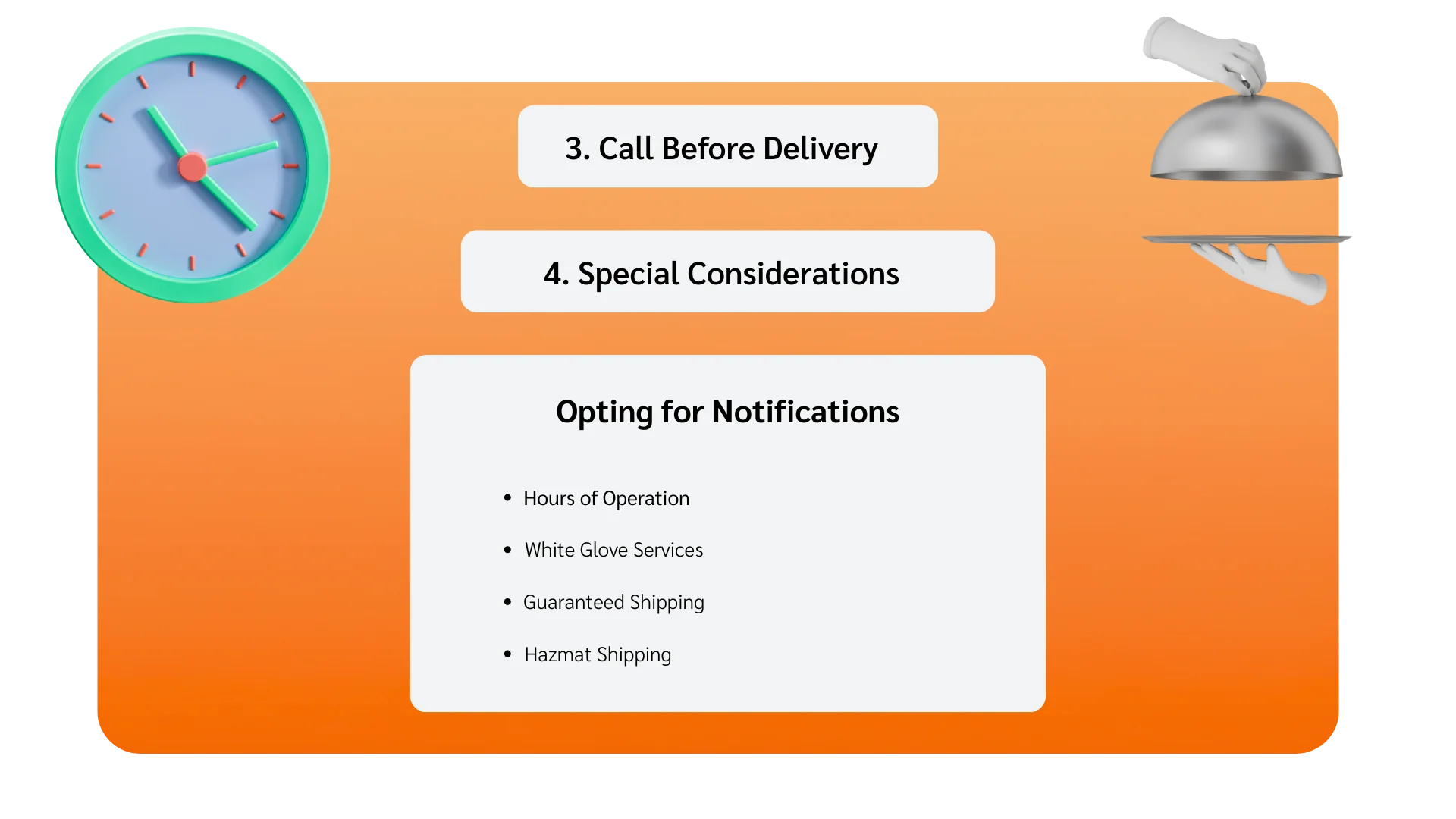
Step 3: End Location
This is the consignee, delivery, or recipient’s location. All the same rules apply, with a few additions:
- Call Before Delivery: Just like it sounds. Have a truck driver call you before they drop off your shipment to guarantee someone will be available. Remember that some carriers automatically include a delivery notification as part of their standard operating procedure. Some carriers do not. Ask your FreightCenter agent which way your chosen carrier operates.
- Suppose you are shipping to a residential/home, home-based business, or freight carrier terminal location, and a delivery notification is not included by default with the carrier. In that case, you will want to opt for it.
- If you are shipping to a business, carriers will assume you are operating under the hours of 9 a.m. – 5 p.m. M-F and that someone will be available to accept the shipment at any time during those hours of operation. If this is not the case for your business, you will also want to inform your agent of your unique business hours and opt for a call before delivery.
- Hazmat: We can ship hazardous materials. We need to know about it beforehand. Choose the hazardous materials option under extra services at pickup to let us know you are shipping hazardous goods.
- White Glove: If you need your shipment delivered into the building or need some packaging disassembled, then white glove services would be a great option to choose.
- Guaranteed: Choose this option when you need your shipment delivered in the standard transit time listed on your quote. It does not guarantee a pickup, but it does give your shipment priority and tells the carrier you need the shipment delivered by a specific day. Give us a call if you need a time-critical or expedited shipment.
Step 4: Items to be Shipped
Enter all the information regarding your item. This is a relatively easy step, but you must ensure all information is correct.
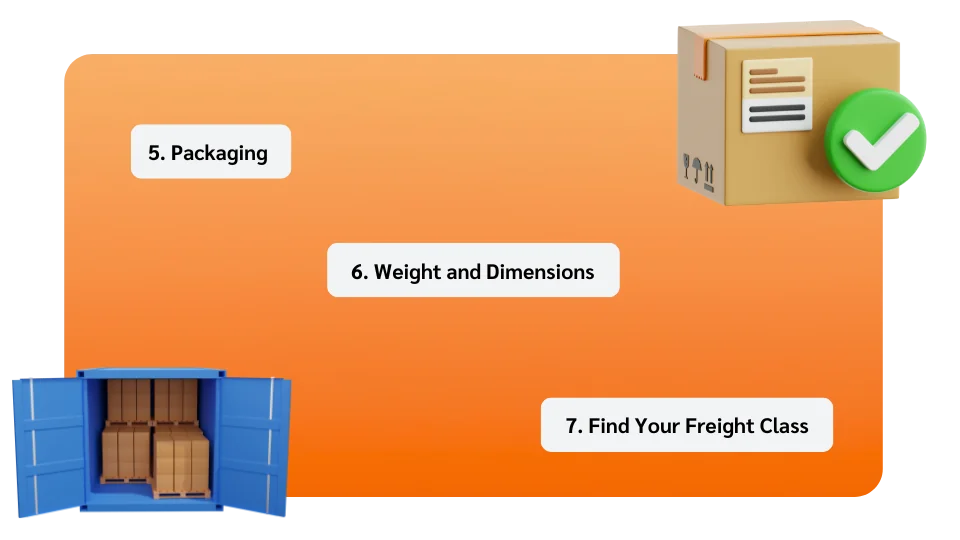
- Packaging: When you measure the dimensions of your freight, ensure to include the measurements of your packaging to avoid oversize fees.
- Weight and Dimensions: If you’re unsure of the weight, try visiting a junkyard or contacting a freight terminal and asking if you can use their scale to weigh your freight. The carrier will reweigh your shipment; make it precise. If the carrier’s certified scale shows an additional 300 pounds, contrary to the information you entered when getting a quote and what is on the bill of lading. Additional charges may occur.
- Freight Class: When you get to freight class, this is where things can get tricky. If you don’t know the freight class, you can either call your FreightCenter Account Manager or use our Freight Class Lookup Tool to help you determine the class. If you enter “I don’t know” as the freight class, it will default to class 85. However, if it is determined that the correct class is, in fact, 200, the cost to ship will increase (the higher the class number, the higher the price). It’s perfectly okay to enter I don’t know, but please keep in mind that when an agent helps you complete the booking of your shipment, they will need to change the freight class to the correct one, and this may cause a change in price.
Pro Tip:
Be as accurate as possible. You may get a cheap quote and incur additional charges if you are not exact on your weight and dimensions. For example, when a driver picks up your freight. They do not have a scale or a way to validate the weight and measurements of the shipment. The most crucial piece of information is to remember to always measure around the widest and tallest points for the dimensions and add the weight of the pallet and any packaging to your total weight.
To create value for our customers by delivering customized shipping solutions that meet their unique needs and to fulfill shipping demands from simple to complex with expertise, guidance and ingenuity.
Trust the experts at FreightCenter to give you the best prices and the most comprehensive options for all your LTL freight shipping needs.
We deliver optimized solutions for full or partial truckloads and competitive dry van, flatbed, and refrigerated freight pricing. We can cover your full truckload shipping needs.
Nationwide Expedited Trucking services move your freight securely and rapidly. Your freight requires fast delivery; our freight shipping experts can get your shipment fast, whether in one large box or a full truckload.
The most reliable Specialized Freight Services rates from all the top carriers are just a few steps away. From white glove service to international shipping, we've got you covered.
 Guaranteed competitive pricing every time you ship.

Let's Wrap Up How To Fill Out an LTL Quote Form
After completing the form, one of our freight agents will contact you to assist with completing your order and address any additional questions you may have. To get the most accurate ltl shipping quote from the beginning, please provide as much detailed information as possible. Informing your agent of all relevant information upfront will help determine if additional services are required. The rest is a piece of cake!
Now that you have learned how to fill out an LTL quote form. Start your quote here. We’re always here to help; please call us at 800.716.7608 if you need assistance. Happy Shipping!
How to Get an LTL Quote FAQ

Q. Can I Call to Get an LTL Quote?
Yes, but remember that your dedicated booking agent will process your rate whether you call or decide to quote and book online.
Q. Do Rates Expire?
Yes. Quotes are based on freight class, dimensions, and weight, but pricing is also subject to fuel price fluctuation. Due to fluctuating fuel costs, a rate is only valid for 24 hours, whether it is received online or by phone. Online rates are subject to change in less than 24 hours. Phone rates may differ from online rates due to changes in capacity, storability, or weather that can impact transportation. To lock in the discounted rate, your shipment details must be accurate and booked within 24 hours of receiving your quoted rate.
Q. How Do I Add Another Item to My Quote?
Click the +Add Another Item button on the quick quote form to include an item of a different packaging type, weight, dimensions, or freight class.
Ex: If you’re shipping 1 pallet and 2 boxed or crated items, add the pallet shipment details first and click Add Another Item to enter the details for the other packaged items.
When logged into your FreightCenter account. Click the +Add another item in shipment button on the item details page.
Q. What is a Freight Class?
According to the National Motor Freight Transportation Association, Inc., the freight class evaluates a commodity based on an evaluation of 4 characteristics: density, storability, handling, and liability.
Q. What Quantity Should I Enter?
Quantity is based on the number of identical packaged items.
Ex: When shipping 3 boxes that all have the same weight, dimensions, and freight class, enter a “3” for Quantity. If the weight, dimensions, and freight class are different for all 3 packaged items, enter a “1” for the Quantity and use the Add Another Item button to enter the details for the remaining items before you get your rate.
Q. How Long Does it Take to Get an LTL Quote?
It only takes a couple of minutes to get an accurate, basic quote. It depends on if you have all the details of the quote ready. Suppose special services are needed, like a white glove or inside delivery. Those types of specialized quotes may require your account manager to reach out to a carrier directly to obtain a quote based on your shipment’s needs which will take a bit longer to obtain.
Q. What if I Need My Freight Delivered on a Specific Date?
We work with carriers that offer expedited and time-critical shipments. Whether the cargo must be transported via air or in a dedicated van with team drivers, one call to FreightCenter can give you many options – 800.716.7608
Q. Do I need exact dimensions, or can I estimate?
Exact dimensions are always better because carriers will re-measure freight at their terminals. If your numbers are off, they’ll bill you for the difference, and it’s almost always higher than your estimate. Accurate measurements also help carriers load their trucks more efficiently and prevent your freight from being rejected at pickup.
Q. How can I find my freight class?
Freight class is determined using the NMFC (National Motor Freight Classification) guidelines, which consider four main factors: density, handling, stowability, and liability. A calculator can give you a good estimate if you know your weight and dimensions, but misclassifying freight is one of the most common reasons for unexpected charges. Brokers and carriers familiar with NMFC rules can help confirm the correct class so you don’t end up paying more later.
Q. What happens if I forget to request a liftgate?
If the pickup or delivery location doesn’t have a dock and you didn’t request a liftgate, the driver may be unable to complete the shipment. Carriers can add the service later, but it usually means additional fees and possibly delays while another truck is dispatched. Including liftgate service on the quote form avoids these headaches and ensures your freight can be handled smoothly.
Q. Can I get multiple quotes from different carriers?
Yes, and it’s often recommended. LTL carriers vary in pricing depending on lanes, service levels, and equipment availability, so comparing rates is the best way to balance cost with transit time. Using a broker makes this easier because you can get multiple options at once without filling out multiple forms.
Q. Do I need special paperwork to submit a quote form?
No special paperwork is required at the quote stage. You just need to provide accurate details about your freight: weight, dimensions, packaging type, and pickup and delivery information. Once your shipment is booked, you’ll then receive a bill of lading (BOL), which is the official shipping document that travels with your freight.
Q. Why does the destination type matter on a quote form?
Carriers charge differently based on where they’re delivering. A commercial address with a dock is the standard, but residential, schools, churches, military bases, and construction sites are all considered “limited access” deliveries. If you don’t specify the correct type, you’ll be billed for the accessorial after the fact, and in some cases delivery could be delayed while the carrier reschedules.
Q. What if I don’t know the exact weight of my shipment?
You should always try to confirm the weight with a scale, manufacturer specifications, or product documentation. Guessing puts you at risk of re-bill charges because carriers will weigh your freight during processing. Accurate weight is also important for trailer load balancing and safety, so the carrier can distribute shipments properly.
Q. What if I need help figuring out what kind of shipping I need?
That’s what we’re here for! Tell us what you’re shipping, where it’s going, and how fast you need it there, and we’ll help you find the most efficient mode. Call us at (800) 716-7608 or use our quote tool—we’ll guide you through it every step of the way.
3 Tips for Easier LTL Shipping

Be Clear About Special Services
If you need a liftgate, inside delivery, or appointment scheduling, note it before booking. Carriers can’t guess these details, and leaving them out often leads to surprise charges or delays. Declaring needs upfront helps carriers plan and keeps costs transparent.

Don’t Ship Without Insurance—Ever
Carriers typically cover only $0.10–$0.50 per pound. That won’t even come close to replacing your merchandise. With our 3rd-party shipment protection options, you'll get the full value of your cargo and ensure peace of mind for your shipment.

Package with Protection in Mind
Freight will share space with other shipments, so sturdiness matters. Use pallets or crates when possible, shrink-wrap items tightly, and add corner protectors or padding for fragile goods. Well-packaged freight moves faster through terminals and arrives in better condition.