
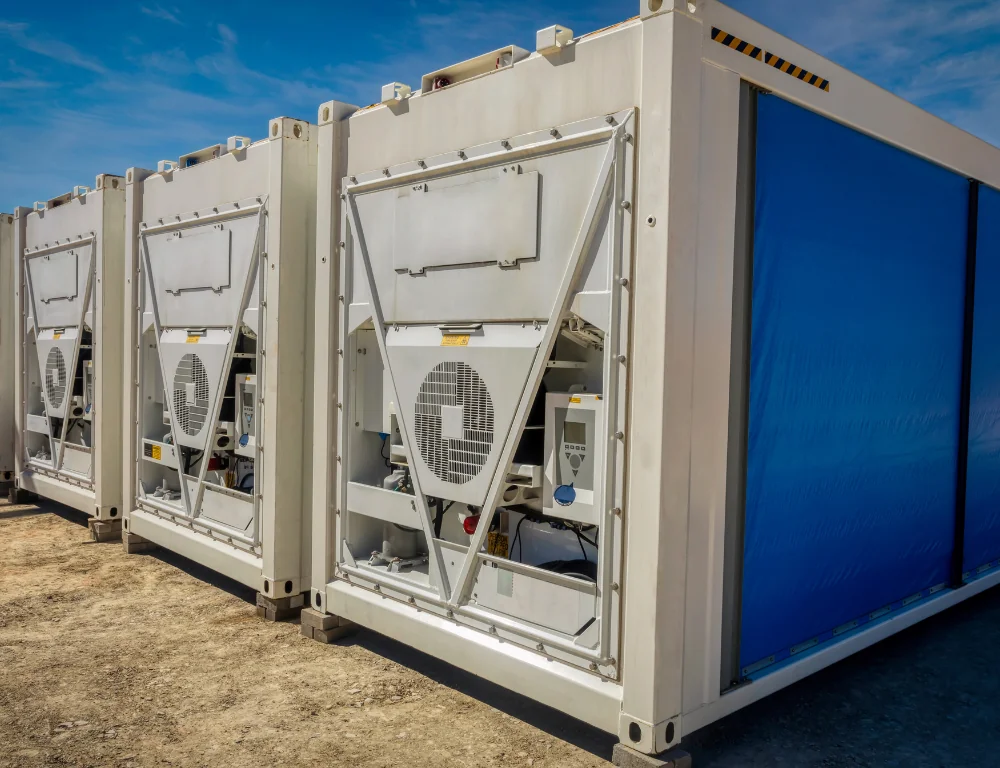
Refrigerated Shipping Mistakes and How to Avoid Them. If you plan to ship perishable cargo, such as food, medications, or other temperature-sensitive items, you’ll need temperature-controlled or refrigerated shipping services. Temperature-controlled shipping means that the items you’re shipping are very sensitive to the climate and could be damaged easily if the climate isn’t controlled properly. You want to be sure you understand the temperature needs of your freight before you ship it. Making a simple error could be costly in terms of damaged or rejected products, added accessorial expenses, and more.

Refrigerated Shipping Mistakes
Whether you’re a shipping pro or new to shipping, knowing these common refrigerated shipping mistakes will help you in the short and long term. Here are a few refrigerated shipping mistakes and how to avoid them, so you can optimize your time and keep more money in your pocket.
3. Refrigeration Unit Problems
While temperature-controlled shipping trailers and containers are typically very reliable, there’s always the chance that a refrigeration unit problem may occur. This can happen for various reasons, including operator error, unit or equipment issues, and prolonged transit delays.
Depending on the time of year, you’re shipping can also have an impact on the refrigeration unit. That’s because when it’s hot outside, the unit will run longer and use fuel faster to keep the items inside cool. The driver may need to stop more frequently to refuel, which could result in longer transit times. Be sure to factor in which areas of the United States your shipment may cross during its transportation.
What You Can Do to Avoid This Refrigerated Shipping Mistake
You don’t want to discover that your shipment was damaged or deemed unusable due to problems with the refrigeration unit. Being prepared and proactive before you ship is the key. Here are some best practices to help you avoid this issue:
–Make sure you are clear about your cargo’s temperature requirements on your Bill of Lading (BOL).
–Partner with a 3PL that understands temperature-controlled logistics.
–Talk to all providers involved in shipping your cargo to be sure everyone is on the same page.
–Request an electronic log of trailer temperatures for the shipment.
–Put your temperature recorder within your shipment.
–Package your freight with the right internal and external packaging materials.
2. Issues with Temperature-Controlled Docking Facilities
If you’re shipping your freight LTL, your shipment will share space on the trailer with other shippers’ cargo. Additionally, LTL shipments make multiple stops at various carrier terminals before reaching their final destination. That means your freight will likely be unloaded and reloaded from one refrigerated unit into another numerous times, which could result in your freight being stored inside a terminal while waiting to be transferred.
What You Can Do to Avoid This Refrigerated Shipping Mistake
It might seem like this issue is out of your control, but there are some steps you can take to mitigate any potential problems.
Communication is always key, especially when it comes to shipping your temperature-sensitive freight. Discuss the temperature conditions at your LTL provider’s docking facilities with them. You and your LTL carrier can work together to put a plan in place to ensure your shipment stays safe and within its temperature requirements.
Again, properly packaging your freight before shipping is of the utmost importance. When your cargo is packaged safely, your risk of damage is reduced. Consider adding insulated thermal blankets to protect your shipment while at the docking facilities during transit. Download your free Guide to Freight Packaging here.
Work with a 3PL that has established relationships with a network of carriers, ranging from LTL to truckload shipping methods. A 3PL can help you identify the best shipping method for your temperature-controlled freight, provide you with the most suitable carriers to choose from, and assist you in tracking your shipment from start to finish.
1. Not Securing Temperature-Controlled Shipping Capacity Early
Waiting until the last minute could leave you scrambling to source and secure capacity. This is especially true during high-demand seasons, such as the produce season or the holiday season. While certain temperature-controlled products may be shipped by dry van most of the year, really hot or really cold weather may change the shipping requirements from dry van to refrigerated trailers. This could mean increased shipping costs, so it’s important to be prepared early.
What You Can Do to Avoid This Issue
While shipping costs differ in dry van and refrigerated trailer shipping, damaged products will cost you more. Additionally, your customers won’t be happy if the products they ordered are unfit for use, which can lead to a significant headache for you.
To avoid last-minute issues with capacity or seasonal shipping problems, consider partnering with a 3PL that knows the shipping industry, specifically temperature-controlled shipping. You don’t have to source capacity on your own, and you may not know which carriers are the best for your refrigerated shipping needs. A trusted 3PL can provide you with the shipping and carrier information you need to make the right choice for your shipment well in advance.
If you regularly ship temperature-sensitive items, analyze your supply chain to identify any gaps or issues within it. Then, make a plan to address those issues. You might want to consider adding your cold chain needs to your business continuity plan.
Partner with the Experts
Your temperature-sensitive items deserve the utmost care and attention while being shipped. When you partner with FreightCenter, you get peace of mind knowing that your shipment gets top-of-the-line treatment from beginning to end. Our expert temperature-controlled shipping agents can help you decide which carrier is right for you at an affordable price.
Start today with a free online quote, or call us at 800.716.7608.