
Shipping Industrial Gases
Safe, Compliant Shipping for Industrial Gases
Shipping industrial gases doesn’t have to be complicated. FreightCenter connects you with hazmat-certified carriers and handles the details—so your shipment gets there safely, on time, and by the book.
Other Types of Energy Shipping:
Natural Energy (Oil, Gas, Coal) Raw Materials Industrial Lubricants and Oils


Shipping Industrial Gases with Ease
Shipping industrial gases involves strict safety regulations, specialized handling requirements, and the need for experienced logistics coordination. Whether you are transporting oxygen cylinders, nitrogen tanks, or cryogenic carbon dioxide, selecting the right freight partner is crucial for ensuring the successful delivery of your industrial gases.
At FreightCenter, we assist manufacturers, distributors, and laboratories in the safe transportation of all types of industrial gases, both nationally and internationally. We connect you with DOT-compliant carriers who are knowledgeable in hazmat shipping and offer competitive rates that you won’t find elsewhere. Let us help you make shipping industrial gases easy and affordable.





Thousands of businesses trust FreightCenter to move their freight faster, smarter, and cheaper! From unbeatable rates to top-notch service, our customers are raving about their shipping success.
See why they keep coming back!
Award-Winning Service, Trusted by Shippers Everywhere!
- 2021, 2017 & 2016 Food Logistics’ Top Green Providers
- 2021 & 2018 Supply & Demand Chain Executives’ Pros to Know: Matthew Brosious
- 2020 & 2019 Top Food Logistics’ 3PL & Cold Storage Provider Award
- 2020 & 2019 Business Observer’s Top 500 Companies on the Gulf Coast
- 2020 & 2017 SmartWay® Transport Partner
- 2020 & 2017 Food Logistics’ Champions: Rock Stars of the Supply Chain
- 2020 Best of Palm Harbor Awards for Local Businesses
- 2017 Green Supply Chain Award from Supply & Demand Chain Executive
- 2017 Tampa Bay Business Journal Heroes at Work
- 2016, 2015, & 2012 Food Logistics Top 100 Software and Technology Providers
- 2013 Tampa Bay Business 100 by Tampa Bay Business Journal
- 2013 Top 100 Great Supply Chain Partners by SupplyChainBrain
- 2012 TIA Samaritan Award Honorable Mention
- 2012, 2011 & 2010 TBBJ Fast 50 Recipient
- 2013, 2011, & 2010 Diversity Business Top Businesses

Why Choose FreightCenter for Shipping Industrial Gases?
Hazmat-Certified Carrier Network: We work only with carriers approved to handle Class 2 hazardous materials, ensuring full compliance with DOT, FMCSA, and PHMSA regulations.
Custom Shipping Solutions: We tailor logistics to the type of gas you’re shipping. Whether you’re shipping pressurized tanks, refrigerated liquefied gases, or small containers, we will meet all of your shipping needs.
Multi-Modal Capabilities: We help you select the most suitable method for your shipment size, budget, and timeline. Whether you wish to ship via LTL, FTL, intermodal, barge, or air freight, we can find the right carrier for your needs.
One-on-One Expert Support: Get personal help from hazmat-trained freight agents who can walk you through packaging, labeling, and documentation. We are here for you, whether you have a question or encounter issues with your shipment.
What Are Industrial Gases?
Industrial gases are gaseous substances used in various industries, including manufacturing, energy, healthcare, food processing, and research. They are typically stored in pressurized cylinders, cryogenic tanks, or in bulk.
Examples of industrial gases include:
- Oxygen (O₂)
- Nitrogen (N₂)
- Argon (Ar)
- Carbon Dioxide (CO₂)
- Hydrogen (H₂)
- Helium (He)
- Acetylene (C₂H₂)
- Ammonia (NH₃)
- Chlorine (Cl₂)
- Sulfur Hexafluoride (SF₆)
Shipping industrial gases differs significantly from shipping typical freight. Each gas has specific hazards, necessitating proper containment, classification (Class 2 hazmat), and special labeling. Here’s what is required:
- Hazmat Classification: Industrial gases fall under Class 2 hazardous materials and must be appropriately declared with UN numbers (e.g., UN1001 for acetylene).
- Carrier Certification: Only carriers certified to handle hazardous materials (hazmat) can legally transport these materials.
- Proper Documentation: To ship your industrial gases properly, you’ll need a Bill of Lading (BOL), a Safety Data Sheet (SDS), and a Hazardous Materials Declaration.
- Routing & Contingency Plans: Certain gases require specific routing or must be avoided in tunnels, high-traffic areas, or extreme temperatures.
Packaging industrial gases properly is not only a safety requirement: it’s a legal one. Whether you're shipping high-pressure cylinders or cryogenic liquids, the packaging must meet strict DOT, PHMSA, and carrier-specific guidelines. Inadequate packaging can lead to leaks, accidents, or rejected shipments, all of which pose safety hazards and regulatory consequences. Choosing the right container and securing it properly is a crucial step in shipping industrial gases safely and compliantly.
Shipping industrial gases commonly uses high-pressure cylinders or tanks that must be DOT-approved and regularly tested for safety. Each cylinder should have a protective valve cap and must be kept upright and secured with straps to prevent shifting during transport. These precautions help minimize the risk of leaks from tipping or damage.
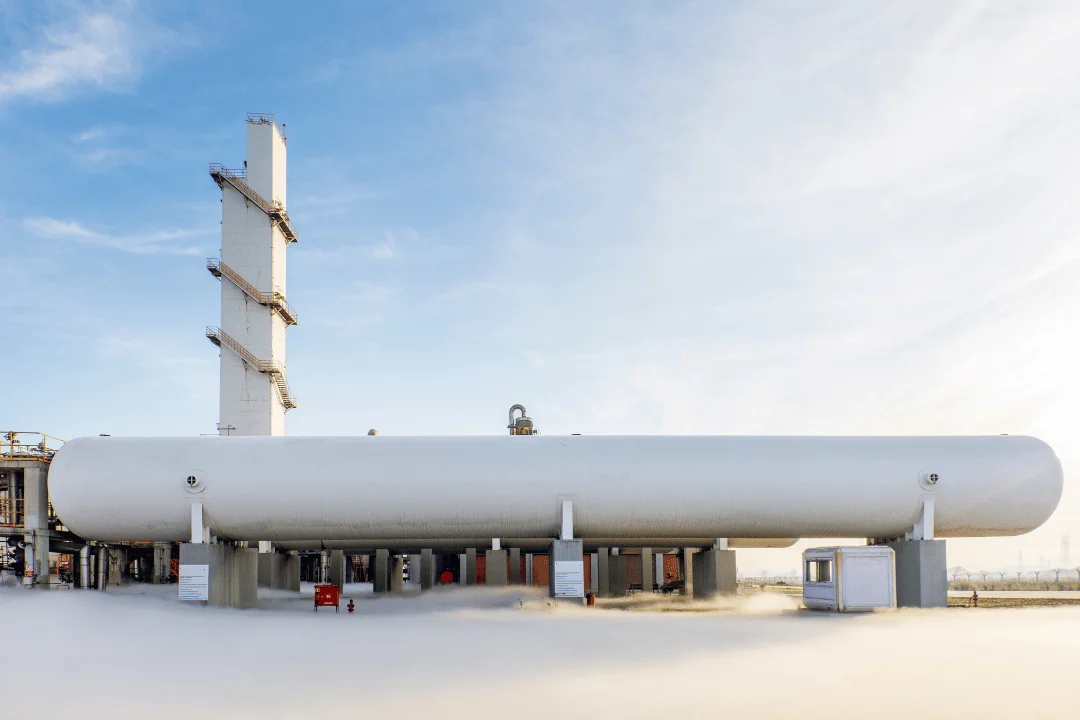
When shipping cryogenic gases like liquid nitrogen or liquid oxygen, specialized insulated containers—known as Dewars or cryo ISO tanks—are required to maintain low temperatures. These vessels must be vacuum-insulated and designed for gas expansion, with a spill containment plan in place. Proper venting is essential to release excess pressure, and strict protocols must be followed due to hazards like asphyxiation and frostbite.
Industrial gases for large-scale shipments are transported using tube trailers or bulk tankers, adhering to DOT standards, including trailer certification and proper placarding. The gases are compressed into high-capacity cylinders on the trailer, suitable for supplying industrial facilities and refineries. Careful routing ensures safety and compliance with regulations, and FreightCenter coordinates logistics with certified bulk gas carriers.
All packages for shipping industrial gases must be properly labeled and documented. Each unit should display the correct DOT hazard class label (Class 2.1 for flammable, Class 2.2 for non-flammable, or Class 2.3 for toxic gases) and its UN number. Orientation arrows and handling instructions must be visible. Shipments must also include a Bill of Lading (BOL), Safety Data Sheet (SDS), and hazardous materials shipping papers for legal compliance and emergency response.

 Guaranteed competitive pricing every time you ship.

FreightCenter Services for Shipping Industrial Gases
We offer a suite of freight services tailored to hazardous materials and industrial gases:
- LTL Hazmat Freight: Ideal for small-scale gas shipments; includes proper labeling and documentation support.
- Full Truckload (FTL): For bulk gas shipments requiring dedicated trailers and direct routes.
- Intermodal & Rail: Cost-effective for long-haul routes and bulk containers.
- Expedited Shipping: When time is critical, we offer overnight and express hazmat services.
- White Glove & Specialized Handling: Includes loading/unloading support, routing assistance, and on-call agent help.
If you’re ready to make shipping industrial gases easier, call us at (800) 716-7608 or try our free online quote tool. Your gases are in good hands with FreightCenter!
Frequently Asked Questions about Shipping Industrial Gases

Q. What types of gases are considered industrial gases?
Industrial gases are gaseous substances produced for use in various industries, including manufacturing, energy, healthcare, and food processing. Common industrial gases include oxygen, nitrogen, argon, carbon dioxide, hydrogen, helium, acetylene, ammonia, chlorine, and sulfur hexafluoride. These gases may be shipped in compressed, liquefied, or cryogenic forms and often fall under Class 2 hazardous materials per DOT regulations. Each gas has specific storage and handling requirements, which must be followed during transportation to ensure safety and compliance.
Q. Can I ship industrial gases without hazmat certification?
No, you cannot legally ship industrial gases without using a hazmat-certified carrier. These gases are classified as hazardous materials, and federal regulations require carriers and drivers to be trained and certified in hazmat transportation procedures. Attempting to ship industrial gases without proper certification can result in fines, shipment rejections, or even legal penalties. FreightCenter works exclusively with hazmat-certified freight carriers, ensuring that every shipment meets all DOT and FMCSA regulations from pickup to delivery.
Q. How do I know if my shipment is classified as hazmat?
If your shipment contains compressed, liquefied, or cryogenic gases that pose flammability, toxicity, or pressurization risks, it’s very likely classified as hazardous material. You can identify its classification by checking the Safety Data Sheet (SDS) or referencing the DOT’s Hazardous Materials Table, which lists UN numbers and hazard classes. If you’re unsure, FreightCenter’s team can help you determine the proper classification, labeling, and documentation required for your specific gas shipment.
Q. How do I package cylinders for shipping?
Cylinders must be DOT-approved and pressure-tested before shipping. They should be upright, secured in crates or on pallets, and fitted with protective valve caps or cages to prevent leaks or damage. Proper hazard labels, UN ID numbers, and orientation arrows are also required. FreightCenter can connect you with carriers who follow these packaging protocols and offer guidance to ensure your gas cylinders are compliant and ready for transit.
Q. Do I need special insurance to ship gases?
Yes, shipping hazardous materials, such as industrial gases, typically requires additional insurance beyond standard freight coverage. Hazmat insurance protects against accidents, leaks, or damage in transit, which is especially important given the potential risks associated with these gases. FreightCenter offers third-party coverage options tailored explicitly to hazardous shipments, providing you with peace of mind that your cargo is protected throughout the entire journey.
Q. What paperwork is required to ship industrial gases?
To ship industrial gases, you’ll need a completed Bill of Lading (BOL), a Hazmat Declaration or Emergency Response Information (ERI), and an SDS for each gas being shipped. These documents must include specific information such as UN numbers, hazard classes, packaging details, emergency contacts, and handling instructions. FreightCenter’s platform and freight agents can help ensure your paperwork is prepared correctly and submitted to avoid compliance issues or delays.
Q. Are there restrictions on shipping gases internationally?
Yes, international shipments of industrial gases must comply not only with U.S. DOT regulations but also with international standards, such as the IMDG (for ocean transport), IATA (for air transport), and ADR (for European road transport). Each country may have additional customs and documentation requirements. FreightCenter assists customers in coordinating international hazmat shipments by collaborating with global carriers that are familiar with cross-border regulations and customs procedures.
Q. How long does it take to ship industrial gases?
Transit times vary depending on the shipment size, distance, and transportation method. Standard LTL shipments may take 2–6 business days, while full truckload or expedited services can reduce delivery times to 1–4 days. Cryogenic or bulk gas shipments may require additional scheduling time due to specialized handling. FreightCenter helps you choose the most efficient shipping method and provides real-time tracking so you can monitor your shipment from origin to destination.
Q. What’s the cheapest way to ship industrial gases?
The most cost-effective method depends on your shipment volume and destination. For smaller quantities, LTL shipping is usually the most affordable, while bulk shipments are better suited for full truckload or barge transport. Shipping in bulk can reduce per-unit costs and is ideal for industrial-scale deliveries. FreightCenter compares rates from multiple hazmat-certified carriers and modes—truck, rail, barge, or intermodal—to help you find the most budget-friendly option.
Q. Can I ship cryogenic liquids like liquid nitrogen or oxygen?
Yes, but shipping cryogenic gases requires specialized insulated containers and carriers trained in handling extreme temperatures. These gases must be packaged in Dewars or cryogenic ISO tanks with proper venting and safety controls. Due to their volatile nature, shipping cryogenic gases also involves strict compliance with hazmat regulations. FreightCenter partners with carriers experienced in cryogenic logistics and can help you schedule a safe, temperature-controlled shipment.
Q. What happens if a gas container leaks during shipping?
If a gas container leaks during transit, it can pose serious risks such as fire, explosion, or environmental contamination—especially with flammable or toxic gases. Hazmat-certified carriers are required to follow emergency response protocols, including containment, notification of authorities, and mitigation steps. Proper packaging, labeling, and documentation reduce the likelihood of incidents. FreightCenter ensures all shipments meet hazmat compliance standards to help prevent leaks and manage risks.
Q. Is expedited shipping available for gases?
Yes, many hazmat-certified carriers offer expedited freight services for industrial gases. Expedited shipping is ideal when delivery timelines are critical—for example, when supplying hospitals, laboratories, or manufacturing plants that rely on just-in-time inventory. FreightCenter can arrange for next-day or two-day delivery through vetted expedited hazmat carriers, ensuring fast and safe transport without compromising compliance.
Q. Can I track my gas shipment?
Absolutely. FreightCenter provides shipment tracking for all modes of transportation, including those that carry hazardous materials. Once your industrial gas shipment is picked up, you can access real-time updates through our online tracking portal or by contacting your assigned freight agent. We work with carriers that provide proactive communication and status updates throughout the shipping process.
Q. How are hazmat surcharges calculated?
Hazmat surcharges are additional fees applied to shipments that contain regulated materials. These charges cover the carrier’s cost of complying with safety regulations, training, documentation, and equipment. The exact surcharge depends on the type of gas, packaging, distance, and carrier policies. FreightCenter provides upfront quotes via our instant freight quote tool, which clearly outlines all costs, including any applicable hazmat fees, so there are no surprises.
Q. What if I’ve never shipped hazmat before?
That’s exactly why FreightCenter exists. If you’re new to shipping industrial gases or any hazardous materials, our freight experts will guide you step by step—from determining your classification and packaging requirements to booking a hazmat-certified carrier. We ensure you have the proper documents, labels, and support, so your first shipment goes smoothly and safely.
Beyond the Shipment: Extra Support for Complex Logistics

Expert Help Before You Ship
Unsure how to classify or document your gas shipment? Our agents help you verify hazmat codes, prepare paperwork, and avoid costly mistakes before it even leaves the dock.
Smarter Routes, Safer Results
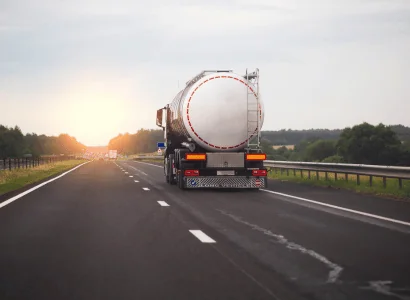
We help coordinate carrier routing that avoids tunnels, sensitive zones, or temperature risks; ideal for flammable or cryogenic gases that need extra attention in transit.

Stay Ahead of Compliance
From DOT to EPA and international hazmat rules, we make sure your shipment meets every regulation, saving you time, penalties, and stress.