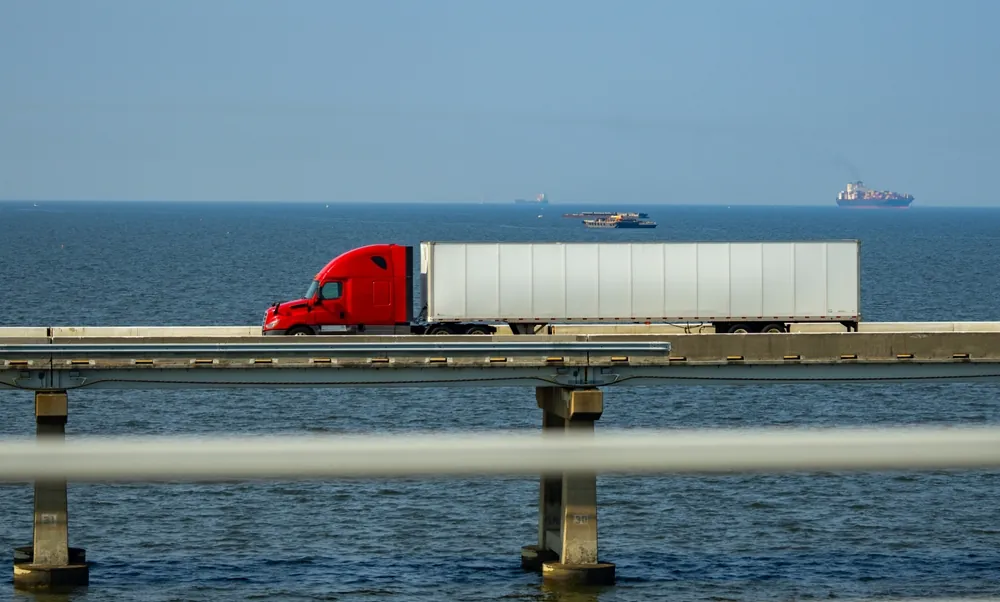
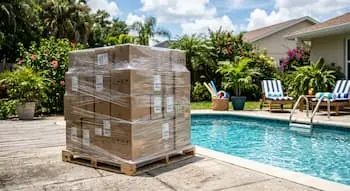
Summer brings unique challenges to supply chains across the country. Extreme heat, sudden afternoon storms, and seasonal capacity shifts can impact your delivery schedules and damage vulnerable freight.
Whether you ship fresh goods, electronics, liquids, or industrial products, summer weather demands extra preparation. A few smart adjustments to your freight strategy can keep your cargo safe and help manage your shipping costs. Here are practical summer shipping tips to protect your freight and keep your supply chain moving.
FreightCenter’s Top 5 Summer Shipping Tips

1. Book Freight Early
Summer is a busy time for many businesses, including those in agriculture, construction, tourism, and recreational entertainment. These businesses add a burst of activity and opportunities for carriers, leading to tighter capacity due to seasonal demand. Waiting to book your freight at the last minute is not a great option during the summer, as carrier options are limited and costs are higher.
The best way to stay ahead of seasonal demand is to book freight early. Give yourself extra lead time so you have plenty of carriers to compare and select from. This is especially important for refrigerated (reefer), oversized, and time-sensitive freight, as these services are most affected by seasonal demand.

2. Protect Freight from Heat Damage
Summer is the hottest time of the year, making heat and humidity major obstacles to effective freight shipping. Food and pharmaceuticals aren’t the only products vulnerable to heat damage; some other products that can be damaged include:
– Electronics
– Candles
– Cosmetics
– Chemicals
– Wood
– Plastics
Packaging improvements are your best bet for protecting your most temperature-sensitive shipments from heat and humidity. Insulated packaging, gel packs, and temperature-monitoring tools are some ways to keep your items cool. There are also specific freight services, such as reefer and dry van services, that will guarantee they don’t overheat or get too moist.

3. Protect Freight from Summer Rain and Humidity
Summertime is also the season of severe weather. Thunderstorms, hurricanes, flooding, heatwaves, and tornadoes can close roads and ports, disrupt terminals, and shift capacity. If you aren’t prepared for severe weather emergencies, your freight could be delayed indefinitely or damaged and lost due to storm damage.
Predicting the weather may be challenging, but it can be helpful for prepping ahead. Try relying on weather forecasts and prediction models for weather insights. Organizations such as the National Oceanic and Atmospheric Administration (NOAA) issue a prediction every year for the Atlantic hurricane season; in 2026, for example, NOAA predicted a below-normal season but still projected 3 to 6 hurricanes, including 1 to 3 major ones.

4. Watch for Seasonal Rate and Capacity Shifts
Summer shipping demand can change quickly depending on the region, commodity, and equipment type. Produce season, construction activity, retail restocking, vacation schedules, and severe weather can all affect carrier availability. When capacity tightens, rates may rise, and transit options may become more limited.
The best way to stay ahead is to compare rates early, stay flexible with pickup dates when possible, and avoid waiting until the freight is urgent. Even shifting a pickup by a day or choosing a different service level can help reduce costs and improve carrier availability. This is especially important if you regularly ship to and from busy regions, as you will need to build some flexibility into your shipping schedule to stay ahead.

5. Communicate Shipment Details Clearly before Pickup
This is a solid tip for freight shippers year-round, but doubly so during the summer. Because the season can get so busy, key details can be overlooked, leading to errors and delays. This, naturally, also leads to extra fees and expenses to make up for these mistakes; this is not something you want happening.
Therefore, before booking, make sure all your shipment details are accurate, including shipment dimensions, freight class, delivery/pickup requirements, and special handling needs. Double- and triple-check all of your shipping documents, such as your BOL and shipment confirmation, to ensure there are no issues. Also, try making pickup and delivery appointments that are realistic for carriers, as this helps reduce delays.
Are You Ready For The Freight Shipping Heat Up?
Summertime is the season for getaways and endless fun. For businesses that didn’t prepare their freight shipping for the season, the time can be stressful and challenging. This is why having an effective summer freight strategy can make all the difference: you can avoid pesky delays, irreversible freight damage, and extra costs.
The best part is that you don’t have to come up with a complicated plan! The most effective summer freight strategy is simple: plan early, protect better, and build in flexibility. Summer shipping rewards shippers who prepare for heat, weather, and capacity changes before they become expensive problems.
If you haven’t developed a shipping plan for summer yet, what are you waiting for? Use our summer shipping tips to create a strategy and strengthen your business for the summer shipping season.