

Barge Shipping
Move More Freight for Less with Barge Shipping
Tap into the power of inland waterways to ship heavy, oversized, or bulk freight efficiently. FreightCenter makes barge shipping simple, affordable, and reliable.
Products Shipped via Barge Shipping
Aggregates (Sand, Gravel) Grains Petroleum Products Waste and Recyclable Materials


Reliable Barge Shipping Transport Over Waterways
Shipping by barge offers an innovative, cost-effective solution for moving large volumes of freight, cumbersome, oversized, or bulk commodities. Barges can carry massive loads over long distances using far less fuel than trucks or trains, making them an environmentally friendly and budget-friendly option. With access to major inland waterways and coastal ports, barge shipping is ideal for shippers who prioritize efficiency, capacity, and lower transportation costs.
Whether you’re moving raw materials, industrial equipment, or bulk agricultural goods, FreightCenter makes barge shipping easy to navigate. Our team of logistics experts connects you with trusted barge carriers and coordinates every aspect of the journey: from scheduling and port access to overland connections and documentation. We simplify the process so you can focus on your business while we handle the logistics of your waterborne freight.





Thousands of businesses trust FreightCenter to move their freight faster, smarter, and cheaper! From unbeatable rates to top-notch service, our customers are raving about their shipping success.
See why they keep coming back!
Award-Winning Service, Trusted by Shippers Everywhere!
- 2021, 2017 & 2016 Food Logistics’ Top Green Providers
- 2021 & 2018 Supply & Demand Chain Executives’ Pros to Know: Matthew Brosious
- 2020 & 2019 Top Food Logistics’ 3PL & Cold Storage Provider Award
- 2020 & 2019 Business Observer’s Top 500 Companies on the Gulf Coast
- 2020 & 2017 SmartWay® Transport Partner
- 2020 & 2017 Food Logistics’ Champions: Rock Stars of the Supply Chain
- 2020 Best of Palm Harbor Awards for Local Businesses
- 2017 Green Supply Chain Award from Supply & Demand Chain Executive
- 2017 Tampa Bay Business Journal Heroes at Work
- 2016, 2015, & 2012 Food Logistics Top 100 Software and Technology Providers
- 2013 Tampa Bay Business 100 by Tampa Bay Business Journal
- 2013 Top 100 Great Supply Chain Partners by SupplyChainBrain
- 2012 TIA Samaritan Award Honorable Mention
- 2012, 2011 & 2010 TBBJ Fast 50 Recipient
- 2013, 2011, & 2010 Diversity Business Top Businesses
Why Choose FreightCenter for Barge Shipping?
Reliable Logistics Partner: When it comes to coordinating barge freight, you need more than just access to a waterway: you need a logistics partner who understands how to navigate the complexities of multimodal shipping. FreightCenter connects businesses with dependable barge carriers and inland marine networks to ensure your cargo flows smoothly.
Expert Coordination: There’s no need to coordinate with multiple parties to gain access to barge shipping; FreightCenter can manage all of that for you. We handle scheduling, paperwork, and transfers between land and water transportation for you, so you’re not stuck trying to piece together a shipment without proper support.
Custom Logistics Plans: Just as no two barges are the same, neither are two shipments. We tailor your barge shipment exactly how you want it, based on your freight type, origin, and destination.
Nationwide Reach: We have partners and carriers that transport to and from river and sea ports across the US. We’ll connect you with our vetted carrier network and provide you with discounted rates that wouldn’t be possible without our partnerships to our carriers.
What is a Barge, Anyway?
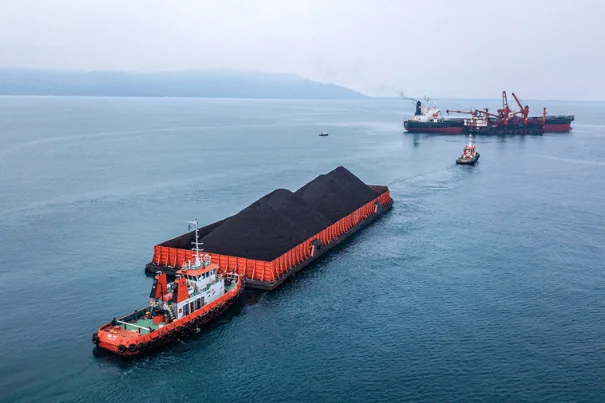
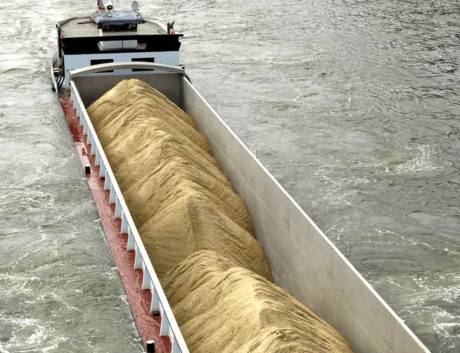
Barge shipping revolves around transporting goods via flat-bottomed vessels known as barges. These boats are designed to transport cargo over inland waterways, including rivers, canals, and coastal bays. They’re typically pulled by a towboat to their destination, although there are a few self-propelled barges.
Barges carry a variety of goods, including:
- Agricultural products
- Construction materials
- Industrial equipment
- Liquid bulk
- Scrap metal and recyclables
Barge shipping is a cost-effective and sustainable mode of freight transportation. Barges consume significantly less energy and power than container ships, benefiting both the environment and your budget. They can also access locations that container ships cannot, navigating through the mainland via internal waterways. Barges are particularly suitable for long hauls where speed is less of a priority compared to affordability and capacity. They are capable of carrying a heavier load than standard containers can accommodate, which often requires specialized containers and can raise shipping costs.
Barges are ideal for transporting high-volume or heavy goods in bulk, like:
- Heavy or dense freight that exceeds truck weight limits
- Bulk commodities that can be loaded loose or in containers
- Oversized machinery and equipment that may or may not fit in standard trailers
- Hazardous materials or liquid bulk, when properly secured and documented.
Don’t worry if you’re unsure whether your freight qualifies for barge shipping. FreightCenter can help ensure your freight meets barge transport regulations and is routed through the correct terminals.
Benefits of Barge Transportation
Barge shipping isn’t just a niche solution: it’s a strategic advantage for businesses looking to move freight efficiently and affordably. Here are some of the top benefits of using barges for freight shipping:
Cost Efficiency
Barges can carry thousands of tons of freight in a single trip. This dramatically reduces the cost per ton-mile compared to truck or rail shipping, making barge shipping one of the most economical choices for high-volume, bulk shipments, especially compared to shipping via ocean container ships.
High Capacity
Need to move heavy machinery, raw materials, or large quantities of goods? Barges are built for it. They can accommodate oversized or overweight freight that would be too expensive or impractical for other modes of transportation. It also avoids the headaches shipping heavy haul brings, including applying for state permits and hiring private or police escorts.
Environmental Sustainability
Logistics faces the serious problem of balancing sustainability efforts with the reality of high-wasteful freight transportation. Barge transport produces fewer emissions per ton-mile than trucks or trains, making it one of the most environmentally friendly freight options available. It’s a wise choice for companies with sustainability goals or ESG commitments that still need capacity to deliver their bulk or oversized goods.
Reduced Road Congestion
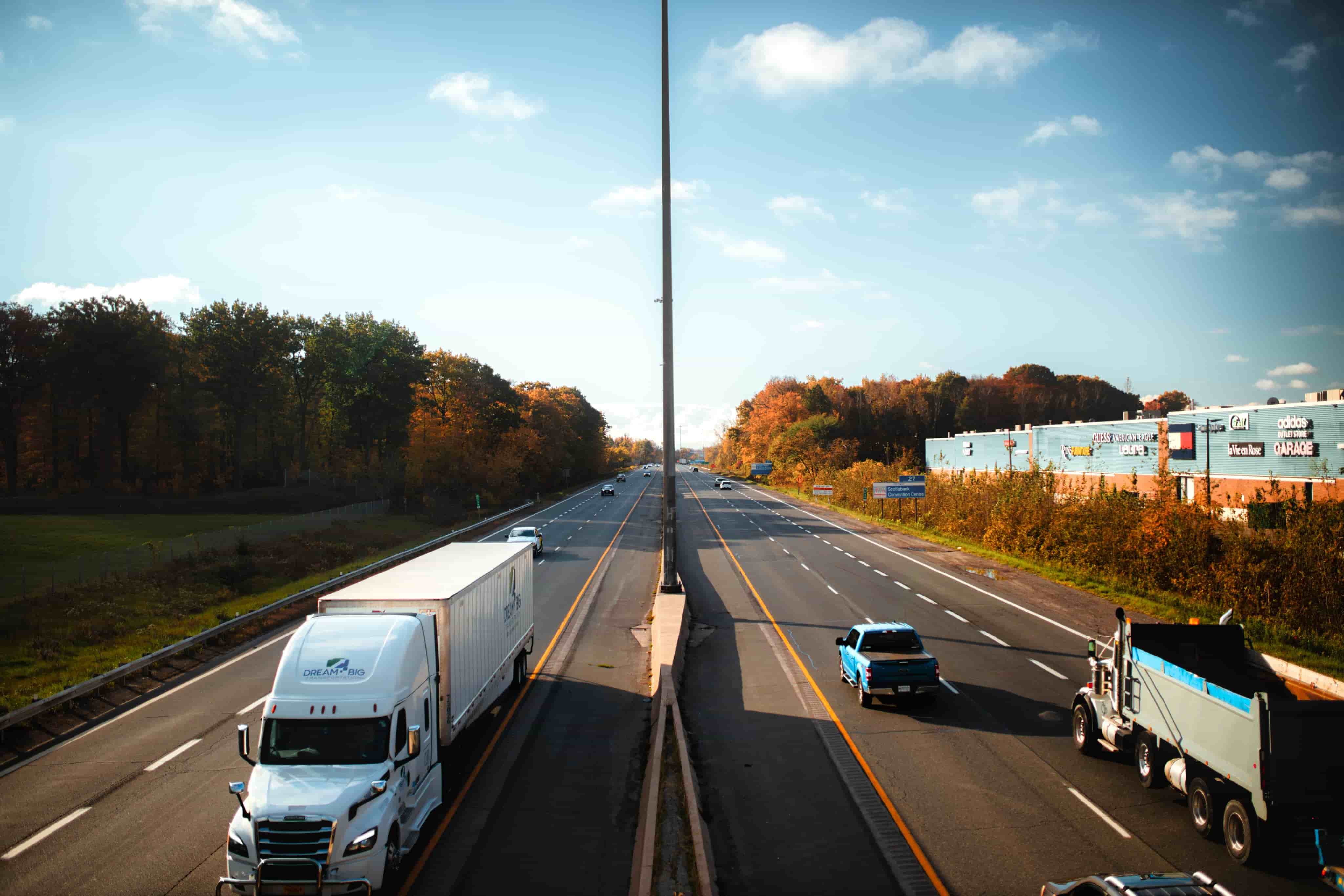
Due to the high volume of road transportation, there is a greater risk of delays and cancellations resulting from traffic and congestion. Using barges helps remove freight from congested highways, leading to fewer delays, reduced wear and tear on infrastructure, and improved logistics flow in urban or high-traffic regions.
Seamless Intermodal Integration
Intermodal shipping involves combining multiple types of freight transportation to minimize travel distances and lower shipping costs. FreightCenter specializes in coordinating intermodal shipments. We make it easy to pair barge transportation with road or rail shipping, creating a seamless end-to-end logistics solution tailored to your freight and timeline.
Shipping by barge exposes cargo to longer transit times, varying weather conditions, and vibration from movement on water. Proper packaging ensures your freight arrives safely and intact, no matter how far it travels.
Use moisture-resistant packaging such as shrink wrap, sealed drums, or tarped containers to protect cargo from rain, humidity, and condensation. Barge freight is often exposed to open-air conditions at terminals and on deck, so weatherproofing is essential, especially for metal, paper goods, or electronics.
Ensure your cargo is tightly secured with blocking, bracing, or strapping to prevent shifting during transit. Barges may encounter wake or uneven loading conditions, and unsecured freight is more prone to damage. Heavy machinery or bulky items may require customized crating or welded anchors.
If you’re shipping metal parts or machinery, apply rust inhibitors or wrap items in vapor barrier materials to prevent corrosion from moisture exposure. Even short-term exposure to humid barge environments can lead to rust, especially for untreated steel.
Clearly label all packages with handling instructions, weight markings, and proper documentation (such as the bill of lading and barge-specific freight papers). Accurate labeling speeds up loading at port terminals and ensures compliance with carrier requirements.
 Guaranteed competitive pricing every time you ship.
FreightCenter Services That Support Barge Shipping
FreightCenter offers specialized logistics support to simplify barge freight shipping from start to finish. Services include:
Intermodal Integration: Combine barge, rail, and truck transport for end-to-end delivery.
Port Pickup & Drop-Off: We coordinate inland transport to and from U.S. barge terminals.
Documentation Assistance: We assist with preparing bills of lading, export declarations, and barge-specific paperwork.
Packaging Guidance: Our team offers custom recommendations to protect barge-bound freight.
Carrier Vetting & Booking: We only work with reliable, safety-compliant barge carriers.
No matter the size or complexity of your shipment, FreightCenter is here to make barge shipping simple, efficient, and tailored to your needs. Ready to get started? Call us at (800) 716-7608 to speak with a freight expert or try our free online quoting tool to compare rates and carriers in minutes. No commitment required!
Frequently Asked Questions about Barge Shipping

Q. What is barge shipping?
Barge shipping is a mode of freight transportation that uses flat-bottomed vessels (called barges) to move goods along inland waterways like rivers, canals, and intercoastal routes. Barges are usually pushed or pulled by towboats and are capable of carrying massive loads, often up to 1,500–2,000 tons per barge. This makes them ideal for transporting bulk commodities, oversized freight, and heavy cargo that would be expensive or impractical to ship by truck or rail. Barge shipping is not only cost-effective but also environmentally friendly, thanks to its superior fuel efficiency per ton-mile.
Q. What types of freight are best for barge transport?
Barge transport is best suited for high-volume, heavy, or oversized freight that doesn’t require fast delivery. Common examples include:
- Bulk materials like gravel, sand, cement, coal, or grain
- Heavy machinery or oversized industrial equipment
- Liquid bulk such as petroleum or chemicals
- Scrap metal and recyclables
- Agricultural products
FreightCenter can help assess whether your freight is a good fit for barge transportation and pair it with inland trucking or rail services if your pickup or drop-off location isn’t near a port.
Q. How does barge shipping compare to rail or truck shipping?
While truck and rail are faster, barge shipping excels in cost and capacity. Barges can move larger loads in fewer trips, offering some of the lowest shipping rates per ton-mile. They are also more fuel-efficient, reducing environmental impact. Barge shipping is best used when transit time is flexible, and you’re focused on lowering costs or shipping oversized freight.
FreightCenter helps shippers compare these modes side by side and can build an intermodal solution that combines barge with rail or truck, ensuring cost savings without sacrificing delivery needs.
Q. Can I ship hazardous materials via barge?
Yes, barge shipping can accommodate a wide range of hazardous materials, including fuels, industrial chemicals, and waste. However, this requires specialized packaging, labeling, and documentation to comply with U.S. Coast Guard and DOT regulations. The barge must also be certified to carry hazmat freight.
FreightCenter can connect you with hazmat-compliant barge carriers and ensure you have the correct paperwork, labeling, and packaging to avoid fines or delays.
Q. What is the average transit time?
Transit times for barge shipping typically range from 5 to 14 business days, depending on the route, cargo type, and current conditions on the waterway (such as locks, dams, or weather delays). While slower than over-the-road or air freight, barge shipping is dependable and predictable—especially for freight that doesn’t require expedited delivery.
FreightCenter can help you factor in transit time when building your logistics plan and explore faster alternatives if you have tighter deadlines.
Q. How do I prepare my freight for a barge?
To prepare freight for barge shipping, shippers must ensure it is well-protected from moisture, properly secured, and clearly labeled. Use waterproof wrapping, tarps, or sealed containers to prevent exposure to rain or humidity. Secure cargo with straps, bracing, or blocking to avoid shifting during movement. Label everything clearly and include complete shipping documentation.
FreightCenter’s logistics team can walk you through best practices for packaging and even recommend materials or third-party services to ensure your shipment is barge-ready.
Q. Do I need to deliver my freight directly to the port?
Not necessarily. While some shippers can deliver directly to a port terminal, most rely on a combination of trucking and barge transport. FreightCenter can coordinate both the inland trucking portion and the barge leg of your shipment. We’ll ensure seamless handoffs between modes so you don’t have to manage multiple carriers or worry about timing.
Q. Are there size or weight limits for barge cargo?
Barges are known for their ability to carry heavy and oversized loads, far beyond what is allowed on highways or rail lines. A single barge can transport up to 2,000 tons of freight, and multiple barges can be linked together in a single tow. This makes them ideal for shipping construction equipment, wind turbine components, or raw materials in bulk.
FreightCenter can help you determine whether your cargo fits within the allowable dimensions and coordinate specialized handling or loading equipment if needed.
Q. Is barge shipping environmentally friendly?
Yes, barge shipping is one of the most eco-friendly modes of freight transport. Barges emit significantly less CO₂ per ton-mile than trucks or trains, thanks to their high fuel efficiency and large carrying capacity. By using barges, companies can reduce their carbon footprint while also saving on fuel and labor costs.
If your business is focused on sustainability or meeting ESG benchmarks, FreightCenter can help you build greener shipping solutions using barge transport and other low-emission logistics options.
Q. How are costs calculated?
Barge shipping costs are typically calculated based on the type of cargo, total weight or volume, route distance, fuel prices, and loading or handling fees at the port. Costs may also vary depending on whether you require additional services like inland transport, expedited handling, or intermodal transfer.
FreightCenter offers free, no-obligation quotes and works with a large network of barge carriers to find the most cost-effective solution for your freight. We also help you compare total landed costs when a barge is used in combination with truck or rail.
Q. Can barge shipping be used internationally?
Yes, barge shipping can be an integral part of an international logistics plan, especially when combined with ocean freight. Inland barges are often used to move cargo from interior U.S. locations to coastal ports, where shipments can be transferred to ocean vessels for export. In some regions, barges are used to move goods between neighboring countries via connected waterways.
FreightCenter can coordinate your international shipment, handling every mode from barge to ocean freight and customs paperwork in between.
Q. Is insurance included with my barge shipment?
Insurance is not automatically included with barge shipping, but it’s highly recommended, especially for high-value or sensitive freight. FreightCenter can help you secure third-party freight insurance that covers the entire journey, including the barge portion. We can also advise on risk factors and best practices to ensure your shipment is protected from damage, loss, or delay.
Q. What’s the difference between a barge and a towboat?
A barge is the vessel that carries the cargo—it has no engine and relies on a towboat or tugboat to move it. There are some barges that have engines and can be driven, but they are very expensive and used for corporate shipping. The towboat pushes or pulls one or more barges along inland waterways. In a typical operation, several barges are linked together and moved by a single towboat, maximizing efficiency and lowering transport costs.
Q. Do I need special permits?
Permits may be required depending on the type of cargo you are transporting. Heavy haul freight, hazardous materials, or high-value items often require special handling or documentation. These may include Coast Guard approval, hazmat paperwork, or weight permits.
FreightCenter can help identify what permits apply to your shipment and ensure all required documentation is completed accurately and on time.
Q. How do I get started with barge shipping?
The easiest way to get started is to contact FreightCenter. Our team will gather details about your freight, location, and delivery needs, then match you with a carrier and route that fits your requirements. We’ll handle scheduling, paperwork, intermodal coordination, and more, so you don’t have to juggle multiple vendors or navigate port logistics on your own.
Call (800) 716-7608 to speak to a representative or try our free online quote tool to get started today.
Port Access & Barge Infrastructure

Access to Inland Ports Across the U.S.
FreightCenter connects you to a wide network of inland ports along major waterways like the Mississippi, Ohio, and Missouri Rivers. This gives you more options for where and how your freight is moved, especially for shipments far from coastal cities.
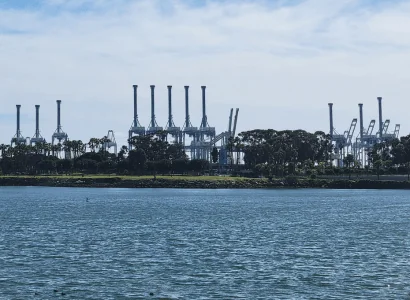
Infrastructure That Handles the Heavy Stuff
Barge terminals are equipped with cranes, lifts, and roll-on/roll-off capabilities designed for high-capacity freight. Whether you're moving construction machinery, steel coils, or bulk grain, the infrastructure is already in place to handle it safely.
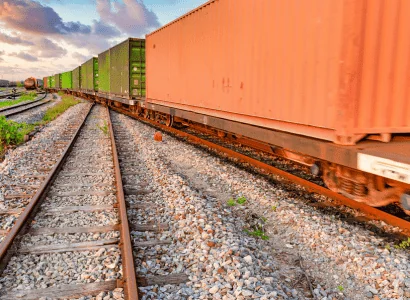
Seamless Transfers Between Modes
Many barge ports are co-located with rail yards and truck routes, creating built-in efficiency for intermodal shipping. FreightCenter helps you plan these transfers so your freight keeps moving without unnecessary delays or bottlenecks.